

Are you ready to unlock the secrets to thriving as a property property manager in 2026? The real estate industry is rapidly evolving, and staying ahead is more important than ever.
This essential guide is designed to help both aspiring and experienced professionals navigate the changes with confidence. You will gain actionable insights, discover best practices, and learn about emerging trends shaping the future of property management.
Explore how the role of a property property manager is changing, the core competencies needed for success, and the latest technologies transforming daily operations. Get ready to master legal compliance, tenant relations, financial management, and strategies to future-proof your career.
The Evolving Role of Property Managers in 2026
The landscape for a property property manager has experienced a remarkable transformation over the past decade. What was once a field centered on basic rent collection and building upkeep now demands a far broader skill set, driven by shifting market forces and technological innovation.
Property property manager roles have expanded significantly as remote property ownership and real estate investment continue to surge. More owners live out of state or even abroad, heightening the need for professional oversight and expertise. This shift has led to increased demand for talented property property manager professionals who can handle everything from financial analysis to risk management with confidence.
A defining change is the transition from simple management tasks to comprehensive asset management. Today’s property property manager is responsible not just for the day-to-day, but for maximizing asset value, tenant satisfaction, and long-term returns. The emergence of short-term rentals, co-living spaces, and mixed-use developments has added complexity and variety to the typical portfolio. These trends require property property manager teams to be nimble, adjusting their approach to suit differing regulations, lease structures, and community needs.
Tenant and owner expectations have risen sharply. Sustainability has become a core concern, with more communities and investors seeking green certifications, energy efficiency, and eco-friendly amenities. Community engagement is also on the rise, as residents want more than just a place to live—they seek belonging and a sense of connection. Delivering a superior tenant experience is now central to the property property manager value proposition.
Adaptability and continuous learning are now essential. New technologies, such as smart building systems and AI-powered analytics, are reshaping how property property manager professionals operate. Staying current with these tools and best practices is vital for maintaining a competitive edge.
Consider the numbers: In the United States alone, there were over 329,000 property management jobs in 2006. That figure is projected to rise steadily, reflecting the growing complexity and scale of the industry. As market dynamics evolve, so do the skills and knowledge required to thrive.
Regulatory changes at all levels—local, state, and federal—add another layer of challenge. Property property manager teams must keep pace with new laws on fair housing, rent control, short-term rentals, and accessibility. Failure to comply can result in costly penalties and reputational damage.
Staying ahead means understanding both the opportunities and risks on the horizon. According to the Key Rental Market Trends for 2026, technology adoption, evolving tenant expectations, and sustainability are set to shape the future of the property property manager profession. Those who embrace change, invest in new skills, and prioritize adaptability will not only meet these challenges but also unlock new avenues for growth and success.

Core Competencies and Skills for Property Manager Success
Success as a property property manager in 2026 demands a robust set of core competencies. As the industry evolves, property property managers must blend people skills, technical expertise, and ongoing education to stay competitive. Mastering these abilities not only benefits daily operations but also sets the foundation for long-term career growth.

Essential Soft and Technical Skills
A standout property property manager excels in communication, negotiation, and conflict resolution. Clear, respectful communication with tenants and owners builds trust and transparency. Negotiation skills help achieve favorable lease terms and resolve disputes before they escalate.
Technical knowledge is equally vital. Understanding property maintenance ensures quick, effective responses to repair needs. Financial analysis skills enable accurate budgeting, rent setting, and expense tracking. Legal compliance knowledge safeguards against costly violations and keeps operations running smoothly.
Time Management, Leadership, and Ethics
Juggling multiple properties requires sharp time management and organizational abilities. A property property manager must prioritize tasks, manage calendars, and oversee various projects without letting details slip through the cracks.
Leadership is another key competency. Overseeing staff, coordinating with vendors, and fostering a positive team culture are all part of the job. Ethical standards and professionalism guide every interaction, from owner meetings to tenant communications. Maintaining integrity helps build a strong reputation and lasting business relationships.
Certifications, Credentials, and Professional Growth
Earning respected certifications sets a property property manager apart in a crowded market. Credentials such as Certified Property Manager (CPM), Accredited Residential Manager (ARM), and Real Property Administrator (RPA) are highly valued by employers and clients alike. According to industry surveys, accredited managers often command higher salaries and enjoy better job placement rates.
For those seeking more information, the Certified Property Manager (CPM) Designation provides a comprehensive overview of the qualifications and benefits. Accredited professionals demonstrate advanced knowledge, leadership, and a commitment to ongoing education.
Consider this: in competitive markets, a property property manager with recognized credentials is more likely to win new business and retain existing clients. Continual learning, networking, and industry involvement further enhance these advantages.
Preparing for the Future
The path to success as a property property manager is paved with a blend of soft skills, technical expertise, and professional development. By investing in certifications and committing to ethical practices, property property managers can confidently navigate the industry’s challenges and seize emerging opportunities.
Leveraging Technology for Efficient Property Management
The role of the property property manager is rapidly transforming as technology reshapes the industry. From automation to artificial intelligence, today’s solutions empower managers to streamline operations, enhance tenant satisfaction, and maximize property ROI. Embracing these advancements is essential for any property property manager aiming to stay competitive and deliver outstanding results.
Implementing Smart Maintenance and Operations
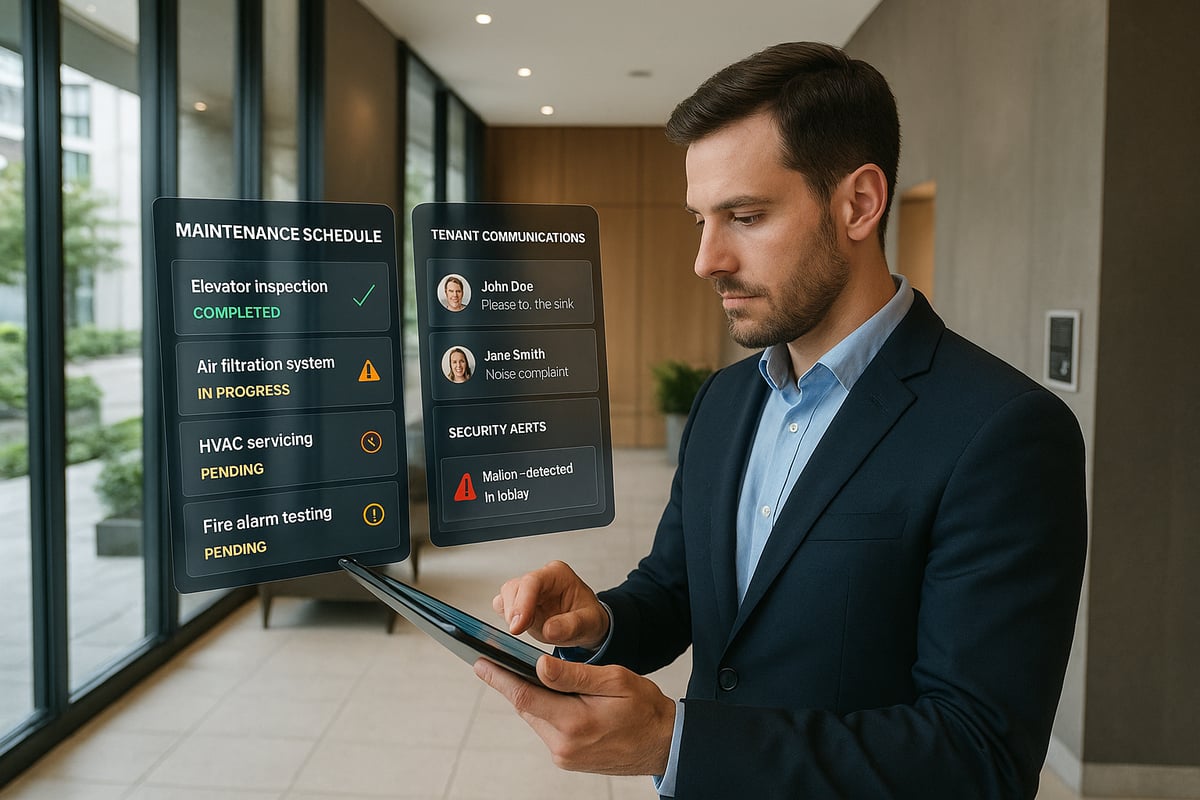
Efficient maintenance is a top priority for every property property manager. Smart building technologies, such as IoT sensors and predictive analytics, allow managers to identify maintenance needs before they escalate into costly repairs. By leveraging these tools, property property managers can automate routine inspections and receive instant alerts about system malfunctions.
Mobile apps are another game-changer. They enable real-time communication with tenants and vendors, making it simple to schedule repairs or approve work orders from anywhere. Digital inspection platforms help document property conditions, ensuring compliance and reducing liability for the property property manager.
Consider the impact of automated maintenance scheduling. For example, a property property manager using IoT-enabled sensors can monitor HVAC systems, detect water leaks, and receive predictive maintenance alerts. This proactive approach minimizes downtime and reduces expenses, keeping properties operating smoothly.
A growing number of property property managers also utilize AI-powered tools to analyze maintenance data, predict equipment failures, and optimize resource allocation. These advancements not only boost efficiency but also enhance transparency for property owners and tenants.
Enhancing Tenant Experience through Technology
Delivering an exceptional tenant experience is now a key differentiator for every property property manager. Online portals simplify rent payments, service requests, and communication, providing tenants with 24/7 convenience. Virtual tours and digital leasing streamline the application process, helping the property property manager fill vacancies faster.
AI-driven chatbots are increasingly used for tenant support, responding to inquiries and resolving issues in real time. By integrating these tools, a property property manager can offer immediate assistance and improve tenant satisfaction scores.
Digital amenities extend beyond communication. Smart home devices, such as keyless entry and automated lighting, are becoming standard offerings. These features not only attract high-quality tenants but also give the property property manager a competitive edge in tech-savvy markets.
For property property managers interested in advanced applications, AI frameworks are now used for tasks like real estate valuation and predictive analytics. You can explore the AI-Augmented Real Estate Valuation Framework to see how artificial intelligence is revolutionizing decision-making and asset management.
Staying current with technology is essential for the property property manager looking to future-proof operations and exceed tenant expectations.
Legal Compliance and Risk Management in 2026
Legal compliance is the cornerstone of success for every property property manager in 2026. As regulations become more complex and tenant expectations rise, managers must prioritize compliance to protect assets and avoid costly disputes. Navigating this landscape requires a proactive approach to understanding federal, state, and local laws that govern every aspect of property management.
Landlord-tenant laws are evolving rapidly. Fair housing regulations, anti-discrimination statutes, and accessibility requirements continue to expand, making it essential for the property property manager to stay informed. In addition to the basics, managers must be ready to respond to new mandates around rent control, eviction moratoriums, and privacy protections for tenant data.
Staying ahead of legal changes is not optional. Regularly reviewing updates to housing codes, fair housing guidelines, and local ordinances ensures that a property property manager can adapt quickly. Leveraging resources like the Understanding property manager laws guide helps managers interpret complex requirements and implement best practices in their daily operations.
Best practices for documentation and agreements:
- Always use clear, up-to-date lease templates that comply with local and federal laws.
- Document all tenant interactions and maintenance requests.
- Maintain thorough records of security deposits, rent payments, and inspection reports.
Proper documentation protects both the property property manager and the property owner in the event of disputes or audits. Managing security deposits according to state laws is crucial. Mishandling funds or failing to provide required disclosures can result in significant penalties.
Evictions are another area where compliance is critical. Following the legal process step by step—including providing proper notice, adhering to waiting periods, and documenting all communications—reduces the risk of tenant lawsuits. Mediation and alternative dispute resolution methods can often resolve issues before they escalate to court.
Insurance is a vital component of risk management for every property property manager. Comprehensive coverage should include general liability, property damage, and errors and omissions insurance. This protects against claims from tenants, vendors, or unforeseen incidents on the property.
The legal landscape also demands attention to anti-discrimination and accessibility laws. For example, the Americans with Disabilities Act (ADA) requires reasonable accommodations for tenants with disabilities. Failing to comply can result in lawsuits and substantial fines. A property property manager must proactively conduct regular property inspections to identify and address potential violations.
Legal disputes are costly. According to industry analysis, the average cost of defending a landlord-tenant lawsuit can exceed $10,000, not including potential judgments or settlements. Non-compliance can also damage a manager’s reputation, impacting future business opportunities.
Table: Common Legal Risks and Mitigation Strategies
| Legal Risk | Mitigation Strategy |
|---|---|
| Lease violations | Use updated, attorney-reviewed templates |
| Discrimination claims | Train staff on fair housing laws |
| Security deposit disputes | Follow state deposit handling guidelines |
| Eviction process errors | Document all steps, use legal counsel |
| Data privacy breaches | Implement secure digital systems |
To remain effective, a property property manager must embrace ongoing education. Attending legal workshops and collaborating with local real estate attorneys ensures continued compliance as regulations shift. By prioritizing risk management, property managers safeguard their clients’ investments and build trust in a competitive market.

Mastering Tenant Relations and Retention
Building strong tenant relationships is a cornerstone for every property property manager seeking long-term success. In 2026, the expectations from tenants have never been higher, and the ability to foster trust, transparency, and satisfaction can make all the difference in your portfolio's performance.
Effective communication remains the foundation. A property property manager should establish clear, open lines of dialogue with tenants from the very first inquiry. This includes timely responses to questions, proactive updates about property issues, and clear explanations of policies. Leveraging digital platforms such as tenant portals or messaging apps ensures tenants feel heard and valued, regardless of their location or schedule.
Conflict is inevitable in any rental environment, but how a property property manager responds defines the outcome. Early intervention is essential. Addressing complaints promptly, using mediation techniques, and remaining neutral can prevent disputes from escalating. For example, having a structured process for handling noise complaints or maintenance delays can resolve issues before they affect community morale.
Implementing tenant feedback systems is another best practice. Regular surveys, suggestion boxes, or digital feedback forms give tenants a voice in how the property is managed. A property property manager who acts on feedback demonstrates commitment to continuous improvement. This not only boosts satisfaction but also uncovers small issues before they become costly problems.
Community engagement initiatives are now a differentiator. Organizing events, creating communal spaces, or supporting local causes can transform a rental property into a thriving community. Tenants who feel a sense of belonging are more likely to renew their leases and recommend the property to others. For a property property manager, this means lower turnover and greater stability.
Responsive maintenance is a powerful retention tool. Tenants consistently cite quick repairs and regular upkeep as top reasons for staying in a property. By investing in efficient maintenance workflows, a property property manager can significantly reduce vacancy rates. For example, one multifamily property saw turnover drop by 20% after implementing a 24-hour maintenance guarantee.
The financial impact of tenant retention cannot be overstated. Studies show that increasing retention by just 5% can boost profits by up to 25%. Fewer vacancies mean less lost rent and lower marketing costs. In competitive markets, the property property manager who excels at tenant relations stands out as a trusted partner for both owners and renters.
For those seeking a deeper dive into actionable strategies and industry best practices, this Comprehensive guide to property management offers valuable insights tailored to the evolving demands of 2026.
Ultimately, mastering tenant relations is a continuous process. By prioritizing transparent communication, proactive conflict resolution, regular feedback, and community engagement, a property property manager not only maximizes retention but also builds a reputation for excellence in an ever-changing industry.
Financial Management and Maximizing Property ROI
Effective financial management is the backbone of every successful property property manager. In 2026, the ability to maximize property ROI means going far beyond simple rent collection or basic bookkeeping. A modern approach requires strategic budgeting, smart forecasting, and rigorous financial oversight to meet owner expectations and outperform competitors.
Careful budgeting and forecasting are essential for a property property manager to anticipate expenses and project income accurately. This process involves analyzing historical data, market trends, and upcoming capital improvements. By setting clear financial goals and regularly reviewing budgets, managers can identify areas for cost savings, allocate resources efficiently, and maintain healthy cash flow throughout the year.
Setting the right rent price is a delicate balance. A property property manager should use market analysis, comparable listings, and property condition assessments to determine competitive rates. Data-driven pricing not only attracts quality tenants but also minimizes vacancy periods. Regularly adjusting rents based on market shifts helps maintain optimal occupancy and ensures returns align with investment objectives.
Efficient rent collection is another core responsibility for a property property manager. Utilizing online payment platforms, automated reminders, and clear policies for late payments streamlines the process and reduces delinquencies. Transparent financial reporting is equally important, providing owners with accurate, timely insights into property performance. For those seeking to improve their reporting processes, financial reporting for property managers can help deliver clarity and accountability.
Reducing vacancies and optimizing occupancy rates play a major role in maximizing ROI. The property property manager must employ proactive marketing, flexible lease terms, and responsive maintenance to keep units filled. Quick turnaround between tenants, combined with regular property upgrades, can significantly increase both income and long-term asset value.
Leveraging data analytics empowers the property property manager to make smarter decisions. By analyzing tenant demographics, seasonal trends, and local market data, managers can set rents more strategically and forecast occupancy with greater accuracy. According to a US Property Management Market Analysis, even a small reduction in vacancy rates can boost annual returns by several percentage points, underscoring the financial impact of effective management.
In summary, the property property manager who embraces advanced financial management, transparent reporting, and data-driven strategies will consistently deliver superior ROI. By combining industry best practices with technology and market insight, managers can ensure long-term growth and sustained success for property owners.
Future-Proofing Your Property Management Career
Staying ahead as a property property manager in 2026 requires more than just experience. The real estate industry is evolving rapidly, and those who want to excel must be ready to adapt, learn, and carve out a unique professional path.
Continuous learning is now a core expectation for every property property manager. Staying current with regulations, technology, and industry best practices is essential. This means attending workshops, earning certifications, and following the latest trends. Those who invest in ongoing education are better equipped to handle new challenges and seize emerging opportunities.
Embracing new business models is crucial for the modern property property manager. The rise of co-living, build-to-rent, and mixed-use developments demands a flexible approach. Managers who understand these trends can offer tailored solutions to owners and residents. Leveraging smart technology platforms and digital tools also streamlines operations and enhances tenant experiences.
Building a strong personal brand is another key to future-proofing your property property manager career. Digital marketing skills help you attract clients and tenants in a competitive market. Having a professional online presence, sharing industry insights, and gathering positive reviews can set you apart. Networking, both online and in person, opens doors to mentorship and new business.
Exploring niche markets offers growth potential for any property property manager. Specializing in areas such as luxury rentals, eco-friendly buildings, or senior housing allows you to develop expertise and command higher fees. By focusing on a specific segment, you can provide unique value and build a loyal client base.
Consider the example of a property property manager who transitioned from managing traditional rentals to overseeing smart, tech-enabled properties. By investing in training and embracing automation, they improved efficiency and tenant satisfaction. According to industry projections, demand for property property manager professionals will continue to rise through 2026, making now the perfect time to future-proof your career and stand out in the field.
| Growth Area | Skill Needed | Benefit |
|---|---|---|
| Lifelong learning | Certification, education | Stay current, stay competitive |
| New business models | Flexibility, tech adoption | Reach new markets, streamline ops |
| Digital marketing | Branding, online presence | Attract clients, boost reputation |
| Niche specialization | In-depth knowledge | Higher fees, loyal clients |