

Property management is evolving rapidly, with property manager laws changing significantly in 2026. Owners and managers face new risks if they are not up to date with the latest regulations. Recent legal updates, expanded tenant protections, and increased enforcement have made compliance more important than ever.
Understanding property manager laws helps protect your investments, prevents costly lawsuits, and builds strong landlord-tenant relationships. This article is your essential, up-to-date guide for property manager laws in 2026.
We will cover major legal changes, licensing requirements, compliance steps, best practices, and future trends to keep you informed and prepared.
Major Changes in Property Manager Laws for 2026
Property manager laws are undergoing significant transformation in 2026. Federal and state governments are introducing new standards that impact every aspect of property management. Staying informed about these shifts is critical for avoiding legal pitfalls and maintaining successful operations.

Overview of Recent Legislative Updates
The past year has seen a wave of new property manager laws at both the federal and state levels. Amendments to the Fair Housing Act have broadened protections for tenants, while reforms to eviction processes are reshaping how managers handle disputes.
Notably, 2025 recorded a 15% increase in property-related lawsuits, according to the National Apartment Association. This surge is largely due to rapid regulatory changes and increased enforcement. New data privacy mandates also require property managers to adopt stricter protocols for handling sensitive information.
Property managers must track these updates closely, as the legal landscape is more complex than ever before.
Expanded Tenant Rights and Protections
Tenant protections under property manager laws have expanded significantly in 2026. New rules govern security deposit limits, habitability standards, and anti-discrimination practices.
For example, California’s strengthened anti-harassment statutes now set a precedent that is influencing policies nationwide. Rent control measures are also spreading to major cities, with local governments enacting stricter caps and extending coverage.
These changes mean property managers must adapt their policies to ensure full compliance and avoid disputes with tenants.
Stricter Licensing and Certification Requirements
Licensing requirements for property managers are becoming much more rigorous under updated property manager laws. Most states now require managers to complete advanced education and pass comprehensive background checks.
Annual continuing education is also mandatory in many areas, ensuring that managers stay current with evolving regulations. States like Louisiana have introduced new training mandates, while some require certification renewal every year.
This shift raises the bar for professionalism in the industry and helps protect both property owners and tenants.
Enhanced Data Privacy and Recordkeeping
With the implementation of new property manager laws, handling tenant data securely is now a top priority. States have introduced strict rules on digital record retention, background checks, and data privacy.
Non-compliance can result in severe penalties, with some states imposing fines of up to $25,000 per violation in 2026. Property managers must update their data management systems and ensure that all records are stored securely for the legally required duration.
Protecting tenant privacy is no longer optional but a clear legal obligation.
Eviction Law Reforms
Eviction procedures have been overhauled as part of sweeping property manager laws reforms. Notice periods have been extended in many jurisdictions, and court processes now often require additional documentation.
Cities such as Seattle have introduced mandatory pre-eviction mediation, giving tenants more opportunities to resolve disputes out of court. These reforms are designed to reduce unnecessary evictions and promote fairer outcomes.
Property managers must familiarize themselves with the latest procedures to avoid costly legal errors.
Increased Enforcement and Penalties
Enforcement of property manager laws is tighter than ever. Housing authorities have ramped up audits and inspections, leading to an 18% rise in fines issued to property managers in 2025.
Common violations include non-compliance with tenant protections, improper recordkeeping, and licensing lapses. Penalties can be substantial, making proactive compliance essential. For those seeking assistance, Property management legal guidance can provide vital support in navigating these complex requirements.
Staying ahead of enforcement trends helps protect investments and reputations in a rapidly changing regulatory climate.
Local Law Variations
While federal and state property manager laws set broad standards, local governments often add their own unique requirements. For example, New Orleans has enacted specific short-term rental compliance rules that differ from those in other cities.
Managers must remain vigilant about municipal regulations, as local differences can have a significant impact on day-to-day operations. Understanding both state and local laws is key to maintaining compliance and reducing risk.
Licensing, Certification, and Registration Requirements
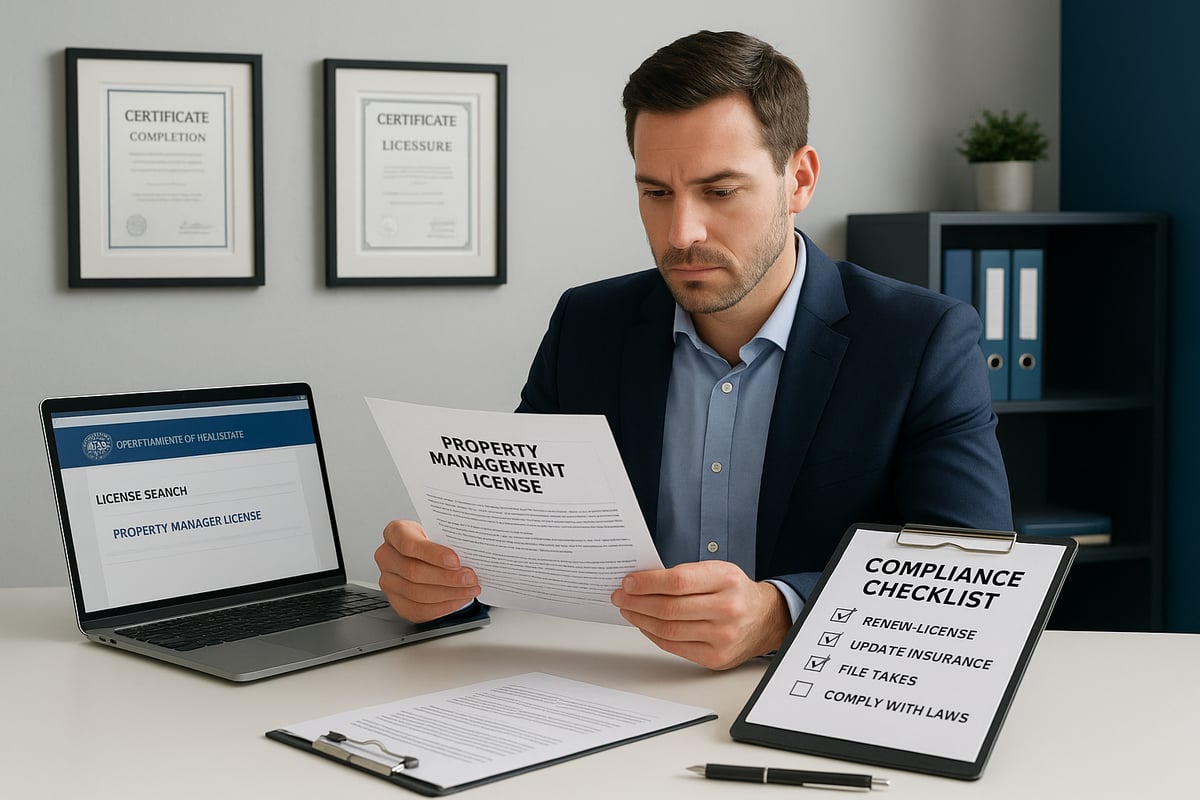
Navigating property manager laws in 2026 means understanding exactly who needs a license, how to obtain it, and the steps required to stay compliant. With increased scrutiny from regulators and evolving standards, property managers, leasing agents, and assistants face new obligations. Let’s explore the key requirements to ensure you remain on the right side of property manager laws and protect your reputation in a competitive industry.
Who Needs a License in 2026?
The reach of property manager laws now extends to a broader range of roles. In most states, anyone engaged in renting, leasing, or managing properties for others must hold a valid license. This includes not only property managers but also leasing agents and, in some cases, administrative assistants who interact with tenants or handle funds.
There are important distinctions based on property type. Residential property managers typically require state licensure, while commercial or short-term rental managers may face additional local or municipal mandates. For those new to the field, reviewing Understanding property management basics can clarify the roles and legal obligations involved.
Failing to secure the correct license can result in severe penalties under updated property manager laws. Always verify your state’s definitions and exemptions, as some states allow limited activities without a license, but these are narrowing each year.
Steps to Obtain and Maintain a Property Manager License
Complying with property manager laws means following a clear, multi-step process to secure and retain your license. The journey begins with approved pre-licensing education, ranging from 30 to 90 hours depending on the state. Next, candidates must pass a comprehensive state exam that covers both general real estate principles and specific property management regulations.
After passing the exam, applicants submit to background checks and provide fingerprints. The final step is submitting a formal application, often accompanied by proof of insurance and payment of required fees. Many states now require annual license renewal, which involves additional continuing education and updated background screenings.
Staying current with changes in property manager laws is essential, as renewal criteria and approved coursework evolve frequently. Missing renewal deadlines or failing to complete education requirements can result in suspension or revocation of your license.
Required Certifications and Ongoing Education
Beyond basic licensure, property manager laws increasingly encourage or require industry certifications. Credentials like the Certified Property Manager (CPM) and Accredited Residential Manager (ARM) demonstrate advanced knowledge and commitment to best practices. These certifications can enhance credibility, attract clients, and sometimes satisfy state-level education mandates.
Ongoing education is a cornerstone of compliance. Many states require property managers to complete 8 to 24 hours of continuing education annually, covering topics such as fair housing, ethics, and local regulations. Course content is periodically updated to reflect new property manager laws and trends, so staying informed is vital.
Investing in certifications and education not only fulfills legal obligations but also positions property managers as trusted professionals in a crowded marketplace.
Registration and Bonding Rules
Property manager laws in 2026 have made registration and bonding more common, especially for those handling client funds or operating in regulated cities. Several states now mandate registration with local authorities for managing short-term rentals or specific building types.
Surety bonds are another growing requirement. These financial guarantees protect property owners and tenants in the event of fraud or mismanagement. Bond amounts vary, typically ranging from $5,000 to $50,000 depending on portfolio size and location. Some municipalities require additional insurance or proof of financial responsibility before issuing a registration or business license.
Maintaining compliance with these rules is crucial, as lapses can jeopardize your ability to operate under property manager laws and may impact your reputation with clients and regulators alike.
Penalties for Unlicensed Practice
Enforcement of property manager laws is more robust than ever, with significant consequences for unlicensed activity. Fines for practicing without a license can reach $10,000 or more per violation, and repeat offenders may face criminal charges or permanent bans from the industry.
Recent enforcement actions in states like Texas and Florida highlight the risks. Authorities are conducting more audits and even pursuing civil lawsuits against unlicensed managers. In some cases, property owners employing unlicensed managers can also be held liable.
The message is clear: strict adherence to property manager laws is not optional. Proactive compliance, regular training, and attention to licensing status are the best defenses against costly penalties and reputational harm.
Compliance Essentials: Legal Duties and Responsibilities
Staying compliant with property manager laws is more critical in 2026 than ever before. With evolving regulations, property managers must understand and implement a wide range of legal duties. These responsibilities protect both tenants and property owners, reducing risk and ensuring smooth operations.

Fair Housing and Anti-Discrimination Compliance
Property manager laws require strict adherence to fair housing and anti-discrimination statutes at federal, state, and local levels. Protected classes commonly include race, color, religion, sex, national origin, disability, and familial status. Some states and cities add protections for sexual orientation, gender identity, and source of income.
Prohibited practices involve refusing to rent, imposing different terms, or making discriminatory statements. Recent lawsuits highlight the consequences of non-compliance, with settlements often reaching six figures. Regular training and clear policies help ensure fair treatment for all applicants and tenants under property manager laws.
Lease Agreements and Disclosure Obligations
Drafting compliant lease agreements is a key aspect of property manager laws. Managers must include mandatory clauses, such as rent amount, payment schedule, and duration. Disclosure obligations vary, but often cover lead-based paint for older properties, mold presence, and bedbug history.
States like California and New York have expanded disclosure requirements in recent years. Failing to provide proper disclosures can void leases or result in hefty fines. Keeping templates updated and reviewing state-specific requirements is essential for compliance.
Security Deposit Handling and Accounting
Security deposit rules under property manager laws are increasingly strict. States set maximum deposit amounts, typically ranging from one to two months’ rent. Timelines for returning deposits after move-out are also regulated, with some jurisdictions requiring return within 14 to 30 days.
Itemized statements explaining any deductions are mandatory in most areas. For example, New York enforces a tight 14-day deadline for deposit returns. Mishandling deposits can lead to double or triple damages. Accurate accounting and timely communication reduce disputes and legal exposure.
Maintenance, Repairs, and Habitability
Ensuring rental units meet habitability standards is a cornerstone of property manager laws. Managers must address essential repairs promptly, such as heating, plumbing, or electrical issues. Most states set specific response times for urgent repairs, often 24 to 72 hours.
If repairs are delayed, tenants may have the right to withhold rent or arrange repairs themselves and deduct costs. Routine inspections and a preventive maintenance schedule help maintain compliance. Detailed records of maintenance requests and actions taken are vital.
Rent Collection, Increases, and Late Fees
Property manager laws set clear rules for collecting rent, increasing rent, and charging late fees. Many states require advance written notice for rent increases, ranging from 30 to 90 days. Some cities, like Portland and New York, have strict rent control measures limiting annual increases.
Late fee caps are also common, usually set as a percentage of monthly rent. Transparent policies and consistent enforcement prevent misunderstandings. Managers should stay up to date on local ordinances to avoid unintentional violations.
Eviction Procedures and Alternatives
Eviction is a regulated process under property manager laws, with each step clearly outlined. Managers must provide proper notice, file court documents, and attend hearings if required. In 2026, many jurisdictions now require pre-eviction mediation to encourage resolution outside of court.
Documentation is crucial throughout the process. Notices should include specific reasons and comply with local formats. Alternatives to eviction, like payment plans or mediation, are increasingly encouraged. Following legal procedures reduces liability and maintains positive community relations.
Recordkeeping and Privacy
Accurate recordkeeping and respecting tenant privacy are fundamental under property manager laws. Managers must retain leases, payment records, and communication logs for set periods, often three to seven years. Digital security is a growing concern, with laws requiring secure storage of tenant data and limitations on surveillance.
For a deeper dive into legal responsibilities and best practices, see this Expert property management in New Orleans guide. Regular audits and secure software solutions help maintain compliance and protect sensitive information.
Navigating Legal Disputes and Risk Management
Legal disputes are an inevitable part of property management, especially as property manager laws become more complex. In 2025, the most frequent issues included non-payment of rent, security deposit disagreements, discrimination allegations, and habitability complaints. These challenges underscore the need for managers to stay informed and proactive.
Proactively addressing disputes not only protects financial interests but also strengthens landlord-tenant relationships. Understanding property manager laws is the foundation for minimizing risks and ensuring smooth operations.

Common Legal Disputes Faced by Property Managers
In today's regulatory climate, property managers encounter a range of legal disputes. The top three causes in 2025 were non-payment of rent, security deposit issues, and claims of discrimination. Habitability complaints also surged, with tenants citing delayed repairs or unsafe living conditions.
Navigating these disputes requires a thorough understanding of property manager laws. Clear documentation and transparent processes are essential, as courts often favor well-prepared parties. Regular training on legal updates can help managers avoid costly mistakes and maintain compliance.
Steps to Handle Tenant Complaints and Legal Notices
When a dispute arises, prompt and structured action is critical. Start by documenting every interaction and collecting relevant evidence. Respond to tenant complaints in writing, addressing each concern specifically and referencing applicable property manager laws.
If you face a potential eviction or complex dispute, consider seeking Eviction services and legal compliance support to ensure every step aligns with current regulations. Maintaining a file of all correspondence helps protect your interests and demonstrates good faith in resolving issues.
Working with Attorneys and Legal Resources
There are times when consulting a real estate attorney becomes necessary, especially if disputes escalate or involve fair housing claims. Property managers should know when to seek legal advice to interpret property manager laws and avoid potential liability.
In addition to legal counsel, utilize local housing authorities, fair housing offices, and professional mediation services. These resources provide guidance and can often resolve disputes before they reach litigation, saving time and expense.
Insurance and Liability Coverage
Adequate insurance is a cornerstone of risk management for property managers. Essential policies include general liability, errors and omissions, and cyber liability coverage. Each type addresses specific risks outlined in property manager laws.
For instance, a manager facing a discrimination lawsuit was shielded from major financial loss due to robust errors and omissions insurance. Regularly review coverage to ensure it matches evolving legal requirements and the unique risks of your portfolio.
Preventative Strategies for Reducing Legal Risk
Prevention is the best defense against legal disputes. Schedule regular property inspections, implement clear policies, and invest in ongoing staff training about property manager laws. Utilize technology to track compliance tasks and automate reminders for critical deadlines.
Create a compliance checklist for routine operations, and encourage open communication with tenants to identify concerns early. These strategies build trust, reduce misunderstandings, and keep your management practices aligned with the law.
Best Practices for Property Managers in 2026
Staying ahead in the rapidly evolving property management landscape means adopting proactive strategies. To remain compliant with property manager laws, managers must embed legal awareness into every aspect of their operations. The following best practices will help you navigate 2026 with confidence, minimize risk, and foster positive relationships with both tenants and property owners.
Building a Compliance-First Culture
Creating a compliance-first culture is essential for any organization subject to property manager laws. Regular training sessions keep staff updated on the latest legal changes and ethical standards. Policy reviews should be scheduled at least twice a year, ensuring procedures align with new regulations. Encourage open communication, where team members can report concerns or suggest improvements. Recognize staff who demonstrate exemplary compliance, reinforcing positive behaviors. By fostering a culture rooted in legal awareness, property managers can better protect their investments and reputations.
Leveraging Technology for Compliance
Utilizing technology is a game-changer for property manager laws compliance. Modern property management software streamlines recordkeeping, automates lease renewals, and tracks tenant communications. Digital lease signing reduces paperwork while ensuring all documents are securely stored and easily accessible. Automated alerts can remind managers of critical deadlines, such as inspection dates or rent increases. Investing in secure platforms also enhances data privacy, meeting the latest requirements for tenant information protection. Technology not only improves efficiency but also reduces the risk of costly compliance errors.
Transparent Communication with Tenants and Owners
Clear, transparent communication is a cornerstone of effective property manager laws adherence. Set expectations early by providing tenants and owners with detailed handbooks outlining policies and procedures. Use multiple channels, such as email, text, and online portals, to deliver timely updates about maintenance, inspections, or policy changes. Always document all interactions, creating a written record that can be referenced if disputes arise. Transparent communication builds trust and can prevent misunderstandings that might lead to legal challenges.
Proactive Maintenance and Inspections
Meeting property manager laws requires a proactive approach to maintenance and inspections. Establish routine inspection schedules and use standardized checklists to ensure legal standards are consistently met. Address repair requests promptly, and document all maintenance activities with photos and detailed notes. Proactive maintenance not only keeps properties in compliance but also enhances tenant satisfaction and reduces the likelihood of habitability complaints. Preventive action is always less costly than reacting to emergencies or violations.
Detailed Documentation and Reporting
Accurate documentation is vital for defending against legal claims under property manager laws. Maintain organized records for leases, repair requests, communications, and financial transactions. Use digital tools to timestamp entries and securely store sensitive information. When disputes occur, thorough documentation can provide the evidence needed to resolve issues quickly and favorably. Regularly review and update reporting templates to reflect new legal requirements and industry standards.
Partnering with Professional Associations
Joining professional associations offers valuable support for staying current with property manager laws. Organizations like the National Association of Residential Property Managers (NARPM) and the Institute of Real Estate Management (IREM) provide access to up-to-date legal resources, training opportunities, and best practice guides. Membership can also connect you with a network of peers for advice and collaboration. By leveraging these resources, property managers can remain at the forefront of regulatory changes and industry trends.
Future Trends in Property Manager Laws and What to Expect
The landscape of property manager laws is set for significant evolution as we approach 2027. Staying ahead of these developments is crucial for property managers, owners, and real estate professionals aiming to remain compliant and competitive. Understanding the trends shaping the future of property manager laws will help you adapt your business strategy and avoid costly missteps.
Anticipated Legislative Changes for 2027 and Beyond
Property manager laws are expected to address emerging priorities in the coming years. Sustainability regulations are gaining momentum, with cities considering requirements for energy-efficient appliances and green building certifications. Smart home technology is another focus, as lawmakers examine standards for devices like smart locks and thermostats. Tenant privacy continues to be a key issue, prompting proposals for stricter rules on data collection and retention. By tracking these legislative initiatives, property managers can ensure they are prepared for new compliance obligations.
The Growing Role of Technology and Data Security
Technology is rapidly transforming how property manager laws are written and enforced. Digital leasing, online rent collection, and virtual property tours are now industry standards. As a result, legislators are introducing new mandates around data security and privacy. For example, laws are being updated to regulate the use of smart locks and video surveillance in rental properties. The National Multifamily Housing Council reports a 30% year-over-year increase in property tech adoption, emphasizing the need for robust cybersecurity measures. Staying informed about data protection requirements is essential for legal and reputational safety.
Evolving Tenant Rights and Housing Justice Movements
Tenant rights are at the forefront of property manager laws, with advocacy groups pushing for expanded rent control, stronger eviction protections, and broader anti-discrimination measures. Recent proposals include a universal right to counsel for tenants facing eviction, which could become federal law. These trends reflect a shift toward housing justice and increased tenant empowerment. Property managers must closely monitor these movements, as changes can dramatically affect lease terms, eviction processes, and daily operations.
Increased Scrutiny and Professionalization of the Industry
As property manager laws become more complex, regulators are raising the bar for licensing and professional conduct. States are considering higher education requirements, more rigorous background checks, and mandatory continuing education for all property management professionals. For instance, those interested in meeting these elevated standards can review the Oregon Property Manager Licensing Requirements to understand the evolving expectations. This trend may present challenges for small-scale landlords, but it also raises the industry’s overall credibility and accountability.
Preparing for the Future as a Property Manager
Adapting to new property manager laws requires proactive planning and a willingness to evolve. Ongoing education, regular legal updates, and investment in technology are essential strategies for staying compliant. Building a network with industry peers and joining professional associations will help you anticipate regulatory shifts. By embracing change and prioritizing compliance, property managers can safeguard their businesses and deliver greater value to clients and tenants.
As we’ve explored, navigating property management laws in 2026 means more than just staying updated—it’s about protecting your investment, ensuring positive tenant relationships, and reducing your legal risks. With regulations evolving and penalties on the rise, partnering with a trusted expert matters more than ever. At Coxe Property Management and Leasing, you get the benefit of over 40 years’ experience, local legal expertise, and personalized support for every step of your ownership journey. If you want peace of mind for your properties in Greater New Orleans, Get Your Free Quote Today!