

Are you wondering about property management what is and why it’s so important in 2026? The real estate world is shifting, and keeping up with these changes is crucial for property owners, investors, and community associations.
Whether you own rental properties or serve on an HOA board, understanding property management can help you protect your investments and boost their value. This guide will show you how property management companies make operations smoother, ensure legal compliance, and keep your properties thriving in an evolving market.
What Is Property Management?
Understanding property management what is can help property owners and investors safeguard their assets and maximize returns. This field covers much more than just collecting rent. It is a specialized discipline that combines operations, compliance, and relationship management to ensure real estate investments thrive in a competitive market.
Definition and Scope of Property Management
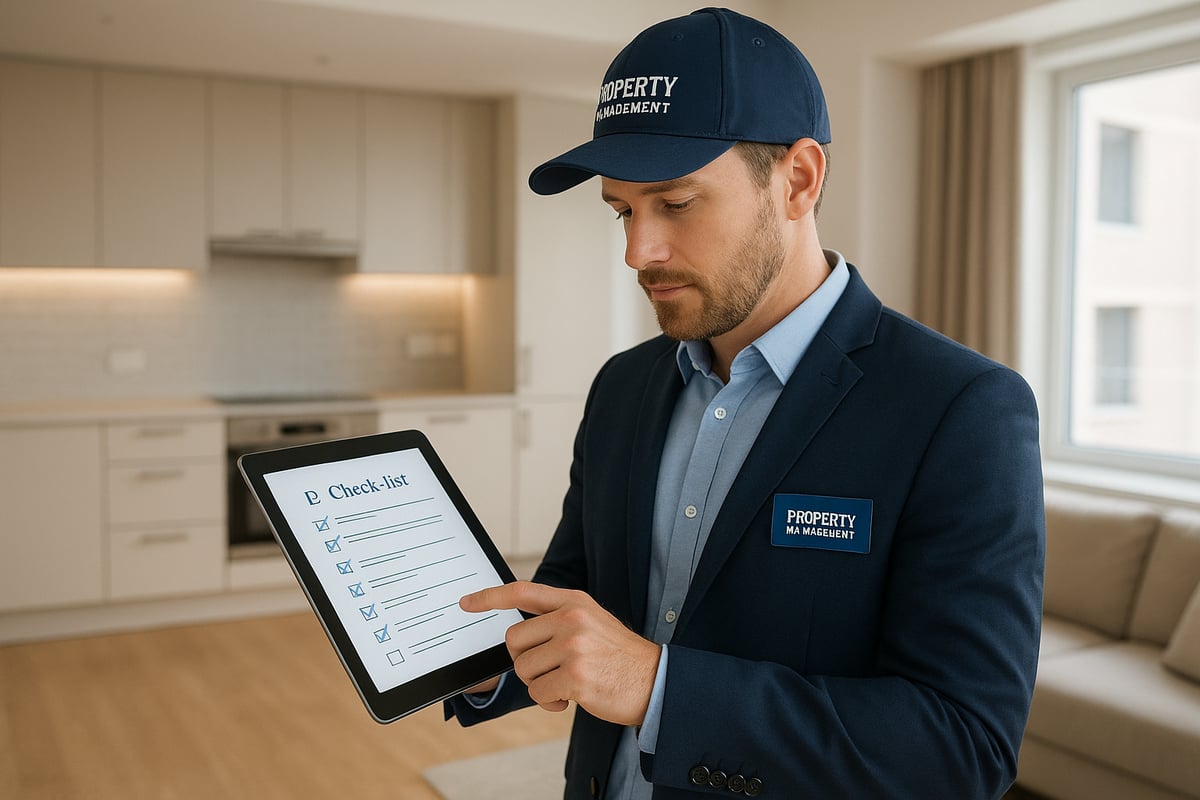
At its core, property management what is refers to the professional oversight of real estate assets on behalf of owners. These assets may include single-family homes, multifamily units, condominiums, commercial buildings, and mixed-use developments. Property managers serve as the intermediary between owners and tenants or residents, ensuring that both parties’ needs are met.
Key functions include daily operations, maintenance coordination, financial management, tenant relations, and strict legal compliance. While some individuals manage a single property, property management companies often oversee billions of dollars in assets nationwide. For example, a property manager in New Orleans might handle everything for a 50-unit apartment complex, from leasing to repairs. For a deeper dive into this field, see this comprehensive guide to property management.
Core Responsibilities of Property Managers
The responsibilities within property management what is are diverse and demanding. Managers handle tenant acquisition, including rigorous screening processes with background and credit checks to minimize risks. They enforce rent collection policies and deal with late payments promptly.
Routine and emergency maintenance is coordinated efficiently to keep properties in top shape. Drafting, administering, and enforcing lease agreements is another core function. Financial reporting, recordkeeping, and legal compliance are essential to avoid costly disputes. Property managers also mediate conflicts between owners and tenants, ensuring smooth operations.
Types of Property Management Services
Within property management what is, several service types exist to meet different needs. Rental property management handles single-family and multifamily rentals. Association management focuses on HOAs and condos, while commercial management covers retail, office, and industrial spaces.
Specialized services address vacation rentals, luxury homes, or mixed-use properties. For instance, an HOA management company might maintain shared amenities and enforce community rules. Industry data shows that over 70% of investment property owners use professional management for rental properties, reflecting the growing demand for expertise.
The Role of Technology in Modern Property Management
Technology is transforming property management what is today. Online rent payment portals provide convenience for both tenants and owners. Maintenance requests are tracked and automated through digital platforms, speeding up response times.
Digital lease agreements and document management streamline operations. Property management software enables efficient communication, accounting, and reporting. For example, automated tenant screening and e-signature lease processes save time and reduce errors, making property management more efficient and transparent.
The Legal and Regulatory Framework
Compliance is a cornerstone of property management what is. Managers must navigate a complex web of federal, state, and local housing laws. The Fair Housing Act sets standards for non-discrimination, while local regulations dictate safety codes and eviction procedures.
Property managers may require specific licenses in 2026, depending on jurisdiction. For example, in New Orleans, strict adherence to Louisiana landlord-tenant laws is mandatory to avoid legal pitfalls. Staying updated with evolving regulations ensures properties remain in good standing and owners are protected.
Rental Property Management: Functions and Benefits
Understanding property management what is can transform the way property owners, investors, and tenants experience real estate. Rental property management companies play a pivotal role in maintaining the value, profitability, and smooth operation of rental assets. Their services cover everything from tenant relations to legal compliance, ensuring both owners and residents benefit from professional oversight.

Core Duties of Rental Property Management Companies
Rental property management companies handle a broad range of day-to-day tasks that keep rental properties running efficiently. These core duties include:
- Marketing and advertising vacant units to attract qualified tenants
- Conducting comprehensive tenant screening using background and credit checks
- Collecting rent and following up on late payments
- Administering lease agreements and renewals
- Coordinating maintenance and repairs, both routine and emergency
- Performing regular property inspections
- Managing move-in and move-out processes
By focusing on these essential responsibilities, property management what is becomes clear: it is a comprehensive service designed to reduce vacancies and maximize property value. For an in-depth look at these offerings, see expert property management services.
Benefits for Property Owners
The advantages of working with a rental property manager go far beyond convenience. Professional management delivers:
- Significant time savings and reduced stress for property owners
- Expert handling of tenant concerns and emergencies
- Higher rental income and improved occupancy rates
- Reduced risk of legal disputes through compliance
For example, owners can focus on expanding their investment portfolios while managers handle daily operations. On average, well-managed properties achieve a 15% higher tenant retention rate. This demonstrates that understanding property management what is can directly impact the success of your real estate investments.
Tenant Experience and Retention
A positive tenant experience is at the heart of effective property management what is. Successful companies prioritize:
- Prompt responses to maintenance requests
- Clear, consistent communication with tenants
- Fair enforcement of policies and community rules
- Organizing resident engagement initiatives
For instance, offering 24/7 emergency response services greatly improves tenant satisfaction and encourages long-term leases. Happy tenants are more likely to renew, reducing turnover costs and vacancies.
Financial Management and Reporting
Financial stewardship is a cornerstone of property management what is. Managers are responsible for:
- Collecting and safeguarding security deposits
- Budgeting for repairs, improvements, and capital expenditures
- Preparing monthly and annual financial statements
- Negotiating with vendors to optimize expenses
Transparent financial reporting ensures owners have the data needed for tax planning and investment decisions. Regular updates on income, expenses, and cash flow build trust and support long-term success.
Legal Compliance and Risk Mitigation
Navigating the legal landscape is a vital aspect of property management what is. Companies must:
- Handle evictions according to current laws and regulations
- Ensure properties meet safety and habitability codes
- Manage insurance requirements and limit liability
For example, during eviction moratoriums or shifts in regulations, experienced managers protect owners from costly mistakes. Staying current on landlord-tenant laws minimizes legal exposure and supports ethical property operations.
Coxe Property Management and Leasing: Local Expertise in New Orleans
Coxe Property Management and Leasing exemplifies property management what is for owners in Greater New Orleans. Managing nearly $1 billion in assets, they offer:
- Rigorous tenant screening and reliable rent collection
- Proactive maintenance and legal guidance
- Personalized, boutique-style solutions backed by over 40 years of local experience
Their 24/7 support and deep market knowledge provide peace of mind for individual owners, investors, and absentee landlords. New Orleans property owners trust Coxe’s expertise to protect their assets and foster steady growth.
Association and HOA Management Explained
Understanding property management what is in the context of associations and HOAs is vital for anyone involved in community living. Association management focuses on the administration and operation of residential communities governed by homeowner associations or similar bodies. The main goal is to preserve shared assets, enforce community standards, and foster a harmonious environment for all residents.
For example, a property management what is professional might oversee a 200-unit condominium association, handling the upkeep of amenities, enforcing community guidelines, and managing finances. This type of management is distinct from individual rental property oversight, as it serves the collective interests of all homeowners within a community.

What Is Association (HOA) Management?
Association management, a core aspect of property management what is, involves overseeing the daily operations and long-term planning of residential communities like HOAs and condo associations. The focus is on maintaining shared spaces, enforcing rules, and ensuring resident satisfaction.
A clear example is managing a large condominium complex in New Orleans, where the property management what is team coordinates building maintenance, schedules amenity use, and ensures compliance with bylaws. They serve as the bridge between the board, residents, and service providers, making sure the community runs smoothly.
Key Services Provided by HOA Management Companies
Professional HOA management companies offer a comprehensive suite of services that define property management what is in association settings. These services include maintaining common areas, managing amenities, collecting dues, and overseeing budgets.
They also enforce community rules, organize board meetings, plan events, and handle vendor and contractor relationships. For instance, a community may rely on its management company to keep the pool and landscaping pristine, ensuring all shared spaces meet community standards and expectations.
Board and Resident Communication
Effective communication is a cornerstone of property management what is within an HOA. Management companies facilitate transparent dialogue between the board and residents, helping resolve disputes and enforce bylaws fairly.
Regular updates, digital newsletters, and resident portals are common tools for keeping everyone informed. For example, a manager might use an online portal to share progress on community projects or provide financial updates, ensuring residents feel engaged and heard.
Financial Stewardship and Legal Compliance
A crucial part of property management what is for associations is financial stewardship and adherence to legal standards. Management companies prepare annual budgets, keep accurate records, and provide detailed financial reports to the board and residents.
They also ensure compliance with governing documents and local laws, helping communities avoid costly fines. For instance, proactive legal oversight by a skilled manager can prevent issues before they arise, safeguarding the association’s financial health.
Benefits of Professional HOA Management
Engaging a professional in property management what is for associations brings significant advantages. Board members experience reduced workload and stress, while the community benefits from expert guidance in legal, financial, and operational matters.
Professional management often leads to higher resident satisfaction and increased property values. Studies show that communities with experienced management report greater financial stability and stronger community appeal, making property management what is an essential asset for any association.
Comparing Rental Property Management vs. HOA Management
Understanding property management what is requires a closer look at how rental property management and HOA management differ and overlap. Both play crucial roles in the real estate landscape, but their focus, responsibilities, and strategies vary. This comparison will help you identify which approach best suits your property or community.
Key Differences in Scope and Responsibilities
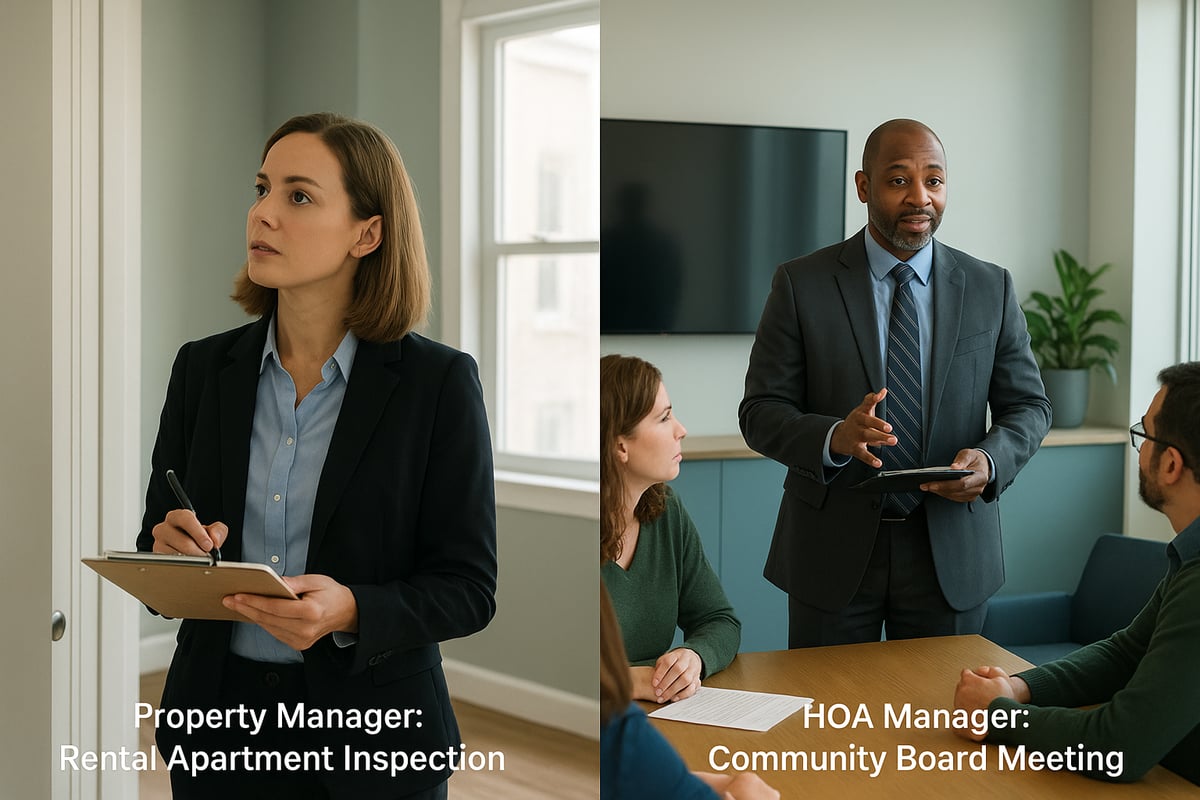
The distinction between rental property management what is and HOA management comes down to their primary objectives and client base. Rental property management focuses on maximizing rental income and overseeing tenant relations for individual owners. HOA management, by contrast, serves entire communities, maintaining shared amenities and enforcing community standards.
| Aspect | Rental Property Management | HOA Management |
|---|---|---|
| Clients | Individual owners | Homeowners associations |
| Focus | Tenant relations, income | Community, amenities |
| Example | Tenant screening | Rule enforcement |
For a deeper dive into industry-wide trends and statistics, see Property Management Industry Statistics & Trends 2026.
Overlapping Functions
Despite their different scopes, property management what is often involves similar foundational tasks. Both rental and HOA managers:
- Coordinate maintenance and repairs.
- Manage financial transactions and reporting.
- Ensure legal and regulatory compliance.
- Communicate with tenants or residents.
- Address disputes and emergencies.
These overlapping responsibilities show that, regardless of the type, effective property management what is about providing structure, accountability, and peace of mind for owners and communities alike.
Choosing the Right Management Approach
Selecting between rental property management what is and HOA management depends on your property type, ownership structure, and goals. Key decision points include:
- Are you an individual owner or part of a collective association?
- Does your property require tenant-focused services or community-wide governance?
- What are the local regulatory requirements?
For example, a single-family rental in New Orleans benefits from a rental manager, while a 300-unit condo community needs HOA management. Carefully assess your needs to determine which property management what is best for your investment or community.
Real-World Case Studies
Consider these examples to see property management what is in action. A professional manager revitalized a struggling rental property with high turnover, using targeted marketing and strict tenant screening to boost occupancy and income. Meanwhile, an HOA management company resolved ongoing resident disputes and streamlined dues collection, leading to greater community harmony and financial stability.
Both scenarios highlight how choosing the right form of property management what is can transform outcomes, protect assets, and enhance value for all stakeholders.
How to Choose a Property Management Company in 2026
Selecting the right partner for property management what is crucial for safeguarding your investment and ensuring ongoing success. With so many companies in the market, a clear, structured approach helps you make the smartest choice. Here’s a step-by-step guide to evaluating your options in 2026.
Key Criteria for Selecting a Management Partner
When deciding on property management what is best for your needs, focus on the essentials. Look for:
- Proper licensing and professional certifications
- Proven experience in your local market
- A comprehensive suite of services, including maintenance, financial reporting, and legal compliance
- Transparent fee structures with no hidden costs
- Strong reputation, supported by positive client reviews
For a deep dive into the selection process, explore this guide on how to find the best property management company. By prioritizing these factors, you set the foundation for a successful partnership.
Questions to Ask Prospective Management Companies
Before committing, it is essential to ask questions that reveal how property management what is handled by each company. Consider:
- What experience do you have with properties similar to mine?
- How do you screen tenants and manage evictions?
- What technology supports your communication and reporting processes?
- Can you provide references from current or past clients?
These questions help you gauge transparency, reliability, and whether their approach aligns with your investment goals. Do not hesitate to interview multiple firms for comparison.
Understanding Contracts and Service Agreements
Thoroughly reviewing contracts is vital to understanding property management what is being offered. Pay attention to:
- Contract duration and termination clauses
- Fee schedules and any additional charges
- Detailed descriptions of included services
- Defined responsibilities for both the owner and the manager
Request a sample contract and clarify every point before signing. This prevents misunderstandings and ensures both parties are clear on expectations.
Evaluating Performance and Accountability
Ongoing evaluation is a core part of property management what is effective. Set clear KPIs to measure success, such as:
| KPI | Target Value |
|---|---|
| Occupancy rate | 95%+ |
| Maintenance response | <24 hours |
| Rent collection rate | 98%+ |
Regular performance reviews and transparent reporting build trust. Make sure you have easy access to financial and operational data, and schedule quarterly check-ins to review results.
Red Flags to Watch Out For
Being aware of warning signs protects your interests when choosing property management what is right for you. Watch for:
- Unclear or complicated fee structures
- Slow or inconsistent communication
- Negative or unresolved online reviews
- History of legal disputes or regulatory issues
If any of these red flags appear, consider looking elsewhere. Your property deserves a manager who delivers professionalism and peace of mind.
Future Trends in Property Management for 2026
Property management what is will look very different by 2026 compared to today. Rapid innovation, new regulations, and changing client expectations are transforming how professionals and companies operate. Let us explore the four most important trends shaping the future of property management what is.
Technology and Automation
By 2026, technology will be at the core of property management what is. AI-powered tenant screening, predictive maintenance, and mobile apps will become standard tools. Property managers will use smart home integrations and IoT devices for real-time monitoring of properties. Digital lease agreements and automated rent payments will streamline operations. According to the Property Management Market Report 2025, the industry is rapidly adopting these innovations to improve efficiency and service quality. Automated reporting and virtual property tours will further enhance the management experience for both owners and tenants.
Sustainability and Green Initiatives
Sustainability is becoming a defining feature of property management what is. Property managers will prioritize energy-efficient upgrades, such as LED lighting, high-efficiency HVAC systems, and water-saving fixtures. Compliance with evolving environmental regulations will be crucial. Many companies will seek green building certifications and install solar panels to reduce operating costs and attract eco-conscious tenants. These initiatives not only support the environment but also boost property values and market appeal. Owners will increasingly expect their managers to deliver on both sustainability goals and long-term cost savings.
Evolving Legal and Regulatory Landscape
The legal landscape for property management what is will continue to evolve in 2026. Anticipate updates to landlord-tenant laws, stricter data privacy requirements, and enhanced cybersecurity measures to protect sensitive information. Fair Housing guidelines are likely to expand, requiring managers to adjust policies and procedures. Staying current with federal, state, and local regulations will be essential for avoiding fines and legal disputes. Proactive property managers will invest in ongoing education and compliance tools to safeguard both owners and residents.
Shifting Owner and Tenant Expectations
Owner and tenant demands are reshaping property management what is. There will be a greater emphasis on transparency, real-time communication, and digital access to information. Residents expect prompt responses, personalized services, and community-building amenities. Owners want detailed financial reporting and regular performance updates. According to Staying Ahead Of The Curve: Key Rental Market Trends For 2026, lifestyle amenities and engagement initiatives are becoming top priorities. Managers who adapt to these expectations will create thriving communities and secure long-term client loyalty.
Frequently Asked Questions About Property Management
Navigating the world of property management can raise many questions for owners, tenants, and association members alike. Whether you are considering hiring a management company or want to understand your rights and responsibilities, this section covers the most common concerns. Get clear, actionable answers to help you make informed decisions about property management what is and how it impacts your investment or living experience.
Common Questions for Property Owners
When should you hire a property management company? If managing tenants, maintenance, or legal compliance feels overwhelming, professional help can be invaluable. Many first-time investors compare self-management with hiring experts before making a choice. Costs vary by location and services provided. For a detailed look at expenses, see The cost of property management explained. Weighing the benefits of professional oversight is essential when considering property management what is and how it can maximize your returns.
FAQs for Tenants and Residents
Tenants often ask, "Who do I contact for repairs?" and "How are community rules enforced?" With property management what is, tenants benefit from prompt maintenance responses and clear communication channels. A professional manager explains lease terms, enforces fair policies, and ensures your concerns are heard. You can expect regular updates about property matters and access to support for emergencies. Living in a professionally managed property means having a dedicated team focused on your satisfaction and safety at all times.
Legal and Financial FAQ
Owners and tenants want to know, "What happens if rent is not paid?" or "How are security deposits handled?" Property management what is includes handling evictions in compliance with local laws and managing all financial transactions transparently. Security deposits are collected, held, and returned according to state regulations. Owners are protected by clear contracts and legal guidance, while tenants have defined rights. In Louisiana, for example, eviction follows a structured legal process, providing security for everyone involved.
Troubleshooting and Problem Resolution
Disputes can arise between owners, tenants, or even between residents and management. With property management what is, you have access to structured conflict resolution methods. Management companies often mediate issues, offer formal complaint procedures, and, if necessary, escalate concerns to legal counsel. If you are unhappy with your current management, most contracts outline steps for transition. Switching companies is straightforward, ensuring your property remains protected and your interests prioritized.
As you’ve seen throughout this guide, having the right property management partner can make all the difference—whether you’re looking to protect your investment, streamline operations, or stay ahead of industry changes in 2026. With over four decades of experience in Greater New Orleans, Coxe Property Management and Leasing brings a level of personalized service and expertise that’s rare in today’s market. If you’d like to discover how their tailored solutions can help you achieve hassle-free ownership and maximize your property’s value, Get Your Free Quote Today!