

Choosing between management leasing and traditional leasing is a pivotal decision for property owners and tenants in 2026 as the rental landscape grows increasingly complex. With new regulations, evolving technologies, and changing tenant expectations, many find it difficult to distinguish which leasing model best suits their needs.
Management leasing offers a hands-off approach, while traditional leasing keeps owners directly involved. This article breaks down the core differences, advantages, and drawbacks of both models. We will define each leasing style, compare responsibilities, examine costs, review legal risks, analyze tenant experiences, and explore future trends.
Read on for a clear, side-by-side comparison that will equip you with practical insights to make the right leasing choice.
Understanding Management Leasing
Management leasing has become a cornerstone for property owners seeking efficiency and peace of mind in the ever-evolving rental market. At its core, management leasing is an arrangement where a property owner hires a professional company to oversee both leasing activities and ongoing property management. This means the owner delegates critical tasks such as marketing, tenant screening, rent collection, and maintenance to experts. The appeal lies in its hands-off approach, allowing landlords to benefit from their investment without day-to-day involvement. For example, a New Orleans owner might rely on a management company to handle every aspect of a rental, enjoying passive income while experts manage the details.

Definition and Overview
Management leasing streamlines property ownership by placing daily operations in the hands of specialists. The typical scope of services includes:
- Strategic marketing and advertising of rental units
- Comprehensive tenant screening and selection
- Lease preparation and signing
- Rent collection and arrears management
- Routine upkeep and emergency repairs
- Ensuring legal and regulatory compliance
This turnkey model means owners can enjoy rental income without actively managing tenants or maintenance. For instance, a property owner in New Orleans might never need to meet tenants or coordinate repairs, as the management leasing provider handles these interactions efficiently.
Key Responsibilities of Management Leasing Companies
Companies specializing in management leasing take on a wide range of duties to support both owners and tenants. Their core responsibilities include:
- End-to-end tenant acquisition, including marketing and onboarding
- Timely rent collection and addressing late payments
- Arranging routine, preventive, and emergency maintenance
- Staying current with fair housing laws and handling evictions when necessary
- Conducting regular property inspections and delivering detailed reports
- Managing finances with transparent accounting practices
Many management leasing firms offer 24/7 support, ensuring tenants can report issues at any time and owners receive timely updates.
Typical Users and Property Types
Management leasing is especially popular among absentee landlords, real estate investors, and owners with multiple properties who prioritize passive income. It is commonly used for a variety of property types:
- Residential apartment buildings and multifamily units
- Single-family investment homes
- Commercial properties in urban areas
Recent trends show increasing adoption of management leasing in cities, driven by the complexity of rental regulations and the desire for professional oversight. Industry reports indicate that urban markets are seeing steady growth in the use of management leasing companies for both residential and commercial portfolios.
Pros and Cons of Management Leasing
Like any property strategy, management leasing offers distinct advantages and drawbacks.
Pros include:
- Access to professional expertise and industry best practices
- Reduced workload and time commitment for property owners
- Enhanced legal protection and risk mitigation
- Streamlined operations and consistent tenant experience
Cons include:
- Higher management fees compared to self-management
- Less direct control over day-to-day decisions for owners
- Potential for a more impersonal tenant experience
According to owner satisfaction surveys, properties managed by professionals often report higher overall satisfaction. For a deeper look into the advantages, see this Benefits of Property Management guide, which explores how management leasing can transform property ownership.
Traditional Leasing Explained
Traditional leasing empowers property owners to take full charge of their rental operations. In this model, the owner directly manages every aspect of leasing and property care, acting as the sole point of contact for tenants. Unlike management leasing, where a third party oversees daily operations, the landlord in traditional leasing handles everything from advertising to maintenance.
For example, consider a landlord who personally lists a duplex, screens applicants, and coordinates all tenant communications. This hands-on approach is especially prevalent among small-scale or local property owners who prefer a direct relationship with their tenants.

Owner Responsibilities in Traditional Leasing
Owners who choose traditional leasing shoulder a wide range of responsibilities. These tasks include marketing the property, showing it to prospective tenants, screening applicants, and drafting lease agreements. Unlike management leasing, owners must also collect rent, handle late payments, and coordinate all repairs and maintenance.
Legal compliance is another critical duty. Owners are responsible for understanding local landlord-tenant laws, resolving disputes, and managing evictions if necessary. For example, if a plumbing emergency occurs at midnight, the owner must respond and arrange immediate repairs, highlighting the level of involvement required compared to management leasing.
Typical Users and Property Types
Traditional leasing is most popular among small-scale landlords, DIY investors, and individuals who own properties in their local area. This model is commonly used for single-family homes, condos, and vacation rentals, where personal oversight is more feasible.
Industry estimates show that about 70% of U.S. rental properties are individually owned and self-managed. Compared to management leasing, traditional leasing appeals to owners who value full control and direct tenant interaction, often prioritizing a more personal approach over delegation.
Pros and Cons of Traditional Leasing
Traditional leasing offers a unique set of advantages and challenges for property owners. Here’s a quick comparison:
| Pros | Cons |
|---|---|
| Full control over decisions | Time-consuming and demanding |
| Cost savings on management fees | Higher risk of legal missteps |
| Closer tenant relationships | Inconsistent tenant experience |
Owners who choose this model avoid management fees and maintain authority over every detail. However, traditional leasing can become overwhelming, especially when juggling multiple tenant issues at once. For a deeper dive into financial and operational differences, readers can review this Cost Comparison: Managed vs Traditional Leasing.
Key Differences Between Management Leasing and Traditional Leasing
Choosing between management leasing and traditional leasing can dramatically affect your experience as a property owner or tenant. Understanding the core differences in control, costs, communication, compliance, maintenance, and reporting is essential for making the right decision in today’s evolving rental market.

Control and Decision-Making
With management leasing, the property owner delegates most decisions to a professional company. This means the management firm typically handles tenant issues, maintenance approvals, and even some financial decisions within agreed parameters.
In traditional leasing, the owner retains full authority over every aspect. Whether it is approving tenants or handling emergencies, all decisions rest with the landlord.
For example, if a tenant reports a water leak, a management leasing company might dispatch maintenance immediately based on pre-set guidelines. In a traditional setup, the owner must respond directly, which can delay resolution if unavailable.
Cost Structure and Fees
Cost is a pivotal factor in choosing between management leasing and traditional leasing. Management leasing usually involves a monthly fee, often 8 to 12 percent of collected rent, plus potential leasing and maintenance fees. Traditional leasing avoids these recurring charges but may incur higher indirect costs such as vacancy losses or legal errors.
Here is a quick comparison:
| Cost Type | Management Leasing | Traditional Leasing |
|---|---|---|
| Monthly Fee | 8–12% of rent | None |
| Leasing Fee | 1 month’s rent (avg.) | None |
| Maintenance Fees | Sometimes marked up | Direct cost |
| Hidden Costs | Lower vacancy, legal risk | Higher vacancy, DIY risk |
For a detailed breakdown, visit the Cost of Property Management Services page.
Tenant Experience and Communication
Management leasing offers tenants a professional and standardized communication process. Tenants often benefit from 24/7 support, online portals, and clear procedures for submitting requests.
Traditional leasing communication is more personal but can be inconsistent. The tenant’s experience often depends on the owner’s availability and responsiveness.
Tenant satisfaction surveys show that properties under management leasing tend to score higher on responsiveness and issue resolution, while traditional leasing may excel in building closer tenant-owner relationships.
Legal Compliance and Risk Management
Legal compliance is one area where management leasing provides significant advantages. Companies stay updated on evolving regulations, reducing the risk of costly mistakes for owners.
In traditional leasing, owners must self-educate and track all legal requirements. This increases the risk of non-compliance, especially with recent changes in rental laws.
For example, a management leasing company can handle the entire eviction process professionally, while a self-managing owner may struggle to navigate complex procedures and deadlines.
Maintenance and Repairs
Maintenance and repairs are streamlined with management leasing. Companies schedule routine inspections, handle emergency repairs, and often have established vendor relationships for quick response.
Traditional leasing places the burden of coordinating and overseeing all repairs on the owner. Response times can vary, and deferred maintenance may become an issue if the owner is unavailable or overwhelmed.
A managed property might have a maintenance hotline, while a self-managed property relies solely on the owner’s time and network.
Financial Reporting and Transparency
Management leasing provides owners with regular financial statements, tax-ready reports, and transparent accounting practices. This makes tracking income and expenses straightforward and simplifies tax season.
In traditional leasing, owners must manage all financial documentation themselves. This can be time-consuming and increases the chance of errors or missed deductions.
Owners frequently cite the ease of tax preparation with management leasing as a major benefit, especially when managing multiple properties.
Financial Implications: Which Model Offers Better Value in 2026?
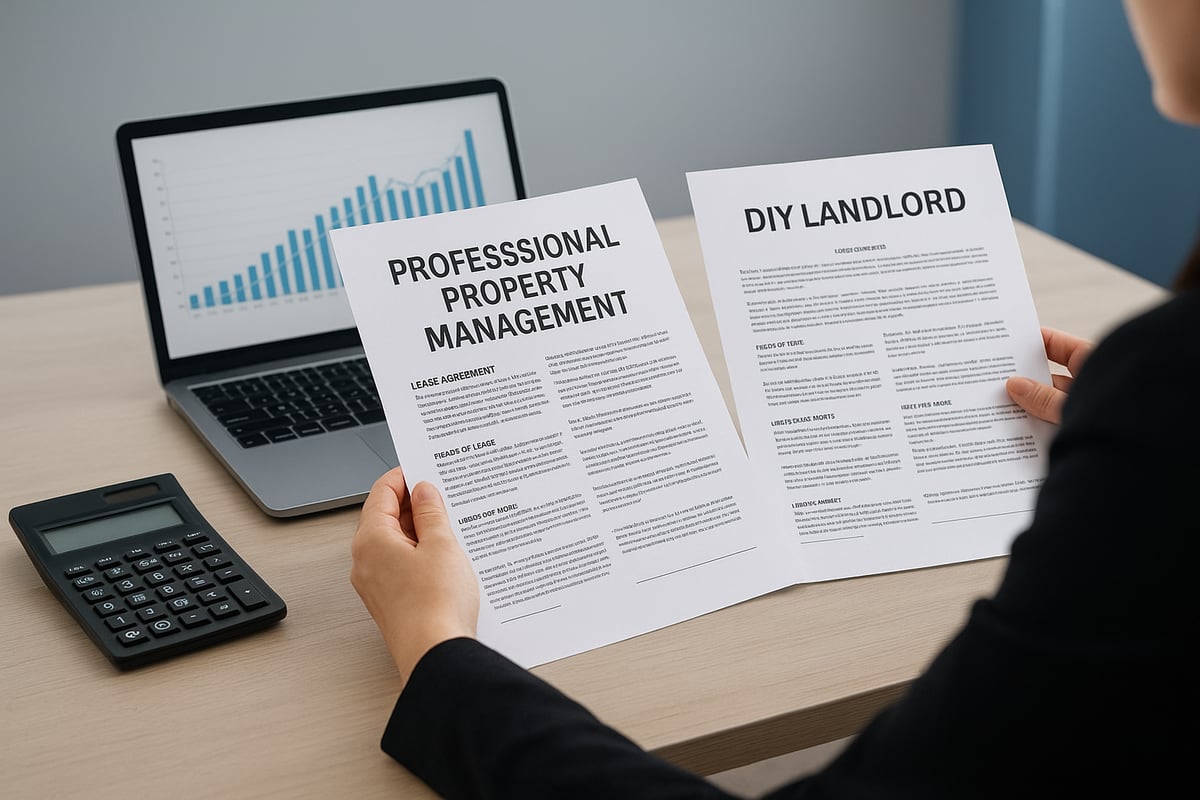
Choosing the right leasing model has a direct impact on your bottom line. As we evaluate management leasing and traditional leasing, it is essential to consider both immediate expenses and long-term financial outcomes. Below, we break down the key financial factors shaping your decision in 2026.
Upfront and Ongoing Costs
When comparing management leasing and traditional leasing, understanding both upfront and recurring costs is crucial. Management leasing typically involves monthly management fees, leasing commissions, and possible maintenance markups. These fees usually range from 8% to 12% of the monthly rent.
Traditional leasing often appears cheaper because owners do not pay management fees. However, they must cover direct marketing costs, tenant screening, and handle all repairs. Hidden costs, such as longer vacancies or legal expenses due to inexperience, can add up quickly.
| Cost Type | Management Leasing | Traditional Leasing |
|---|---|---|
| Management Fee | 8%-12% of rent | None |
| Leasing Commission | 50%-100% of 1 mo. | None |
| Marketing | Included | Owner pays |
| Maintenance Markup | Possible | Owner direct cost |
| Legal/Compliance | Included | Owner responsibility |
For a deeper dive into the value of professional leasing, see Expert Property Leasing Services.
Vacancy Rates and Rental Income Optimization
Vacancy is one of the most significant financial drains for property owners. Management leasing companies use advanced marketing strategies, extensive networks, and dynamic pricing tools to minimize vacancy periods. As a result, properties under management leasing tend to have lower vacancy rates than those managed by individual owners.
Traditional leasing relies on the owner’s ability to market and price the property effectively. Without access to professional resources, vacancies may last longer, reducing net income. In 2026, data shows that properties with management leasing average 4% vacancy rates, compared to 7% for self-managed rentals.
Effectively, management leasing can help maximize rental income by keeping units occupied and rents competitive, offsetting higher management fees with increased cash flow.
Risk Mitigation and Potential Savings
Risk management is another area where management leasing can offer substantial value. Professional firms conduct thorough tenant screening, reducing the risk of late payments, property damage, and costly evictions. Their expertise in fair housing and local regulations also minimizes legal exposure.
Traditional leasing places the burden of screening and compliance directly on the owner. Mistakes can lead to expensive tenant issues or legal actions. For instance, eviction rates are significantly lower in properties managed by professionals, saving owners on court fees and lost rent.
By reducing the frequency and severity of tenant problems, management leasing can translate into real financial savings over time.
Long-Term ROI and Asset Preservation
Preserving property value is essential for long-term returns. Management leasing companies schedule regular inspections and proactive maintenance, helping prevent small issues from becoming costly repairs. This approach not only protects the asset but also supports higher property appreciation.
Traditional leasing often means maintenance is reactive, depending on the owner’s availability and resources. Deferred repairs can result in lower property values and diminished ROI over time.
In summary, management leasing offers a comprehensive approach to asset preservation, contributing to stronger long-term financial performance for property owners.
Legal and Regulatory Considerations
Navigating the legal landscape is critical for property owners and investors. Both management leasing and traditional leasing models face unique challenges in staying compliant, drafting enforceable agreements, resolving disputes, and managing liability. Understanding these differences will help you choose the best approach for your property.
Compliance with Local, State, and Federal Laws
A major advantage of management leasing is access to specialized expertise in housing laws at every level. Professional property managers stay current with evolving regulations, such as rent control, fair housing requirements, and local safety codes. This helps owners avoid costly legal missteps that can occur in traditional leasing, where self-managed landlords must keep up with frequent legal updates on their own.
For those new to these complexities, understanding What Is Property Management? provides helpful background on the compliance role management companies play. In 2026, regulatory changes are expected to increase, making management leasing even more attractive for risk-averse owners.
Lease Agreement Drafting and Enforcement
Drafting a strong, enforceable lease is essential in both models. Management leasing companies use up-to-date, legally vetted lease templates that reflect the latest laws and best practices. This reduces the risk of loopholes or unenforceable clauses, which can be common with DIY or outdated documents in traditional leasing.
Enforcement is also more systematic in management leasing. Professional managers handle violations, late payments, and renewals based on clear procedures, while individual landlords may rely on personal judgment, increasing the risk of disputes. Lease disagreements are more likely to be resolved quickly and fairly with management leasing.
Handling Disputes and Evictions
Disputes and evictions require careful adherence to legal protocols. Management leasing companies offer formal processes for conflict resolution, including clear communication, documentation, and legal notices. This reduces the risk of procedural errors that can delay or invalidate evictions.
In traditional leasing, owners must navigate eviction laws themselves, which can be overwhelming and lead to costly mistakes. Data shows that eviction timelines are often shorter for managed properties, as professionals act swiftly and ensure compliance at every step. Management leasing provides peace of mind during challenging tenant situations.
Insurance and Liability Issues
Insurance and liability are critical, yet often overlooked, aspects of property ownership. Management leasing companies advise owners on the right insurance coverage, such as landlord liability and property damage, and help implement risk mitigation strategies.
Traditional leasing puts the burden on owners to identify and secure adequate policies. Without expert guidance, landlords may find themselves underinsured or exposed to unexpected liabilities. Common claims, like slip-and-fall incidents or property damage, are more efficiently managed when a management leasing provider is involved, offering another layer of protection for property owners.
Tenant Experience: Satisfaction, Retention, and Service Quality
Tenant experience is a defining factor when evaluating management leasing versus traditional leasing in 2026. Service quality, communication, and retention strategies all play crucial roles in shaping how tenants perceive their rental journey. Let’s examine each aspect in detail.
Communication and Responsiveness
In management leasing, tenants benefit from dedicated support teams, online portals, and emergency hotlines. This professional approach ensures quick, reliable responses to tenant inquiries and maintenance requests. For example, a tenant can submit a repair ticket online and receive updates in real time.
Traditional leasing relies on the owner’s availability, which can lead to inconsistent communication. Some tenants may experience delays if the landlord is managing multiple properties or unavailable due to personal commitments.
According to the Property Management Industry Report 2026, management leasing companies are increasingly leveraging automation and AI to streamline communication. This technological edge directly enhances tenant satisfaction and sets a new industry standard.
Maintenance and Living Standards
Management leasing emphasizes routine inspections and preventive maintenance, which helps maintain high living standards. Tenants in these properties often enjoy prompt repairs, clean common areas, and clear maintenance schedules.
In contrast, traditional leasing tends to be more reactive. Maintenance depends on the owner’s resources and time, so issues may take longer to address, potentially affecting tenant comfort.
Recent tenant satisfaction surveys highlight that management leasing properties consistently score higher on living standards, largely due to their proactive maintenance approach. This reliability can make a significant difference in tenant quality of life.
Lease Flexibility and Customization
Management leasing companies generally offer standardized lease agreements to ensure legal compliance and efficiency. While this creates consistency, it may limit customization for unique tenant needs. For instance, pet policies or lease durations are often set in stone.
Traditional leasing allows for more personalized terms. Owners can negotiate directly with tenants to adjust clauses, accommodate special requests, or tailor agreements based on mutual understanding.
This flexibility can be very appealing for tenants seeking unique arrangements, but it also introduces variability in lease quality and enforceability.
Tenant Retention and Turnover Rates
Management leasing firms deploy structured retention strategies, such as renewal incentives and regular satisfaction surveys. These programs are designed to foster long-term relationships and minimize turnover.
Traditional leasing relies heavily on the owner’s personal relationship with tenants and their responsiveness to issues. While this can result in strong bonds, it may not always translate to lower turnover, especially if service levels decline.
Data from recent industry reports shows that management leasing properties typically achieve lower turnover rates and higher tenant retention. This stability benefits both landlords and tenants through reduced vacancy and a more predictable rental experience.
Future Trends: How Leasing Models Will Evolve by 2026
As we look toward 2026, both property owners and tenants can expect significant changes in leasing models. The landscape is shifting quickly, with technology, tenant expectations, and regulatory factors shaping the future of management leasing and traditional approaches.
Technology Integration and Automation
Technology is set to transform management leasing by 2026. Online leasing portals, digital rent collection, and AI-driven tenant screening are becoming standard. Property managers now offer virtual tours and automated maintenance requests, which streamline operations for both owners and tenants.
According to Multifamily Trends 2026, multifamily properties are leading the adoption of these innovations, helping management leasing companies stand out in a competitive market. Automation reduces manual tasks, improves accuracy, and ensures faster service delivery.
Owners choosing management leasing benefit from these advancements, as they gain access to data-driven decision-making and seamless workflows. This technological edge is expected to widen the gap between professionally managed and self-managed properties.
Shifts in Tenant Expectations
Tenant expectations are evolving rapidly. In 2026, renters prioritize convenience, fast communication, and high-quality service. Management leasing companies are adapting by providing 24/7 support, self-service portals, and proactive updates about property issues.
Tenants increasingly seek digital-first interactions, preferring to handle leasing tasks from their smartphones. Management leasing meets these demands by offering consistent service and quick responses, which can lead to higher satisfaction scores and longer tenancies.
Traditional leasing models may struggle to match this level of responsiveness, especially for owners managing multiple properties or balancing other commitments. The shift in expectations reinforces the value proposition of management leasing.
Market Forces and Regulatory Changes
Market dynamics and regulatory complexity are driving more owners toward management leasing. Urbanization, remote ownership, and a growing body of rental regulations make self-management more challenging. Professional management companies are better equipped to navigate local, state, and federal requirements.
Economic and demographic trends, such as increased demand for flexible living arrangements and a rise in investment properties, also favor management leasing. Owners benefit from expert compliance, risk mitigation, and strategies to optimize returns.
Looking ahead, the ability to adapt to market and legal shifts will be a key differentiator. Management leasing is poised to remain at the forefront, providing stability and expertise in a complex environment.
After exploring the essential differences between management leasing and traditional leasing, you can see how the right approach can save you time, reduce stress, and help you protect your investment. If you’re ready to take the next step toward hassle free property ownership in Greater New Orleans, let’s work together to find the solution that fits your needs. With over 40 years of expertise, Coxe Property Management and Leasing is here to guide you every step of the way. Get Your Free Quote Today!