

Property management requires a comprehensive understanding of multiple operational areas, from tenant relations to financial reporting and legal compliance. Whether you're managing a single rental property or overseeing a diverse portfolio, having a structured approach to guide property management operations ensures consistency, profitability, and long-term success. This guide provides actionable strategies and proven practices that property owners and managers can implement to streamline their operations and maximize their investment returns.
Understanding the Core Components of Property Management
Successful property management rests on several foundational pillars that work together to create a seamless operation. Each component requires attention to detail and systematic processes to ensure nothing falls through the cracks.
Tenant Acquisition and Screening
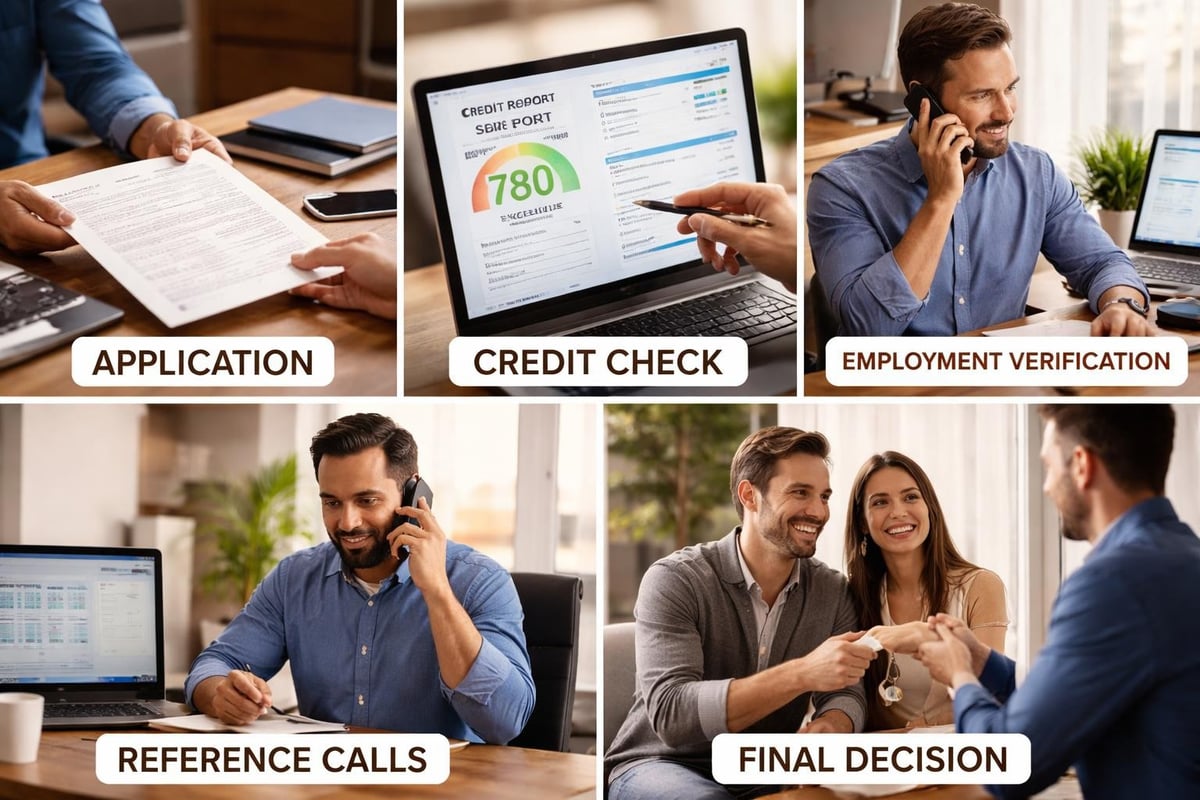
The tenant screening process represents your first line of defense against potential issues. A thorough screening procedure protects your investment while establishing a foundation for positive landlord-tenant relationships.
Essential screening elements include:
- Credit history analysis to assess financial responsibility
- Employment verification to confirm income stability
- Criminal background checks for safety considerations
- Previous landlord references to evaluate rental history
- Income-to-rent ratio verification (typically 3:1 minimum)
Property managers must balance thoroughness with efficiency during screening. The property management basics emphasize creating standardized criteria that comply with Fair Housing laws while protecting property owners from problematic tenants.
Financial Management and Reporting
Financial oversight stands as a critical responsibility in any guide property management framework. Property owners depend on accurate, timely financial information to make informed decisions about their investments.
| Financial Task | Frequency | Key Components |
|---|---|---|
| Rent Collection | Monthly | Payment processing, late fee assessment, follow-up |
| Owner Statements | Monthly | Income, expenses, net operating income |
| Budget Planning | Annually | Capital improvements, maintenance reserves, projections |
| Tax Documentation | Annually | 1099 forms, expense categorization, depreciation schedules |
The financial reporting services you implement should provide transparent, detailed insights into property performance. Modern property management requires digital accounting systems that track every transaction and generate comprehensive reports on demand.
Rent collection policies must be clearly communicated and consistently enforced. Establishing automated payment systems reduces late payments while creating convenience for tenants. When delinquencies occur, having predetermined escalation procedures ensures swift, professional resolution.
Maintenance and Property Care Strategies
Property maintenance encompasses both reactive repairs and proactive preservation strategies. A comprehensive approach to guide property management operations should prioritize preventive maintenance to minimize costly emergency repairs.
Preventive Maintenance Programs
Scheduled maintenance programs extend asset life and prevent minor issues from escalating into major problems. Creating detailed maintenance calendars ensures critical systems receive regular attention.
Quarterly maintenance tasks:
- HVAC filter replacement and system inspection
- Plumbing fixture checks for leaks and proper function
- Exterior drainage system clearing
- Smoke detector and carbon monoxide alarm testing
- Fire extinguisher inspection and replacement
Annual maintenance requirements:
- HVAC professional servicing and tune-ups
- Water heater flushing and inspection
- Roof inspection and minor repair completion
- Gutter cleaning and downspout verification
- Exterior paint touch-ups and weatherproofing
The property maintenance services you provide should include both scheduled preventive work and responsive emergency repairs. Maintaining relationships with licensed contractors ensures quality work at competitive rates.
Emergency Response Protocols
Emergency situations demand immediate attention and clear communication channels. Establishing 24/7 availability for genuine emergencies protects your properties while reassuring tenants.
Define what constitutes a true emergency versus a standard repair request. Genuine emergencies typically include flooding, gas leaks, electrical failures, heating system failures in winter, and security breaches. Everything else can wait for normal business hours.

Legal Compliance and Risk Management
Navigating the complex legal landscape represents one of the most challenging aspects of property management. Regulations vary by jurisdiction, making local expertise invaluable when developing systems to guide property management activities.
Fair Housing Compliance
Fair Housing laws protect tenants from discrimination based on race, color, national origin, religion, sex, familial status, and disability. Many states and localities add additional protected classes.
Compliance starts with standardized application processes that treat all applicants equally. Document every decision with objective criteria. Train all staff members on Fair Housing requirements and update procedures as laws evolve.
The comprehensive study guide from regulatory agencies provides detailed compliance frameworks that property managers should review regularly.
Lease Agreement Fundamentals
Lease agreements serve as the legal foundation for landlord-tenant relationships. Well-drafted leases protect both parties while clearly outlining expectations and responsibilities.
Critical lease components include:
- Rental amount and payment terms with specific due dates
- Security deposit amount and return conditions
- Maintenance responsibilities for both parties
- Pet policies with associated fees or restrictions
- Occupancy limits and guest policies
- Renewal and termination procedures
- Entry notification requirements
State and local laws often mandate specific lease provisions. Regular legal reviews ensure your documents remain compliant as regulations change.
Technology Integration for Operational Efficiency
Modern technology transforms how property managers guide property management operations. Digital tools automate routine tasks, improve communication, and provide valuable data insights.
Property Management Software Solutions
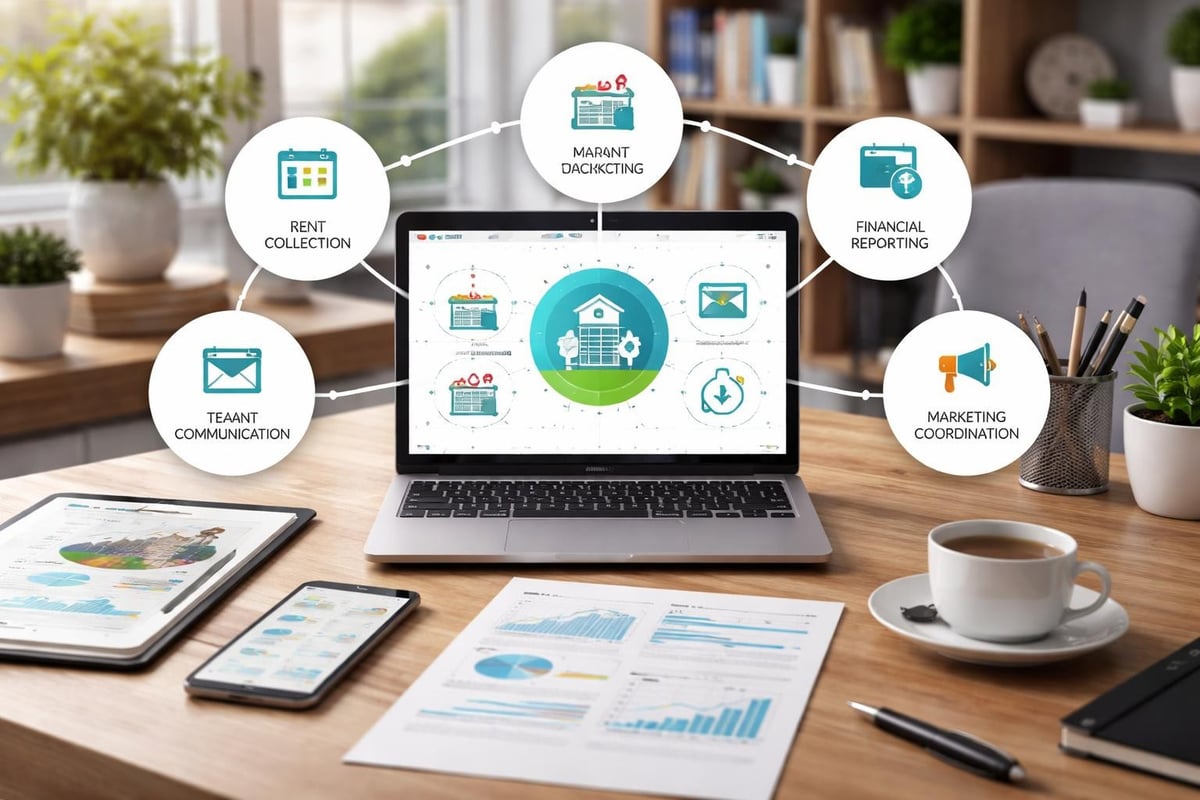
Comprehensive property management platforms centralize operations in a single system. These solutions typically include:
- Online rent collection with automated payment processing
- Maintenance request tracking and vendor coordination
- Digital lease signing and document storage
- Automated late payment notices and communication
- Financial reporting and accounting integration
- Tenant portals for self-service access
Implementing a renter portal improves tenant satisfaction by providing 24/7 access to account information, payment history, and maintenance request submission.
According to property management operations experts, technology adoption directly correlates with improved efficiency metrics and higher tenant retention rates.
Digital Marketing and Tenant Acquisition
Online marketing has fundamentally changed how properties attract qualified tenants. Professional photography, virtual tours, and strategic listing placement maximize exposure while targeting ideal tenant demographics.
| Marketing Channel | Response Time | Typical Conversion Rate |
|---|---|---|
| Listing Websites | 24-48 hours | 3-5% |
| Social Media | 1-3 days | 2-4% |
| Property Website | Variable | 5-8% |
| Referrals | Immediate | 15-25% |
The most effective marketing strategies combine multiple channels while maintaining consistent branding and messaging. High-quality photos and detailed property descriptions significantly impact inquiry volume and quality.
Building Strong Tenant Relationships
Tenant retention delivers substantial financial benefits compared to constant turnover. The cost to guide property management toward retention-focused strategies pays dividends through reduced vacancy periods and lower turnover expenses.
Communication Best Practices
Responsive, professional communication builds trust and satisfaction. Establish clear communication channels and response time expectations for different inquiry types.
Communication response standards:
- Emergency maintenance requests: Within 1 hour
- Routine maintenance requests: Within 24 hours
- General inquiries: Within 48 hours
- Lease renewal discussions: 90 days before expiration
Regular property newsletters or updates keep tenants informed about community news, maintenance schedules, and policy changes. Proactive communication prevents misunderstandings and demonstrates professional management.
Lease Renewal Strategies
Retaining quality tenants should be a priority in any comprehensive approach to guide property management success. Renewal conversations should begin well before lease expiration, giving both parties time to negotiate terms.
Consider modest rent increases that align with market rates rather than aggressive jumps that motivate tenants to relocate. The cost of turnover (vacancy, cleaning, repairs, marketing, screening) often exceeds the benefit of maximum rent increases.
Offering renewal incentives for long-term tenants can include minor upgrades, flexible lease terms, or locked-in rates. These gestures build loyalty while maintaining profitability.
Market Analysis and Strategic Planning
Understanding local market conditions allows property managers to make data-driven decisions about pricing, improvements, and investment strategies. Regular market analysis should inform your approach to guide property management decisions.
Competitive Rent Analysis
Pricing properties competitively requires ongoing market research. Analyze comparable properties within your market, considering:
- Location and neighborhood amenities
- Property size, condition, and features
- Included utilities or services
- Parking availability and type
- Pet policies and associated fees
Quarterly rent reviews ensure your pricing remains competitive while maximizing returns. Markets fluctuate based on seasonal demand, economic conditions, and local development.
For property owners in specific markets, exploring expert property management services with local expertise provides insights into neighborhood-specific trends and opportunities.
Capital Improvement Planning
Strategic improvements enhance property value and justify premium rents. Prioritize improvements with the highest return on investment while addressing deferred maintenance that could lead to larger problems.
High-impact improvements typically include:
- Kitchen and bathroom updates with modern fixtures
- Energy-efficient appliances and systems
- Flooring replacement with durable materials
- Enhanced curb appeal through landscaping
- Smart home technology integration
- Common area improvements for multi-family properties
Budget for capital improvements annually, setting aside a percentage of gross rental income for both planned upgrades and unexpected major repairs.
Professional Development and Industry Knowledge
The property management industry continuously evolves with changing regulations, market conditions, and best practices. Ongoing education ensures your ability to guide property management operations remains current and effective.
Professional certifications demonstrate expertise and commitment to industry standards. Organizations like the National Association of Residential Property Managers (NARPM) and the Institute of Real Estate Management (IREM) offer valuable training and networking opportunities.
Staying informed through industry resources and guides helps property managers anticipate changes and implement best practices before competitors.
Building a Reliable Vendor Network
Quality vendors represent essential partners in property management success. Developing relationships with reliable contractors ensures prompt, professional service at competitive rates.
Essential vendor categories include:
- Licensed plumbers for emergency and scheduled repairs
- HVAC technicians for system maintenance and replacement
- Electricians for safety and upgrade work
- General contractors for renovation projects
- Landscaping services for exterior maintenance
- Cleaning services for turnover preparation
Vet vendors thoroughly, verifying licenses, insurance, and references. Establish preferred vendor agreements that outline response times, pricing structures, and quality standards.
Scaling Operations and Portfolio Growth
As portfolios expand, systems that effectively guide property management must scale accordingly. What works for five properties may not suffice for fifty.
Standardization becomes increasingly important with growth. Develop documented procedures for every operational aspect, ensuring consistency regardless of which team member handles a task.
Consider when to hire additional staff or outsource specific functions. Common growth milestones include:
- 10-20 units: Part-time administrative support
- 20-50 units: Full-time assistant or coordinator
- 50-100 units: Specialized roles (maintenance coordinator, leasing specialist)
- 100+ units: Department structure with dedicated teams
The comprehensive services portfolio you offer should expand strategically to meet client needs while maintaining quality standards.
Measuring Performance and Continuous Improvement
Effective property management requires consistent performance measurement. Track key performance indicators (KPIs) that provide insights into operational efficiency and financial performance.
| Key Metric | Industry Benchmark | Measurement Frequency |
|---|---|---|
| Occupancy Rate | 95%+ | Monthly |
| Average Days to Lease | 30-45 days | Per turnover |
| Tenant Retention Rate | 60-70% | Annually |
| Maintenance Response Time | <24 hours | Monthly |
| Operating Expense Ratio | 35-45% | Quarterly |
Regular performance reviews identify improvement opportunities and validate successful strategies. Understanding what property management entails helps set realistic expectations and appropriate benchmarks.
Solicit feedback from property owners and tenants through surveys and regular communication. This input provides valuable perspectives on service quality and areas needing attention.
For those new to the field, property management for beginners resources offer foundational knowledge that supports skill development and operational excellence.
Successfully navigating the complexities of property management requires comprehensive knowledge, systematic processes, and unwavering attention to detail. By implementing the strategies outlined in this guide property management professionals can optimize operations, maximize returns, and build lasting value for property owners. With over four decades of experience managing nearly $1 billion in assets throughout the Greater New Orleans area, Coxe Property Management and Leasing delivers the expertise, personalized service, and proven systems that transform property ownership from a burden into a profitable, hassle-free investment.