

Rental ownership represents one of the most powerful wealth-building strategies available to investors in 2026. Whether you're considering your first investment property or expanding an existing portfolio, understanding the fundamentals of rental ownership can transform your financial future. The decision to become a rental property owner involves more than simply purchasing real estate-it requires careful consideration of ownership structures, tax implications, property management approaches, and long-term investment strategies. With the right foundation and professional support, rental ownership can provide substantial passive income, tax advantages, and appreciation potential that outpaces many traditional investment vehicles.
Understanding Rental Ownership Structures
The legal structure you choose for rental ownership directly impacts your liability exposure, tax obligations, and operational flexibility. Each structure offers distinct advantages and trade-offs that property investors must evaluate based on their specific circumstances and goals.
Sole Ownership and Its Implications
Sole ownership remains the simplest entry point for many first-time rental property investors. This straightforward approach allows individuals to purchase property in their own name, making financing easier through conventional mortgages and simplifying initial decision-making processes.
Key characteristics of sole ownership:
- Direct control over all property decisions
- Simplified tax reporting through Schedule E
- Personal liability for property-related claims
- Full responsibility for management and maintenance
The primary drawback involves unlimited personal liability. If a tenant or visitor sustains an injury on your rental property, your personal assets could be at risk. Many sole owners mitigate this concern through comprehensive landlord insurance policies, though this doesn't provide the same legal separation as entity-based structures.
Partnership Arrangements
Partnerships allow multiple investors to pool resources and share rental ownership responsibilities. Various rental property ownership structures provide different levels of liability protection and management authority, making it essential to formalize agreements before purchasing property together.
General partnerships split profits, losses, and decision-making authority among partners according to their ownership percentages. Limited partnerships introduce a hierarchy where general partners manage operations while limited partners contribute capital but maintain minimal involvement.
| Partnership Type | Liability | Management Control | Tax Treatment |
|---|---|---|---|
| General Partnership | Unlimited for all partners | Shared equally | Pass-through |
| Limited Partnership | Limited for LPs, unlimited for GPs | GPs only | Pass-through |
| Joint Venture | Project-specific | Defined by agreement | Pass-through |

Limited Liability Companies for Rental Properties
The LLC structure has become increasingly popular for rental ownership because it combines liability protection with tax flexibility. Property owners can establish a separate LLC for each rental property or group multiple properties under one entity, depending on their risk management philosophy.
LLCs shield personal assets from property-related lawsuits while maintaining pass-through taxation that avoids the double taxation corporations face. This structure also facilitates estate planning, as ownership interests transfer more easily than individually-held properties.
Administrative requirements include filing articles of organization, maintaining separate bank accounts, and adhering to your state's annual reporting obligations. Despite these added responsibilities, most property investors find the liability protection justifies the modest additional complexity.
Tax Advantages of Rental Ownership
The tax benefits associated with rental ownership significantly enhance returns compared to many alternative investments. Understanding and properly utilizing these advantages can substantially improve your property's cash flow and long-term profitability.
Depreciation and Its Impact
Depreciation allows rental property owners to deduct the property's cost (excluding land value) over 27.5 years for residential rentals. This non-cash deduction reduces taxable income while the property potentially appreciates in market value, creating a powerful wealth-building mechanism.
For a $300,000 rental property with $60,000 in land value, annual depreciation approximates $8,727 ($240,000 ÷ 27.5). This deduction can offset rental income, potentially creating paper losses that reduce overall tax liability even when the property generates positive cash flow.
Additional depreciable items include:
- Appliances and equipment (5-year schedule)
- Carpeting and flooring (5-year schedule)
- Furniture in furnished rentals (5-year schedule)
- Landscaping improvements (15-year schedule)
Expense Deductions
Rental ownership permits deductions for ordinary and necessary expenses incurred while operating investment properties. These deductions directly reduce taxable income, improving net returns on your investment.
Property management fees, maintenance costs, insurance premiums, property taxes, utilities (if owner-paid), advertising expenses, and legal fees all qualify as deductible expenses. Many property owners work with experienced firms that understand these nuances; exploring comprehensive property management services can help ensure you're maximizing legitimate deductions while maintaining proper documentation.
1031 Exchange Strategies
The 1031 exchange mechanism allows investors to defer capital gains taxes when selling one investment property and purchasing another. Strategic use of 1031 exchanges enables rental ownership portfolios to grow substantially faster than taxable transactions would permit.
Investors can leverage appreciation from initial properties to acquire larger or better-located assets without triggering immediate tax consequences. This strategy has helped countless rental property owners progress from single-family homes to multi-unit complexes, compounding their wealth through tax-deferred growth.
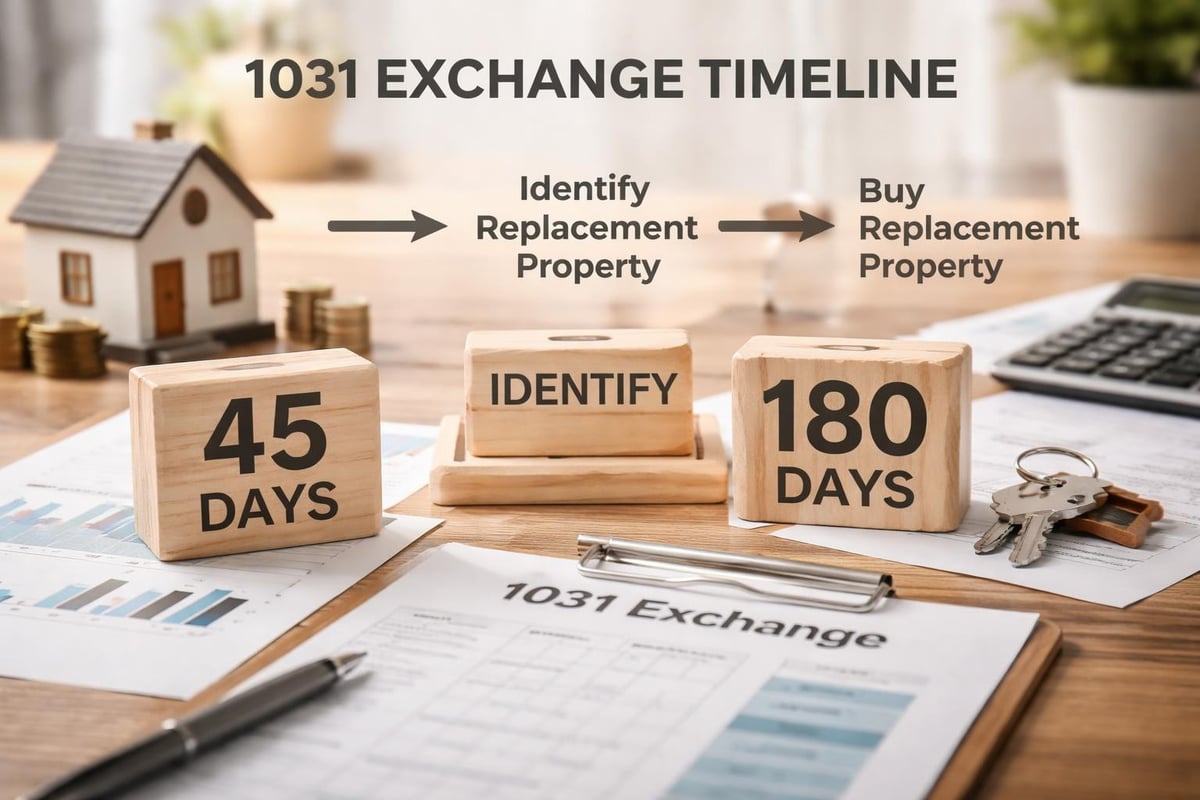
Strict timelines govern 1031 exchanges: investors must identify replacement properties within 45 days and complete the purchase within 180 days of selling the relinquished property. Working with qualified intermediaries ensures compliance with IRS regulations throughout the exchange process.
Property Management Considerations
Effective property management determines whether rental ownership becomes a profitable passive income source or a time-consuming burden. Understanding your options and choosing the right approach for your situation significantly impacts your investment experience.
Self-Management vs. Professional Management
Self-management appeals to hands-on investors who live near their properties and enjoy direct tenant interaction. This approach maximizes cash flow by eliminating management fees, typically ranging from 8-12% of monthly rent.
However, self-management requires significant time commitments for tenant screening, rent collection, maintenance coordination, and legal compliance. Property owners must remain available for emergencies and navigate complex landlord-tenant laws without professional guidance.
Professional property management companies handle all operational aspects of rental ownership. These firms bring expertise in property management fundamentals including tenant placement, maintenance networks, and regulatory compliance that individual owners may struggle to replicate.
Professional management delivers:
- Systematic tenant screening processes
- Efficient rent collection systems
- Established contractor relationships
- Legal compliance expertise
- After-hours emergency response
- Detailed financial reporting
Tenant Screening and Placement
Quality tenant placement represents the foundation of successful rental ownership. Rigorous screening prevents problems before they start, reducing turnover costs and protecting your property investment.
Comprehensive screening evaluates credit history, employment verification, rental history, and criminal background checks. Professional property managers apply consistent screening criteria that comply with Fair Housing laws while identifying tenants most likely to pay rent promptly and maintain the property properly.
The cost of poor tenant selection extends far beyond lost rent. Eviction processes consume thousands in legal fees, property damage often exceeds security deposits, and vacancy periods between problem tenants compound financial losses. Investing in thorough screening delivers substantial long-term returns.
Investment Strategies for Rental Ownership
Different rental ownership strategies serve various investment objectives and risk tolerances. Matching your approach to your financial goals and resources optimizes results and ensures sustainable growth.
Buy and Hold Strategy
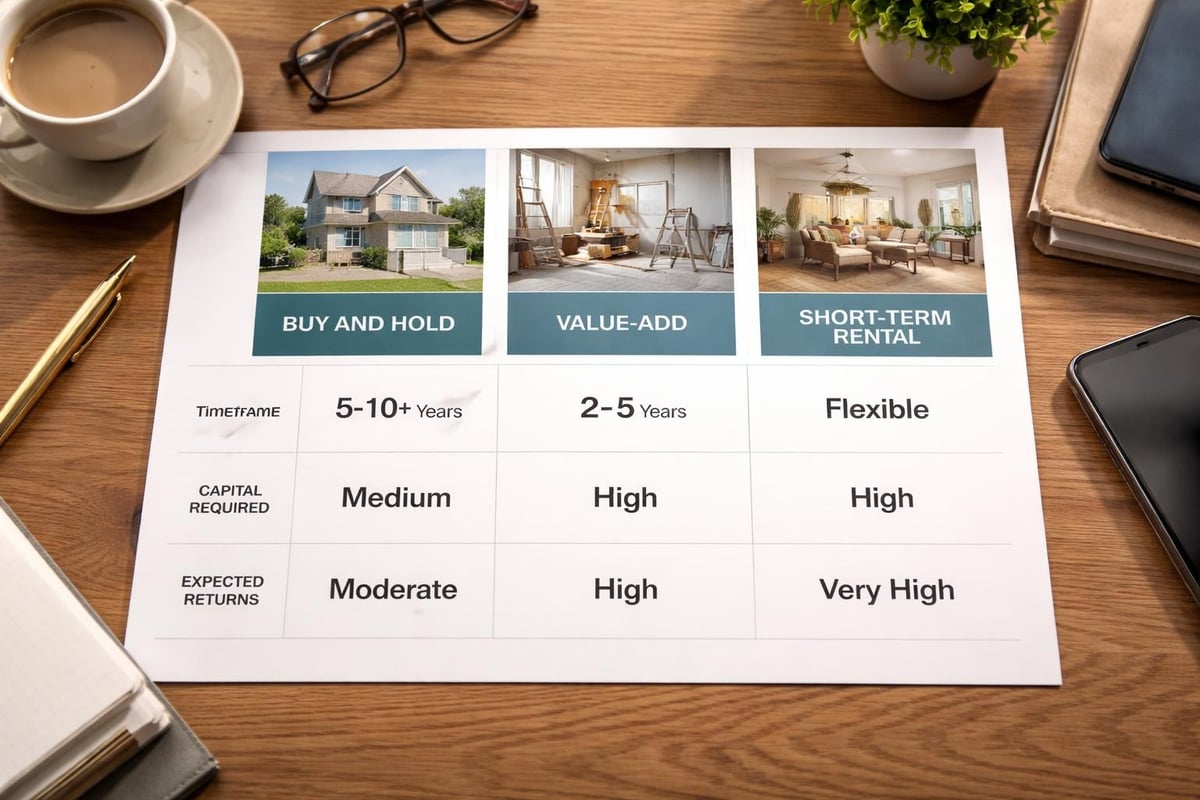
The buy-and-hold approach focuses on acquiring quality properties in appreciating markets and maintaining long-term ownership. This patient strategy allows investors to benefit from rental income, mortgage paydown, tax advantages, and property appreciation simultaneously.
Markets like Greater New Orleans offer strong fundamentals for buy-and-hold investors, combining tourism-driven rental demand with steady population growth and infrastructure development. Properties in established neighborhoods typically appreciate reliably while generating consistent rental income.
This strategy requires financial reserves for maintenance, vacancies, and unexpected repairs. Why property investing builds superior wealth becomes evident as rental ownership compounds benefits over decades rather than months.
Value-Add Opportunities
Value-add rental ownership involves acquiring underperforming properties, implementing improvements, and increasing rental rates to market levels. This active strategy accelerates returns through forced appreciation rather than relying solely on market conditions.
Common value-add tactics include cosmetic renovations, improved property management, expense reduction, and amenity additions. A property generating $1,200 monthly rent that increases to $1,500 after $15,000 in improvements creates immediate equity while improving ongoing cash flow.
- Identify properties with deferred maintenance or poor management
- Calculate improvement costs and potential rent increases
- Secure appropriate financing for purchase and renovations
- Execute improvements efficiently to minimize vacancy
- Implement professional management to sustain higher rents
Short-Term Rental Considerations
Short-term rental ownership through platforms like Airbnb and VRBO can generate substantially higher income than traditional long-term leases in tourist destinations. However, this approach requires more intensive management and faces evolving regulatory landscapes.
Properties suited for short-term rentals should emphasize functionality and durability. Designing for rental income requires different considerations than primary residences, prioritizing easy maintenance and guest appeal over personal preferences.
Local regulations increasingly restrict short-term rental ownership through licensing requirements, occupancy limits, and zoning restrictions. Understanding these rules before purchasing prevents costly compliance issues that could undermine your investment strategy.
Financing Rental Ownership
Access to favorable financing terms significantly impacts rental ownership profitability. Understanding available loan products and qualification criteria helps investors structure acquisitions that maximize returns while managing risk appropriately.
Conventional Investment Property Loans
Conventional mortgages for rental properties typically require larger down payments than owner-occupied homes, usually 20-25% of the purchase price. Lenders impose stricter qualification standards, evaluating both personal income and projected rental income when determining loan eligibility.
Interest rates on investment property loans generally run 0.5-0.75% higher than primary residence rates. Despite this premium, leverage remains one of rental ownership's most powerful wealth-building tools, allowing investors to control appreciating assets while tenants fund mortgage payments.
| Loan Type | Down Payment | Interest Rate Premium | Qualification Criteria |
|---|---|---|---|
| Conventional | 20-25% | +0.5-0.75% | Income + projected rents |
| Portfolio Lender | 25-30% | +0.75-1.5% | Flexible, relationship-based |
| Commercial | 25-35% | Variable | Property income focus |
Creative Financing Approaches
Experienced rental property investors employ various creative financing strategies to acquire properties with minimal cash outlay or conventional qualification hurdles. Seller financing allows buyers to make payments directly to sellers rather than traditional lenders, often with more flexible terms.
Private money lenders and partnerships can fund acquisitions when conventional financing proves unavailable or undesirable. Some investors even explore leveraging retirement accounts for rental ownership through specialized structures, though these approaches require careful navigation of tax rules.
Cash Flow Analysis
Successful rental ownership requires rigorous financial analysis before acquisition. Simply comparing monthly rent to mortgage payments overlooks crucial expenses that determine actual profitability.
Complete cash flow calculations include:
- Mortgage principal and interest
- Property taxes and insurance
- Property management fees (even if self-managing initially)
- Maintenance reserves (typically 1% of property value annually)
- Vacancy allowance (5-10% depending on market)
- Capital expenditure reserves for major replacements
- HOA fees if applicable
Properties generating positive cash flow after all expenses provide financial resilience during market downturns and unexpected repairs. Conservative underwriting using realistic expense assumptions prevents overextending your portfolio and positions rental ownership as a sustainable long-term strategy.
Market Selection and Property Analysis
Location fundamentally determines rental ownership success. Properties in strong markets appreciate reliably while attracting quality tenants willing to pay premium rents. Thorough market analysis before purchasing prevents costly mistakes that undermine investment returns.
Evaluating Market Fundamentals
Strong rental markets exhibit consistent job growth, population increases, limited new construction, and diverse economic bases. Markets overly dependent on single industries face higher volatility when economic conditions shift.
Greater New Orleans demonstrates compelling fundamentals for rental ownership, combining a robust tourism sector with healthcare, education, and energy industries. This economic diversity creates stable rental demand across market cycles, while geographic constraints limit new supply in desirable neighborhoods.
Infrastructure improvements, development projects, and neighborhood trends signal appreciation potential. Properties positioned near upcoming improvements often deliver superior returns as these catalysts enhance desirability and drive rent growth.
Property-Level Analysis
Beyond market selection, individual property characteristics determine rental ownership success. Properties requiring extensive deferred maintenance may seem affordable but consume profits through ongoing repairs and limit tenant quality.
Age, condition, layout, and location within the broader market all impact rental appeal. Three-bedroom, two-bathroom floor plans typically attract the broadest tenant pool, though specific market demands vary. Properties near employment centers, quality schools, and amenities command premium rents with lower vacancy rates.
Rental comps establish realistic income expectations. Comparable recently-leased properties provide evidence-based rent estimates that prevent overpaying based on optimistic assumptions. Working with knowledgeable local professionals helps investors access accurate market data and avoid emotional decision-making.
Legal and Regulatory Compliance
Rental ownership involves complex legal obligations that vary by jurisdiction. Understanding and adhering to landlord-tenant laws protects your investment while preventing costly disputes and penalties that erode returns.
Fair Housing Compliance
Federal Fair Housing laws prohibit discrimination based on race, color, national origin, religion, sex, familial status, and disability. Many states and localities add protected classes including sexual orientation, gender identity, and source of income.
Consistent application of objective screening criteria to all applicants demonstrates compliance and reduces legal risk. Written policies documenting tenant selection processes provide evidence of non-discriminatory practices if questions arise.
Security Deposit Regulations
States impose varying requirements regarding security deposit limits, storage, interest payments, and return timelines. Some jurisdictions cap deposits at one or two months' rent, while others allow greater amounts.
Detailed move-in and move-out inspections with photographic documentation protect both landlords and tenants. Itemized deduction statements submitted within statutory deadlines prevent disputes and demonstrate professional rental ownership practices.
Habitability Standards
Landlords must maintain properties in habitable condition, providing functional heating, plumbing, electrical systems, and structural integrity. Failure to address habitability issues can justify rent withholding, constructive eviction claims, or code enforcement penalties.
Responsive maintenance systems prevent minor issues from escalating into major problems while demonstrating good faith efforts to maintain properties properly. Professional property management firms maintain contractor networks capable of addressing issues promptly, preserving tenant relationships and legal compliance simultaneously.
Building a Sustainable Portfolio
Long-term rental ownership success requires strategic portfolio development rather than haphazard acquisition. Intentional growth aligned with financial capacity and risk tolerance creates sustainable wealth while preventing overextension.
Portfolio Diversification
Diversification across property types, price points, and neighborhoods reduces concentration risk. Economic shifts affecting one market segment may not impact others, stabilizing overall portfolio performance during downturns.
Some investors diversify geographically, though this approach complicates management for those without professional property management support. Others diversify by property type, combining single-family homes, small multifamily properties, and perhaps commercial space as portfolios mature.
Scaling Strategically
Successful rental ownership portfolios grow methodically rather than aggressively. Acquiring properties only when financing terms, market conditions, and personal capacity align prevents forced sales during unfavorable markets.
Building reserves equivalent to six months of expenses across your portfolio provides cushion for unexpected vacancies, repairs, or economic disruptions. This financial resilience allows you to weather challenging periods without compromising your investment strategy.
Professional Partnership Benefits
As portfolios expand beyond a few properties, professional management becomes increasingly valuable. The time demands of managing multiple properties often exceed the management fees, particularly when considering opportunity costs and stress reduction.
Established property management companies bring economies of scale, professional systems, and legal expertise that individual owners struggle to replicate. When evaluating potential partners, experience, local market knowledge, and transparent communication should guide selection decisions.
Successful rental ownership combines strategic planning, thorough market analysis, and professional management to create sustainable long-term wealth. Whether you're acquiring your first investment property or expanding an existing portfolio, partnering with experienced professionals maximizes returns while minimizing stress. With over 40 years of experience managing nearly $1 billion in assets throughout Greater New Orleans, Coxe Property Management and Leasing provides the expertise and personalized service property owners need to achieve their investment goals. Let our proven systems handle the day-to-day complexities while you enjoy the financial benefits of rental ownership.