

Property ownership represents a significant financial investment, but managing tenants effectively requires expertise, time, and resources that many owners simply don't possess. Professional tenant management services transform rental property operations by handling every aspect of the tenant lifecycle, from initial screening through lease renewals and everything in between. For property owners in competitive markets like the Greater New Orleans area, partnering with experienced professionals ensures both profitability and peace of mind while maintaining positive tenant relationships that drive long-term success.
Understanding Tenant Management Services
Tenant management services encompass a comprehensive suite of solutions designed to handle all interactions and processes involving renters. These services go far beyond simple rent collection, addressing the complex responsibilities that property owners face in 2026's evolving rental market.
Professional management involves sophisticated screening processes, proactive maintenance coordination, financial reporting, legal compliance, and strategic communication. When executed properly, these services protect property values, minimize vacancy periods, and create sustainable revenue streams. The difference between amateur management and professional tenant management services often determines whether a property becomes a profitable asset or a constant source of stress.
Core Components of Professional Management
The foundation of effective tenant management services rests on several critical pillars that work together seamlessly. Each component plays a vital role in maintaining property value and ensuring positive tenant experiences.
Essential service elements include:
- Comprehensive tenant screening and selection processes
- Detailed lease agreement preparation and execution
- Systematic rent collection and payment processing
- Coordinated maintenance request handling and resolution
- Regular property inspections and condition assessments
- Financial reporting and accounting services
- Legal compliance monitoring and enforcement
- Tenant communication and relationship management
Understanding what property management truly encompasses helps property owners appreciate the complexity involved in professional tenant oversight. The integration of these services creates operational efficiency that individual landlords struggle to replicate independently.

Tenant Screening and Selection Excellence
The tenant selection process represents the most critical decision point in rental property management. Professional tenant management services employ rigorous screening methodologies that significantly reduce risk while ensuring fair housing compliance.
Advanced screening in 2026 incorporates multiple verification layers that assess applicant reliability. Credit history analysis, employment verification, rental history investigation, and criminal background checks form the foundation of thorough evaluation. However, modern screening extends beyond basic checks to include income-to-rent ratios, eviction history searches, and even social media behavioral analysis in some markets.
| Screening Component | Purpose | Risk Reduction |
|---|---|---|
| Credit Analysis | Financial responsibility assessment | High |
| Employment Verification | Income stability confirmation | High |
| Rental History | Previous tenant behavior evaluation | Very High |
| Criminal Background | Safety and liability assessment | Medium |
| Eviction Records | Legal history verification | Very High |
Professional tenant screening services ensure compliance with fair housing regulations while identifying qualified applicants who will treat properties respectfully and pay rent consistently. The legal landscape surrounding tenant selection requires expertise that most individual landlords lack, making professional guidance invaluable for avoiding discrimination claims and legal complications.
Application Processing and Documentation
Streamlined application processing separates professional operations from amateur management. Digital application systems accelerate the screening timeline while maintaining thorough documentation standards. Modern tenant management services utilize cloud-based platforms that allow applicants to submit information securely while enabling real-time verification.
Proper documentation protects both property owners and tenants by establishing clear expectations from the outset. Detailed lease agreements, property condition reports, and move-in checklists create accountability frameworks that prevent disputes. When conflicts arise, comprehensive documentation proves essential for resolution and potential legal proceedings.
Rent Collection and Financial Management
Consistent cash flow represents the primary objective of rental property ownership, and professional tenant management services excel at optimizing collection processes. Modern systems combine convenience with accountability, making timely payment the path of least resistance for tenants.
Effective collection strategies include:
- Multiple payment channel options (ACH, credit card, online portals)
- Automated payment reminders and scheduling systems
- Clear late payment policies with consistent enforcement
- Grace periods balanced with prompt late fee assessment
- Escalation procedures for delinquent accounts
Financial transparency builds trust between property owners and management companies. Monthly reporting should detail all income, expenses, and account balances with supporting documentation readily accessible. Professional tenant management services maintain meticulous records that simplify tax preparation while providing real-time insights into property performance.
The integration of property management software transforms financial operations in 2026. These platforms automate routine tasks, reduce human error, and provide comprehensive audit trails that satisfy both internal oversight and external compliance requirements. According to strategies for successful tenant management, utilizing technology like online payment systems significantly enhances efficiency and tenant convenience.
Maintenance Coordination and Property Care
Property maintenance represents one of the most time-intensive aspects of rental management, yet it's absolutely critical for tenant satisfaction and property value preservation. Professional tenant management services coordinate all maintenance activities, from routine preventive tasks to emergency repairs requiring immediate attention.

Proactive maintenance programs prevent minor issues from escalating into expensive problems. Regular inspections identify developing concerns before they impact tenant comfort or property integrity. Seasonal maintenance schedules ensure HVAC systems, plumbing, roofing, and other critical components receive appropriate attention throughout the year.
Emergency Response Protocols
Tenant emergencies require immediate professional response regardless of timing. Water leaks, electrical failures, heating system breakdowns during winter, and security concerns demand 24/7 availability that individual landlords find challenging to maintain consistently.
Professional tenant management services establish vendor networks that provide rapid response capabilities. Pre-negotiated pricing arrangements ensure fair costs while eliminating the need for emergency price negotiations during crises. This infrastructure protects both property values and tenant relationships during stressful situations.
Quality property maintenance services extend property lifespan while maintaining tenant satisfaction levels that drive retention. Research from property management experts indicates that effective maintenance and proactive communication significantly improve tenant satisfaction and reduce turnover costs.
Communication and Relationship Management
Strong tenant relationships form the foundation of successful long-term property management. Professional tenant management services prioritize clear, consistent, and respectful communication that builds trust while maintaining appropriate professional boundaries.
Modern communication strategies leverage multiple channels to accommodate tenant preferences. Email, text messaging, online portals, and traditional phone calls all play roles in comprehensive communication programs. The key lies in responsiveness-acknowledging inquiries promptly even when immediate resolution isn't possible demonstrates respect for tenant concerns.
Transparency builds confidence in management capabilities. Regular updates about property improvements, policy changes, or community initiatives keep tenants informed and engaged. When challenges arise, honest communication about timelines and expectations prevents frustration and maintains positive relationships. According to tenant communication best practices, establishing open channels and providing regular updates builds trust and enhances satisfaction.
Conflict Resolution and Problem Solving
Despite best efforts, conflicts inevitably arise in rental relationships. Professional tenant management services bring objective third-party perspective to disputes, often de-escalating situations that might deteriorate when owners manage properties independently.
Effective conflict resolution strategies:
- Active listening to understand tenant concerns completely
- Documenting all interactions and agreements thoroughly
- Seeking win-win solutions when possible
- Enforcing lease terms consistently and fairly
- Knowing when legal intervention becomes necessary
Property managers experienced in tenant relations recognize patterns that signal developing problems. Early intervention often prevents minor disagreements from becoming major disputes requiring legal resolution. This expertise protects property owners from costly litigation while maintaining tenant satisfaction levels.
Legal Compliance and Risk Management
The legal framework governing landlord-tenant relationships grows increasingly complex each year. Tenant management services provide essential expertise in navigating federal fair housing laws, state landlord-tenant statutes, local ordinances, and evolving safety regulations.
Compliance failures expose property owners to significant financial and legal risks. Discrimination claims, habitability violations, security deposit disputes, and improper eviction procedures can result in substantial penalties, legal fees, and reputation damage. Professional management companies maintain current knowledge of regulatory requirements and implement systems ensuring consistent compliance.
| Compliance Area | Key Requirements | Consequences of Violation |
|---|---|---|
| Fair Housing | Non-discriminatory practices | Fines, lawsuits, reputation damage |
| Habitability | Safe, functional living conditions | Rent withholding, repair obligations |
| Security Deposits | Proper handling and documentation | Double or triple damages in many states |
| Lease Terms | Legal enforceability | Contract nullification, legal costs |
Understanding legal considerations before renting properties helps property owners appreciate the complexity professional managers navigate daily. From lead paint disclosure requirements to carbon monoxide detector installation mandates, compliance demands constant attention that diverts focus from strategic property management.
Eviction Management
When tenant relationships deteriorate beyond repair, proper eviction procedures become necessary. This process requires precise legal compliance-procedural errors can invalidate evictions, extending problematic tenancies while accumulating legal costs.
Professional tenant management services handle evictions according to jurisdiction-specific requirements. Proper notice delivery, accurate documentation, court filing procedures, and judgment enforcement all demand expertise that protects property owners from technical mistakes that delay resolution.
Tenant Retention Strategies
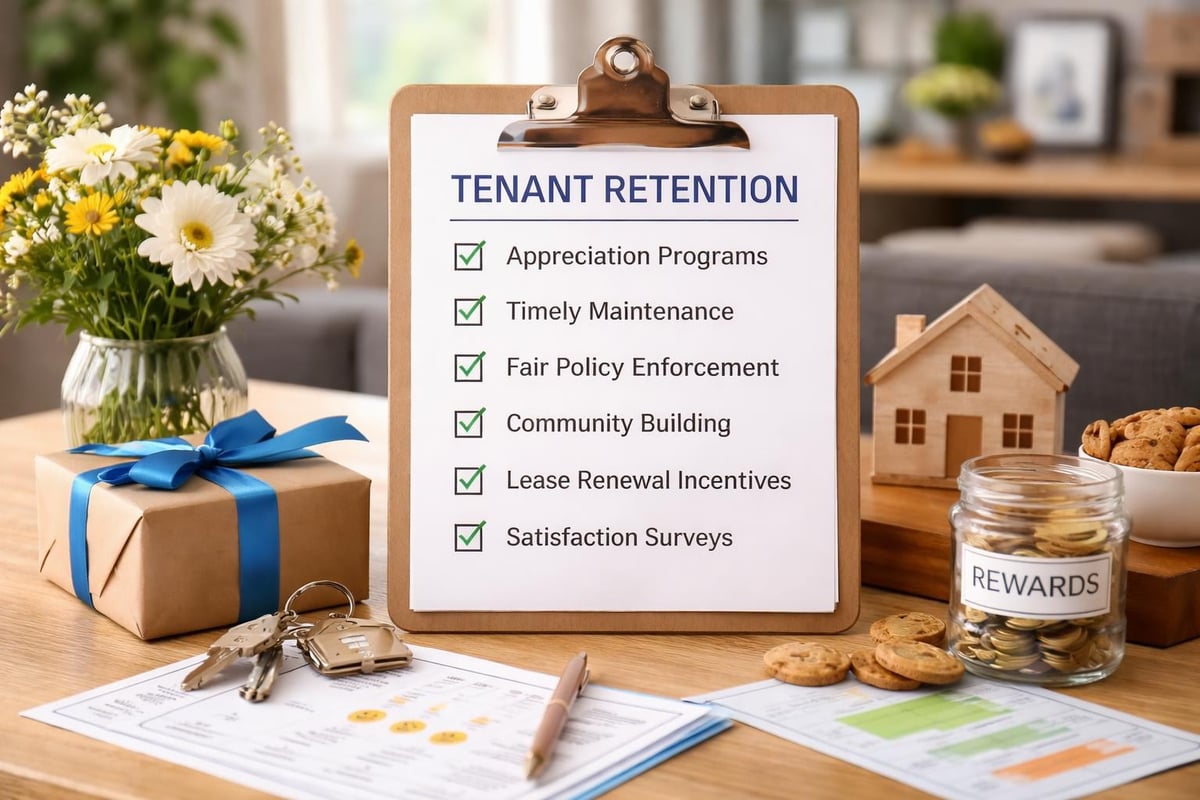
Acquiring new tenants costs significantly more than retaining existing ones. Turnover expenses include marketing costs, vacancy periods, cleaning and repairs, and administrative processing time. Professional tenant management services implement retention strategies that maximize occupancy stability while maintaining profitability.
Tenant appreciation programs demonstrate recognition of good tenancy. Small gestures-holiday cards, maintenance priority status for long-term residents, or minor upgrades-build goodwill that encourages lease renewals. These investments typically cost less than single-month vacancy periods.
Fair and consistent policy enforcement creates predictable environments where tenants feel secure. When rules apply equally to all residents, trust develops in management integrity. This consistency extends to rent increases, which should align with market rates while considering tenant retention value. Experts emphasize that appreciation, fairness, and consistent policy enforcement significantly enhance tenant satisfaction and retention.
Renewal Process Optimization
Lease renewal timing requires strategic planning. Contacting tenants 90-120 days before expiration provides adequate notice while allowing negotiation time. Professional tenant management services analyze market conditions, property performance, and tenant payment history to determine optimal renewal terms.
Renewal incentives can include minor rent concessions, property improvements, or extended lease terms with rate guarantees. These strategies balance immediate revenue with long-term stability, often producing superior financial outcomes compared to aggressive rent increases that trigger turnover.
Technology Integration in Tenant Management
Modern tenant management services leverage technology platforms that transform operational efficiency and tenant experience. Cloud-based property management software centralizes information, automates routine tasks, and provides real-time access to critical data.
Technology benefits include:
- Online rent payment processing with automated reminders
- Digital maintenance request submission and tracking
- Electronic document storage and lease signing
- Automated financial reporting and owner portals
- Communication management and message tracking
- Tenant screening integration with background check services
Mobile applications extend convenience further, allowing tenants to manage accounts, submit requests, and communicate with management from smartphones. This accessibility aligns with tenant expectations in 2026, where digital convenience influences satisfaction ratings and renewal decisions.
Data analytics capabilities built into modern platforms provide insights previously unavailable to property managers. Occupancy trends, maintenance cost patterns, and payment behavior analysis inform strategic decisions that optimize property performance. According to property management efficiency tips, utilizing technology to streamline operations while building strong tenant relationships creates competitive advantages.
Measuring Performance and Success
Effective tenant management services establish clear performance metrics that demonstrate value to property owners. These measurements extend beyond simple occupancy rates to encompass comprehensive property performance indicators.
Key performance metrics include:
- Average vacancy duration and turnover rates
- On-time rent collection percentages
- Maintenance response times and completion rates
- Tenant satisfaction scores and renewal percentages
- Property condition maintenance and value preservation
- Operating expense ratios and net operating income
- Legal compliance audit results
Regular reporting transforms these metrics into actionable insights. Monthly financial statements, quarterly performance reviews, and annual strategic assessments keep property owners informed while identifying improvement opportunities. Transparency in performance measurement builds confidence in management capabilities.
Benchmarking against market standards provides context for evaluating results. Professional tenant management services understand local market dynamics and can position individual property performance within broader competitive landscapes. This perspective helps owners make informed decisions about property improvements, pricing strategies, and long-term investment plans.
Scaling Property Portfolios
As property portfolios grow, management complexity increases exponentially. Professional tenant management services provide scalable infrastructure that maintains quality standards across multiple properties and unit types.
Centralized management systems ensure consistent policies, procedures, and tenant experiences regardless of property location or size. This consistency builds brand recognition among tenants while simplifying operational oversight for property owners managing diverse portfolios.
Portfolio-level analytics reveal patterns invisible at individual property levels. Maintenance cost comparisons identify properties requiring capital improvements or operational adjustments. Vacancy pattern analysis highlights marketing opportunities or pricing corrections. Financial performance aggregation simplifies tax planning and investment strategy development.
Professional expertise becomes increasingly valuable as portfolios expand beyond owner capacity for direct involvement. Delegation to experienced tenant management services allows property owners to focus on acquisition strategies, financing optimization, and portfolio-level decision making rather than daily operational details. Resources like enhancing tenant experience best practices demonstrate how professional management creates systems that scale effectively while maintaining quality.
Professional tenant management services transform rental property ownership from time-consuming obligation into streamlined investment. The combination of rigorous screening, proactive maintenance, financial expertise, and relationship management creates sustainable operations that maximize returns while minimizing stress. For property owners in the Greater New Orleans area seeking experienced partners who understand local market dynamics and regulatory requirements, Coxe Property Management and Leasing delivers personalized solutions backed by over 40 years of proven expertise managing nearly $1 billion in assets.