

Managing rental properties requires a strategic blend of business acumen, legal knowledge, and interpersonal skills. Whether you own a single-family home or multiple units, effective home rental property management can mean the difference between profitable investments and costly headaches. Property owners in markets like Greater New Orleans face unique challenges, from historic preservation requirements to flood zone considerations, making professional expertise invaluable. Understanding the core components of successful property management helps landlords make informed decisions about whether to self-manage or partner with experienced professionals.
Essential Components of Home Rental Property Management
Home rental property management encompasses multiple critical functions that work together to protect your investment and maximize returns. Each component requires dedicated attention and expertise to execute properly.
Tenant Screening and Placement
The foundation of successful property management begins with placing quality tenants. Rigorous tenant screening protects your property and ensures consistent cash flow. Professional tenant screening services evaluate applicants through multiple lenses:
- Credit history and financial stability
- Employment verification and income documentation
- Rental history with previous landlords
- Criminal background checks
- Eviction records
Property managers typically use a standardized scoring system to evaluate applications objectively while maintaining compliance with fair housing laws. The screening process should balance thoroughness with efficiency, typically taking 24-48 hours for complete results.
Documentation requirements vary by market but generally include pay stubs, tax returns, references, and government-issued identification. Setting clear qualification standards before marketing your property streamlines the selection process and reduces discrimination risks.

Rent Collection and Financial Management
Consistent rent collection forms the backbone of home rental property management profitability. Modern property management leverages technology to streamline rent collection while maintaining flexibility for tenants.
| Collection Method | Processing Time | Convenience | Cost |
|---|---|---|---|
| Online Portal | Instant | High | Low |
| ACH Transfer | 1-3 days | High | Low |
| Credit/Debit Card | Instant | Medium | Medium |
| Check | 3-5 days | Low | Low |
| Money Order | Instant | Low | Low |
Establishing clear payment policies prevents confusion and late payments. Your lease should specify due dates, grace periods, late fees, and accepted payment methods. Many successful property managers implement automatic payment systems through online portals, reducing late payments by 60-70%.
Financial reporting provides transparency and helps owners track performance. Monthly statements should detail income, expenses, maintenance costs, and year-to-date comparisons. Professional financial reporting services offer sophisticated analytics that identify trends and optimization opportunities.
Property Maintenance and Preservation
Maintaining property condition protects your investment value while keeping tenants satisfied. Effective home rental property management balances proactive maintenance with responsive repairs.
Preventive Maintenance Programs
Scheduled maintenance prevents costly emergency repairs and extends asset lifespan. A comprehensive preventive maintenance schedule addresses systems before they fail:
- HVAC systems: Filter changes monthly, professional servicing twice annually
- Plumbing: Annual inspections, water heater flushing, drain cleaning
- Electrical: Testing outlets, inspecting panels, replacing aging components
- Exterior: Roof inspections, gutter cleaning, foundation monitoring
- Landscaping: Regular mowing, seasonal plantings, irrigation maintenance
Greater New Orleans properties face specific challenges including humidity control, termite prevention, and drainage management. Property maintenance services familiar with regional considerations protect against climate-related damage.
Record-keeping for maintenance activities demonstrates due diligence and helps predict future needs. Digital maintenance logs track service dates, vendor information, costs, and warranty details for each system and appliance.
Emergency Response Protocols
Despite preventive efforts, emergencies occur. Having 24/7 emergency protocols distinguishes professional home rental property management from amateur approaches. Establish relationships with licensed contractors across multiple trades before emergencies arise.
Emergency response should prioritize tenant safety, property protection, and clear communication. Tenants need straightforward instructions for reporting emergencies versus routine maintenance requests. Many property managers use tiered systems categorizing issues by urgency.
Legal Compliance and Risk Management
Navigating rental property regulations protects owners from costly legal disputes and penalties. Legal considerations before renting out a house span federal, state, and local requirements.
Fair Housing and Anti-Discrimination Laws
Federal fair housing laws prohibit discrimination based on race, color, national origin, religion, sex, familial status, and disability. Many states and municipalities add protected classes including sexual orientation, gender identity, and source of income.
Compliance strategies include:
- Standardized application processes for all applicants
- Objective qualification criteria established before marketing
- Consistent communication and documentation
- Regular fair housing training for staff
- Reasonable accommodation policies for disabled tenants
Violations carry severe penalties including fines, damages, and legal fees. Property managers must stay current with key legal considerations for property managers as laws evolve.
Lease Agreements and Documentation
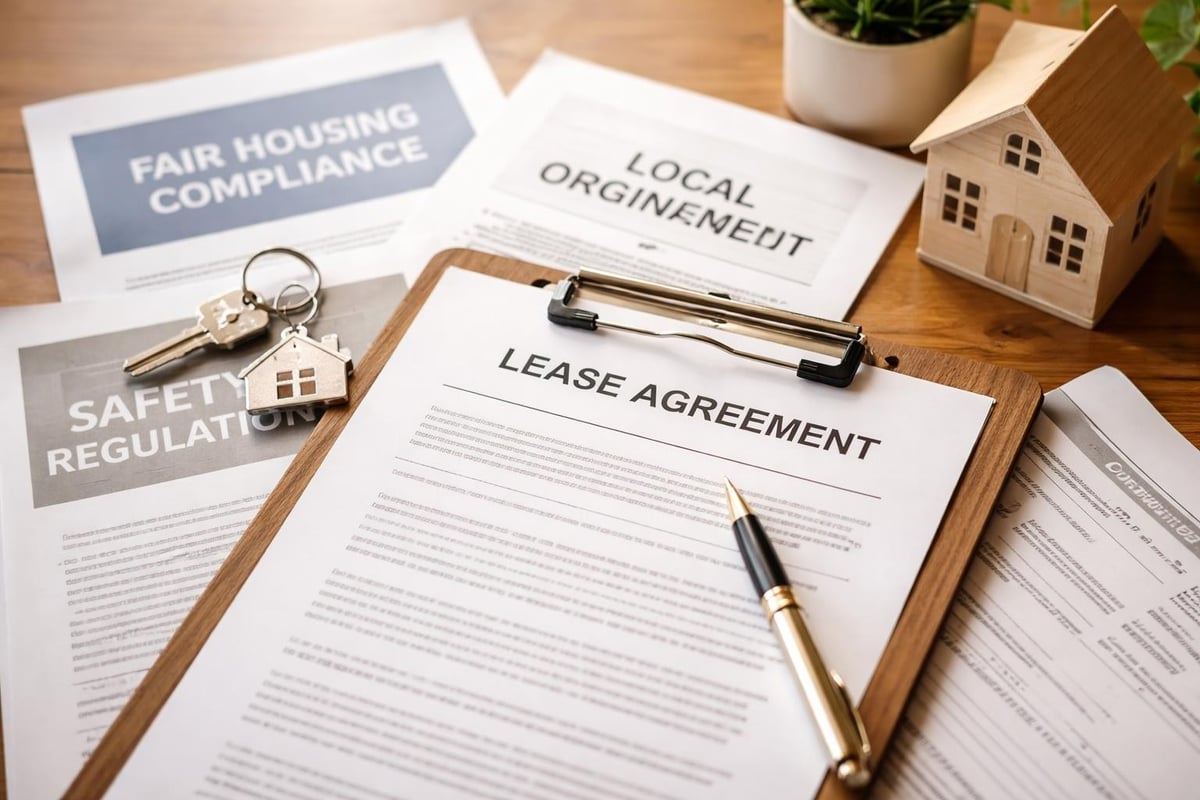
Comprehensive lease agreements establish clear expectations and legal protections. Well-drafted leases address:
- Rent amount, due date, and payment methods
- Security deposit terms and conditions
- Maintenance responsibilities for owner versus tenant
- Property use restrictions and occupancy limits
- Pet policies and associated fees
- Renewal and termination procedures
Louisiana law provides specific requirements for security deposits, notice periods, and eviction procedures. Working with experienced professionals ensures your agreements comply with current regulations while protecting your interests. The rental management guide from Zillow offers comprehensive information on creating compliant lease agreements.
Marketing and Property Positioning
Minimizing vacancy periods maximizes return on investment. Strategic property marketing attracts quality tenants quickly.
Digital Marketing Strategies
Modern home rental property management leverages multiple online platforms to reach prospective tenants:
- Listing syndication: Distributing properties across major rental sites
- Professional photography: High-quality images showcasing property features
- Virtual tours: 360-degree views and video walkthroughs
- Social media: Targeted advertising on Facebook, Instagram
- SEO optimization: Keyword-rich descriptions improving search visibility
Properties with professional photos rent 32% faster and command higher rents than those with amateur images. Detailed descriptions highlighting unique features, neighborhood amenities, and recent upgrades attract qualified applicants.
Pricing strategy balances competitive positioning with profit goals. Comparative market analysis examines similar properties, recent rental rates, seasonal trends, and local market conditions. Overpricing extends vacancy periods while underpricing leaves money on the table.
Showings and Conversion
Efficient showing processes convert interested prospects into signed leases. Options include:
- Scheduled private showings with property manager
- Open house events for multiple prospects
- Self-showing systems with smart locks
- Virtual showing via video chat
Each approach has advantages depending on property type, location, and market conditions. Professional home rental property management services coordinate showings while screening prospects, saving owners time and ensuring security.
Tenant Relations and Communication
Strong tenant relationships reduce turnover, encourage timely payments, and minimize conflicts. Property management tips for landlords emphasize communication as a cornerstone of success.
Communication Systems
Establishing clear communication channels sets expectations and prevents misunderstandings. Modern property management uses multiple channels:
| Communication Method | Best For | Response Time |
|---|---|---|
| Online Portal | Rent payments, documents | 24 hours |
| Non-urgent requests | 24-48 hours | |
| Phone | Urgent issues | Immediate |
| Text Message | Appointment confirmations | Hours |
| Emergency Hotline | Critical situations | Immediate |
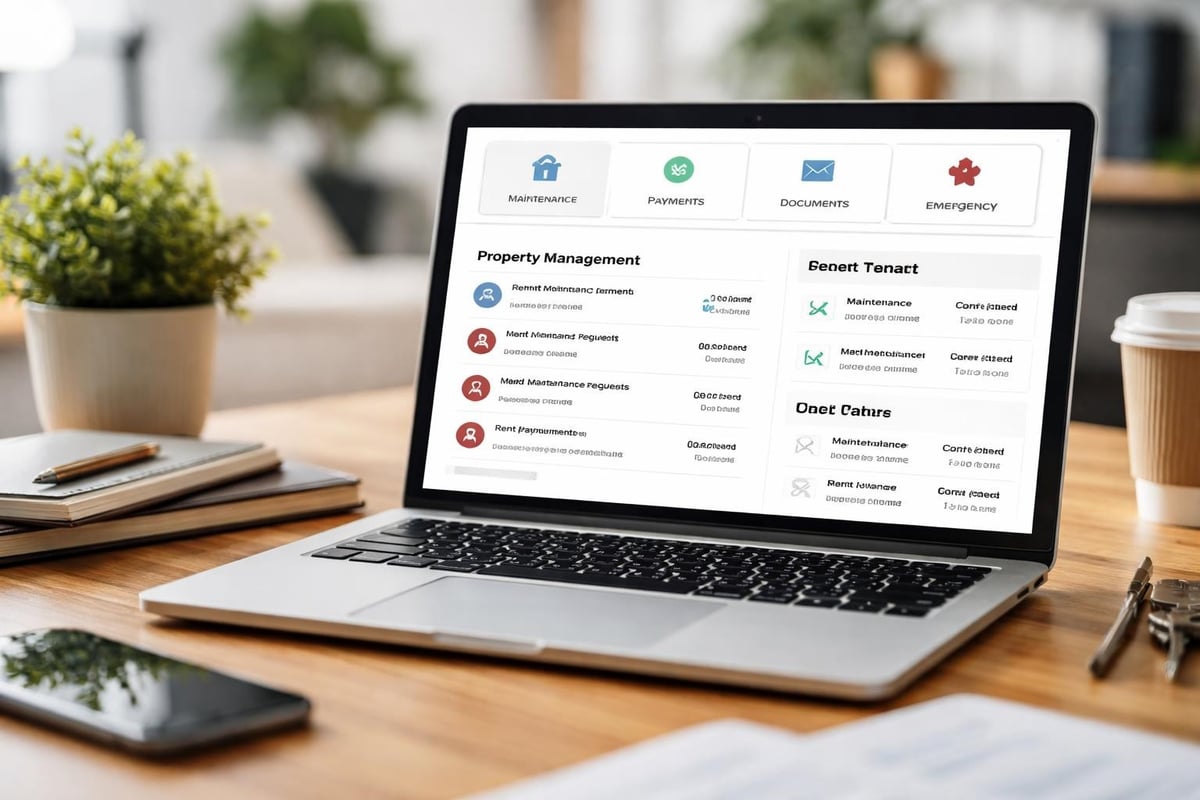
Tenant portals centralize communication, maintenance requests, rent payments, and document access. Platforms offering renter portal capabilities improve tenant satisfaction while reducing administrative burden.
Conflict Resolution
Despite best efforts, disputes arise between landlords and tenants. Professional home rental property management approaches conflicts systematically:
- Document everything: Written records protect all parties
- Listen actively: Understanding concerns before proposing solutions
- Know the law: Ensuring responses comply with regulations
- Communicate clearly: Setting realistic expectations and timelines
- Mediate fairly: Balancing owner interests with tenant rights
Early intervention prevents minor issues from escalating into legal battles or tenant departures. Many markets offer mediation services that resolve disputes without court involvement.
Property Inspections and Quality Control
Regular inspections protect property condition while documenting maintenance needs. Property inspection services provide objective assessments at critical intervals.
Inspection Schedule and Protocols
Strategic inspection timing catches issues early:
- Move-in inspection: Documents initial condition with photos and detailed reports
- Quarterly inspections: Monitors maintenance needs and lease compliance
- Annual inspections: Comprehensive assessment of all systems and structures
- Move-out inspection: Compares condition to move-in report for deposit determination
Professional inspectors follow standardized checklists covering exterior, interior, systems, and safety features. Digital inspection tools with photo documentation create permanent records accessible for future reference.
Tenant cooperation is essential for successful inspections. Lease agreements should specify inspection rights with reasonable notice requirements, typically 24-48 hours. Approaching inspections as partnership opportunities rather than surveillance builds positive relationships.
Financial Performance and Investment Analysis
Successful home rental property management requires understanding key performance metrics. Data-driven decisions optimize returns and identify improvement opportunities.
Critical Performance Indicators
Tracking specific metrics reveals property performance trends:
- Occupancy rate: Percentage of time property generates income
- Net operating income: Total income minus operating expenses
- Cash-on-cash return: Annual cash flow divided by total investment
- Capitalization rate: Net operating income divided by property value
- Maintenance cost ratio: Maintenance expenses as percentage of income
Benchmark these metrics against market averages and historical performance. Declining occupancy rates signal pricing or marketing issues, while rising maintenance costs may indicate deferred maintenance catching up.
Tax optimization maximizes after-tax returns through proper expense categorization, depreciation schedules, and deduction strategies. Professional property managers maintain detailed records supporting tax positions and provide organized documentation for accountants.
Technology Integration and Automation
Modern home rental property management leverages technology to improve efficiency and tenant satisfaction. Managing rental properties becomes more streamlined with the right tools.
Property Management Software
Comprehensive platforms integrate multiple functions:
- Tenant screening and application processing
- Online rent collection and automated reminders
- Maintenance request tracking and vendor dispatch
- Financial reporting and accounting integration
- Document storage and lease management
Software solutions reduce administrative time by 50-60% while improving accuracy and consistency. Cloud-based platforms provide anytime access to critical information from any device.
Smart home technology enhances property appeal and management efficiency. Programmable thermostats reduce utility costs, smart locks facilitate secure self-showings, and leak detectors prevent water damage. Technology investments often pay for themselves through reduced costs and higher rental rates.
Scaling Your Property Portfolio
Growing from one property to multiple units requires systematic approaches and operational refinement. Best practices in rental property management become increasingly important with portfolio expansion.
Systems and Standardization
Scalable home rental property management relies on repeatable systems:
- Standardized lease agreements across all properties
- Consistent screening criteria for objective tenant selection
- Uniform maintenance protocols ensuring quality standards
- Centralized financial tracking for portfolio-level insights
- Vendor networks providing reliable service across locations
Creating operational manuals documents procedures for every function, enabling delegation and ensuring consistency regardless of which team member handles tasks. As portfolios grow, many owners transition from self-management to professional services.
Professional Management Partnerships
Determining when to engage professional management depends on portfolio size, available time, expertise, and opportunity cost. Understanding what property management entails helps owners evaluate partnership benefits.
Professional firms bring economies of scale, established vendor relationships, legal expertise, and 24/7 availability. Management fees typically range from 8-12% of collected rents, though services and value vary significantly. The cost of property management should be evaluated against time savings, reduced vacancy, and avoided costly mistakes.
Regional Considerations for Greater New Orleans
Geographic factors significantly impact home rental property management strategies. New Orleans presents unique opportunities and challenges requiring specialized knowledge.
Market-Specific Factors
Successful property management in Greater New Orleans addresses regional characteristics:
| Factor | Impact | Management Strategy |
|---|---|---|
| Hurricane Season | Property damage risk | Comprehensive insurance, storm preparation |
| Historic Districts | Renovation restrictions | Understanding preservation requirements |
| Tourism Economy | Short-term rental demand | Evaluating long vs. short-term strategies |
| Flood Zones | Insurance costs, buyer pool | Proper disclosure, mitigation measures |
| Local Ordinances | Rental regulations | Staying current with city requirements |
Insurance considerations are particularly critical in coastal markets. Standard policies may exclude flood damage, requiring separate flood insurance through the National Flood Insurance Program or private carriers. Adequate coverage protects investments while meeting lender requirements.
Climate factors influence maintenance priorities, with mold prevention, drainage management, and pest control requiring vigilant attention. Why expert property leasing services matter becomes evident when navigating these regional complexities.
Leveraging Local Expertise
Market knowledge accumulated over decades provides insights newer managers cannot replicate. Established property management firms understand neighborhood dynamics, seasonal rental patterns, reliable contractors, and effective marketing channels specific to Greater New Orleans.
Local expertise extends to understanding property values across diverse neighborhoods, from the French Quarter to Metairie, Kenner to the Westbank. This knowledge informs pricing strategies, renovation investments, and tenant screening appropriate for each area's characteristics.
Professional home rental property management requires balancing numerous responsibilities while staying current with evolving regulations and market conditions. Tips for rental property management from industry experts emphasize continuous learning and adaptation as keys to long-term success.
Mastering home rental property management demands expertise across legal compliance, financial analysis, maintenance coordination, and tenant relations. Whether managing one property or building a substantial portfolio, systematic approaches and professional support maximize returns while minimizing stress. Coxe Property Management and Leasing brings over 40 years of Greater New Orleans market expertise to help property owners achieve hassle-free ownership, managing nearly $1 billion in assets through personalized solutions that protect your investment and optimize performance.