

Property owners in the Greater New Orleans area face unique challenges in 2026, from evolving tenant expectations to increasing maintenance costs and regulatory compliance. Effective renting solutions have become essential for property owners who want to maximize returns while minimizing the daily headaches of landlord responsibilities. Whether managing a single-family home or an extensive portfolio, implementing strategic approaches to property management can transform your investment from a burden into a profitable, self-sustaining asset. The right combination of technology, professional expertise, and proven processes creates opportunities for property owners to achieve consistent cash flow while maintaining property values in competitive rental markets.
Understanding Modern Renting Solutions
The landscape of property management has evolved significantly over the past decade. Modern renting solutions encompass far more than simply collecting monthly payments and responding to maintenance calls. Today's property owners need comprehensive systems that integrate tenant relations, financial tracking, legal compliance, and preventive maintenance into cohesive operational frameworks.
Professional property management firms have adapted to these changing demands by developing specialized services that address every aspect of the rental lifecycle. From initial property assessment and pricing strategy to tenant placement and long-term relationship management, these renting solutions provide property owners with peace of mind and measurable results.
Key Components of Effective Renting Solutions
Successful property management requires attention to multiple operational areas simultaneously. The most effective renting solutions incorporate these essential elements:
- Rigorous tenant screening protocols that verify income, credit history, and rental background
- Streamlined rent collection systems with online payment options and automated reminders
- Proactive maintenance management that prevents small issues from becoming expensive repairs
- Detailed financial reporting that provides transparency and supports tax preparation
- Legal compliance monitoring to ensure adherence to fair housing laws and local regulations
These components work together to create stability, reduce vacancy periods, and protect property values over time. When implemented correctly, they transform reactive landlording into proactive asset management.
Tenant Screening and Placement Strategies
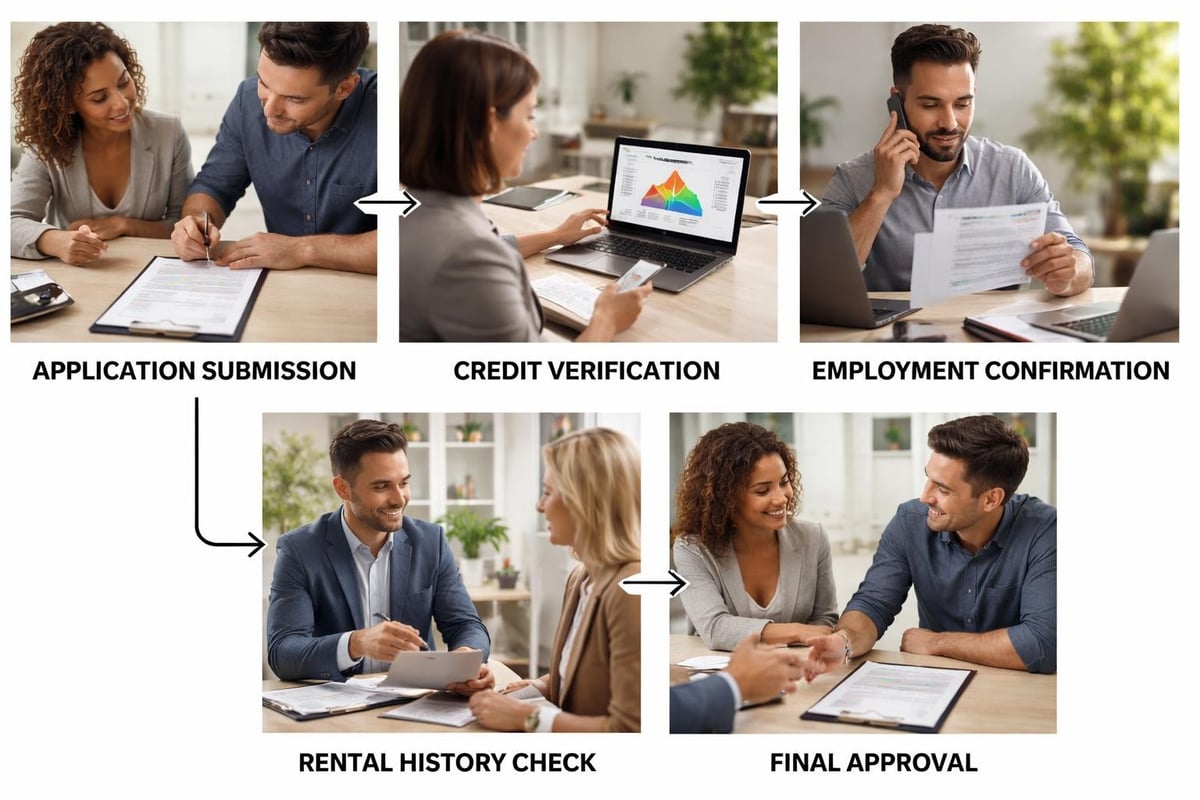
Quality tenants represent the foundation of successful rental property ownership. Comprehensive tenant screening processes reduce risk, minimize turnover, and establish positive landlord-tenant relationships from the start. The most effective renting solutions prioritize thorough vetting procedures that go beyond basic credit checks.
Modern screening approaches combine traditional verification methods with data-driven analysis. Credit reports provide insight into financial responsibility, but employment verification and rental history reveal patterns of reliability and communication. References from previous landlords often uncover information that numbers alone cannot reveal, such as property care habits and neighborly behavior.
Building Effective Screening Criteria
Establishing clear, consistent screening criteria protects property owners from discrimination claims while ensuring qualified applicants. These standards should include:
- Minimum credit score thresholds based on market conditions and property type
- Income requirements typically set at three times the monthly rent
- Rental history verification covering the past two to three years
- Criminal background checks in compliance with local regulations
- Eviction history searches to identify potential payment risks
Documentation of these criteria and their consistent application creates defensible selection processes that withstand legal scrutiny. Professional property managers maintain detailed records of all screening decisions, demonstrating fair and equitable treatment across all applicants.
| Screening Component | Purpose | Timeline |
|---|---|---|
| Credit Report | Financial responsibility assessment | 24-48 hours |
| Employment Verification | Income stability confirmation | 2-3 business days |
| Rental History | Past tenant behavior analysis | 3-5 business days |
| Background Check | Criminal history review | 1-3 business days |
Maintenance Management and Property Preservation
Preventive maintenance represents one of the most valuable renting solutions for protecting long-term property values. Regular inspections, scheduled servicing, and rapid response to repair requests prevent minor issues from escalating into major capital expenditures. Property management best practices emphasize systematic approaches to maintenance that balance tenant satisfaction with cost control.
Professional property managers develop relationships with licensed contractors, plumbers, electricians, and HVAC specialists who provide reliable service at competitive rates. These established networks enable faster response times and ensure quality workmanship that extends equipment lifespan and maintains property aesthetics.
Creating Maintenance Protocols
Structured maintenance programs distinguish professional renting solutions from amateur landlording. These protocols should address both routine servicing and emergency response:
- Quarterly property inspections to identify wear patterns and emerging issues
- Annual system servicing for HVAC, water heaters, and major appliances
- Seasonal preparations including gutter cleaning and weatherization
- 24/7 emergency response systems for urgent repair situations
- Vendor quality control through regular performance reviews
Tracking maintenance requests and completion times provides valuable data for budgeting and property improvement planning. Digital platforms enable tenants to submit requests with photos, streamlining diagnosis and reducing unnecessary service calls. This transparency builds trust while creating documentation trails that support property valuations and insurance claims.
Financial Management and Reporting Systems
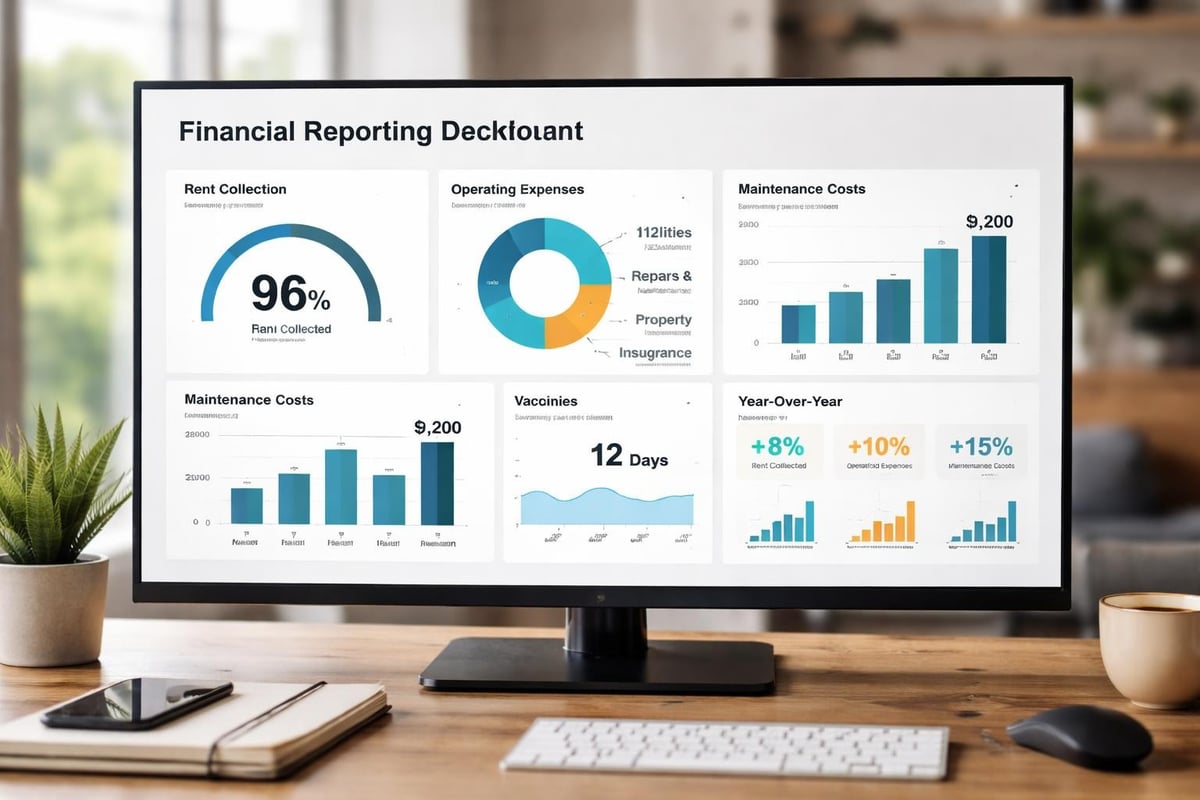
Transparent financial tracking represents a critical component of effective renting solutions. Property owners need clear visibility into income, expenses, and net operating performance to make informed decisions about their investments. Comprehensive financial reporting systems provide monthly statements that detail every transaction, from rent receipts to maintenance expenditures.
Professional accounting practices separate property finances from personal accounts, simplifying tax preparation and enabling accurate performance analysis. Monthly reports should include rent roll summaries, itemized expenses by category, outstanding balances, and year-to-date comparisons that reveal trends and highlight opportunities for improvement.
Maximizing Rental Income Through Strategic Pricing
Strategies for increasing rental profits begin with accurate market analysis and competitive positioning. Renting solutions that incorporate dynamic pricing models adjust rates based on seasonal demand, local market conditions, and property-specific features. Regular market surveys ensure rental rates remain competitive while maximizing revenue potential.
Property improvements can justify premium pricing and reduce vacancy periods. Strategic upgrades focusing on kitchens, bathrooms, and curb appeal generate the highest returns on investment. Modern tenants increasingly value energy efficiency, smart home features, and high-speed internet infrastructure. These amenities differentiate properties in crowded markets and attract quality tenants willing to pay premium rents.
Marketing and Tenant Acquisition
Effective property marketing has evolved dramatically with digital transformation. The most successful renting solutions leverage multiple platforms to reach qualified prospects, from traditional listing services to social media advertising and virtual property tours. Professional photography and detailed property descriptions create compelling first impressions that drive inquiry volume and application quality.
Best practices for listing and advertising rentals emphasize visual appeal and accurate information. High-quality images showcasing each room, exterior views, and neighborhood amenities help properties stand out in online searches. Virtual staging services like Try Furnishly enable property owners to present empty units with photorealistic furnishings, helping prospective tenants visualize living spaces and reducing time on market.
Optimizing Vacancy Periods
Minimizing vacancy represents one of the most impactful renting solutions for maximizing annual returns. Each day a property sits empty represents lost income that cannot be recovered. Strategic planning reduces turnover by:
- Communicating lease renewal options 90 days before expiration
- Conducting pre-move-out inspections to identify necessary repairs
- Beginning marketing activities before current tenants vacate
- Streamlining turnover processes to minimize days between tenants
- Offering incentives for early commitment such as reduced security deposits
Professional property managers coordinate these activities seamlessly, maintaining occupancy rates above 95% through proactive tenant retention and efficient unit turnover. Property management best practices demonstrate that reducing vacancy by even a few days annually can increase overall returns by several percentage points.
Legal Compliance and Risk Management
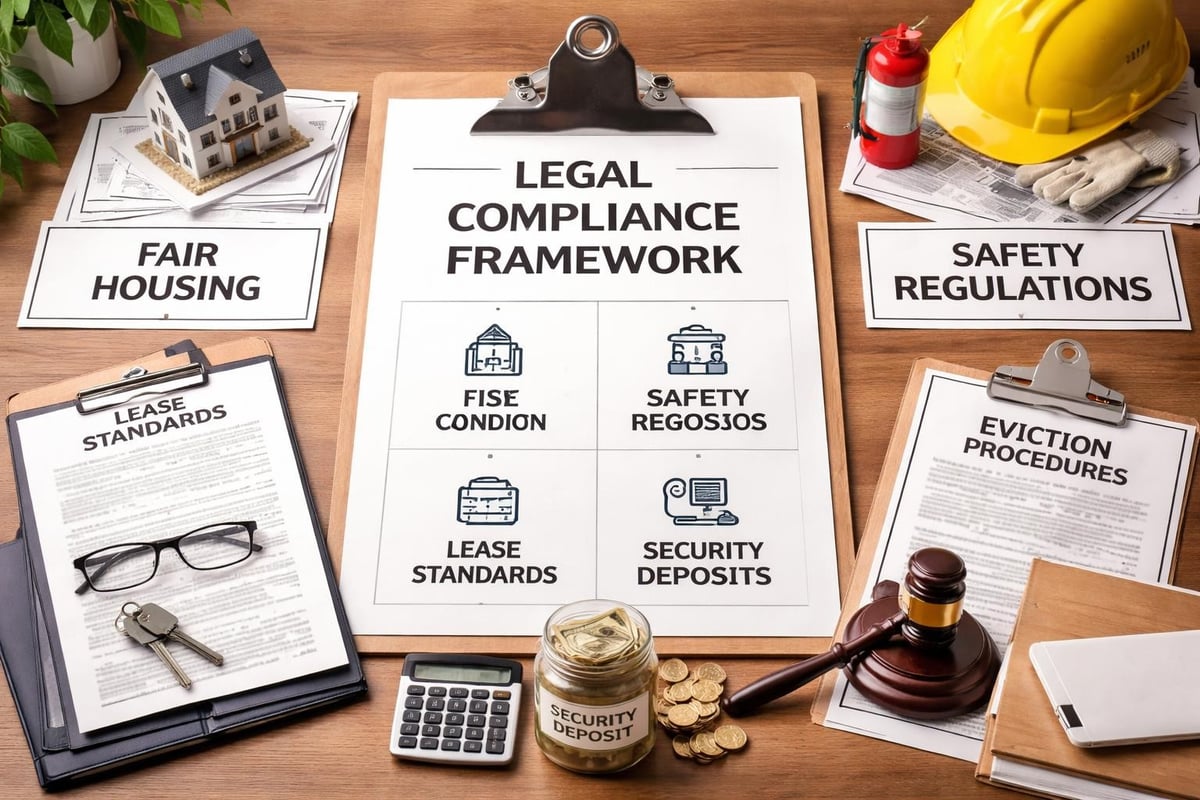
Navigating the complex regulatory environment surrounding residential rentals requires specialized knowledge and constant vigilance. Effective renting solutions incorporate ongoing legal compliance monitoring to protect property owners from costly violations and liability exposure. Federal fair housing laws, state landlord-tenant statutes, and local ordinances create layered regulatory requirements that vary significantly by jurisdiction.
Professional property management firms maintain current knowledge of regulatory changes and implement policies that ensure consistent compliance. This includes proper handling of security deposits, adherence to notice requirements for entry and lease termination, and appropriate documentation of all tenant interactions. These practices protect property owners while establishing professional standards that enhance tenant satisfaction.
Insurance and Liability Protection
Comprehensive insurance coverage forms an essential component of risk management within renting solutions. Property owners should maintain adequate coverage including:
| Coverage Type | Protection Provided | Recommended Limits |
|---|---|---|
| Property Insurance | Building structure and systems | Replacement cost value |
| Liability Insurance | Legal defense and settlements | $1-2 million minimum |
| Loss of Rent | Income during uninhabitable periods | 12 months coverage |
| Umbrella Policy | Excess liability protection | $1-5 million |
Regular policy reviews ensure coverage keeps pace with property values and changing risk profiles. Professional property managers coordinate with insurance providers during claims, documenting damages and facilitating repairs to minimize disruption and financial loss.
Technology Integration in Property Management
Digital tools have revolutionized property management operations, enabling renting solutions that scale efficiently across multiple properties. Cloud-based platforms centralize tenant communication, maintenance tracking, financial reporting, and document storage in accessible systems that support remote management and real-time decision-making.
Online rent collection reduces processing time and improves cash flow predictability. Automated payment reminders decrease late payments while electronic transfers eliminate the risks and delays associated with paper checks. Property management tips for landlords emphasize the importance of technology adoption in reducing administrative burden and improving operational efficiency.
Implementing Digital Communication Systems
Tenant portals provide centralized platforms for lease access, payment processing, maintenance requests, and general communication. These systems create documentation trails that protect both parties while offering convenience that modern renters expect. Features should include:
- Mobile-responsive interfaces accessible from smartphones and tablets
- Secure document storage for lease agreements and important notices
- Automated notifications for upcoming payments and scheduled inspections
- Maintenance request tracking with status updates and completion confirmations
- Emergency contact information readily available for after-hours situations
Integration of these digital tools into comprehensive renting solutions improves tenant satisfaction while reducing management workload. The data generated through these platforms provides valuable insights into operational patterns, helping property managers optimize processes and allocate resources effectively.
Building Long-Term Tenant Relationships
Tenant retention represents one of the most cost-effective renting solutions available to property owners. Acquiring new tenants involves marketing expenses, vacancy periods, turnover cleaning, and screening costs that can total thousands of dollars per transition. Encouraging lease renewals eliminates these costs while providing income stability and reducing operational disruption.
Professional property managers cultivate positive tenant relationships through responsive communication, fair treatment, and consistent property maintenance. Regular check-ins demonstrate attentiveness to tenant needs without being intrusive. Prompt response to maintenance requests shows respect for tenant comfort and property preservation. These practices create mutual satisfaction that encourages long-term occupancy.
Retention Strategies That Work
Proactive retention programs incorporate specific touchpoints throughout the lease term:
- Welcome packages for new tenants including local information and emergency contacts
- Periodic satisfaction surveys to identify concerns before they escalate
- Timely maintenance response demonstrating commitment to property quality
- Early renewal incentives such as rate locks or minor upgrades
- Professional communication maintaining respect and clarity in all interactions
These efforts create positive experiences that differentiate professional management from casual landlording. Tenants who feel valued and respected are more likely to renew leases, recommend properties to friends, and maintain units with greater care. This virtuous cycle reduces costs while enhancing property reputation and market positioning.
Scaling Property Management Operations
As rental portfolios grow, operational efficiency becomes increasingly critical. Scalable renting solutions incorporate systems and processes that maintain quality standards across expanding property counts without proportional increases in management overhead. Standardized procedures, digital automation, and strategic delegation enable professional growth while controlling costs.
Professional property management firms leverage economies of scale in vendor relationships, insurance coverage, and administrative functions. These efficiencies translate into cost advantages that individual landlords cannot match while managing single properties. Understanding expert property management approaches reveals how experienced firms create value through systematic operations and specialized expertise.
Leveraging Professional Management Expertise
The decision to engage professional property management represents a strategic choice for many property owners. While self-management may appear cost-effective for single properties, the time investment, specialized knowledge requirements, and liability exposure often make professional management the prudent choice. Firms with decades of experience bring:
- Established vendor networks providing quality service at competitive rates
- Legal expertise navigating complex regulatory environments
- Market knowledge supporting optimal pricing and positioning strategies
- Operational systems that scale efficiently across property portfolios
- Risk management protocols protecting owner interests and minimizing exposure
The value of professional renting solutions extends beyond simple task completion to strategic guidance that enhances property performance and long-term appreciation. Understanding property management helps owners evaluate whether professional services align with their investment goals and operational preferences.
Implementing comprehensive renting solutions transforms rental property ownership from a demanding side venture into a strategic investment that generates consistent returns with minimal daily involvement. Property owners who embrace professional systems, leverage technology effectively, and prioritize tenant satisfaction position themselves for long-term success in competitive rental markets. For property owners in the Greater New Orleans area seeking proven expertise and personalized service, Coxe Property Management and Leasing offers over four decades of experience managing nearly $1 billion in assets with comprehensive solutions tailored to your specific needs and investment objectives.