

The landscape of castle property management is transforming rapidly as 2026 approaches. Historic estates now face unprecedented challenges and opportunities, making this a pivotal moment for owners, managers, and investors. This guide delivers expert strategies to help you manage castle properties efficiently and profitably, preserving their unique value for years to come. Discover how evolving regulations, shifting guest expectations, and new technologies are reshaping the field. Learn proven methods for maximizing returns while honoring heritage. Throughout this article, you will find step-by-step guidance on compliance, maintenance, revenue, technology, sustainability, and future trends.
Understanding the Unique Challenges of Castle Property Management
Managing a castle property in 2026 presents a set of challenges unlike any other real estate asset. The scale, history, and complexity of these estates demand specialized approaches. Each area—preservation, regulation, operations, security, and guest experience—requires careful balancing to ensure long-term success in castle property management.
Architectural and Historical Preservation
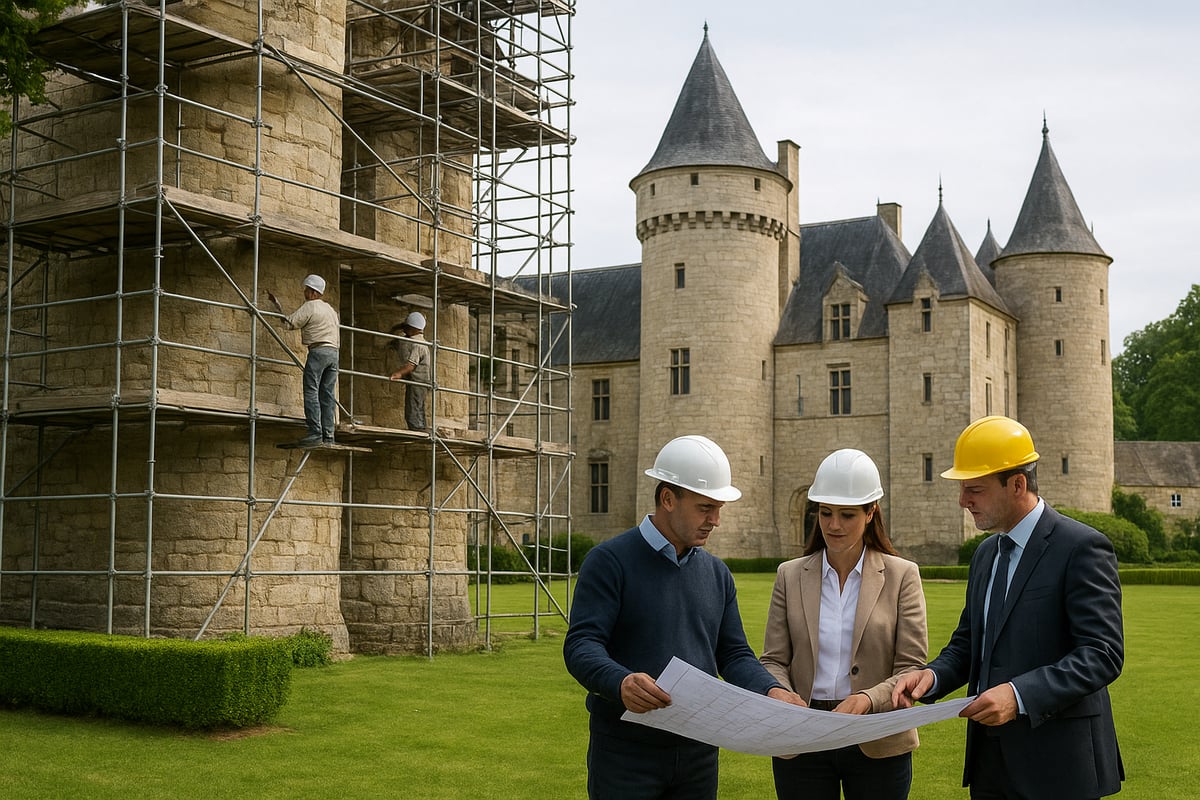
Preserving the architectural integrity of castles is central to effective castle property management. Owners must maintain original features such as stonework, stained glass, and antique woodwork, all while accommodating modern safety and accessibility requirements. The challenge lies in upgrading infrastructure without compromising authenticity.
Successful projects often start with detailed assessments, followed by phased restorations guided by heritage experts. For example, some properties have modernized heating or lighting systems in ways that are invisible to guests. For actionable tips on maintaining historic estates, refer to Property Maintenance Best Practices. Prioritizing regular inspections and careful upgrades helps safeguard both the structure and its unique character.
Regulatory and Legal Considerations
Castle property management requires navigating a complex legal landscape. Heritage protection laws, zoning restrictions, and building codes vary widely by region. In 2026, stricter regulations demand precise documentation and ongoing compliance with local, national, and international authorities.
Non-compliance can result in significant penalties, including fines or operational shutdowns. Owners must stay informed about evolving legislation and maintain open communication with regulatory bodies. Building strong relationships with heritage boards can expedite approvals for necessary upgrades. Planning ahead and consulting legal experts is crucial for avoiding costly setbacks in castle property management.
Operational Complexity and Staffing
The sheer size and diversity of castle properties introduce unique operational challenges. Estates may include multiple buildings, extensive grounds, and specialized facilities such as museums or event spaces. Effective castle property management depends on assembling a skilled team tailored to the estate’s needs.
Recruitment focuses on roles like curators, conservators, groundskeepers, and security professionals. Retaining talent is equally important, especially for positions requiring heritage expertise. Ongoing training ensures staff understand the sensitivities of working in historic environments. Creating a culture of stewardship and respect for tradition supports smooth operations and long-term success.
Security and Risk Management
Protecting castle estates involves more than standard security measures. Risks include theft, vandalism, and environmental hazards, all of which can threaten irreplaceable assets. Comprehensive insurance is a cornerstone of castle property management, covering both property and liability.
Advanced security systems—such as surveillance cameras, access controls, and environmental sensors—are increasingly used to deter threats and monitor vulnerable areas. Some leading estates have developed custom protocols for disaster preparedness and rapid response. Regular risk assessments and staff training help minimize vulnerabilities and maintain strong defenses.
Market Positioning and Guest Experience
Standing out in a competitive market is critical for profitable castle property management. Castles can serve as luxury accommodations, exclusive event venues, or cultural attractions. Success depends on delivering authentic experiences that blend heritage with modern comfort.
Understanding guest expectations is key. Today’s visitors seek immersive, story-driven stays, personalized services, and a seamless blend of old and new. Competitive analysis reveals that top-performing properties differentiate themselves through curated events, bespoke amenities, and strategic partnerships with travel and cultural organizations. Consistently exceeding guest expectations builds reputation and drives repeat business.
Step-by-Step Guide to Effective Castle Property Management in 2026
Managing a historic estate requires a clear, actionable roadmap. This step-by-step guide breaks down the core elements of castle property management, helping owners and managers navigate each stage with confidence. By following these steps, you can preserve heritage, optimize operations, and maximize returns in 2026.
Step 1: Conducting Comprehensive Property Assessments
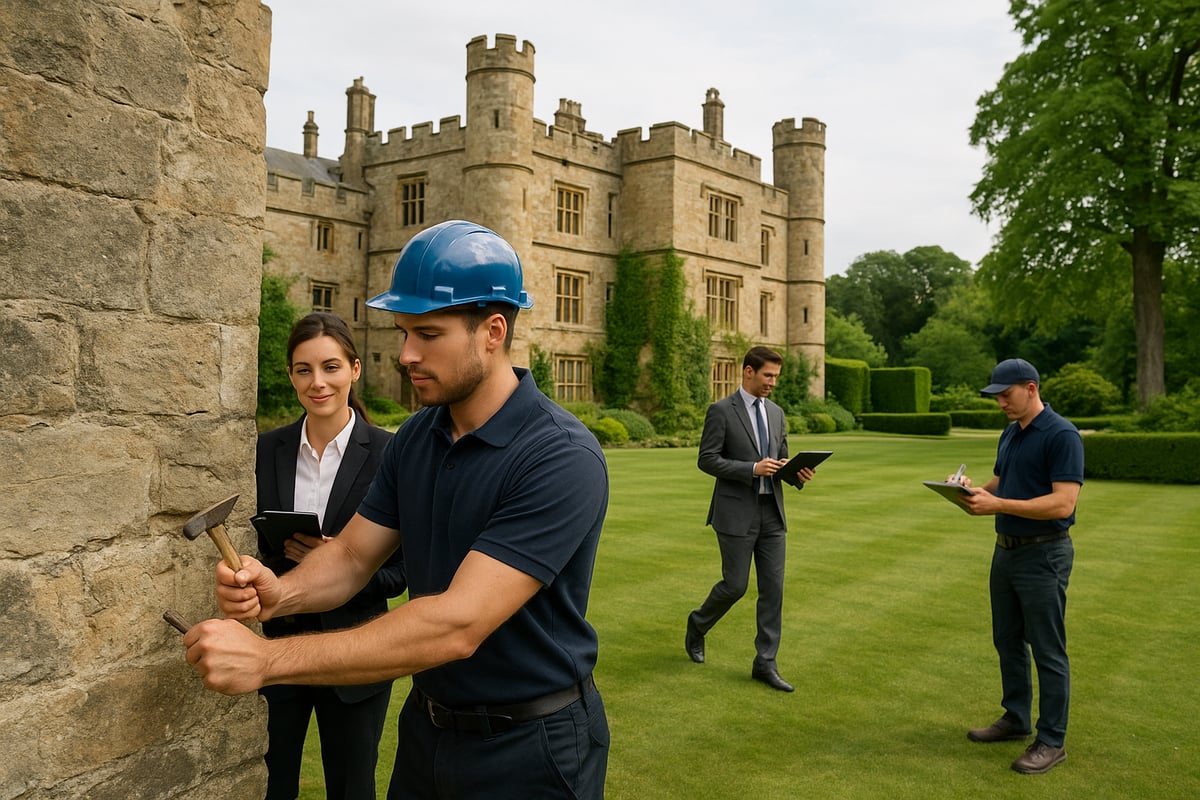
The first step in castle property management is a thorough assessment of the estate. Evaluate structural integrity, historical features, and compliance with preservation standards. This baseline helps prioritize investments and maintenance.
A detailed checklist should include roofs, foundations, windows, and any unique architectural elements. Review local and national regulations to avoid costly oversights. For those new to the field, understanding What Is Property Management provides foundational context on the principles and responsibilities involved.
Document findings with photos and written reports. This process ensures you capture both visible and hidden issues, setting the stage for informed decision-making.
Step 2: Developing a Preservation and Maintenance Plan
Castle property management demands a strategic maintenance plan. Start by addressing urgent repairs like leaks or structural weaknesses. Outline cyclical maintenance for roofs, stonework, and mechanical systems.
Budget for both routine and emergency needs. Investigate available grants and heritage funding, as 2025 saw increases in both the EU and US. A well-crafted plan should balance restoration with ongoing use, ensuring the property remains functional and true to its history.
Track all maintenance activities in a centralized log. This practice not only preserves value but also supports compliance and future funding applications.
Step 3: Navigating Regulatory Approvals and Compliance
Regulations are central to castle property management in 2026. Prepare all necessary documents for heritage boards and planning authorities before making changes.
Build relationships with local officials to streamline approvals. Familiarize yourself with zoning restrictions, conservation laws, and international standards. Timelines can vary, so plan ahead to avoid project delays.
Keep a regulatory calendar and checklist. Failure to comply can lead to fines or even loss of operating licenses. Staying proactive with compliance ensures smooth operations and protects your investment.
Step 4: Staffing and Training for Specialized Roles
Effective castle property management relies on specialized staff. Identify roles such as conservators, hospitality professionals, groundskeepers, and security experts.
Recruit individuals with experience in heritage environments. Ongoing training is vital, focusing on heritage-sensitive operations and guest service. Leading European castles often use tailored training programs that blend technical skills with cultural appreciation.
Develop clear job descriptions and offer professional development opportunities. Well-trained staff ensure smooth operations, preserve the estate’s character, and enhance the guest experience.
Step 5: Implementing Modern Technology Solutions
Modern technology is transforming castle property management. Smart building systems now monitor climate, security, and energy use, helping to preserve historic structures while reducing costs.
Digital guest platforms streamline bookings and enhance communication. By 2025, 65 percent of historic properties had adopted smart tech, showing the trend’s effectiveness. Use data to optimize maintenance schedules and guest experiences.
Invest in technology that respects the castle’s heritage. Collaboration with IT specialists ensures upgrades meet both operational and conservation goals.
Step 6: Marketing and Revenue Diversification
A strong marketing strategy is crucial for castle property management. Develop a unique value proposition, whether you target events, luxury stays, or cultural tourism.
Partner with travel agencies and cultural organizations to expand your reach. Use professional photography, virtual tours, and targeted social media campaigns. Leading castle venues report consistent revenue growth, with events like weddings and conferences contributing significantly.
Diversify income streams to reduce risk. Regularly review market trends and guest feedback to refine your offerings and stay competitive.
Step 7: Monitoring, Reporting, and Continuous Improvement
Ongoing evaluation is key in castle property management. Set clear KPIs for operations, finances, and guest satisfaction. Use performance dashboards to track progress.
Schedule regular review cycles to assess what’s working and where adjustments are needed. Encourage feedback from staff and guests to identify opportunities for improvement.
Continuous monitoring ensures you adapt to changes in regulations, technology, and market demand. This proactive approach safeguards the estate’s value and reputation for years to come.
Leveraging Technology and Innovation in Castle Property Management
Innovation is reshaping castle property management as owners and managers look for ways to balance heritage preservation with modern efficiency. New technologies are transforming how historic estates are maintained, marketed, and operated, allowing managers to address unique challenges while enhancing guest experiences. By leveraging the right tools and approaches, you can streamline operations, safeguard assets, and secure the long-term value of your property.
Smart Estate Management Systems
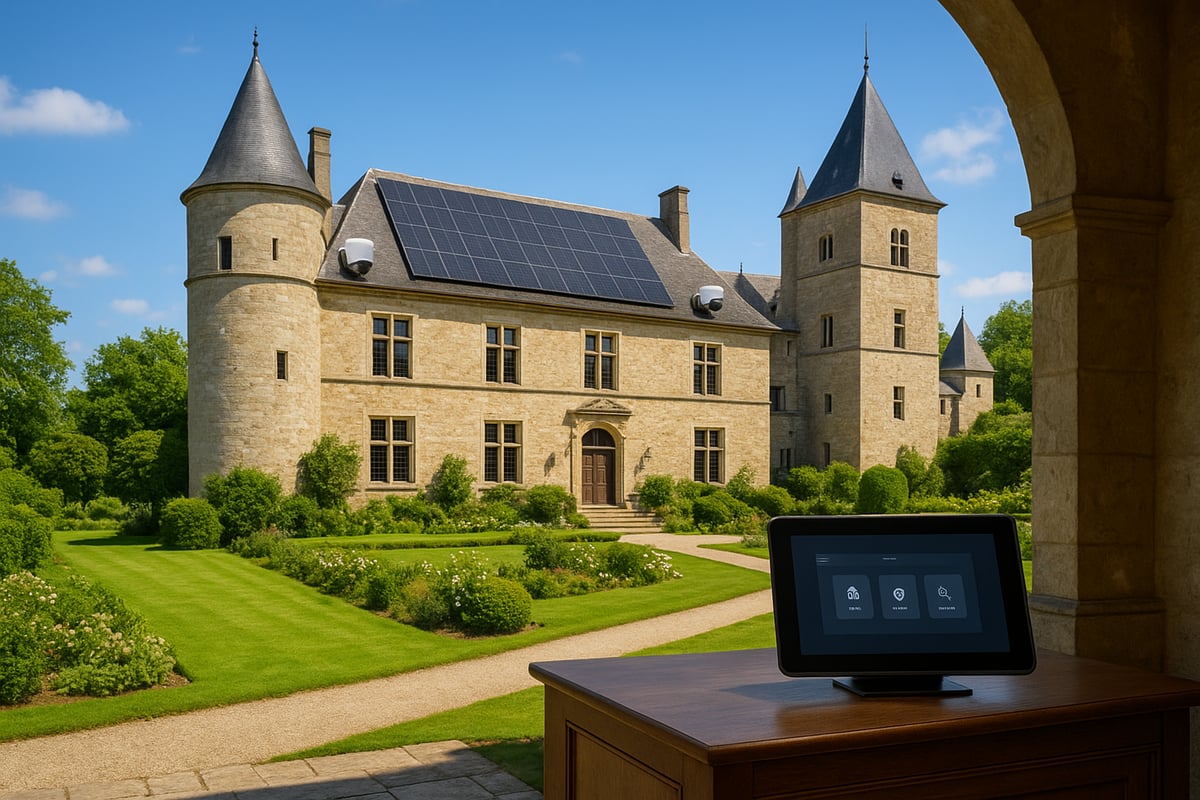
Integrating IoT devices into castle property management unlocks powerful capabilities for climate control, energy management, and security. Smart sensors monitor temperature and humidity to protect delicate interiors, while automated lighting and heating systems improve energy efficiency without compromising historical integrity.
Key benefits include:
- Reduced operational costs through automated controls.
- Improved preservation of historic materials and artifacts.
- Enhanced guest comfort with responsive environmental adjustments.
Many leading estates now use centralized dashboards to oversee everything from water usage to access control. Real-world examples show that these systems can extend the lifespan of heritage features while making daily management more efficient.
Digital Marketing and Online Presence
A strong digital presence is essential for castle property management in 2026. High-quality websites, immersive virtual tours, and active social media profiles attract a global audience and set your property apart in a competitive market.
To optimize bookings and guest communication:
- Implement an integrated booking engine for seamless reservations.
- Offer 360-degree virtual tours to showcase unique spaces.
- Maintain consistent branding and storytelling across platforms.
Recent data shows that castle properties with virtual tours achieved 30 percent higher booking rates in 2025. Digital communication tools also create a more personalized experience, meeting modern guest expectations for convenience and engagement.
Sustainable and Green Technologies
Castle property management increasingly prioritizes sustainability, adapting green technologies to historic settings. Solar panels, geothermal systems, and rainwater harvesting can be sensitively installed to respect architectural heritage while reducing environmental impact.
Consider these sustainable solutions:
- Solar arrays designed for low visual impact.
- Geothermal heating for efficient climate control.
- Rainwater systems for landscape irrigation.
A notable case study from the UK highlights an award-winning eco-renovation where a castle achieved carbon neutrality by 2026. Balancing sustainability with preservation mandates requires careful planning and collaboration with heritage authorities.
Data-Driven Decision Making
Data analytics are revolutionizing castle property management by enabling smarter, faster decisions. Managers use advanced platforms to optimize pricing, forecast maintenance needs, and monitor guest satisfaction in real time.
Key applications include:
- Predictive maintenance, which has reduced emergency repairs by 20 percent at select sites.
- Dynamic pricing models to maximize revenue based on demand patterns.
- Performance dashboards tailored for heritage estates.
For a comprehensive overview of how IoT, cloud computing, and machine learning can further enhance conservation and indoor climate management, see this Data-Driven Smart Maintenance of Historic Buildings resource. By embracing analytics, managers can protect both the physical and financial health of their properties.
Financial Management and Revenue Optimization for Castle Properties
Effective financial management is the cornerstone of successful castle property management. With rising costs and evolving expectations, owners must master budgeting, revenue diversification, and compliance to ensure their historic estates remain viable and profitable. Let us explore proven strategies for optimizing financial performance in 2026.
Budgeting for Preservation and Operations
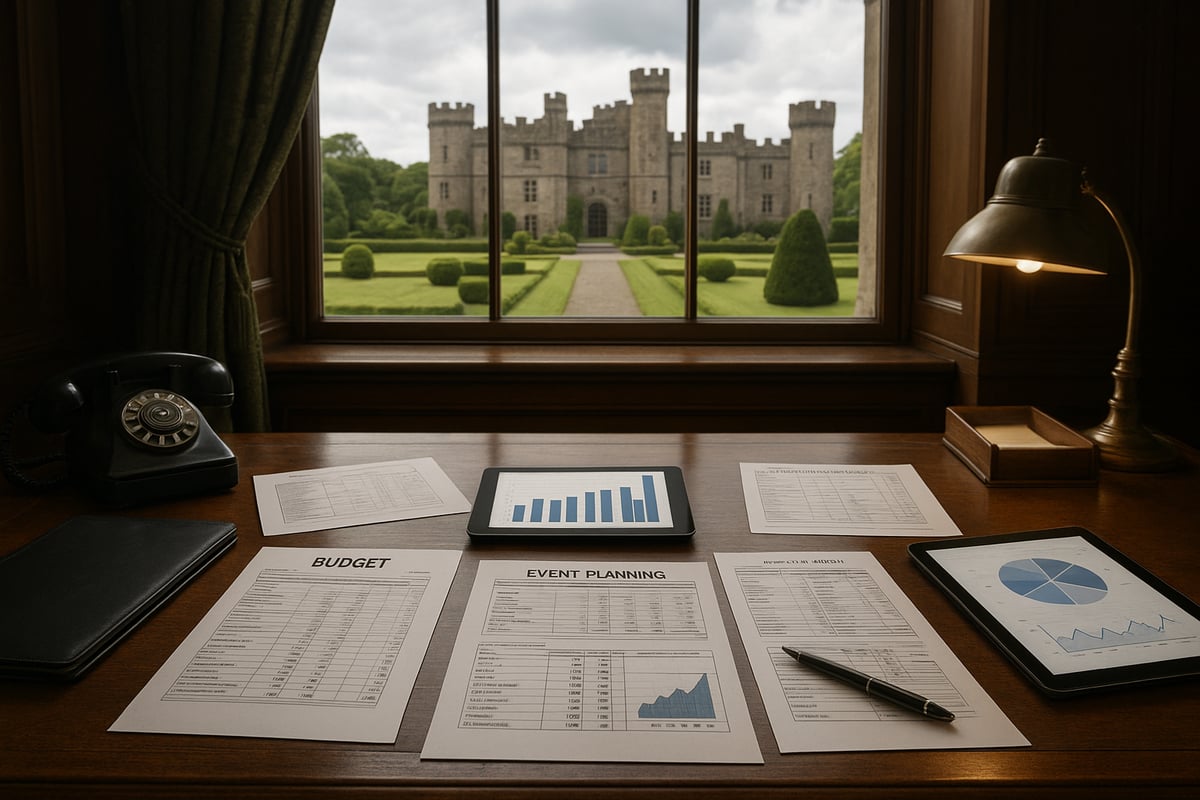
Budgeting in castle property management requires a thorough understanding of both the estate’s unique heritage needs and daily operational demands. Start by forecasting costs for structural repairs, specialized staff, and compliance with preservation laws. Allocate funds for cyclical maintenance and unexpected emergencies to avoid costly surprises.
A sample budget might include:
| Expense Category | Annual Estimate |
|---|---|
| Structural Repairs | $120,000 |
| Staffing | $250,000 |
| Compliance Fees | $30,000 |
| Utilities | $60,000 |
| Emergency Fund | $40,000 |
Regular reviews and adjustments ensure your castle property management plan remains aligned with the estate’s evolving requirements.
Maximizing Rental and Event Income
Diversifying revenue streams is essential for robust castle property management. Many estates generate income through weddings, conferences, and exclusive guest stays. Tailor pricing models to account for seasonal demand, offering premium packages during peak periods.
Strategies include:
- Hosting themed events or historical reenactments
- Partnering with luxury travel agencies
- Providing bespoke guest experiences
In 2025, leading venues reported an average 12 percent year-over-year increase in event revenue, highlighting the value of creative programming. Monitor market trends to keep your offerings competitive and appealing.
Grant Funding and Tax Incentives
Securing external funding can significantly ease the financial burden of castle property management. Explore public and private grants dedicated to historic preservation. In the EU, heritage grants have expanded, while US federal incentives offer tax relief for approved restoration work.
Key steps:
- Research eligibility requirements for local and national programs
- Prepare thorough documentation to support grant applications
- Consult with financial advisors to maximize tax benefits
By integrating grants and incentives into your strategy, you can preserve the estate’s legacy while maintaining financial health.
Cost Control and Vendor Management
Controlling costs is vital for sustainable castle property management. Negotiate favorable contracts with vendors for maintenance, catering, and security services. Leverage group purchasing to reduce expenses on essential supplies.
Consider:
- Establishing long-term partnerships for better rates
- Centralizing procurement across multiple properties if possible
- Regularly benchmarking costs against similar estates
A case study from a leading estate demonstrated that centralized procurement saved up to 15 percent annually, freeing funds for reinvestment in preservation and guest services.
Financial Reporting and Compliance
Transparent financial reporting is crucial in castle property management, especially for properties receiving public funding or operating as trusts. Adopt robust accounting practices, maintain detailed records, and prepare for periodic audits.
Utilizing Expert Property Management Services can streamline compliance, automate reporting, and ensure you meet all regulatory requirements. These solutions help estate managers focus on strategic growth instead of administrative burdens.
Consistent financial oversight not only protects your investment but also builds trust with stakeholders and the broader community.
Sustainability, Community Engagement, and Future-Proofing
Preserving a historic estate requires more than just routine care. Today, castle property management is defined by its commitment to sustainability, community collaboration, and long-term planning. These pillars not only protect heritage but also unlock new opportunities for growth and resilience.
Sustainable Operations and Green Certification
Sustainability is now at the core of castle property management. Owners are adopting green certifications like LEED, BREEAM, and Green Key, demonstrating a commitment to environmental stewardship. Achieving these certifications involves reducing waste, increasing energy efficiency, and using eco-friendly materials.
Many historic estates have set ambitious goals, with some achieving carbon-neutral operations by 2026. Initiatives include installing solar panels, using geothermal heating, and implementing rainwater harvesting systems. These efforts preserve the castle’s legacy while meeting modern expectations for responsible management.
Engaging Local Communities and Stakeholders
Successful castle property management goes beyond the estate walls. Building partnerships with local artisans, schools, and tourism boards fosters a vibrant ecosystem. Hosting public events, educational workshops, and cultural festivals turns the castle into a community hub.
Data shows that properties actively engaging their communities see higher visitor numbers and stronger reputations. By involving stakeholders in decision-making and offering local employment, managers create lasting value for both the estate and its neighbors.
Adapting to Climate Change and Environmental Risks
Climate change presents real threats to castle property management, from flooding and storms to erosion. Managers must assess vulnerabilities and invest in resilient infrastructure, such as flood barriers and sustainable landscaping.
A prime example is the implementation of advanced flood defenses in Central European castles, which have protected valuable heritage assets from severe weather. For more comprehensive strategies, explore Disaster Preparedness for Cultural Property, which offers guidance on planning and recovery for historic estates.
Planning for Long-Term Viability
Long-term success in castle property management depends on proactive planning. Estate succession, legacy management, and diversification of income streams—such as hosting events or developing hospitality offerings—are essential.
Insights from multi-generational owners highlight the value of adapting to market trends and investing in staff development. For actionable growth strategies, see 6 Property Management Growth Strategies for 2026, which outlines how innovation and planning secure the future of historic estates.
Expert Insights and Future Trends in Castle Property Management
The landscape of castle property management is evolving rapidly as historic estates adapt to shifting market demands, technological advances, and preservation challenges. Understanding what lies ahead is essential for owners and managers to remain competitive and resilient.
Predictions for the 2026-2030 Castle Market
The castle property management sector is projected to see significant growth driven by rising interest in luxury heritage tourism and immersive experiences. Market analysts forecast an 8% compound annual growth rate for castle hospitality, reflecting increased demand from international travelers seeking unique stays.
Economic trends indicate that castles positioned as exclusive venues for events and retreats will outperform traditional hospitality models. Properties that invest in personalized guest offerings and flexible event spaces are likely to capture a larger market share. As global travel rebounds, the ability to adapt quickly to changing consumer preferences will define success in castle property management.
Innovations in Heritage Preservation
Advancements in restoration materials and digital tools are transforming how castles are conserved. The use of AI and 3D scanning enables precise documentation and proactive maintenance, reducing the risk of structural failures. Digital twins are now being created for select estates, allowing for virtual monitoring and predictive repairs.
Preservation strategies also increasingly focus on environmental controls and pest management to protect valuable interiors. Techniques such as Integrated Pest Management in Cultural Property are being adopted to safeguard collections and structural elements from damage. These innovations ensure that castle property management balances authenticity with longevity, preserving heritage for future generations.
Evolving Guest Expectations and Service Standards
Guests in 2026 demand more than just opulent surroundings; they seek immersive, story-driven experiences that connect them to the castle’s history. Surveys reveal that 78% of visitors prefer personalization, wellness amenities, and opportunities for hands-on engagement during their stay.
To meet these expectations, castle property management must integrate modern comforts while maintaining historical authenticity. Leading properties now offer curated tours, local culinary experiences, and wellness retreats within their walls. Adapting service standards to blend tradition with innovation is vital for attracting and retaining discerning guests.
Expert Advice from Leading Castle Managers
Top-performing estate managers emphasize the importance of learning from both successes and setbacks in castle property management. Common pitfalls include underestimating compliance requirements, overlooking staff training, and neglecting security protocols.
Experts recommend prioritizing transparent operations, robust risk mitigation, and continuous professional development. Drawing on resources like Secure Property Management Strategies can help managers stay ahead of emerging threats and regulatory changes. For newcomers, building a strong network within the heritage property community is invaluable for sharing insights and navigating challenges.
As you look toward 2026, managing a castle property means more than just preserving history—it’s about navigating evolving regulations, leveraging technology, and creating unforgettable experiences for guests. With over 40 years of expertise in the Greater New Orleans area, we understand the unique challenges and opportunities that come with heritage estates. Whether you need guidance on compliance, innovative maintenance strategies, or maximizing revenue streams, our team is here to support you every step of the way. If you’re ready to take your castle property management to the next level, Get Your Free Quote Today!