

The landscape of secure property management is rapidly evolving as risks and complexities increase in 2026. Owners and investors face new challenges, from advanced cyber threats to changing legal standards, making a proactive approach essential.
This guide delivers expert strategies and proven best practices for secure property management. You will discover how to protect your assets, ensure legal compliance, and maximize returns.
Explore the latest security threats, digital protections, tenant screening techniques, maintenance protocols, and future trends. Real-world insights and actionable steps will help you achieve peace of mind and stay ahead in a competitive market.
Understanding the Importance of Secure Property Management
In 2026, secure property management is more than just locking doors and screening tenants. It is a holistic strategy that integrates physical, digital, and legal safeguards to protect rental assets, sensitive data, and the well-being of tenants. As property management evolves, so do the threats, making a proactive approach essential for owners and investors.
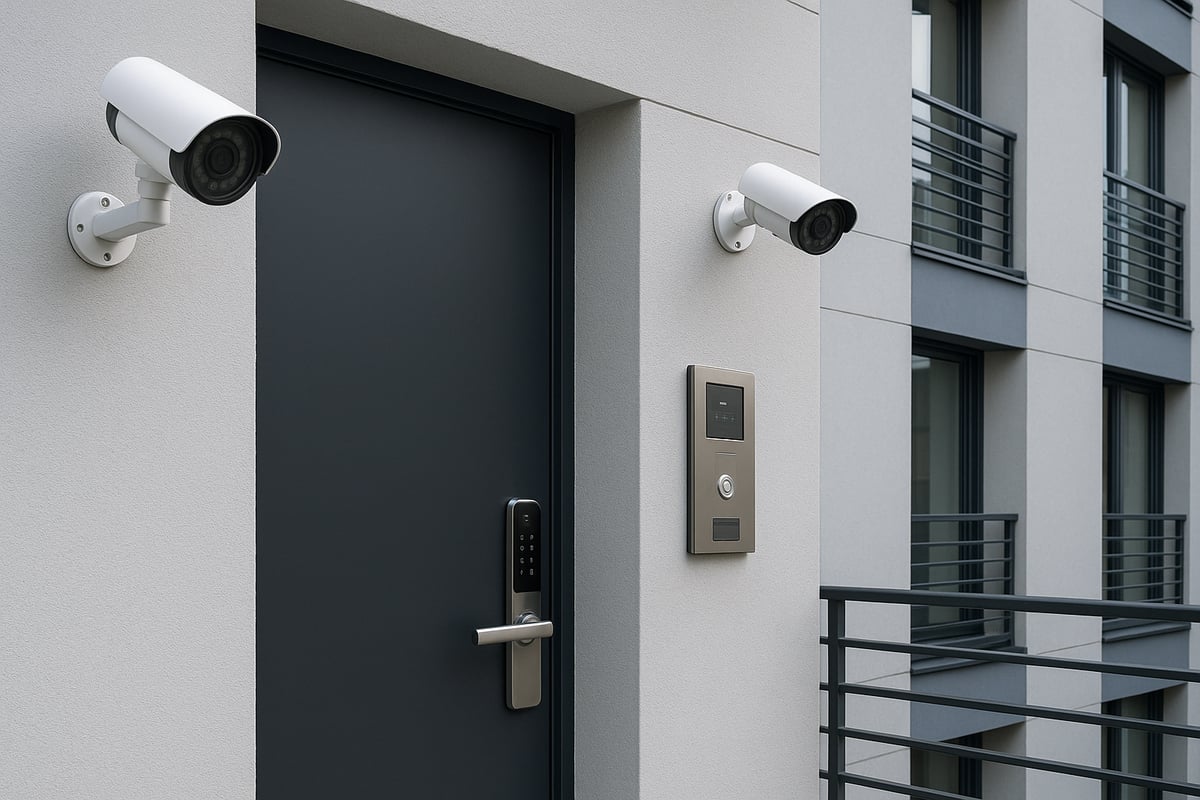
What Is Secure Property Management in 2026?
Secure property management in 2026 means implementing robust safety protocols across all fronts. This includes advanced surveillance, digital protections for smart systems, and compliance with evolving regulations. The approach now balances physical deterrents like smart locks and cameras with cybersecurity measures to guard against hacking and data breaches.
Owners must also stay vigilant against increasingly sophisticated fraud attempts. For example, digital identity theft and forged rental applications are far more common, requiring stronger tenant screening and document verification. Secure property management is no longer optional, but a foundational pillar for asset preservation.
Rising Security Threats and Trends
Property crime rates have risen as criminals exploit weaknesses in both physical and digital systems. According to industry reports, rental property fraud cases increased by 15 percent in 2025, with a noticeable surge in application scams and cyberattacks on smart buildings. Cybercriminals target cloud-based property platforms, seeking access to financial data and security controls.
Additionally, tenant fraud is evolving. Deepfake identities and forged documents challenge even experienced managers. For a deeper analysis of these vulnerabilities, see Top Security Vulnerabilities Facing Property Managers in 2025. Staying ahead requires constant adaptation and investment in secure property management solutions.
Risks of Inadequate Security
Failing to prioritize secure property management exposes owners to significant financial and reputational risks. Security breaches can lead to property damage, tenant turnover, and costly legal disputes. Insurance premiums often rise after incidents, directly impacting profitability.
| Threat Type | Potential Consequence |
|---|---|
| Cyberattack | Data breach, financial loss |
| Tenant Fraud | Eviction, unpaid rent, legal costs |
| Physical Intrusion | Property damage, tenant injury |
| Regulatory Non-compliance | Fines, license revocation |
A single incident can lower property value and erode trust with tenants and investors. In extreme cases, unresolved security lapses result in lawsuits or forced property sales.
Regulatory Pressures and Compliance
Stricter local and federal laws now mandate enhanced safety standards and data protection. Owners must comply with regulations covering surveillance, tenant privacy, and digital recordkeeping. Non-compliance can lead to fines, lawsuits, or the loss of rental licenses.
Recent legal cases highlight the consequences of overlooking secure property management. For instance, failure to install compliant security systems or properly vet tenants has resulted in expensive settlements and negative publicity. Staying current with compliance requirements is a crucial part of daily operations.
Gaining a Competitive Edge
Robust secure property management is not just about risk reduction, but also about standing out in a crowded market. Properties with verified security protocols attract high-quality tenants and investors seeking peace of mind. In fact, 71 percent of apartment renters now actively seek out enhanced safety measures in their homes.
By prioritizing security, owners build trust, protect asset value, and gain a reputation for excellence in property management. The benefits are clear: fewer vacancies, lower turnover, and stronger long-term returns.
Legal Compliance and Regulatory Updates for 2026
Navigating the legal landscape of secure property management in 2026 requires more than just basic awareness. Owners and investors must stay alert to changes in housing laws, safety standards, and data privacy rules. Regulatory requirements have grown more complex, making compliance a critical part of protecting your assets and reputation.
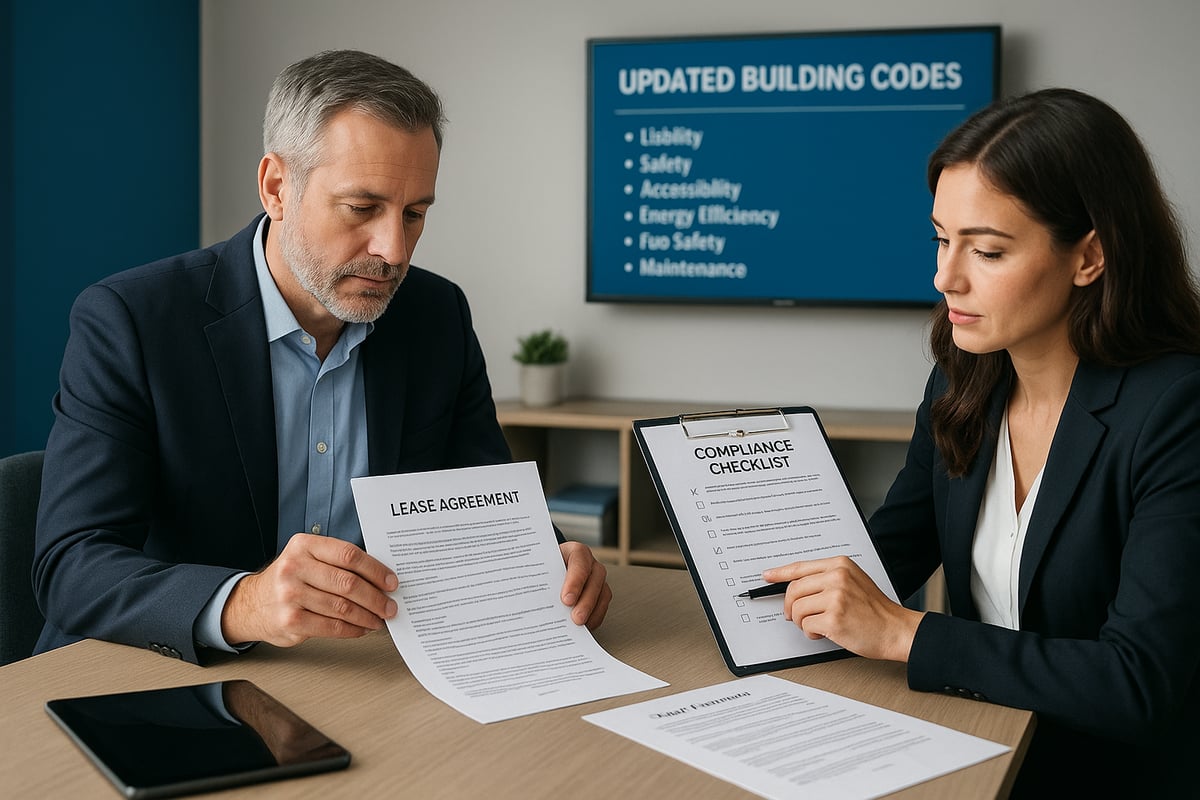
Major Legal Changes Shaping Secure Property Management in 2026
New and updated regulations are reshaping secure property management. The Fair Housing Act now includes expanded protections for renters, while many states have introduced stricter rental laws, such as limits on security deposit amounts and mandatory tenant disclosures.
Data privacy is also a top concern. Enhanced regulations require property managers to safeguard tenant information, with penalties for breaches. In 2026, failing to comply with these laws can result in substantial fines, lawsuits, or even the loss of your rental license. Staying ahead of these changes is essential for every owner and investor.
New Safety Standards, Building Codes, and Documentation
Safety standards have evolved to address emerging security technologies. Many jurisdictions now require smart locks, surveillance cameras, and secure entry systems in residential buildings. Compliance with building codes means installing approved devices and maintaining up-to-date records of inspections and repairs.
Documentation is equally important. Lease agreements must include new disclosure forms, and digital consent protocols are now standard for collecting and storing tenant data. Missing or outdated paperwork can expose you to legal risk and undermine your secure property management strategy.
The consequences of non-compliance are serious. Recent cases have shown that property owners faced heavy penalties and even tenant lawsuits after failing to meet safety or documentation requirements. Insurance providers may also raise premiums or deny coverage following violations.
Staying Compliant: Best Practices and Resources
How can you keep up with evolving regulations? Start by subscribing to regulatory bulletins from state and local agencies. Joining property management associations provides timely updates and networking opportunities. Regularly review your processes to ensure that legal compliance is embedded into daily operations and supported by your property management software.
Consider consulting legal experts or using specialized services for guidance. For example, legal guidance for landlords can help you interpret new rules and respond to audits or legal challenges.
Integrating compliance checks into your routine protects your investment. Keeping detailed records, training staff, and conducting regular audits can prevent costly mistakes. Secure property management is not just about avoiding fines, but also about building trust with tenants and investors in an increasingly regulated market.
Advanced Tenant Screening and Fraud Prevention
Tenant screening has become a cornerstone of secure property management in 2026. As digital technology evolves, so do the methods fraudsters use to bypass traditional safeguards. Owners and investors face a landscape where tenant fraud is not only more common but also more sophisticated, making robust screening essential for protecting both property assets and community well-being.
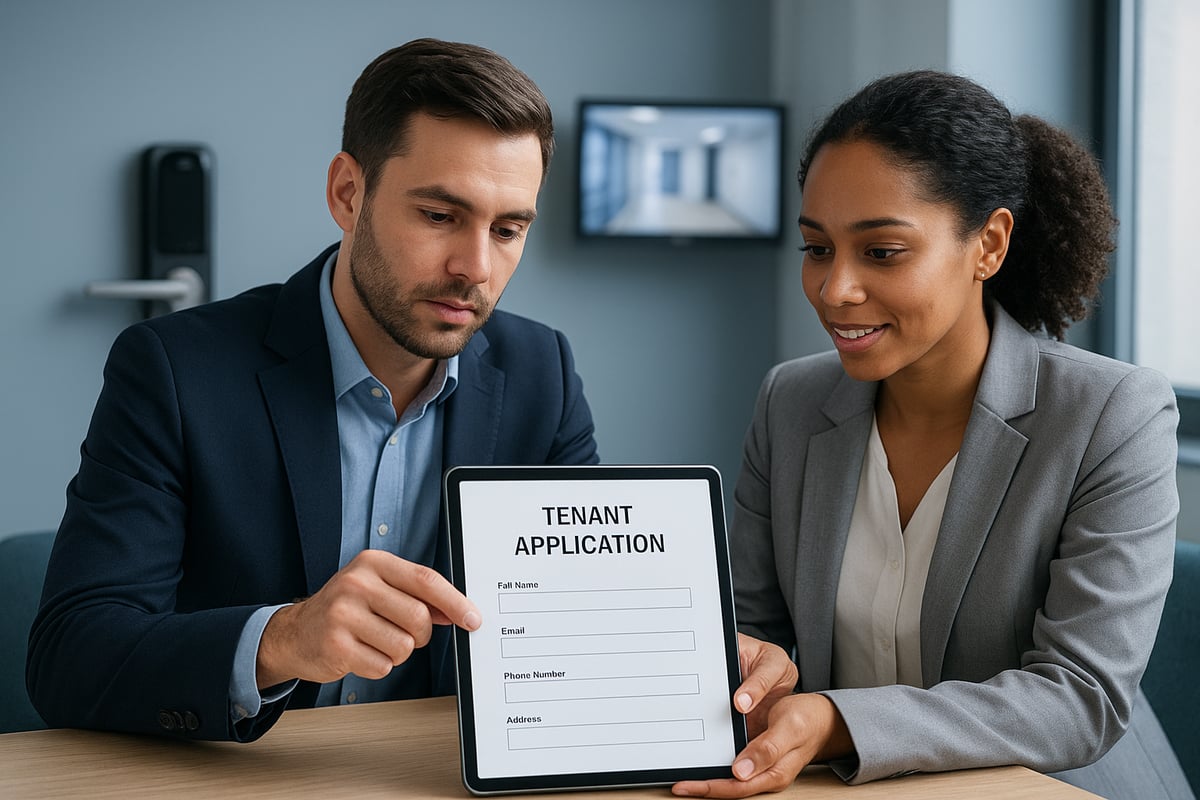
Why Tenant Screening Matters in 2026
Rising tenant fraud is a defining risk for secure property management today. Digital identity theft, deepfake documents, and application scams have surged, with 2025 industry data revealing a 20% increase in fraudulent rental applications compared to previous years. This trend highlights the urgent need for advanced screening processes.
Thorough tenant screening directly impacts eviction rates and long-term property value. Properties that invest in secure property management strategies see fewer costly evictions, reduced turnover, and a safer rental environment for everyone involved. For example, a single incident of tenant fraud can result in months of lost rent and expensive legal disputes, damaging owner reputation and financial stability.
Prioritizing secure property management through vigilant screening also attracts higher quality tenants, boosting occupancy and retention rates. The risks of inadequate processes are simply too great to ignore in this rapidly changing landscape.
Best Practices for Secure Tenant Screening
Adopting best-in-class screening practices is non-negotiable for secure property management in 2026. Begin with rigorous identity verification, combining government-issued ID checks with biometric authentication and digital background screening. This layered approach helps confirm applicants are who they claim to be.
Next, conduct comprehensive credit and criminal background reviews. Look for recent financial red flags, eviction histories, and any criminal activity that may impact community safety. Use secure, automated systems to verify employment and income, reducing the risk of forged pay stubs or false information.
AI-powered screening tools are invaluable for detecting patterns and inconsistencies that manual reviews might miss. These systems flag suspicious applications and help maintain compliance with Fair Housing and anti-discrimination laws. Always contact previous landlords and references to gain firsthand insights into applicant reliability.
To further strengthen your process, consider leveraging expert tenant screening services that specialize in secure property management. These services provide streamlined, legally compliant solutions that keep your assets protected and your screening process efficient.
Preventing Application and Lease Fraud
Fraud prevention is a vital element of secure property management. With document forgery and deepfake identities on the rise, property managers must stay vigilant. Use third-party verification platforms to authenticate documents and cross-check applicant information.
Secure digital lease signing is another critical step. Choose e-signature platforms with multi-factor authentication to guarantee the integrity of lease agreements. Regularly train your staff to recognize common fraud schemes, such as cloned identities or altered financial records.
Conduct periodic audits of your tenant screening and application processes to identify vulnerabilities and close potential loopholes. By maintaining a proactive approach, you reinforce the foundation of secure property management and significantly reduce your exposure to costly fraud.
Digital Security: Protecting Data and Smart Property Systems
In 2026, digital threats against secure property management have become more sophisticated than ever. As properties rely on smart systems and cloud platforms, the risks to both data and physical assets are growing. Property owners and investors must now prioritize digital security to protect their reputations, assets, and tenant trust.
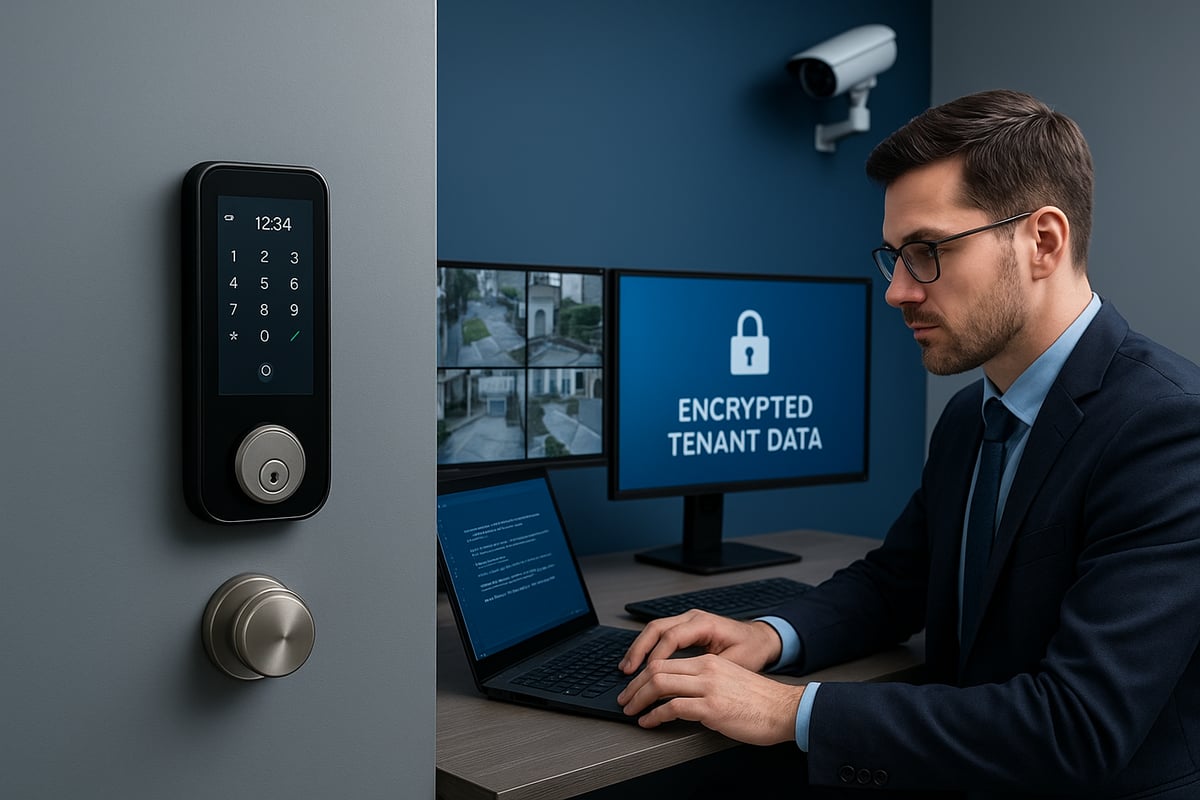
Cybersecurity Risks in Modern Property Management
The rapid adoption of cloud-based management platforms has transformed secure property management, but it has also introduced new vulnerabilities. Ransomware attacks are targeting property databases, locking out owners from vital information and demanding hefty payments. Phishing schemes aimed at staff and tenants can compromise login credentials, leading to unauthorized access or data theft.
Smart buildings equipped with IoT devices, such as smart locks and security cameras, are especially at risk. Hackers have exploited weak device configurations, resulting in breaches that expose tenant data or enable unauthorized entry. In 2025, several high-profile incidents highlighted the financial and legal fallout from these attacks, with some owners facing lawsuits and increased insurance premiums.
To stay ahead of these threats, property managers must understand that secure property management is no longer optional. Regular cybersecurity assessments and awareness of evolving risks are essential for safeguarding both digital and physical assets.
Best Practices for Digital Security
Building a foundation for secure property management starts with robust digital hygiene. Begin by implementing strong password policies and enabling multi-factor authentication for all users. Update software and firmware regularly on every system, from cloud platforms to IoT devices, to patch vulnerabilities.
Encrypt sensitive data, including tenant personal information and financial records. Use secure Wi-Fi networks with dedicated firewalls for property management offices. Staff and tenants should receive regular training to recognize phishing attempts and suspicious activity.
Establish a comprehensive backup and disaster recovery plan to protect against data loss or ransomware. Monitor system logs and set up alerts for unusual activity. For a deeper dive into the latest digital security innovations, review the 2025 Guide: Must-Know Security Trends for Property Managers, which highlights emerging technologies and practical steps for secure property management.
By taking these steps, property owners ensure compliance with privacy regulations and build tenant confidence in their digital infrastructure.
Managing Smart Home and IoT Devices
Smart devices are now integral to secure property management, but each device introduces potential entry points for cyber threats. Start by creating an inventory of all smart locks, cameras, and thermostats across your properties. Work only with reputable vendors and scrutinize their supply chain security practices.
Segment IoT devices onto separate networks, keeping them isolated from core business systems. Actively monitor device activity for any irregularities, such as unexpected access attempts or firmware changes. Ensure that all surveillance and data collection practices adhere to privacy laws, and inform tenants about monitoring where required.
Regular audits of device security settings, combined with timely updates, help prevent vulnerabilities from being exploited. By managing smart systems proactively, property managers maintain secure property management across all digital and physical domains.
Physical Security and Maintenance Protocols
Protecting your property goes beyond locks and cameras. In 2026, secure property management demands a multi-layered approach to physical security and maintenance. Owners and investors must implement proactive strategies to minimize risks, ensure safety, and maintain asset value.
Essential Physical Security Measures
Physical security is the first line of defense in secure property management. Modern properties rely on advanced keyless entry systems and smart locks, providing controlled access while reducing the risk of lost keys or unauthorized duplication. However, these systems must be regularly updated and protected against hacking attempts to maintain their effectiveness.
Surveillance cameras play a critical role in monitoring common areas, entry points, and parking lots. Placement should maximize visibility while respecting tenant privacy, and footage must be stored securely to prevent unauthorized access.
Secure mail and package delivery solutions are increasingly important as online shopping grows. Lockers or monitored package rooms help prevent theft and ensure tenant satisfaction.
Lighting, fencing, and landscaping can deter trespassers and create a safer environment. Well-lit pathways and entrances, combined with clear sightlines, significantly reduce the likelihood of criminal activity.
Emergency response systems, such as intercoms, panic alarms, and clear evacuation protocols, are vital for tenant safety. Regular security audits and risk assessments should be part of every secure property management strategy, helping to identify vulnerabilities before they become liabilities.
Maintenance Practices for Secure Properties
Consistent maintenance is foundational to secure property management. Scheduled inspections allow property managers to detect and address vulnerabilities early, from broken locks to malfunctioning security cameras. Rapid response protocols for repairs and security incidents ensure problems are resolved before they escalate.
Contractor vetting is essential. Only trusted service providers should be granted access, and their entry and exit should be monitored. Digital maintenance logs provide accountability, allowing managers to track work completion and verify that all security-related tasks are performed as required.
Preventive maintenance reduces the risk of costly breakdowns and keeps security systems functioning optimally. For a detailed overview of these protocols, review these property maintenance best practices to further strengthen your secure property management approach.
By weaving regular maintenance into daily operations, owners not only protect physical assets but also foster a safe and reliable environment for tenants. This ongoing commitment is a core element of secure property management.
Insurance and Risk Mitigation
Insurance is a crucial component of secure property management. Policies must be reviewed and updated regularly to reflect new threats, such as cyber risks or advanced physical breaches. Comprehensive liability coverage should address both digital and physical incidents, safeguarding owners against unforeseen events.
Working closely with insurers helps assess risk and identify ways to minimize exposure. Properties equipped with advanced security systems often qualify for premium discounts, providing both protection and cost savings. By integrating insurance with other security measures, owners reinforce their secure property management framework.
Financial Security: Rent Collection, Fraud, and Asset Protection
As secure property management evolves in 2026, financial security forms the backbone of asset protection and sustainable returns. Owners and investors must adopt advanced strategies to counter rising fraud risks, ensure transparent reporting, and safeguard their investments. Each step in this process not only shields your finances but also reinforces trust with tenants and stakeholders.
Secure Rent Collection and Fraud Prevention
Reliable rent collection is a cornerstone of secure property management. Digital payments, such as ACH transfers and secure payment portals, offer speed and transparency, but also require vigilant fraud safeguards. Escrow accounts provide an additional layer of protection, ensuring funds are handled correctly and disputes are minimized.
Payment scams and phishing attempts are on the rise, targeting both owners and tenants. To combat these threats, implement multi-factor authentication, regular monitoring of payment activities, and staff training on red flags. Leveraging reliable rent collection methods helps streamline processes and reduce risk, supporting the integrity of your secure property management system.
Routine audits of payment systems and clear communication with tenants further reduce vulnerabilities. By prioritizing secure rent collection, you protect both your income and your reputation.
Financial Reporting and Asset Protection
Transparent financial reporting is essential for secure property management. Use automated accounting software that generates clear audit trails and complies with current regulations. Regular financial reviews help identify discrepancies quickly, reducing the risk of undetected fraud.
Asset protection strategies are equally critical. Structuring property ownership through LLCs or trusts shields personal assets from liability and legal claims. Ensure your insurance policies are updated to reflect new risks, such as cyber incidents or tenant fraud, which are increasingly relevant in secure property management.
Security deposit handling must follow legal requirements and be managed in dedicated accounts. This not only guarantees compliance but also enhances tenant trust and minimizes disputes. Adopting these measures fortifies your financial position and supports long-term asset growth.
| Asset Protection Strategy | Benefits | Ideal For |
|---|---|---|
| LLC | Limits personal liability | Individual investors |
| Trusts | Estate planning, privacy | Long-term ownership |
| Insurance | Risk transfer | All property portfolios |
Tools, Partnerships, and Lessons Learned
Modern tools are essential for secure property management, enabling real-time monitoring of cash flow and rapid detection of anomalies. Integrate payment platforms with your property management software for seamless reconciliation and instant alerts on suspicious transactions.
Partnering with trusted financial institutions and payment processors ensures your funds are protected by industry-leading security protocols. Choose platforms with robust anti-fraud features and responsive customer support.
Recent case studies highlight the consequences of lax controls, from unauthorized withdrawals to sophisticated phishing attacks. Learning from these incidents, regularly update your security policies and conduct staff training sessions. By adopting a proactive approach, you reinforce secure property management and position your assets for ongoing success.
Future Trends and Innovations in Secure Property Management
The landscape of secure property management is rapidly evolving. Looking to 2026 and beyond, owners and investors face a surge of new technologies, regulatory expectations, and tenant demands. Staying ahead means embracing innovation to keep properties safe, efficient, and attractive.
Predictive Analytics and AI-Driven Insights
Predictive analytics is transforming secure property management. By analyzing historical data, managers can anticipate maintenance needs, spot early signs of equipment failure, and reduce costly emergencies. AI tools also monitor tenant behavior and property usage patterns, allowing for proactive interventions that enhance both security and resident experience.
In 2026, AI-driven platforms are expected to automatically flag unusual access attempts or suspicious activity. This shift not only protects property assets but also boosts operational efficiency. Owners leveraging these innovations gain a significant edge in reducing risks and maximizing returns.
Blockchain and Digital Transaction Security
Blockchain technology is bringing new levels of trust and transparency to secure property management. Digital leasing platforms now use blockchain to verify transactions, safeguard lease agreements, and prevent tampering. This reduces the risk of document fraud and ensures a clear, immutable record of all property dealings.
Virtual property tours and remote security monitoring have also become industry standards. These technologies make it easier for owners to oversee properties from afar and for tenants to feel safe and informed. As more renters expect these options, properties offering advanced digital security are likely to stand out.
ESG Integration and Regulatory Evolution
Environmental, Social, and Governance (ESG) criteria are reshaping secure property management strategies. Security protocols increasingly account for environmental risks, such as extreme weather, and prioritize community well-being. Companies now use ESG metrics to attract socially conscious investors and tenants.
Regulatory changes are another crucial trend. New laws in 2026 require stricter data protection and physical safety standards. To stay compliant, property managers must routinely update protocols and leverage modern technologies. For more on upcoming legal shifts, see Navigating New Laws in 2026.
Meeting Tenant Demand and Preparing for Emerging Risks
Tenant expectations are higher than ever. According to recent data, 71% of Apartment Renters Want More Security. This trend drives adoption of smarter locks, enhanced surveillance, and secure digital communication channels.
Looking ahead, secure property management must also address new threats, including climate-related risks and sophisticated digital fraud. Owners who invest in training, technology, and continuous risk assessment will be best positioned to protect their assets and foster long-term tenant trust.
As you’ve seen, navigating property management in 2026 means staying ahead of evolving risks—from advanced tenant fraud and cyber threats to changing legal requirements. You deserve peace of mind knowing your investments are protected by proven strategies and personalized support. With over four decades of expertise, Coxe Property Management and Leasing is here to help you secure your properties, maximize returns, and simplify ownership in the Greater New Orleans area. Ready to take the next step toward safer, more profitable property management Let us tailor a solution for you—Get Your Free Quote Today!