

Owning rental properties can be a lucrative investment strategy, but the day-to-day responsibilities of managing tenants, maintenance, and finances often overwhelm property owners. Residential real estate property management encompasses the comprehensive oversight of rental homes, apartments, condominiums, and multi-family units, ensuring that properties remain profitable while maintaining positive tenant relationships. Whether you own a single-family home or a portfolio of properties across the Greater New Orleans area, understanding the fundamentals of property management can mean the difference between passive income and constant stress.
The Core Responsibilities of Property Management
Residential real estate property management involves multiple interconnected functions that require consistent attention and expertise. Property managers serve as the critical link between owners and tenants, handling everything from initial marketing to final move-out inspections.
Tenant Acquisition and Screening
Finding qualified tenants represents one of the most crucial aspects of successful property management. The screening process protects your investment by identifying reliable renters who will pay on time and care for your property. Professional tenant screening services typically include:
- Comprehensive background checks reviewing criminal history
- Credit report analysis to assess financial responsibility
- Employment and income verification ensuring rent affordability
- Previous landlord references confirming rental history
- Eviction history searches identifying potential risks
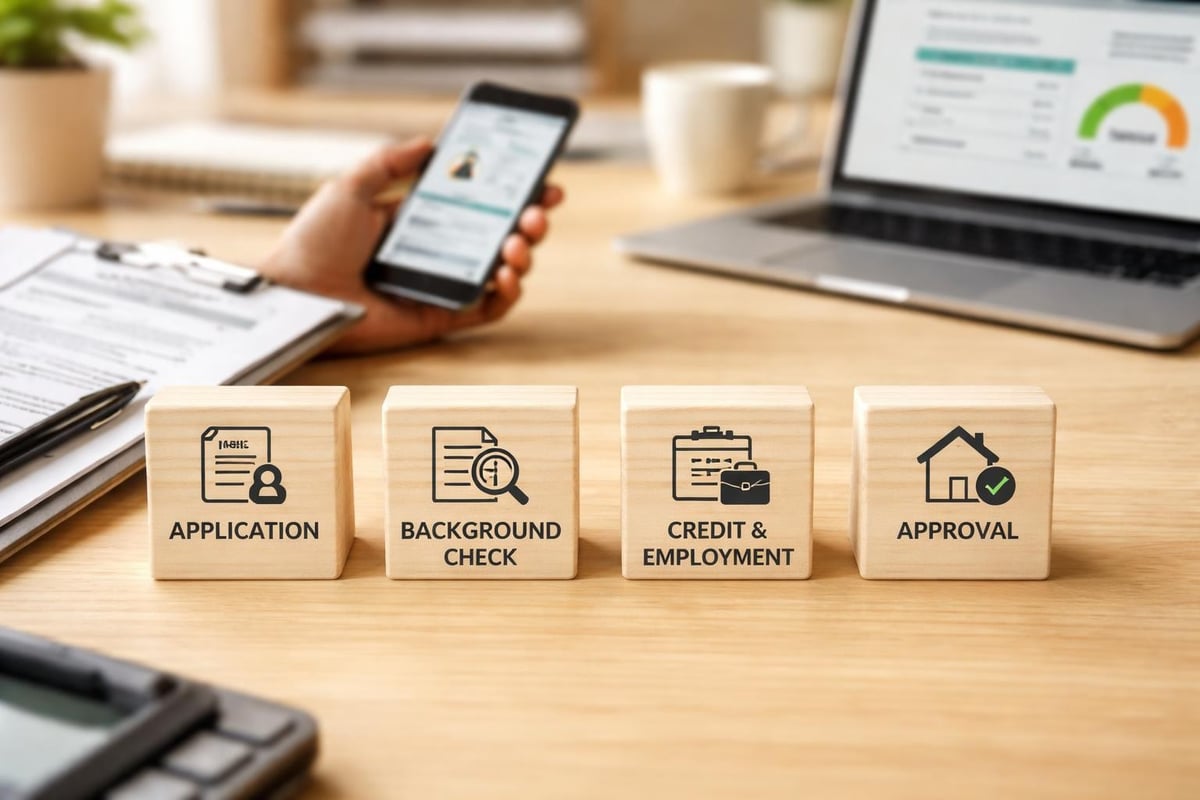
The tenant selection process directly impacts vacancy rates, property condition, and long-term profitability. A thorough screening approach reduces turnover costs and minimizes legal complications down the road.
Financial Management and Rent Collection
Maintaining accurate financial records and ensuring consistent rent collection forms the financial backbone of residential real estate property management. Property managers must implement systematic approaches to handle monthly revenue streams while tracking expenses.
Modern rent collection systems streamline the payment process through automated reminders, online portals, and electronic transfers. These tools reduce late payments while providing tenants with convenient payment options. Detailed financial reporting allows property owners to monitor performance, track tax-deductible expenses, and make informed investment decisions.
| Financial Task | Frequency | Purpose |
|---|---|---|
| Rent collection | Monthly | Generate revenue and track payment patterns |
| Expense tracking | Ongoing | Monitor costs and identify savings opportunities |
| Owner statements | Monthly | Report financial performance and distributions |
| Tax documentation | Annual | Prepare for tax filing and maximize deductions |
| Budget planning | Annual | Forecast income and plan for capital improvements |
Property Maintenance and Repairs
Effective property maintenance preserves asset value while keeping tenants satisfied. Residential real estate property management requires both reactive responses to immediate issues and proactive prevention strategies.
Preventive Maintenance Programs
Implementing scheduled maintenance reduces emergency repairs and extends the lifespan of major systems. Regular inspections identify small problems before they escalate into expensive disasters.
A comprehensive preventive maintenance calendar includes HVAC system servicing twice yearly, gutter cleaning each season, annual roof inspections, water heater flushing, and smoke detector testing. These routine tasks prevent costly replacements and demonstrate responsible property stewardship.
Emergency Response Systems
Tenants expect prompt responses to urgent issues like plumbing leaks, heating failures, or security concerns. Establishing 24/7 emergency protocols with trusted contractors ensures rapid resolution while protecting your property from further damage.
Response time standards vary by issue severity:
- Life-safety emergencies (gas leaks, electrical hazards) require immediate response
- Essential service failures (no heat in winter, major plumbing issues) need same-day attention
- Non-emergency repairs can be scheduled within 48-72 hours
- Routine maintenance requests are addressed within one week
Building relationships with licensed, insured contractors guarantees quality work at fair prices. Many successful property managers maintain preferred vendor lists with pre-negotiated rates, reducing both costs and response times.
Legal Compliance and Risk Management
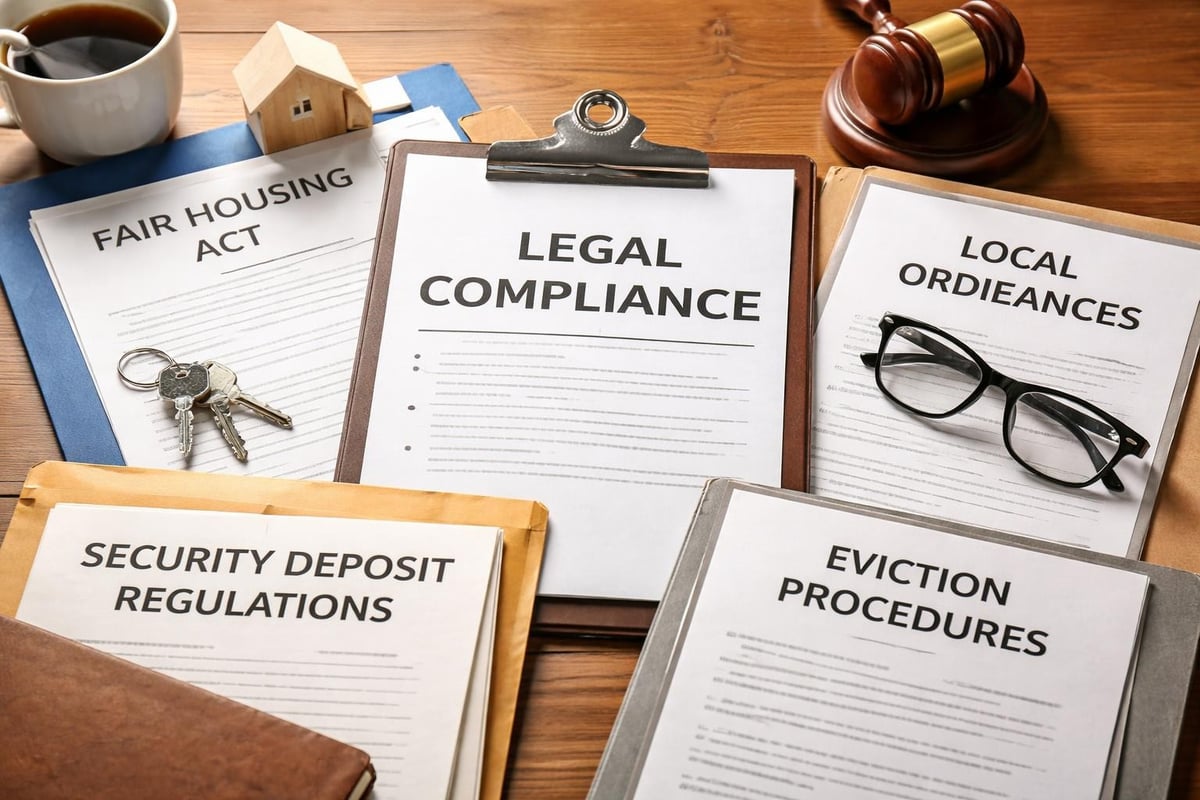
Understanding landlord-tenant law is essential for residential real estate property management. Federal, state, and local regulations govern every aspect of the rental relationship, from security deposits to eviction procedures.
Fair Housing Compliance
The Fair Housing Act prohibits discrimination based on race, color, national origin, religion, sex, familial status, or disability. Property managers must ensure all policies, marketing materials, and tenant interactions comply with these protected classes. Consistent application of screening criteria and documented decision-making processes protect against discrimination claims.
State-specific regulations add additional layers of complexity. For instance, California property management laws include specific requirements for security deposit handling, while other states have unique notice requirements for entry or lease termination.
Licensing and Professional Credentials
Many states require property management licenses for individuals managing properties on behalf of others. Licensing requirements typically include pre-licensing education, examination, and continuing education to maintain credentials.
Professional designations like the Certified Property Manager (CPM) credential demonstrate advanced expertise and commitment to industry standards. These certifications require extensive experience, education, and adherence to ethical codes.
Technology Integration in Modern Property Management
Digital transformation has revolutionized residential real estate property management over the past decade. Cloud-based platforms centralize operations, improve communication, and provide real-time insights into portfolio performance.
Property Management Software Features
Comprehensive software solutions integrate multiple functions into unified systems. Modern platforms offer online rent payment processing, automated lease generation and e-signature capabilities, maintenance request tracking and work order management, tenant and owner portals for 24/7 access, and accounting integration with QuickBooks or similar systems.
These tools reduce administrative burden while improving accuracy and transparency. Tenants appreciate the convenience of online portals for submitting maintenance requests or accessing lease documents without phone calls or office visits.
Data Analytics and Performance Metrics
Property management software generates detailed reports that inform strategic decisions. Key performance indicators include occupancy rates, average days to lease, maintenance costs per unit, tenant turnover percentages, and net operating income trends.
Analyzing these metrics reveals patterns that drive operational improvements. High turnover in specific properties might indicate maintenance issues or pricing problems, while increasing maintenance costs could signal the need for capital improvements.
Building Effective Tenant Relationships
Successful residential real estate property management balances business objectives with tenant satisfaction. Happy tenants renew leases, reducing costly turnover and maintaining stable cash flow.
Communication Strategies
Clear, consistent communication prevents misunderstandings and builds trust. Establishing multiple communication channels accommodates different tenant preferences, whether email, text messaging, phone calls, or online portals.
Best practices for tenant communication include responding to inquiries within 24 hours, providing detailed move-in documentation with photos, sending regular property updates and newsletters, giving proper notice before property entries, and maintaining professional boundaries while being approachable.
Regular property inspections, typically conducted quarterly or semi-annually, allow managers to identify maintenance needs while demonstrating active property oversight. Documenting these inspections protects both parties and provides evidence of property condition over time.
| Communication Type | Purpose | Recommended Frequency |
|---|---|---|
| Lease renewal notices | Retain quality tenants | 60-90 days before lease end |
| Maintenance updates | Keep tenants informed | As needed |
| Policy reminders | Ensure compliance | Quarterly |
| Satisfaction surveys | Gather feedback | Annually |
| Community newsletters | Build relationships | Monthly or quarterly |
Financial Optimization Strategies
Maximizing returns while controlling costs requires strategic financial management. Understanding property management best practices helps owners optimize their investment performance.
Revenue Enhancement
Beyond basic rent collection, property managers can increase revenue through several approaches. Regular market analysis ensures competitive pricing that maximizes income without excessive vacancy. Strategic improvements like updated kitchens or energy-efficient appliances justify rent increases while attracting quality tenants.
Additional income streams might include pet fees, parking charges, storage unit rentals, or laundry facilities in multi-family properties. Each revenue opportunity must balance income potential against tenant satisfaction and market competitiveness.

Expense Control
Controlling costs without sacrificing quality requires careful vendor management and strategic planning. Bulk purchasing agreements for common supplies, energy-efficient upgrades reducing utility costs, proactive maintenance preventing expensive emergency repairs, and competitive bidding for major projects all contribute to improved profit margins.
Insurance represents a significant expense that warrants regular review. Comparing policies annually and adjusting coverage based on property improvements ensures adequate protection at competitive rates.
Scaling Property Management Operations
As portfolios grow, residential real estate property management becomes increasingly complex. Systems that work for five units may fail at fifty, requiring operational adjustments and potentially professional management support.
When to Hire Professional Management
Property owners often reach a tipping point where self-management becomes impractical. Indicators that professional management makes sense include managing properties from distant locations, lacking time for tenant calls and maintenance coordination, finding legal compliance overwhelming, or experiencing difficulty scaling operations efficiently.
Professional property management services provide expertise, systems, and vendor networks that individual owners struggle to replicate. While management fees typically range from 8-12% of collected rent, the time savings, reduced stress, and improved operations often justify the investment.
Portfolio Diversification Considerations
Experienced property managers understand that different property types require varying management approaches. Single-family homes, multi-family apartments, condominiums, and townhomes each present unique challenges and opportunities.
Understanding key concepts in property management helps owners make informed decisions about portfolio composition and management strategies. Geographic concentration offers operational efficiencies but increases market risk, while diversification across neighborhoods or property types provides stability during market fluctuations.
Industry Trends Shaping Property Management
The residential real estate property management industry continues evolving in response to technological innovation, demographic shifts, and changing tenant expectations. Understanding these trends positions property owners for future success.
Smart Home Integration
Smart technology increasingly influences tenant expectations and property operations. Smart locks enable keyless entry and remote access control, programmable thermostats reduce energy costs, water leak detectors prevent catastrophic damage, and security cameras enhance safety while reducing liability.
These technologies offer dual benefits by attracting tech-savvy tenants while providing property managers with enhanced monitoring and control capabilities. Initial investment costs are often recovered through reduced maintenance expenses and improved tenant retention.
Sustainability and Energy Efficiency
Environmental consciousness drives demand for sustainable housing options. Energy-efficient appliances, LED lighting, improved insulation, and water-saving fixtures appeal to environmentally conscious tenants while reducing operating costs.
Green certifications and energy audits differentiate properties in competitive markets. Many jurisdictions offer tax incentives or rebates for energy-efficient upgrades, improving return on investment for these improvements.
Professional Development and Continuing Education
Excellence in residential real estate property management requires ongoing learning and skill development. The industry's complexity and frequent regulatory changes demand commitment to professional growth.
Successful property managers pursue continuing education through industry conferences, professional association memberships, specialized training programs, and state-required licensing courses. Networking with peers provides valuable insights into emerging challenges and innovative solutions.
Following essential property management tips from industry experts helps managers stay current with best practices while avoiding common pitfalls. Learning from experienced professionals accelerates skill development and prevents costly mistakes.
Market Analysis and Competitive Positioning
Understanding local market dynamics is fundamental to residential real estate property management success. Regular market analysis informs pricing decisions, identifies emerging trends, and reveals competitive advantages.
Comprehensive market research examines comparable property rents, vacancy rates across neighborhoods, demographic trends affecting housing demand, new construction impacting supply, and economic indicators influencing rental demand.
This data-driven approach replaces guesswork with strategic decision-making. Properties priced appropriately for current market conditions minimize vacancy while maximizing revenue, directly impacting overall portfolio performance.
Effective residential real estate property management combines operational excellence, legal knowledge, financial acumen, and relationship management to protect and enhance property investments. Whether you're managing your first rental property or overseeing an extensive portfolio, implementing these proven strategies positions you for sustainable success. With over four decades of experience managing nearly $1 billion in assets across the Greater New Orleans area, Coxe Property Management and Leasing provides the expertise and personalized service that property owners need to achieve hassle-free ownership and optimal returns.