

The rental market in 2026 is rapidly evolving, unlocking new opportunities for property owners and investors. With digital transformation and shifting tenant needs, both landlords and renters face fresh challenges in securing reliable, profitable arrangements.
Navigating the complexities of renting of property now requires more than traditional methods. Owners must adapt to emerging technologies, changing regulations, and rising tenant expectations.
This article delivers seven actionable tips designed to help you achieve success in renting of property during 2026. Each tip addresses a specific modern challenge, from pricing strategies to leveraging technology.
Ready to maximize your rental outcomes and stay ahead of the curve? Continue reading to discover the essential strategies for thriving in today’s dynamic rental landscape.
Understanding the 2026 Rental Market Landscape
The rental market in 2026 is experiencing rapid transformation, presenting both opportunities and challenges for those involved in renting of property. Understanding the new landscape is crucial for success, as recent shifts are reshaping how landlords and tenants connect.

Technology is at the heart of the 2026 market. AI-driven platforms, virtual tours, and automated property management have become standard in renting of property. PropTech innovations streamline everything from lease signing to rent collection, while smart home features like remote-controlled lighting and security systems now attract premium tenants. According to Key Rental Market Trends for 2026, digital transformation is not just a luxury but a necessity for competitive rentals.
Tenant expectations have evolved as well. Modern renters, especially Gen Z and remote workers, prioritize flexibility, high-speed internet, and eco-conscious amenities when considering renting of property. Digital communication, such as instant messaging and tenant portals, is now the norm. Multi-generational households and a preference for pet-friendly policies are also influencing rental choices, making adaptability a key factor for attracting reliable tenants.
Regulatory changes are shaping the landscape further. New rent control measures, short-term rental laws, and enhanced tenant protections are impacting renting of property across many states. Landlords must stay informed about evolving compliance requirements to avoid costly fines. Economic factors like fluctuating interest rates and inflation are also affecting rental yields and influencing both supply and demand.
Comparing 2026 to previous years reveals notable shifts. Vacancy rates have decreased in many urban centers, while average rental yields have grown steadily. Market growth projections suggest continued demand for innovative, well-managed rentals. Those who adapt to these trends in renting of property will be best positioned for success in a changing market.
7 Essential Tips for Successful Renting of Property in 2026
Adapting to the future of renting of property means being proactive, informed, and ready to meet new demands. In 2026, property owners will need to blend technology, flexibility, and compliance to achieve consistent rental success. Here are seven essential tips to help you not only keep pace but excel in the evolving landscape of renting of property.
1. Prepare Your Property for Modern Renters
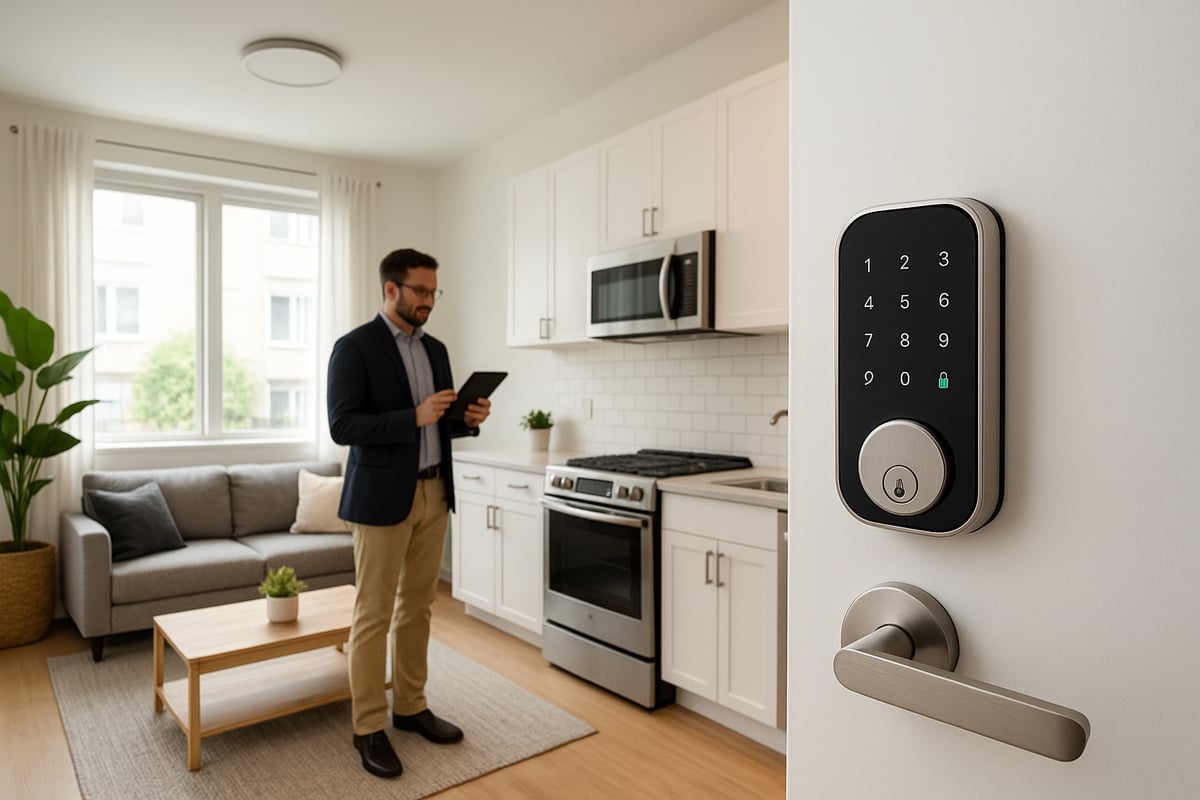
Success in renting of property in 2026 begins with understanding what today’s renters want. High-speed internet is non-negotiable, as remote work and streaming are standard. Smart home features, like digital locks, programmable thermostats, and remote lighting, attract tech-savvy tenants. Energy-efficient appliances and eco-friendly upgrades not only appeal to environmentally conscious renters but also reduce utility costs.
Professional cleaning and staging are critical, especially for virtual tours. A spotless, well-presented home photographs better and makes a strong impression during 3D walkthroughs. Consider minor renovations such as repainting, updating fixtures, or installing new flooring. These cost-effective changes can yield significant increases in rental value.
Properties with modern amenities consistently outperform traditional units. For example, homes with smart features rent 20 percent faster and often command higher rates. Security systems, video doorbells, and leak detectors add peace of mind for both owners and tenants.
To maximize your return on renting of property, assess which upgrades offer the best ROI for your market. In urban apartments, focus on connectivity and security. For family homes, invest in efficient appliances and outdoor spaces. Even small investments, like LED lighting or touchless faucets, can make your listing stand out in 2026’s competitive market.
2. Set a Competitive and Flexible Rental Price
Setting the right price is a cornerstone of successful renting of property. In 2026, dynamic pricing tools powered by AI analyze market data, local demand, and seasonal trends to optimize rent. This technology helps landlords stay competitive and minimize vacancy periods.
Begin with a comparative market analysis, reviewing similar properties in your area. Consider factors like square footage, amenities, and location. Adjust your price for unique features or recent upgrades. Flexibility is also key; offering short-term leases, rent incentives, or pet-friendly policies can widen your pool of applicants.
Monitor local trends and be ready to adjust pricing seasonally. For example, rental demand may spike in the summer or near university campuses during the academic year. Data from major US cities shows average rent increases of 3 to 5 percent annually from 2024 to 2026, but local variations can be significant.
Factor in all costs when calculating your rental rate. Maintenance, management fees, insurance, and unexpected repairs should be included to ensure profitability. A transparent pricing strategy supports long-term success in renting of property, reducing turnover and attracting reliable tenants.
3. Optimize Your Marketing and Listing Strategy
Effective marketing is essential for renting of property quickly and at the best price. High-quality photos and 3D walkthroughs provide an immersive experience, helping listings stand out. Compelling descriptions should highlight unique features, recent upgrades, and neighborhood amenities.
In 2026, the best results come from a mix of online platforms. Major rental websites, social media channels, and niche apps all play a role. SEO-optimized listings and targeted ads ensure your property reaches ideal tenants. Use relevant keywords and location tags to improve search visibility.
Virtual open houses and AI chatbots streamline lead generation, offering instant responses to inquiries. Professional property management marketing services can handle these tasks, maximizing exposure and minimizing vacancy.
Statistics show that renters increasingly use mobile devices and social platforms to search for homes. Listings with professional photography and virtual tours receive up to 50 percent more inquiries. To succeed in renting of property, embrace new marketing tools and stay current with renter search behaviors.
A well-crafted listing, paired with proactive outreach, will help you fill vacancies quickly and with high-quality tenants.
4. Screen Tenants Thoroughly and Fairly
Thorough tenant screening is vital for protecting your investment when renting of property. In 2026, legal requirements are stricter, with the Fair Housing Act and evolving local laws governing the process. Utilize AI-powered background checks and fraud detection tools to verify identity, income, and rental history.
Always confirm employment and review pay stubs or bank statements. Contact previous landlords to assess payment history and behavior. Watch for red flags such as inconsistent information, prior evictions, or unverifiable income.
Transparency is critical. Communicate your screening criteria up front and treat all applicants fairly. Automated systems must be reviewed for bias to ensure compliance and fairness.
According to industry data, eviction rates drop significantly with robust screening protocols. Efficient, fair screening balances risk reduction and tenant satisfaction. For more strategies on elevating your process, explore Tenant screening best practices.
Document every step, retain records, and stay informed about local requirements. With the right approach, you’ll minimize risk and build positive, long-term relationships when renting of property.
5. Draft a Comprehensive and Future-Proof Lease Agreement
A robust lease agreement is your foundation for successful renting of property. Clearly outline terms for rent, duration, maintenance, and digital communication. In 2026, leases should address remote work arrangements, subletting, and detailed pet policies.
Stay current with changing rental laws to ensure compliance. Include clauses for digital signatures and document storage to streamline the process. Regularly review and update your lease templates to reflect new regulations and best practices.
Disputes often arise from vague terms or outdated agreements. A future-proof lease reduces misunderstandings and provides clear guidance during conflicts. For example, specifying maintenance responsibilities or procedures for after-hours issues can prevent costly disagreements.
Leverage legal resources and professional review services to ensure your leases are comprehensive. Use e-signatures for efficiency and secure digital storage for easy access. When renting of property, a well-drafted lease protects both parties and simplifies management.
6. Prioritize Responsive Communication and Maintenance
Tenant satisfaction is closely tied to responsive management in renting of property. In 2026, digital communication tools like tenant portals, messaging apps, and email support 24 7 access. These platforms allow tenants to submit maintenance requests, ask questions, and receive updates in real time.
Proactive maintenance is equally important. Use tracking apps to schedule regular inspections and address issues before they escalate. Properties with responsive management report lower turnover rates and higher tenant retention.
Offer multiple communication channels to suit tenant preferences. Rapid response to emergencies, even after hours, demonstrates professionalism and builds trust. Document all interactions and maintenance activities for accountability.
A clear maintenance schedule, combined with open communication, enhances the overall experience of renting of property, leading to positive reviews and long-term occupancy.
7. Stay Informed and Adapt to Regulatory Changes
Staying updated on laws and regulations is essential for risk-free renting of property. Upcoming changes in rental law, zoning updates, and compliance requirements can impact your responsibilities as a landlord.
Join landlord associations and networking groups to stay connected with industry updates. Subscribe to newsletters and attend webinars focused on legislative changes. Use digital tools to track deadlines and new requirements.
Ignoring new regulations can result in costly fines or legal disputes. For example, changes to rent control or tenant protections may affect your lease terms or pricing strategy. Seek legal counsel or professional advice when needed to avoid mistakes.
Documentation and ongoing education are your best defense. By remaining informed, you’ll adapt quickly and maintain success in renting of property, regardless of market shifts.
Leveraging Technology for Seamless Property Management
The landscape of renting of property is being transformed by rapid technological advancements. In 2026, landlords who embrace digital tools are positioned to maximize efficiency, minimize errors, and provide a superior experience for their tenants. Understanding and leveraging these innovations is crucial for anyone looking to stay competitive in the modern rental market.
Integrating Smart Tools and Automation
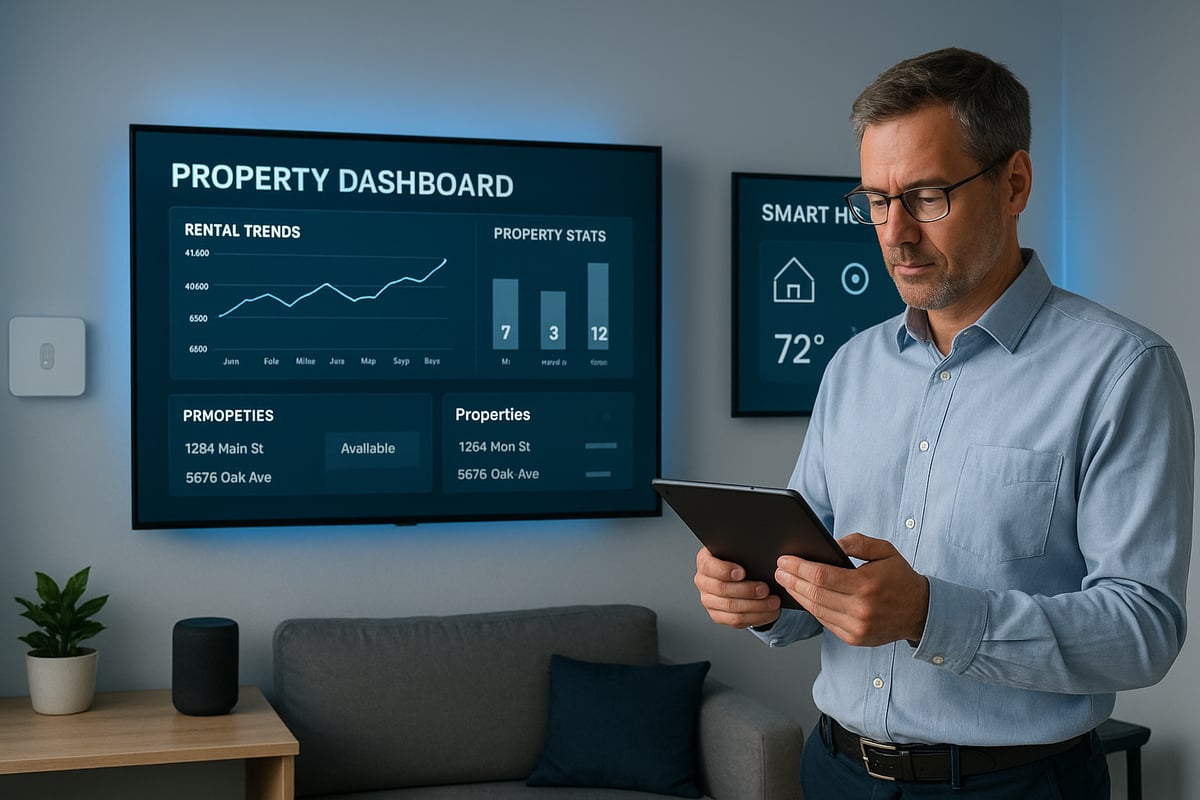
Technology is now central to the successful renting of property. Property management software streamlines rent collection, tracks maintenance, and facilitates real-time communication between landlords and tenants. These platforms automate reminders, organize schedules, and reduce administrative workload, making property oversight more efficient than ever before.
AI and machine learning are transforming tenant screening and lease renewals. With automated background checks and predictive analytics, landlords can identify reliable tenants quickly and with fewer errors. This not only speeds up the renting of property but also reduces the risk of costly mistakes.
IoT devices are revolutionizing property monitoring and energy management. Smart thermostats, leak detectors, and security cameras provide real-time alerts, helping prevent damage and lower utility costs. These features are especially attractive to tenants who value safety and sustainability in renting of property.
Consider the following comparison of leading property management platforms in 2026:
| Platform | Key Features | Ideal For | Average Cost |
|---|---|---|---|
| Appfolio | AI screening, automation | Multi-unit owners | $1.50/unit/mo |
| Buildium | Maintenance tracking, portals | Small portfolios | $50+/mo |
| Propertyware | Customizable, IoT integration | Large portfolios | $1.00/unit/mo |
Adoption of digital solutions is on the rise. According to the PropTech Market Forecast 2026–2035, the use of PropTech in renting of property is projected to increase by over 30% through 2026, driven by demand for automation and efficiency.
The ROI from digital transformation is significant. Automation reduces time spent on routine tasks, minimizes human errors, and improves tenant satisfaction. For landlords, this often translates into higher retention rates, fewer vacancies, and lower overall management costs.
To stay ahead, explore top-rated apps for maintenance requests, rent payment, and virtual communication. By integrating these smart tools, landlords can ensure that their approach to renting of property is both modern and seamless.
Navigating Common Challenges in Property Renting
Navigating the modern landscape of renting of property requires resilience and adaptability. Even experienced landlords face recurring hurdles, from prolonged vacancies to late rent and tenant disputes. Understanding these common issues and having proven strategies in place can make all the difference for successful renting of property.

Solutions for Vacancy, Late Payments, and Tenant Disputes
Vacancy is one of the biggest concerns in renting of property. Extended periods without tenants can quickly erode profits. To minimize this, consider flexible lease terms, seasonal promotions, and targeted marketing to attract a broader pool of renters. Utilizing data-driven pricing tools and listing across high-traffic platforms can also reduce average vacancy durations, which in 2026 have hovered around 30 days for many urban markets.
Late payments create cash flow issues and strain the landlord-tenant relationship. Implementing automated payment reminders, offering digital payment options, and establishing clear late fee policies are effective solutions. Many landlords also find success by providing incentives for on-time payments, such as small rent discounts or gift cards. Consistent communication and a transparent payment process help set expectations and build trust in the renting of property process.
Tenant disputes and property damage pose legal and financial risks. Proactive screening, detailed move-in inspections, and clear lease clauses are essential preventive measures. When conflicts arise, mediation services and prompt, documented responses can resolve issues before escalation. It is crucial to maintain organized records of all interactions and repairs. For added protection and to ensure compliance, consult resources such as Legal guidance for landlords, which provide expert support for documentation and dispute resolution.
Staying informed, prepared, and responsive is vital for overcoming the challenges of renting of property. By applying these best practices, landlords can protect their investments, foster positive tenant relations, and achieve long-term rental success.
Whether you’re new to renting or a seasoned property owner, navigating the ever changing rental landscape in 2026 can feel overwhelming—but you don’t have to do it alone. With these seven essential tips, you’re already one step closer to success. At Coxe Property Management and Leasing, we use decades of expertise and the latest technology to help you attract top tenants, set the right rent, and keep your property running smoothly. If you’re ready for hassle free ownership and want a personalized approach, Get Your Free Quote Today!