

Managing a rental management property requires balancing multiple responsibilities, from selecting qualified tenants to maintaining the physical asset and ensuring regulatory compliance. Whether you own a single-family home or a multi-unit complex, understanding the fundamental principles of property management can mean the difference between consistent profitability and costly vacancies. Property owners across the United States are increasingly recognizing that successful rental operations demand both strategic planning and meticulous attention to daily operations. This comprehensive guide explores the essential components of rental management property operations, offering practical insights for maximizing returns while minimizing stress.
Understanding the Scope of Rental Management Property Operations
Rental management property encompasses far more than collecting monthly rent checks. The discipline involves a comprehensive suite of responsibilities that directly impact property value, tenant satisfaction, and long-term financial performance.
Core responsibilities include:
- Tenant acquisition and screening processes
- Lease agreement preparation and enforcement
- Rent collection and financial accounting
- Property maintenance and emergency repairs
- Legal compliance and regulatory adherence
- Tenant relations and conflict resolution
The complexity of these tasks has led many property owners to recognize the value of professional management services. According to comprehensive rental management guides, establishing systematic processes for each operational area creates consistency and reduces costly mistakes.
Financial Management and Budgeting
Successful rental management property operations begin with robust financial systems. Property owners must track multiple revenue streams and expense categories while maintaining accurate records for tax purposes and investment analysis.
| Financial Category | Key Components | Tracking Frequency |
|---|---|---|
| Revenue | Rent payments, late fees, application fees | Monthly |
| Operating Expenses | Maintenance, utilities, insurance, property taxes | Monthly |
| Capital Expenditures | Major repairs, upgrades, renovations | As incurred |
| Administrative Costs | Management fees, legal services, accounting | Monthly |
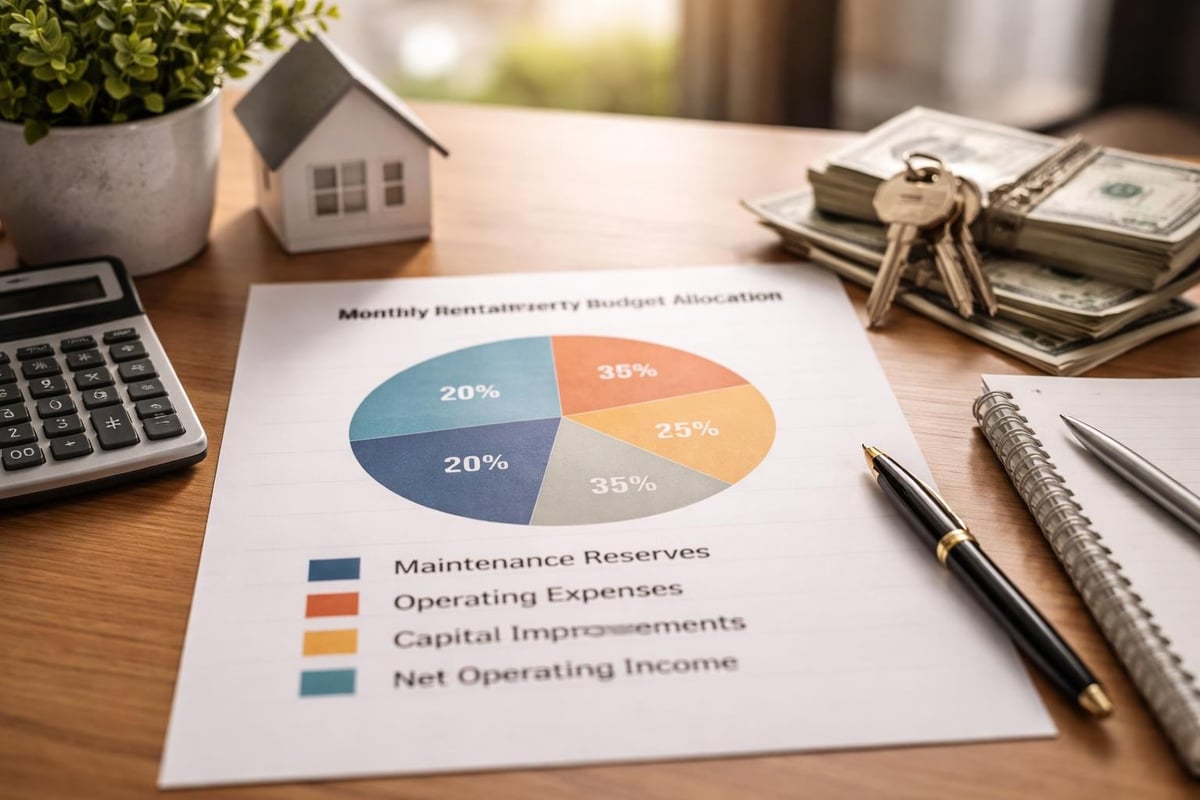
Maintaining separate bank accounts for rental income and expenses simplifies accounting and provides clear financial visibility. Many property managers recommend setting aside 20-30% of rental income for maintenance reserves, ensuring funds are available when unexpected repairs arise.
Tenant Screening and Selection Processes
The foundation of successful rental management property operations lies in selecting reliable, responsible tenants. A thorough screening process protects your investment and reduces turnover costs while creating stable, long-term tenancy relationships.
Effective tenant screening involves multiple verification steps. Professional tenant screening services typically examine credit history, employment verification, rental history, and criminal background checks. This comprehensive approach identifies potential red flags before signing lease agreements.
Creating Objective Selection Criteria
Establishing consistent, non-discriminatory criteria ensures fair treatment of all applicants while protecting property owners from liability.
Essential screening criteria include:
- Minimum credit score of 620-650 for most rental markets
- Income verification demonstrating 2.5-3 times monthly rent
- Rental history with positive landlord references
- Employment stability showing consistent work history
- Background check revealing no recent evictions or serious criminal activity
The best practices for rental property management emphasize documenting your selection criteria and applying them uniformly to all applicants. This consistency protects against fair housing violations while streamlining the decision-making process.
Documentation requirements should be clearly communicated in rental applications. Request pay stubs, employment letters, previous landlord contact information, and authorization for background checks. This transparency sets professional expectations from the initial interaction.
Property Maintenance and Preventive Care
Rental management property success depends heavily on maintaining the physical asset in excellent condition. Proactive maintenance preserves property value, reduces emergency repair costs, and keeps tenants satisfied.
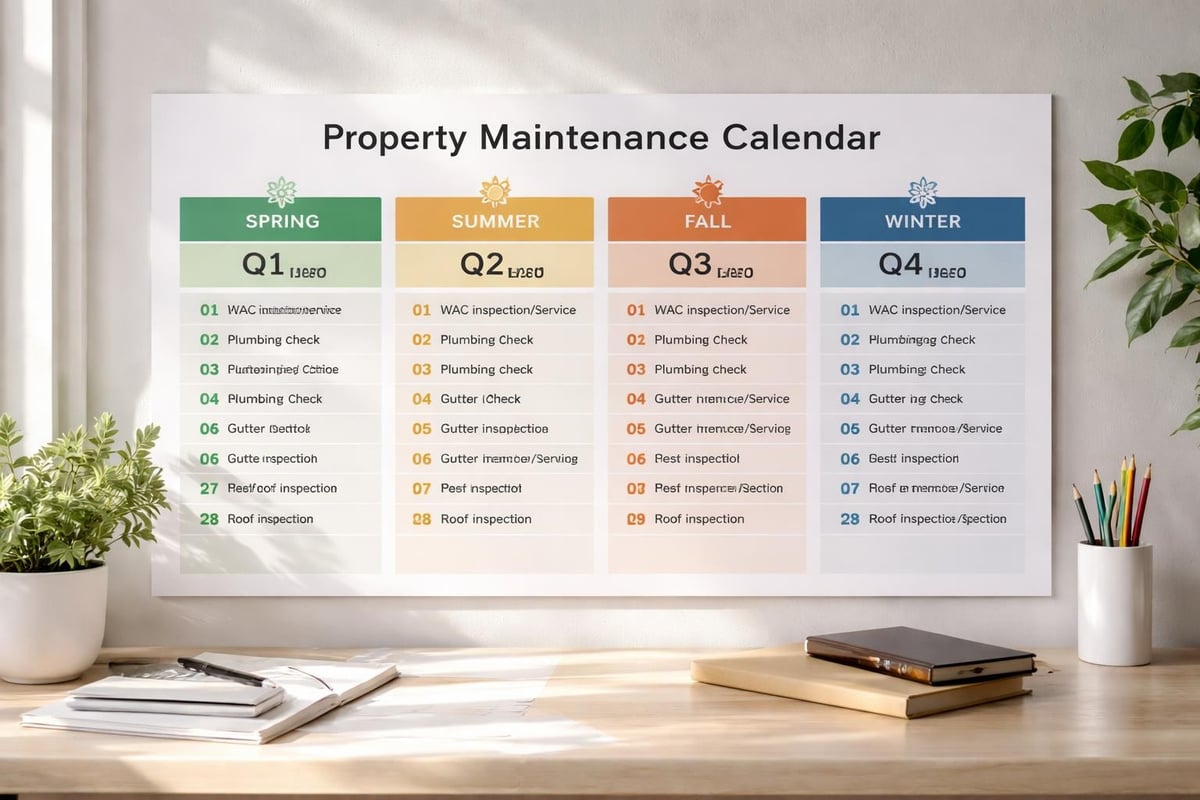
Developing a preventive maintenance schedule addresses potential problems before they become expensive emergencies. Seasonal inspections identify issues like roof damage, HVAC inefficiency, or plumbing leaks while they remain manageable.
Establishing Maintenance Protocols
Quarterly maintenance tasks:
- HVAC filter replacement and system inspection
- Gutter cleaning and drainage verification
- Smoke detector and carbon monoxide alarm testing
- Exterior inspection for damage or pest activity
Annual maintenance requirements:
- Water heater inspection and flushing
- Roof and foundation examination
- Appliance maintenance and testing
- Paint and cosmetic repairs as needed
Coordinating with reliable contractors ensures repairs are completed promptly and professionally. Property maintenance services often maintain relationships with licensed plumbers, electricians, and HVAC technicians who respond quickly to tenant requests.
Emergency maintenance protocols require clear communication channels. Providing tenants with 24/7 contact information for urgent issues like water leaks, heating failures, or security concerns demonstrates professionalism and protects the property from extensive damage.
Legal Compliance and Regulatory Requirements
Rental management property operations must navigate complex legal frameworks varying by state, county, and municipality. Understanding applicable regulations protects property owners from costly violations and litigation.
Federal fair housing laws prohibit discrimination based on race, color, national origin, religion, sex, familial status, or disability. State and local ordinances may extend protections to additional categories like sexual orientation, gender identity, or source of income.
Lease Agreements and Legal Documentation
Comprehensive lease agreements establish clear expectations and protect both parties' interests. Essential lease components include rental amount, payment due dates, security deposit terms, maintenance responsibilities, and occupancy limits.
| Lease Component | Purpose | Legal Consideration |
|---|---|---|
| Rent Amount & Due Date | Establishes payment obligations | Must comply with rent control laws |
| Security Deposit Terms | Protects against damage | State limits on amount and handling |
| Maintenance Duties | Defines responsibility | Must meet habitability standards |
| Termination Clauses | Outlines exit procedures | Requires proper notice periods |
State-specific regulations govern security deposit handling, eviction procedures, and disclosure requirements. Property management regulations guides provide valuable insights into regional compliance requirements.
Eviction processes require strict adherence to legal procedures. Improper handling can result in case dismissal, financial penalties, and extended tenant occupancy without payment. Understanding notice requirements, court filing procedures, and tenant rights protects property owners during difficult situations.
Marketing and Tenant Acquisition Strategies
Minimizing vacancy periods directly impacts rental management property profitability. Effective marketing attracts qualified applicants quickly while competitive pricing ensures properties don't languish on the market.
Professional photography showcases properties in their best light. High-quality images highlighting key features, natural light, and spatial flow generate more inquiries than amateur smartphone photos. Virtual tours have become increasingly important, allowing prospective tenants to evaluate properties remotely.
Competitive Pricing Analysis
Research comparable properties in your market to establish competitive rental rates. Consider factors like square footage, amenities, location, condition, and recent updates when positioning your property.
Pricing factors to evaluate:
- Neighborhood rental trends and average rates
- Property condition and recent improvements
- Included amenities (parking, laundry, utilities)
- Seasonal demand fluctuations
- Current market inventory levels
Managing rental properties effectively requires understanding market dynamics and adjusting strategies accordingly. During peak rental seasons, properties may command premium rates, while off-season periods might require incentives like reduced deposits or one month free rent.
Multiple listing platforms expand reach beyond traditional classified ads. Posting on Zillow, Apartments.com, Craigslist, and social media platforms maximizes exposure to potential tenants actively searching for rentals.
Technology Integration for Operational Efficiency
Modern rental management property operations leverage technology to streamline administrative tasks, improve communication, and enhance financial tracking. Property management software consolidates multiple functions into unified platforms.
Key software capabilities include:
- Online rent collection and automated payment processing
- Maintenance request submission and tracking
- Document storage and lease management
- Tenant screening and application processing
- Financial reporting and expense tracking
- Communication tools for tenant interactions
Digital rent collection reduces late payments and eliminates manual check processing. Tenants appreciate the convenience of automated payments, while property owners benefit from predictable cash flow and reduced administrative burden.
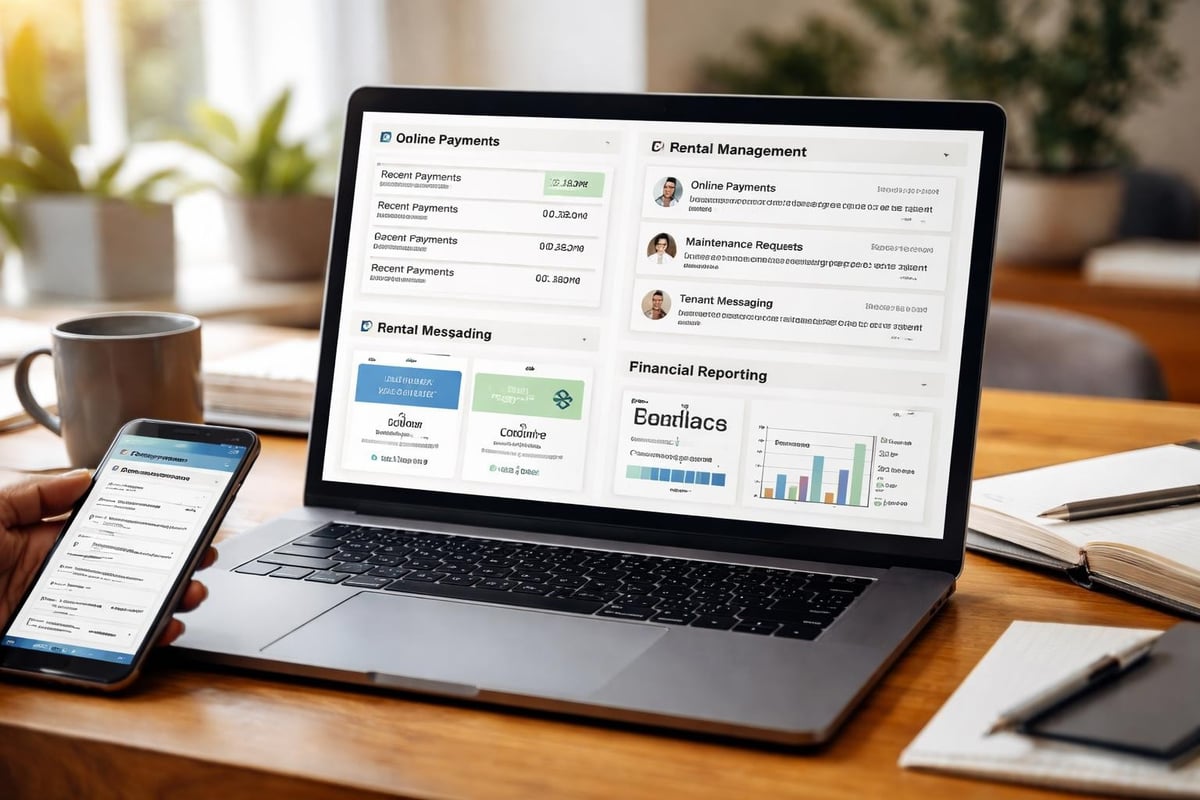
Maintenance request systems create accountability and documentation. Tenants submit requests through online portals, managers track progress, and completion records provide valuable historical data for future planning.
Rent Collection and Financial Enforcement
Consistent rent collection practices form the financial backbone of rental management property operations. Clear policies, systematic enforcement, and professional communication ensure steady cash flow while maintaining positive tenant relationships.
Establishing payment expectations begins during the lease signing process. Specify due dates, accepted payment methods, late fee structures, and grace periods in writing. This transparency prevents misunderstandings and provides enforcement authority when necessary.
Late Payment Protocols
Progressive enforcement steps:
- Day 1-3: Friendly reminder via email or text
- Day 4-5: Formal notice of late payment and fee assessment
- Day 6-10: Phone call to discuss payment arrangement
- Day 11-15: Pay-or-quit notice as required by state law
- Day 16+: Eviction filing if payment not received
Consistent application of late fee policies discourages chronic delinquency. However, maintaining open communication often reveals legitimate hardships where payment plans or temporary arrangements preserve tenancy while protecting cash flow.
Documentation of all collection efforts creates essential records if eviction becomes necessary. Save all communication, payment receipts, notices, and agreements in organized files accessible for legal proceedings.
Tenant Retention and Relationship Management
Retaining quality tenants reduces turnover costs, minimizes vacancy periods, and creates stable long-term income streams. The cost of tenant turnover including marketing, cleaning, repairs, and lost rent typically exceeds one month's rent payment.
Responsive communication builds trust and satisfaction. Addressing maintenance requests promptly, responding to questions quickly, and treating tenants with respect creates positive experiences encouraging lease renewals.
Annual lease renewal discussions should begin 90 days before expiration. This timeline allows adequate notice if tenants plan to vacate while providing opportunity to negotiate rental increases or lease modifications.
| Retention Strategy | Implementation | Expected Outcome |
|---|---|---|
| Prompt Maintenance | 24-48 hour response time | Increased satisfaction |
| Clear Communication | Regular updates, quick responses | Reduced conflicts |
| Fair Rent Increases | Market-rate adjustments | Renewal acceptance |
| Property Improvements | Strategic upgrades | Higher perceived value |
Small property improvements can justify modest rent increases while enhancing tenant satisfaction. Updated fixtures, fresh paint, modern appliances, or improved landscaping create tangible value tenants appreciate.
Professional Property Management Considerations
Many property owners eventually consider professional management services as portfolios grow or time constraints increase. Understanding the value proposition helps determine when outsourcing makes financial sense for rental management property operations.
Professional managers bring expertise in tenant screening, legal compliance, maintenance coordination, and market knowledge. Their established systems and vendor relationships often operate more efficiently than individual owners managing properties part-time.
Management services typically include:
- Comprehensive tenant screening and placement
- Lease preparation and legal documentation
- Monthly rent collection and financial reporting
- Maintenance coordination and emergency response
- Regular property inspections and condition reports
- Eviction processing and legal representation
Management fees typically range from 8-12% of monthly rent for single-family properties, with economies of scale for multi-unit buildings. Comprehensive property management services provide full-service solutions handling every operational aspect.
Evaluating management companies requires examining their experience, client references, service scope, fee structure, and communication practices. Companies managing substantial portfolios demonstrate stability and expertise worth considering.
Risk Management and Insurance Coverage
Protecting rental management property investments requires comprehensive insurance coverage addressing multiple risk categories. Standard homeowner policies typically exclude rental activities, necessitating specialized landlord insurance products.
Essential coverage types include:
- Property damage insurance protecting the physical structure
- Liability coverage defending against injury claims
- Loss of rental income replacing revenue during repairs
- Legal expense coverage funding eviction proceedings
- Umbrella policies providing additional liability protection
Regular policy reviews ensure coverage keeps pace with property values and market conditions. Significant improvements or renovations should trigger insurance updates reflecting increased replacement costs.
Requiring tenant renters insurance protects both parties. Tenant policies cover personal belongings and liability for damage they cause, reducing disputes and protecting the property owner from claims.
Scaling and Portfolio Growth Strategies
Successful rental management property operations create opportunities for portfolio expansion. Understanding scaling strategies helps property owners grow investments systematically while maintaining operational quality.
Effective strategies for managing rental properties emphasize systems development, process documentation, and team building as portfolios expand beyond individual management capacity.
Geographic concentration offers operational advantages. Managing multiple properties within limited areas reduces travel time, simplifies vendor relationships, and creates market expertise valuable for acquisition decisions.
Financial management becomes increasingly critical with portfolio growth. Separate accounting for each property provides clear performance metrics while consolidated reporting reveals overall portfolio health and investment returns.
Building Management Teams
Key team positions for growing portfolios:
- Property managers overseeing daily operations
- Maintenance technicians handling repairs
- Leasing specialists managing tenant placement
- Bookkeepers maintaining financial records
- Legal counsel advising on complex situations
Delegating operational tasks allows property owners to focus on strategic decisions like acquisitions, financing optimization, and portfolio positioning. Financial management strategies help owners maximize returns while building sustainable growth platforms.
Performance Metrics and Investment Analysis
Measuring rental management property performance requires tracking key metrics revealing profitability, efficiency, and market competitiveness. Data-driven decisions optimize returns and identify improvement opportunities.
Critical performance indicators:
| Metric | Calculation | Target Range |
|---|---|---|
| Occupancy Rate | (Occupied Units / Total Units) × 100 | 95%+ |
| Net Operating Income | Revenue – Operating Expenses | Maximized |
| Cap Rate | NOI / Property Value | Market dependent |
| Cash-on-Cash Return | Annual Cash Flow / Cash Invested | 8-12% |
| Expense Ratio | Operating Expenses / Gross Income | 35-45% |
Regular financial analysis identifies trends requiring attention. Rising maintenance costs might indicate needed capital improvements, while declining occupancy suggests pricing or marketing adjustments.
Comparative market analysis ensures rental rates remain competitive while maximizing income potential. Annual reviews of comparable properties inform strategic pricing decisions balancing occupancy and revenue optimization.
Successful rental management property operations combine systematic processes, professional expertise, and attention to detail across multiple operational areas. From tenant screening and financial management to maintenance coordination and legal compliance, each component contributes to overall investment performance and long-term profitability. Whether managing a single property or building a substantial portfolio, implementing proven strategies creates sustainable success in the competitive rental market. Coxe Property Management and Leasing brings over 40 years of experience managing rental properties throughout the Greater New Orleans area, offering comprehensive solutions that eliminate the complexity of property ownership while maximizing returns. With proven expertise in tenant screening, maintenance coordination, and financial management, our team provides the professional oversight your investment deserves.