

Managing rental properties requires a strategic approach that balances tenant satisfaction, property maintenance, and financial performance. Whether you oversee a single-family home or a diverse portfolio, understanding the fundamentals of rental management properties ensures sustainable returns and minimizes operational headaches. Property owners in competitive markets like Greater New Orleans face unique challenges, from maintaining historic properties to navigating local regulations, making professional expertise increasingly valuable in protecting and growing real estate investments.
Understanding Rental Management Properties
Rental management properties encompass all aspects of overseeing residential or commercial real estate on behalf of property owners. This comprehensive approach includes marketing vacant units, screening prospective tenants, collecting rent, coordinating repairs, and ensuring compliance with local, state, and federal housing regulations.
The scope of rental management properties extends beyond basic landlord responsibilities. Professional property managers act as intermediaries between owners and tenants, handling day-to-day operations while implementing strategies that maximize property value. This includes preventive maintenance programs, market analysis for competitive pricing, and tenant screening processes that reduce turnover and vacancy rates.
Core Components of Effective Property Management
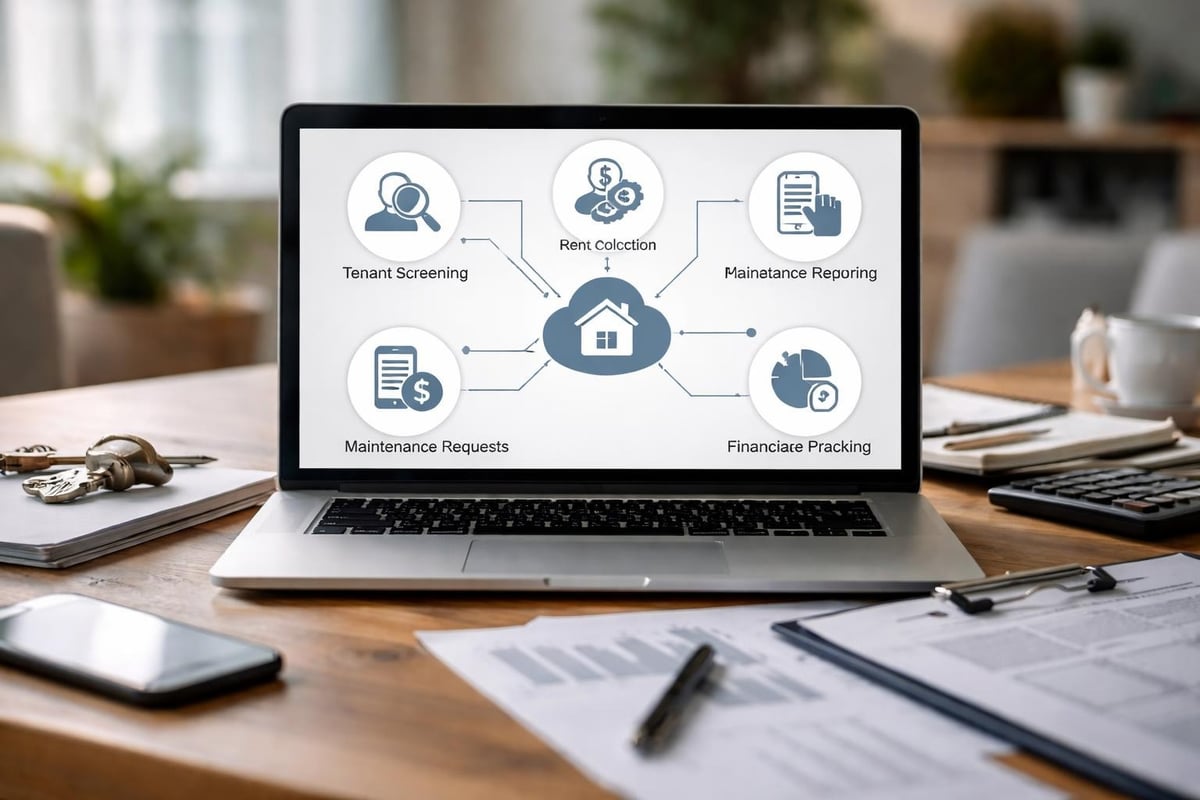
Successful rental management properties rely on several interconnected systems:
- Tenant acquisition and retention strategies that minimize vacancy periods
- Comprehensive screening processes to identify reliable, long-term tenants
- Maintenance coordination systems ensuring rapid response to repair needs
- Financial tracking and reporting providing transparent owner insights
- Legal compliance frameworks protecting owners from regulatory violations
Each component requires specialized knowledge and dedicated attention. Property managers must stay current with evolving fair housing laws, safety codes, and landlord-tenant statutes while maintaining the operational efficiency that property owners expect.
Tenant Screening and Placement Strategies
The foundation of profitable rental management properties begins with selecting qualified tenants. A rigorous screening process reduces the risk of late payments, property damage, and costly evictions. According to property management best practices, thorough background checks should examine credit history, employment verification, rental history, and criminal background.
Effective tenant placement involves more than just reviewing applications. Property managers should conduct in-person or virtual interviews, verify income documentation, and contact previous landlords to assess payment reliability and property care. This multi-layered approach helps identify tenants who will treat the property respectfully and fulfill lease obligations consistently.
Marketing Your Rental Properties
Attracting quality applicants requires strategic marketing across multiple channels. Professional photography, detailed property descriptions, and competitive pricing based on local market analysis create compelling listings that stand out. Successful rental management properties utilize:
- Online listing platforms including major rental websites and social media
- Professional signage for drive-by traffic in desirable neighborhoods
- Neighborhood networking through local business partnerships
- Virtual tours and video walkthroughs expanding reach to remote applicants
- Responsive communication systems answering inquiries promptly
The Greater New Orleans rental market demands particular attention to seasonal fluctuations, with university schedules and tourism patterns influencing demand. Understanding these local dynamics helps property managers optimize vacancy periods and rental rates.
Maintenance and Property Preservation
Proactive maintenance distinguishes exceptional rental management properties from reactive approaches that cost more over time. Establishing preventive maintenance schedules protects property value while minimizing emergency repair expenses. Regular inspections identify minor issues before they escalate into major problems requiring expensive interventions.
Working with reliable maintenance vendors ensures consistent service quality. Partnerships with integrated facility maintenance providers like MKMaintX deliver comprehensive solutions ranging from routine janitorial services to specialized floor care and emergency response capabilities. These partnerships prove particularly valuable for multi-unit properties or portfolios requiring coordinated maintenance across multiple locations.
| Maintenance Category | Frequency | Key Activities |
|---|---|---|
| HVAC Systems | Quarterly | Filter changes, system inspections, efficiency testing |
| Plumbing | Semi-annual | Leak detection, drain maintenance, water heater inspection |
| Exterior | Seasonal | Gutter cleaning, landscaping, paint touch-ups |
| Safety Systems | Monthly | Smoke detector testing, security system checks |
| Deep Cleaning | Annual | Carpet cleaning, window washing, pressure washing |
Property managers should maintain detailed maintenance logs documenting all service calls, repairs, and inspections. This documentation proves invaluable for tracking property conditions, budgeting for capital improvements, and demonstrating proper care during ownership transitions or legal disputes.
Coordinating Emergency Repairs
Despite preventive efforts, emergencies occur. Rental management properties require 24/7 response protocols for situations threatening property damage or tenant safety. Burst pipes, heating failures during winter, or electrical hazards demand immediate attention regardless of the hour.
Establishing relationships with emergency service providers before crises occur ensures faster response times and negotiated pricing. Property managers should maintain updated contact lists, authorize vendors for immediate access, and communicate clearly with tenants about emergency procedures and expectations.

Financial Management and Reporting
Transparent financial management forms the backbone of trustworthy rental management properties. Property owners expect detailed accounting showing income, expenses, and net operating results. Professional financial reporting systems track every transaction, providing comprehensive insights into property performance.
Modern property management software automates many financial tasks while maintaining accuracy and compliance. These platforms generate owner statements, process rent payments, track maintenance expenses, and prepare year-end tax documentation. The efficiency gains allow property managers to focus on strategic decisions rather than manual bookkeeping.
Rent Collection Best Practices
Consistent rent collection maintains cash flow and property profitability. Rental management properties should implement clear collection policies outlined in lease agreements, including:
- Due dates and grace periods clearly communicated to tenants
- Multiple payment methods including online portals, ACH transfers, and traditional checks
- Late fee structures compliant with state regulations
- Escalation procedures for delinquent accounts
- Eviction timelines as a last resort for persistent non-payment
Offering convenient payment options through a renter portal improves on-time payment rates while reducing administrative burden. Automated reminders, recurring payment setups, and instant confirmation receipts create positive tenant experiences while protecting owner interests.
Legal Compliance and Risk Management
Navigating the complex legal landscape surrounding rental management properties requires constant vigilance. Federal fair housing laws, state landlord-tenant statutes, and local ordinances create a regulatory framework that property managers must understand thoroughly. Violations can result in substantial fines, litigation, and reputational damage.
Security deposit regulations vary by jurisdiction, dictating maximum amounts, allowable deductions, and return timelines. Lease agreements must comply with disclosure requirements while protecting owner rights. Property management compliance demands regular training updates as laws evolve and court precedents establish new standards.
Eviction Procedures and Documentation
Despite careful screening, some tenancies require termination. Professional eviction services follow legally prescribed procedures that protect owners from procedural errors that could invalidate cases or expose them to counter-claims. Documentation proves critical throughout eviction processes.
Property managers must maintain meticulous records including:
- Lease agreements with all addendums and modifications
- Payment histories showing dates, amounts, and methods
- Violation notices with delivery confirmation
- Communication logs documenting all tenant interactions
- Photographic evidence of property conditions
- Witness statements when applicable
The eviction process typically involves notice periods, court filings, hearings, and enforcement actions. Each jurisdiction follows specific timelines and requirements that must be followed precisely. Working with experienced property managers or legal counsel familiar with local court systems significantly improves outcomes while minimizing delays.

Technology Integration in Property Management
Modern rental management properties leverage technology to enhance efficiency, improve communication, and deliver superior service. Cloud-based management platforms centralize operations, enabling property managers to access critical information from anywhere while maintaining security and backup redundancy.
Communication tools including automated messaging, tenant portals, and maintenance request systems streamline interactions while creating documentation trails. Online rent collection, digital lease signing, and virtual property tours reduce paperwork while accelerating processes that previously required in-person meetings or postal delays.
Data-Driven Decision Making
Analytics capabilities transform raw data into actionable insights for rental management properties. Property managers can identify trends in maintenance costs, evaluate marketing channel effectiveness, benchmark performance against comparable properties, and forecast future expenses with greater accuracy.
Market analysis tools track local rental rates, vacancy trends, and demographic shifts that influence property values. This intelligence supports pricing strategies, renovation investment decisions, and portfolio expansion planning. Understanding rental management fundamentals through data analysis provides competitive advantages in dynamic markets.
Building Strong Tenant Relationships
Long-term tenant retention significantly improves profitability for rental management properties. Turnover costs including marketing expenses, vacancy periods, cleaning, repairs, and administrative time can equal one to two months' rent. Investing in tenant satisfaction reduces these expenses while creating stable, predictable income streams.
Responsive communication establishes trust and demonstrates professionalism. Property managers should acknowledge maintenance requests promptly, provide realistic completion timelines, and follow up to ensure satisfaction. Regular property inspections conducted respectfully with proper notice maintain property conditions while showing tenants that ownership cares about their living environment.
Consider implementing tenant retention strategies such as:
- Lease renewal incentives for on-time payment histories
- Property upgrades that enhance livability
- Flexible lease terms accommodating life changes
- Community events for multi-unit properties
- Referral programs rewarding tenant recommendations
Scaling Your Property Portfolio
Success with initial rental management properties often leads to portfolio expansion. Growth requires systems that scale efficiently without proportionally increasing management burden. Standardized processes, technology infrastructure, and experienced vendor networks enable property managers to add units while maintaining service quality.
Professional property leasing services become increasingly valuable as portfolios diversify across property types, locations, and price points. Specialized expertise in different market segments, regulatory environments, and tenant demographics ensures each property receives appropriate management attention.
Evaluating Property Manager Performance
Property owners should regularly assess management performance using objective metrics. Key performance indicators for rental management properties include:
| Metric | Target Range | Impact |
|---|---|---|
| Occupancy Rate | 95-98% | Revenue stability and market positioning |
| Average Days Vacant | 15-30 days | Turnover efficiency and marketing effectiveness |
| Rent Collection Rate | 98-100% | Cash flow predictability and tenant quality |
| Maintenance Cost per Unit | Property-specific | Operating efficiency and preventive care |
| Tenant Retention Rate | 60-70% annually | Satisfaction levels and turnover costs |
| Owner Satisfaction | Qualitative feedback | Communication quality and trust |
Regular performance reviews create accountability while identifying improvement opportunities. Transparent communication about challenges, market conditions, and strategic recommendations strengthens owner-manager relationships built on mutual respect and shared goals.
Insurance and Risk Mitigation
Comprehensive insurance coverage protects rental management properties from catastrophic losses. Property owners should maintain adequate coverage for dwelling replacement, liability claims, loss of rental income, and specific risks like flood or earthquake depending on location. Regular policy reviews ensure coverage keeps pace with property values and market conditions.
Risk mitigation extends beyond insurance to operational practices reducing exposure. Proper tenant screening, regular safety inspections, documented maintenance procedures, and clear lease provisions create defensive layers protecting ownership interests. Professional property managers understand these risk factors and implement strategies minimizing vulnerabilities.
Understanding property management tips specific to your market helps identify local risk factors requiring special attention. Coastal properties face hurricane risks, older buildings may have lead paint or asbestos concerns, and urban locations deal with different security considerations than suburban properties.
Market Analysis and Competitive Positioning
Successful rental management properties require ongoing market awareness. Rental rates fluctuate based on supply, demand, economic conditions, and neighborhood development. Property managers should conduct regular competitive analyses, adjusting pricing strategies to maximize income while maintaining high occupancy.
Understanding your tenant demographic guides property improvements and amenity investments. Young professionals value different features than families with children or retirees. Market positioning decisions should align property characteristics with target tenant preferences, creating competitive advantages that justify premium pricing or attract stable, long-term residents.
Regional factors significantly influence rental management properties. The Greater New Orleans market presents unique considerations including flood zone designations, historic preservation requirements, tourism season fluctuations, and cultural expectations around property maintenance and tenant services. Local expertise proves invaluable navigating these nuances effectively.
Effective management of rental properties requires balancing operational excellence, financial discipline, legal compliance, and customer service across multiple dimensions simultaneously. Property owners who implement these strategies systematically protect their investments while building sustainable income streams that weather market fluctuations and economic uncertainties. For property owners in the Greater New Orleans area seeking professional expertise backed by four decades of experience managing nearly $1 billion in assets, Coxe Property Management and Leasing delivers comprehensive solutions tailored to your unique investment goals and property characteristics.