

Managing real estate professionals effectively represents one of the most critical success factors for property management companies in today's competitive market. Whether you're overseeing a team of independent realtors or coordinating with external agents to fill vacancies, realtor management requires a strategic approach that balances administrative efficiency, performance optimization, and relationship building. Companies that excel at managing their realtor relationships consistently outperform competitors in occupancy rates, tenant quality, and overall portfolio growth.
Understanding the Fundamentals of Realtor Management
Realtor management encompasses the systems, processes, and strategies used to coordinate real estate professionals who contribute to property management operations. This includes everything from recruiting qualified agents to monitoring their performance in listing and leasing properties.
Defining Clear Roles and Expectations
The foundation of effective realtor management starts with clarity. Property management companies must establish well-defined roles that outline what they expect from realtors, whether they're in-house team members or external partners. This includes specific metrics such as response times to inquiries, showing schedules, and documentation standards.
Key role definitions should include:
- Listing and marketing responsibilities
- Tenant screening procedures and standards
- Communication protocols with property owners
- Commission structures and payment schedules
- Reporting requirements and timelines
Creating written agreements that spell out these expectations prevents misunderstandings and establishes accountability from the outset. When realtors understand exactly what's expected of them, they can focus their energy on productive activities rather than guessing what management wants.
Building Effective Communication Channels
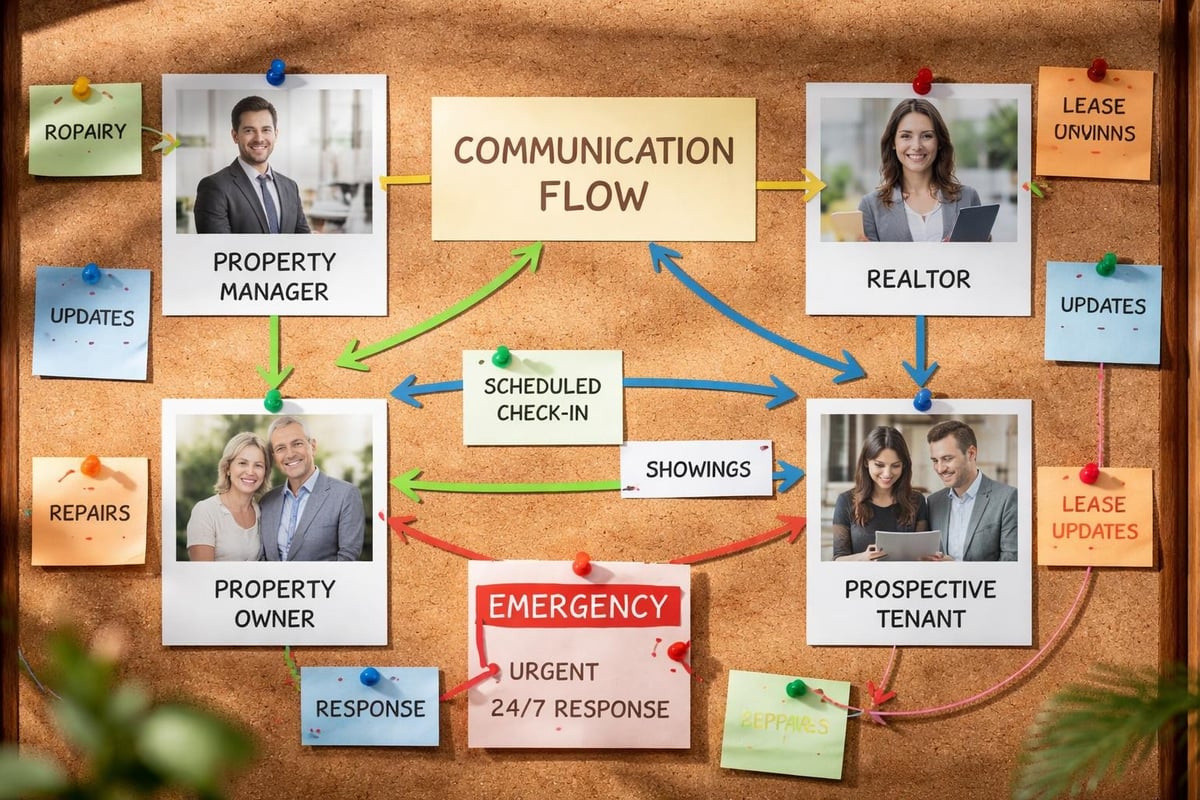
Communication forms the backbone of successful realtor management. Establishing regular check-ins, whether weekly team meetings or monthly performance reviews, keeps everyone aligned on priorities and challenges. The National Association of Realtors provides valuable insights on developing comprehensive management plans that incorporate structured communication protocols.
| Communication Type | Frequency | Purpose | Format |
|---|---|---|---|
| Team Meetings | Weekly | Strategy alignment, updates | In-person/Virtual |
| Performance Reviews | Monthly | Individual progress tracking | One-on-one |
| Training Sessions | Quarterly | Skill development | Workshop |
| Emergency Updates | As needed | Critical issues | Text/Email |
Implementing Technology for Streamlined Operations
Modern realtor management relies heavily on technology to maintain efficiency and transparency. Customer Relationship Management (CRM) systems have become essential tools for tracking interactions, managing leads, and measuring performance across your realtor network.
Selecting the Right CRM Platform
The right CRM system transforms how property management companies coordinate with realtors. These platforms centralize information about prospects, current tenants, property owners, and maintenance issues, making it easier for everyone to stay informed. According to strategies for implementing CRM systems, successful adoption requires careful planning and team buy-in.
Essential CRM features for realtor management include:
- Automated lead distribution and assignment
- Activity tracking and reporting dashboards
- Document storage and sharing capabilities
- Integration with listing platforms
- Mobile accessibility for on-the-go agents
Technology implementation shouldn't overwhelm your team. Start with core functionalities and gradually expand as realtors become comfortable with the system. Training sessions and ongoing support ensure maximum adoption rates.
Leveraging Property Management Software
Beyond CRM systems, dedicated property management software creates efficiencies that benefit both managers and realtors. These platforms typically include features for listing syndication, application processing, and lease management that streamline the entire rental cycle.
When realtors can access real-time information about property availability, pricing changes, and application status, they provide better service to prospective tenants. This transparency reduces redundant communications and accelerates decision-making processes.
Developing Performance Metrics and Accountability
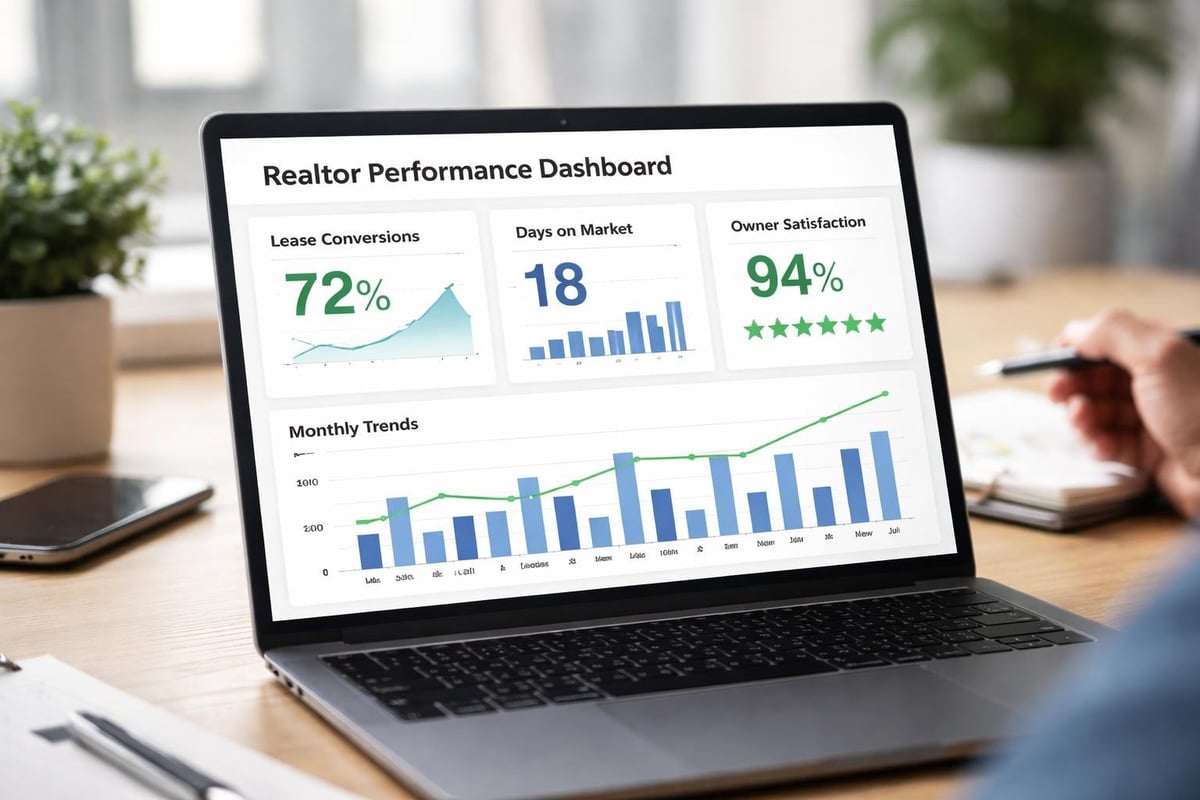
Measuring realtor performance objectively requires establishing clear metrics that align with business goals. Effective realtor management systems track both quantitative and qualitative indicators of success.
Key Performance Indicators to Monitor
Quantitative metrics:
- Days on market for new listings
- Number of showings scheduled per property
- Application conversion rates
- Lease renewal success rates
- Occupancy rates across managed properties
Qualitative metrics:
- Property owner satisfaction scores
- Tenant feedback on the leasing experience
- Professionalism in communications
- Adherence to brand standards
- Problem-solving capabilities
The National Association of Realtors offers guidance on managing agent performance, including evaluation frameworks that balance productivity with professional development. Regular performance reviews using these metrics help realtors understand their strengths and identify areas for improvement.
Creating Incentive Structures
Compensation and incentive programs significantly impact realtor motivation and retention. While commission-based structures remain standard in the industry, successful realtor management incorporates additional incentives that reward excellence.
| Incentive Type | Trigger | Benefit | Impact |
|---|---|---|---|
| Performance Bonus | Exceeding quarterly goals | Cash bonus | Short-term motivation |
| Tiered Commissions | Volume thresholds | Higher percentage | Encourages growth |
| Recognition Programs | Quality metrics | Public acknowledgment | Team morale |
| Professional Development | Tenure milestones | Training stipends | Long-term retention |
Recruiting and Retaining Top Realtor Talent
The quality of your realtor network directly influences your property management success. Strategic recruiting and retention efforts ensure you have access to professionals who represent your brand effectively.
Identifying Ideal Candidate Profiles
Not every licensed realtor makes a good fit for property management work. The best candidates combine sales skills with service orientation, understanding that successful property management requires building long-term relationships rather than focusing solely on transactions.
Characteristics of ideal realtor candidates:
- Strong local market knowledge
- Excellent communication and interpersonal skills
- Detail-oriented approach to documentation
- Availability for evening and weekend showings
- Professional presentation and reliability
Develop a screening process that assesses these qualities through behavioral interviews, reference checks, and trial assignments. Taking time to find the right fit reduces turnover and maintains consistency in service quality.
Creating a Supportive Work Environment
Retention starts with creating conditions where realtors can thrive. This includes providing the tools, training, and support necessary for success. As highlighted in strategies for avoiding realtor burnout, sustainable workload management prevents talented professionals from leaving the industry.
Property management companies should invest in ongoing training that keeps realtors current on fair housing laws, market trends, and technology platforms. Regular skill development opportunities demonstrate commitment to their professional growth while simultaneously improving service quality.
Coordinating Marketing and Lead Generation
Effective realtor management extends to coordinating marketing efforts that generate qualified leads for available properties. When property managers and realtors align on marketing strategies, vacancies fill faster and at optimal rental rates.
Implementing Cohesive Brand Standards
Every realtor representing your properties should follow consistent brand guidelines that create a professional, recognizable presence in the market. This includes standardized photography, listing descriptions, signage, and communication templates.
Brand consistency checklist:
- Professional property photography standards
- Approved listing description templates
- Uniform yard signs and marketing materials
- Social media posting guidelines
- Email signature requirements
The importance of cohesive branding extends to digital marketing efforts as well. Resources on property management marketing strategies emphasize how unified campaigns across platforms increase visibility and credibility. For additional strategies, exploring approaches to secure more property management leads can enhance your competitive position.
Optimizing Lead Distribution Systems
Fair and efficient lead distribution prevents conflicts among realtors while ensuring prompt responses to inquiries. Automated systems that route leads based on availability, geographic zones, or rotation schedules create transparency and accountability.
Real-time lead assignment also improves response times, which directly correlates with conversion rates. When prospective tenants receive quick, professional responses to their inquiries, they're more likely to schedule showings and submit applications.
Managing Realtor Relationships with Property Owners
Property owners expect seamless coordination between management teams and realtors. Successful realtor management ensures owners receive consistent updates and professional representation of their assets.
Establishing Communication Protocols
Define how and when realtors should communicate with property owners. Some owners prefer direct contact with the agents showing their properties, while others want all communications filtered through management. Documenting these preferences and ensuring realtors follow them prevents confusion and maintains trust.
Standard communication protocols should address:
- Showing feedback and timing
- Application updates and recommendations
- Market condition reports
- Maintenance issues discovered during showings
- Lease negotiation parameters
Transparency in these interactions builds confidence and often leads to portfolio expansion as satisfied owners acquire additional investment properties.
Demonstrating Value Through Reporting
Regular reports that showcase realtor activities and results keep property owners informed and satisfied. These reports should highlight marketing efforts, showing statistics, prospect feedback, and market comparisons that justify your management approach.

Navigating Legal and Compliance Requirements
Realtor management includes ensuring all agents comply with fair housing laws, licensing requirements, and company policies. Non-compliance exposes property management companies to significant legal and financial risks.
Implementing Compliance Training Programs
Regular training on fair housing regulations, Americans with Disabilities Act requirements, and local rental laws keeps realtors informed and reduces liability. Documentation of these training sessions demonstrates due diligence should questions arise.
Understanding why realtors should manage property with proper legal knowledge helps frame the importance of ongoing education in areas like lease agreements, eviction procedures, and disclosure requirements.
Monitoring and Auditing Practices
Periodic audits of realtor activities, including reviewing showing reports, application files, and communications, identify potential compliance issues before they become problems. This oversight shouldn't feel punitive but rather supportive, helping realtors maintain high professional standards.
Scaling Your Realtor Management System
As your property management portfolio grows, your realtor management systems must scale accordingly. What works for managing ten properties and two realtors won't suffice when you're handling hundreds of units with a larger team.
Developing Leadership Structures
Larger operations benefit from hierarchical management structures where senior realtors or team leaders supervise newer agents. This delegation allows property managers to focus on strategic decisions while ensuring daily operations run smoothly.
Effective leadership development includes:
- Mentorship programs pairing experienced and new realtors
- Clear promotion pathways based on performance
- Leadership training for senior team members
- Regular feedback mechanisms for all levels
- Cross-training opportunities to build versatility
Standardizing Processes for Consistency
Document every aspect of your realtor management approach, from initial onboarding through performance evaluation. Standard operating procedures ensure consistency as your team expands and make training new members more efficient.
These documented processes should be living documents that evolve based on feedback and changing market conditions. Annual reviews of all procedures keep them relevant and effective.
Optimizing Time Management and Productivity
Realtors often juggle multiple properties, showings, and administrative tasks simultaneously. Effective realtor management includes helping them optimize their time for maximum productivity. Implementing time management techniques for real estate professionals can significantly improve efficiency across your entire operation.
Creating Efficient Scheduling Systems
Coordinate showing schedules to minimize drive time between properties. When realtors can conduct multiple showings in the same neighborhood during a single trip, they serve more prospects while reducing their expenses and time investment.
Technology solutions that allow prospects to self-schedule showings within defined parameters empower realtors to manage their calendars more effectively while maintaining flexibility for clients.
Building and Protecting Your Reputation
Your realtor network directly impacts your company's reputation in the market. Every interaction realtors have with prospects, tenants, and property owners reflects on your brand. Managing online reputation for realtors and your property management company requires proactive strategies.
Encouraging and Managing Reviews
Satisfied clients provide powerful testimonials that attract new business. Train realtors to request reviews from positive interactions and establish processes for addressing negative feedback professionally and promptly.
Monitor review platforms regularly and respond to all feedback, demonstrating your commitment to client satisfaction. Negative reviews handled well often become opportunities to showcase your professionalism and problem-solving abilities.
Leveraging Referral Networks and Partnerships
Strategic realtor management extends beyond your immediate team to include building relationships with external agents who can refer properties or clients. These partnerships expand your reach and create mutually beneficial opportunities. Learning strategies to get new clients through referral networks can accelerate business growth.
Developing Realtor Referral Programs
Create structured programs that reward external realtors for referring property owners or quality tenants to your management company. Clear terms, prompt payment of referral fees, and excellent service to referred clients encourage ongoing partnerships.
Maintaining positive relationships with the broader realtor community also benefits your managed properties when it's time to sell. Well-connected property managers can facilitate smoother transactions for owners ready to exit their investments.
Effective realtor management requires balancing technology, training, performance metrics, and relationship building to create a high-functioning team that serves property owners and tenants professionally. By implementing structured systems for communication, accountability, and growth, property management companies position themselves for sustainable success in competitive markets. For property owners in the Greater New Orleans area seeking expert management backed by over 40 years of experience and proven systems for coordinating every aspect of property operations, Coxe Property Management and Leasing offers personalized solutions that ensure hassle-free ownership while maximizing your investment returns.