

The landscape of property ownership has transformed significantly over the past decade, with property owners increasingly recognizing the value of professional management. Real estate leasing companies serve as essential partners for owners who want to maximize their investment returns while minimizing day-to-day operational burdens. These specialized firms handle everything from tenant acquisition and screening to lease execution and ongoing property maintenance, creating a comprehensive solution for property owners across residential and commercial sectors. As the rental market continues to evolve with technological advancements and changing tenant expectations, understanding how these companies operate becomes critical for making informed investment decisions.
The Core Functions of Real Estate Leasing Companies
Real estate leasing companies provide a wide array of services designed to protect property owners while ensuring tenants receive professional service. These organizations act as intermediaries, managing the complex relationship between ownership and occupancy.
Property Marketing and Tenant Acquisition
Marketing vacant properties effectively requires expertise in local markets, pricing strategies, and promotional channels. Professional leasing companies leverage multiple listing services, digital advertising platforms, and local networks to attract qualified tenants quickly.
Key marketing activities include:
- Professional photography and virtual tours
- Competitive market analysis for optimal pricing
- Listing distribution across rental platforms
- Open house coordination and property showings
- Response management for tenant inquiries
The speed at which a property gets leased directly impacts your bottom line. Every day a unit sits vacant represents lost revenue that can never be recovered. Real estate leasing companies understand this urgency and employ proven strategies to minimize vacancy periods while still maintaining selective screening standards.

Comprehensive Tenant Screening
The quality of your tenants determines your success as a property owner. Professional leasing companies implement rigorous screening protocols that go far beyond basic credit checks.
| Screening Component | Purpose | Typical Criteria |
|---|---|---|
| Credit History | Financial responsibility assessment | Minimum score, payment patterns |
| Employment Verification | Income stability confirmation | Job tenure, salary verification |
| Rental History | Past tenant behavior analysis | Payment record, landlord references |
| Criminal Background | Safety and liability protection | Case-by-case review |
| Income Requirements | Payment capability | 3x monthly rent minimum |
These screening measures protect your investment from problematic tenants who might damage property, default on rent, or create legal complications. According to property management best practices, thorough screening reduces eviction rates by up to 50% and significantly improves long-term tenant retention.
Financial Management and Rent Collection
One of the most valuable services real estate leasing companies provide is financial oversight. Managing rent collection, tracking expenses, and maintaining accurate records requires systems and discipline that many property owners lack.
Rent Collection Systems
Modern leasing companies utilize sophisticated platforms for rent collection that benefit both owners and tenants. Digital payment systems provide convenience while creating clear audit trails for accounting purposes.
Benefits of professional rent collection:
- Automated payment processing and reminders
- Multiple payment method options (ACH, credit card, online portal)
- Consistent late fee enforcement according to lease terms
- Detailed monthly financial reporting
- Year-end tax documentation preparation
When tenants fall behind on payments, professional leasing companies follow established protocols that balance firmness with legal compliance. They understand the nuanced regulations governing late notices, grace periods, and eviction procedures, protecting owners from costly legal mistakes.
The financial management extends beyond simple collection. Real estate leasing companies maintain detailed records of all income and expenses, providing owners with transparent reporting that simplifies tax preparation and investment analysis. This documentation proves invaluable during audits or when considering property refinancing or sale.
Property Maintenance and Vendor Coordination
Physical property condition directly impacts tenant satisfaction, retention rates, and long-term property value. Real estate leasing companies coordinate all maintenance activities, from routine upkeep to emergency repairs.
Preventive Maintenance Programs
Proactive maintenance prevents small issues from becoming expensive problems. Professional property managers schedule regular inspections and maintenance activities that extend the lifespan of major systems and components.
Regular maintenance tasks include HVAC servicing, gutter cleaning, pest control, landscaping, and safety system testing. These scheduled activities prevent unexpected failures that inconvenience tenants and drain budgets through emergency repair premiums.

Emergency Response Systems
When pipes burst at midnight or air conditioning fails during summer heat waves, tenants need immediate assistance. Real estate leasing companies maintain 24/7 emergency response systems with vetted contractor networks ready to address urgent issues.
This rapid response capability protects property from extensive damage while demonstrating to tenants that their comfort and safety matter. The peace of mind knowing professionals handle emergencies represents significant value for property owners who would otherwise face these stressful situations personally.
Legal Compliance and Risk Management
The regulatory environment for rental properties grows increasingly complex each year. Federal fair housing laws, state landlord-tenant statutes, and local ordinances create a compliance maze that real estate leasing companies navigate daily.
Lease Agreement Development
Professional leasing companies use legally vetted lease agreements that protect owner interests while complying with all applicable regulations. These documents address security deposits, maintenance responsibilities, entry procedures, pet policies, and dozens of other critical provisions.
Generic lease templates downloaded from the internet often contain outdated language or fail to address state-specific requirements. The legal exposure from improperly drafted leases can cost thousands in legal fees and potential damages. Technology companies like RealPage provide property management software that helps ensure compliance, though professional oversight remains essential.
Eviction Processing
Despite thorough screening, some tenants ultimately require eviction. This legally complex process varies significantly by jurisdiction and demands strict adherence to procedural requirements.
Typical eviction timeline:
- Lease violation or non-payment occurs
- Required notice period (varies by state and violation type)
- Court filing and hearing scheduling
- Judgment and writ of possession
- Law enforcement coordination for tenant removal
Real estate leasing companies handle these unfortunate situations professionally, maintaining required documentation and following precise legal procedures. Their experience minimizes the time and cost associated with removing problematic tenants while protecting owners from retaliatory claims or procedural errors.
Market Expertise and Strategic Pricing
Setting appropriate rental rates requires understanding local market conditions, seasonal trends, and property-specific value propositions. Real estate leasing companies continuously monitor market data to optimize pricing strategies.
Overpricing leads to extended vacancies and lost revenue. Underpricing leaves money on the table and can actually deter quality tenants who question why the property costs less than comparable units. Professional leasing companies analyze comparable properties, absorption rates, and economic indicators to identify optimal pricing.
The global leasing market continues expanding, with projections showing significant growth through 2030. This expansion reflects increasing recognition of leasing's advantages for both property owners and occupants across residential and commercial sectors.
| Market Factor | Impact on Rental Rates | Management Response |
|---|---|---|
| New construction | Downward pressure | Upgrade amenities, adjust pricing |
| Job market growth | Upward pressure | Capture premium positioning |
| Interest rate changes | Variable impact | Monitor buyer-to-renter conversion |
| Seasonal trends | Predictable fluctuation | Time lease renewals strategically |
Professional leasing companies also advise on capital improvements that justify rent increases. They understand which upgrades tenants value most and can project return on investment for various property enhancement options. This strategic guidance helps owners make informed decisions about allocating capital for maximum impact.
Technology Integration and Operational Efficiency
Modern real estate leasing companies leverage technology platforms that streamline operations and enhance service delivery. These systems provide benefits across the entire property management lifecycle.
Digital Communication Platforms
Tenant portals allow renters to submit maintenance requests, pay rent, access lease documents, and communicate with property management without phone calls or office visits. This convenience improves tenant satisfaction while reducing administrative workload.
Property owners benefit from transparent access to financial data, maintenance records, and property performance metrics through owner portals. Real-time dashboards replace monthly paper statements, providing immediate visibility into investment performance.
Emerging technologies like blockchain oracles are being explored for real estate rental applications, potentially automating rent payments and maintenance coordination through smart contracts. While still developmental, these innovations point toward increasingly efficient property management systems.
Commercial vs. Residential Leasing Specialization
Real estate leasing companies often specialize in either residential or commercial properties, as each sector demands distinct expertise and operational approaches.
Residential Leasing Focus
Residential leasing involves shorter lease terms, typically one year, with higher tenant turnover rates. The regulatory environment heavily favors tenant protections, requiring careful compliance with fair housing laws and habitability standards.
Professional property management services for residential properties emphasize tenant retention, rapid turnover processing, and maintenance responsiveness. The volume-oriented nature of residential management benefits from standardized processes and economies of scale.
Commercial Property Considerations
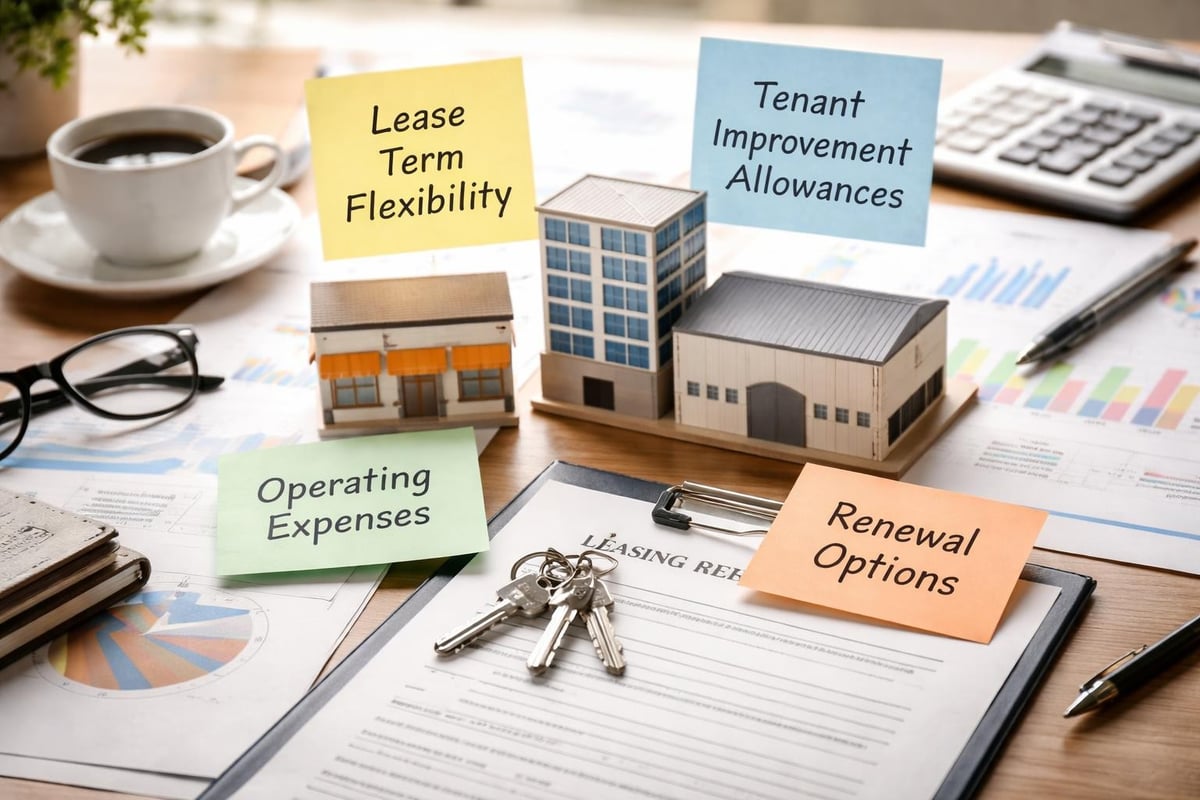
Commercial leasing typically involves longer lease terms, more complex negotiations, and sophisticated tenant improvement coordination. Major firms like JLL handle large commercial portfolios with dedicated teams for different property types.
Successful commercial leasing decisions require understanding market trends, tenant creditworthiness, and lease structure flexibility. The stakes run higher with commercial properties, where a single tenant might occupy an entire building under a ten-year lease.
Commercial lease types include:
- Gross lease (landlord pays operating expenses)
- Net lease (tenant pays portion of expenses)
- Triple net lease (tenant pays all operating costs)
- Percentage lease (rent includes sales percentage)
These varying structures require sophisticated financial analysis and negotiation skills that specialized commercial leasing companies provide.
Regional Market Knowledge and Local Relationships
The value of real estate leasing companies extends beyond operational capabilities to include deep local market knowledge and established relationships. Understanding neighborhood dynamics, school district impacts, development plans, and economic trends enables better decision-making.
Professional leasing companies maintain networks of contractors, attorneys, inspectors, and other service providers essential to property operations. These relationships often yield preferred pricing and priority service that individual owners cannot access. When Asian logistics operators lease U.S. warehouses, they rely on leasing companies with local expertise to navigate unfamiliar markets.
Regional economic factors significantly influence rental markets. Areas experiencing job growth and population increases see rising demand and rental rate appreciation. Conversely, markets with declining employment or overbuilding face pressure on occupancy and pricing. Real estate leasing companies monitor these trends continuously, adjusting strategies to protect owner interests.
The real estate and leasing industry’s economic contribution demonstrates the sector's significance, particularly in growth markets where professional management becomes increasingly important.
Selecting the Right Leasing Company Partner
Choosing a real estate leasing company represents a significant decision that impacts investment performance for years. Property owners should evaluate potential partners across multiple dimensions before committing.
Evaluation Criteria
Experience and track record matter enormously. Companies with decades of operation have weathered multiple market cycles and refined their processes through thousands of tenant relationships. Request references from current clients and research online reviews to understand reputation.
Fee structure transparency prevents surprises and enables accurate profit projections. Understand all charges including leasing fees, management percentages, maintenance markups, and renewal fees. Some companies offer package pricing while others charge à la carte for specific services.
Technology capabilities increasingly differentiate service quality. Evaluate the owner and tenant portals, reporting systems, and communication tools each company provides. Modern platforms should offer mobile access and real-time data.
Geographic focus ensures the company understands your specific market. Property managers with concentrated operations in your area bring superior local knowledge compared to geographically dispersed firms.
| Selection Factor | Questions to Ask | Red Flags |
|---|---|---|
| Experience | Years in business, properties managed | Recent startup, high client turnover |
| Fees | Complete fee schedule, hidden charges | Vague pricing, unusual markups |
| Communication | Response time expectations, contact methods | Difficulty reaching during search |
| Services | What's included vs. additional cost | Unbundled basic services |
| Insurance | Coverage types and limits | Inadequate or missing coverage |
Local vs. National Providers
National property management franchises offer brand recognition and standardized systems, while local independent companies provide personalized service and community connections. Neither approach guarantees superior results, but understanding the tradeoffs helps match your preferences with provider strengths.
Local companies often demonstrate greater flexibility in customizing services to owner preferences. They typically maintain closer relationships with tenants and respond more personally to unique situations. For properties in markets like Greater New Orleans, where community knowledge and relationships matter significantly, local expertise provides distinct advantages.
Building Long-Term Value Through Professional Management
The decision to engage real estate leasing companies represents an investment in your property's long-term performance. While management fees reduce immediate cash flow, the value delivered through higher occupancy rates, better tenant quality, proper maintenance, and legal protection typically far exceeds the cost.
Professional management allows property owners to scale portfolios beyond what individual oversight permits. Managing one or two properties personally might prove feasible, but growing to five, ten, or more properties requires systems and staffing that leasing companies provide.
The time savings alone justify professional management for many owners. Freed from tenant calls, maintenance coordination, and lease administration, owners can focus on their careers, families, or identifying additional investment opportunities. This leveraging of expertise represents fundamental business wisdom applicable across industries.
Quality leasing companies also provide valuable consultation on strategic decisions. Should you renovate kitchens or update flooring? Is this the right time to raise rents or better to prioritize retention? Would adding amenities justify premium pricing? Drawing on experience across numerous properties, professional managers offer data-driven recommendations that improve investment returns.
Real estate leasing companies deliver comprehensive value through professional tenant placement, financial management, maintenance coordination, and legal compliance that individual owners struggle to replicate. Their expertise, systems, and local market knowledge translate directly into improved investment performance and reduced owner stress. For property owners in the Greater New Orleans area seeking to maximize returns while minimizing operational burdens, Coxe Property Management and Leasing offers over 40 years of proven experience managing nearly $1 billion in assets with personalized service that protects your investment and ensures hassle-free ownership.