

A property management website serves as the digital foundation for your business operations, creating the first impression for potential clients and tenants while streamlining daily workflows. In today's competitive real estate market, property owners expect sophisticated online experiences that demonstrate professionalism, transparency, and technological capability. For companies managing substantial real estate portfolios in markets like Greater New Orleans, a well-designed website isn't just a marketing tool but a comprehensive platform that integrates lead generation, tenant management, and owner communication into one cohesive system. The difference between a basic online presence and a strategically designed digital platform can significantly impact your ability to attract quality property owners and maintain tenant satisfaction.
Core Elements Every Property Management Website Must Include
Building an effective property management website requires careful attention to essential components that address the needs of both property owners and prospective tenants. These foundational elements work together to create a seamless user experience while supporting your business objectives.
Property Listing Display and Search Functionality
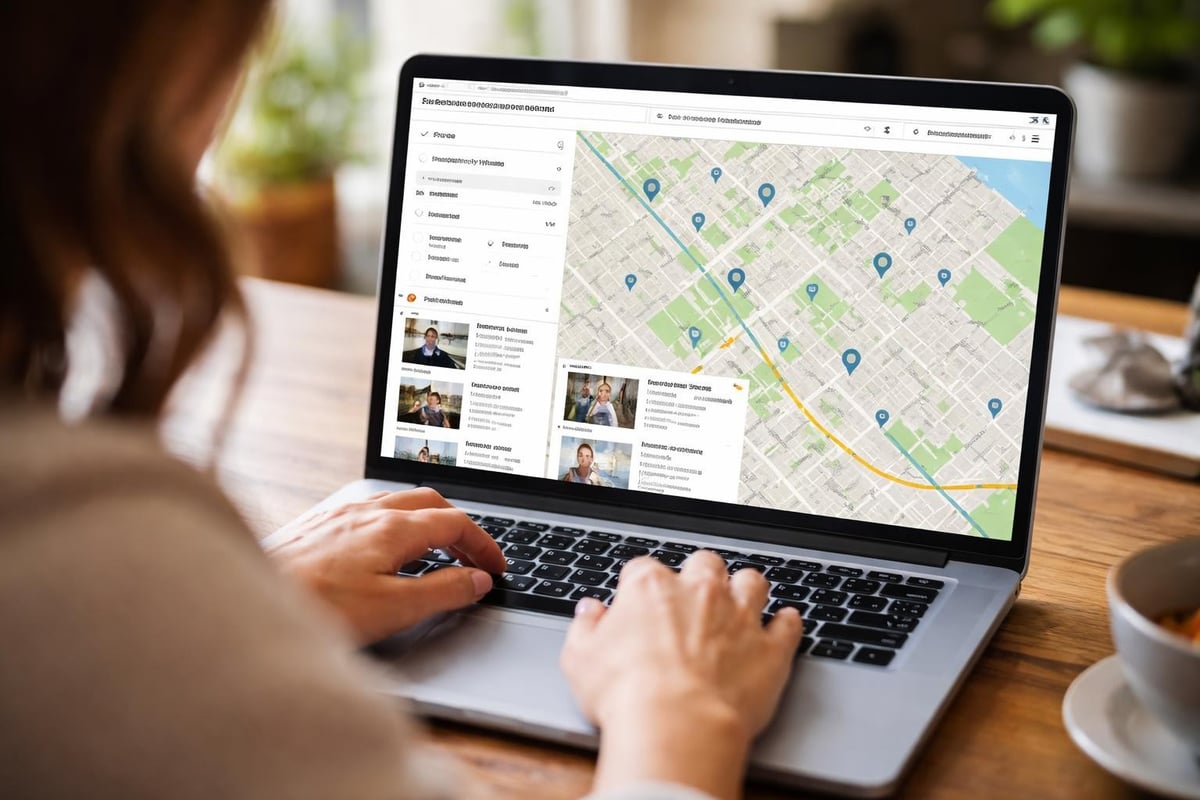
Your available properties should be showcased prominently with high-resolution images, detailed descriptions, and accurate pricing information. An intuitive search function allows potential tenants to filter by location, price range, property type, and amenities. Property listings represent your inventory and must be easily accessible, mobile-responsive, and updated in real-time to prevent inquiries about already-leased units.
Consider implementing these listing features:
- Interactive maps showing property locations within neighborhoods
- Virtual tour integration for 360-degree property views
- Availability calendars indicating move-in dates
- Comparison tools allowing users to evaluate multiple properties
- Social sharing buttons to expand reach organically
Owner Portal and Reporting Dashboard
Property owners need transparent access to their investment performance through a secure portal. This section should provide financial reports, maintenance updates, occupancy rates, and communication tools. Demonstrating this capability on your property management website builds trust with potential clients who want assurance their assets will be managed with complete transparency.
| Portal Feature | Owner Benefit | Business Impact |
|---|---|---|
| Monthly Financial Statements | Real-time income tracking | Reduced inquiry calls |
| Maintenance Request History | Transparency on property care | Improved owner retention |
| Tenant Screening Reports | Confidence in placement | Demonstrates thoroughness |
| Tax Document Access | Simplified year-end reporting | Reduced administrative time |
Tenant Application and Screening System
Streamlining the application process through your website reduces friction for qualified applicants while maintaining rigorous screening standards. An online application system should collect necessary information, process background checks, verify employment, and check credit history. This automation saves time for your team while providing applicants with immediate confirmation and status updates.
The screening process displayed on your property management website should clearly outline requirements, timelines, and next steps. Transparency here reduces questions and demonstrates your professional approach to tenant placement and screening.
Design Principles That Convert Visitors Into Clients
Strategic design goes beyond aesthetics to create purposeful user journeys that guide visitors toward desired actions. Understanding effective web design for property management helps you avoid common pitfalls and maximize conversion opportunities.
Navigation Architecture and Information Hierarchy
Your website structure should reflect how different audiences seek information. Property owners looking for management services need clear pathways to service descriptions, pricing, and testimonials. Prospective tenants want immediate access to available listings and application processes. Clean navigation prevents confusion and reduces bounce rates.
Primary navigation should include:
- Home with clear value proposition
- Available Properties with advanced search
- Property Management Services detailing your offerings
- For Owners with portal access and resources
- For Tenants with payment portal and maintenance requests
- About Us establishing credibility and experience
- Contact with multiple communication options
Mobile Responsiveness and Page Speed
With over 60% of property searches beginning on mobile devices, your property management website must deliver flawless mobile experiences. Responsive design ensures content adapts seamlessly to any screen size, while optimized images and efficient code maintain fast loading speeds. Many common web design mistakes stem from neglecting mobile performance, which directly impacts search engine rankings and user satisfaction.
Testing across multiple devices and connection speeds reveals performance issues before they cost you leads. Page speed particularly matters for property listing pages where users often browse multiple options quickly.
Visual Content Strategy
High-quality photography and video content establish emotional connections with your properties and brand. Professional images of managed properties showcase your attention to detail, while team photos humanize your business. Video testimonials from satisfied property owners build credibility more effectively than written reviews alone.
Consider these visual content types:
- Property showcase galleries with professional photography
- Neighborhood highlight videos showing local amenities
- Team introduction videos building personal connections
- Process explanation animations simplifying complex services
- Before-and-after maintenance photos demonstrating property care

Converting Traffic Into Qualified Leads
Attracting visitors to your property management website represents only the first step. Strategic conversion optimization ensures those visitors take meaningful actions that grow your business.
Calls-to-Action Placement and Messaging
Every page should guide visitors toward a logical next step. For property owners, this might be scheduling a consultation or requesting a property analysis. For tenants, clear CTAs lead to property viewings or application submissions. The language should be action-oriented and benefit-focused rather than company-centric.
Effective CTA examples include:
- "Schedule Your Free Property Analysis" (for owners)
- "View Available Properties in Your Neighborhood" (for tenants)
- "Download Our Property Management Guide" (lead magnet)
- "Request Maintenance Online 24/7" (tenant retention)
- "See How We Manage Nearly $1 Billion in Assets" (credibility)
Lead Capture Forms and Contact Options
Forms should collect essential information without creating barriers. A balance exists between gathering qualification data and respecting user time. Multi-step forms can increase completion rates by breaking complex applications into manageable sections. Always provide multiple contact methods since some prospects prefer phone calls while others favor email or live chat.
| Contact Method | Best For | Response Expectation |
|---|---|---|
| Phone | Urgent inquiries | Immediate during business hours |
| Email Form | Detailed questions | Within 24 hours |
| Live Chat | Quick questions | Real-time during staffed hours |
| SMS | Appointment confirmations | Immediate automated responses |
Trust Signals and Social Proof
Establishing credibility on your property management website requires strategic placement of trust indicators. Certifications, industry memberships, years of experience, and portfolio value all signal expertise. Client testimonials should be specific, featuring real names and properties when possible. Case studies demonstrating problem-solving capabilities provide deeper proof of competence.
For a company with four decades of experience managing substantial asset portfolios, prominently displaying these credentials immediately differentiates you from newer competitors. Sharing your company’s story creates emotional connections that pure data cannot achieve.
Technical Infrastructure and SEO Optimization
Behind every successful property management website lies robust technical infrastructure supporting visibility, security, and performance. These elements may be invisible to users but critically impact your digital success.
Search Engine Optimization Fundamentals
Local SEO particularly matters for property management companies serving specific geographic areas. Optimizing for searches like "property management in Greater New Orleans" requires strategic keyword placement, location-specific content, and proper schema markup. Each property listing should include neighborhood information, proximity to landmarks, and local amenities to capture long-tail search traffic.
Technical SEO checklist:
- Optimize page titles and meta descriptions for target keywords
- Implement local business schema markup for rich snippets
- Create location-specific landing pages for service areas
- Build quality backlinks from local business directories
- Optimize images with descriptive alt text and compression
- Ensure SSL certificate for secure browsing
- Submit XML sitemap to search engines
- Fix broken links and redirect old URLs properly
Content Management System Selection
Choosing the right platform for your property management website affects long-term flexibility and cost. WordPress offers extensive customization through plugins, while specialized platforms provide property management-specific features out of the box. Consider factors like ease of content updates, integration capabilities with property management software, and scalability as your portfolio grows.

Security and Data Protection
Property management websites handle sensitive information including tenant applications, financial data, and personal identification. Implementing SSL certificates encrypts data transmission, while secure payment gateways protect financial transactions. Regular security audits and software updates prevent vulnerabilities that could compromise client trust and legal compliance.
Compliance considerations include:
- Fair Housing Act requirements for all listings
- ADA accessibility standards for website navigation
- GDPR and privacy regulations for data collection
- PCI compliance for payment processing
- Regular backup protocols for data recovery
Marketing Integration and Lead Nurturing
Your property management website should serve as the hub for broader marketing initiatives, integrating with email campaigns, social media, and paid advertising strategies.
Email Marketing Automation
Capturing email addresses through valuable content offers enables ongoing communication with prospects not yet ready to commit. A property owner might download a guide on "Maximizing Rental Income in 2026" and enter an automated sequence providing case studies, market insights, and eventually a consultation offer. For tenants, email updates about new listings matching their criteria keep your properties top-of-mind.
Segmentation allows personalized messaging:
- Property owners receive investment insights and management tips
- Prospective tenants get new listing alerts and move-in guides
- Current tenants receive maintenance tips and community updates
- Past clients stay engaged for referrals and repeat business
Pay-Per-Click Advertising Integration
While organic search builds long-term visibility, PPC advertising strategies deliver immediate traffic for competitive keywords. Landing pages specifically designed for paid campaigns should align messaging between ads and destination content, remove navigation distractions, and focus solely on conversion. Tracking parameters in URLs enable precise measurement of campaign ROI.
Analytics and Conversion Tracking
Understanding visitor behavior through analytics platforms reveals optimization opportunities. Which pages generate the most leads? Where do visitors abandon application forms? Which traffic sources deliver the highest-quality prospects? Regular analysis of these metrics informs continuous improvement rather than one-time website launches.
Key metrics to monitor:
| Metric | What It Reveals | Action Threshold |
|---|---|---|
| Bounce Rate | Content relevance | Above 60% needs review |
| Time on Page | Engagement level | Below 1 minute suggests poor content |
| Form Completion Rate | Friction points | Below 30% indicates form issues |
| Mobile vs Desktop Traffic | Device optimization priority | Match resource allocation to traffic |
| Traffic Sources | Marketing effectiveness | Invest in highest-converting channels |
Content Strategy for Authority Building
Regular content publication establishes your property management website as an authoritative resource beyond basic service descriptions. This approach attracts organic traffic while demonstrating expertise to potential clients.
Blog Topics That Attract Your Audience
Property owners search for information about market trends, legal updates, maintenance strategies, and investment optimization. Creating comprehensive guides addressing these topics positions you as a trusted advisor. Local market reports specifically about Greater New Orleans neighborhoods provide value unavailable from national competitors.
Content ideas include:
- Monthly rental market reports with local data
- Property maintenance seasonal checklists preventing costly repairs
- Legal compliance updates for Louisiana landlords
- Investment strategy guides for different property types
- Neighborhood spotlights highlighting local developments
- Tenant retention strategies reducing turnover costs
Video Content and Multimedia
Written content forms the foundation, but video expands reach and engagement. Property walkthroughs, maintenance tutorials, and market update videos serve different audience segments. Hosting videos on your property management website rather than relying solely on YouTube maintains traffic on your domain while still allowing social media distribution.
Resource Libraries and Downloadable Assets
Gated content like comprehensive guides, templates, and checklists generate qualified leads while providing genuine value. A "New Property Owner's Guide to Professional Management" establishes expertise while capturing contact information for follow-up. These resources should be professionally designed, substantive enough to justify the email exchange, and aligned with your service offerings.
Ongoing Maintenance and Continuous Improvement
Launching your property management website marks a beginning rather than completion. Regular updates, testing, and refinement ensure sustained performance and relevance.
Content Freshness and Accuracy
Outdated information damages credibility immediately. Property listings must reflect current availability, service descriptions should match actual offerings, and contact information requires verification. Implementing regular content updates prevents the stale appearance that signals neglect to potential clients.
Schedule quarterly reviews of:
- All property listings for accuracy and photo quality
- Service page content reflecting current capabilities
- Team bios and photos maintaining currency
- Blog posts adding updates to evergreen content
- Legal disclaimers ensuring compliance
A/B Testing for Optimization
Systematic testing of headlines, calls-to-action, form designs, and page layouts identifies improvements backed by data rather than assumptions. Testing one element at a time with sufficient traffic volume produces reliable insights. Even small conversion rate improvements compound significantly across thousands of monthly visitors.
User Feedback Integration
Direct feedback from property owners and tenants reveals friction points invisible in analytics. Exit surveys asking why visitors didn't complete applications, usability testing with representative users, and review of customer service inquiries all inform website improvements. Implementing UX best practices for property management sites creates experiences that meet actual user needs rather than assumed preferences.
Integration With Property Management Operations
Your property management website should connect seamlessly with backend systems managing daily operations, creating efficiency rather than adding administrative burden.
Property Management Software Synchronization
Automatic syncing between your website and property management software eliminates dual data entry. When a property is leased, it should disappear from website listings immediately. When maintenance is completed, the owner portal should reflect updates automatically. This integration requires API connections between systems but delivers substantial time savings and accuracy improvements.
Payment Processing and Financial Transparency
Online rent payment through your website provides tenant convenience while improving collection rates and reducing processing costs. Integration with accounting systems ensures payments are recorded accurately without manual entry. For property owners, transparent financial reporting accessible through the website builds trust and reduces inquiry calls about rent collection and expenses.
Maintenance Request Management
Allowing tenants to submit maintenance requests directly through your property management website with photo uploads streamlines issue resolution. Automated routing to appropriate vendors, status tracking, and completion confirmation create accountability while documenting property care. This system demonstrates responsiveness to current tenants while showcasing your operational sophistication to prospective property owners evaluating your services.
A strategically designed property management website transforms your digital presence from a basic informational tool into a comprehensive platform that attracts quality clients, streamlines operations, and demonstrates the professionalism that separates industry leaders from competitors. For property owners in the Greater New Orleans area seeking experienced management partners, Coxe Property Management and Leasing combines over 40 years of proven expertise with modern technology to deliver hassle-free ownership experiences. Whether you're managing your first investment property or overseeing a substantial portfolio, our comprehensive services and transparent communication provide the peace of mind you deserve.