

A successful property management operation relies on more than just systems and software. The real competitive advantage lies in assembling a skilled property management team that can handle everything from tenant communications to emergency maintenance with professionalism and efficiency. Whether managing a small portfolio or overseeing hundreds of properties across the Greater New Orleans area, the quality of your team directly impacts tenant satisfaction, property values, and owner returns. Building this team requires strategic planning, clear role definitions, and ongoing investment in professional development.
Essential Roles in a Modern Property Management Team
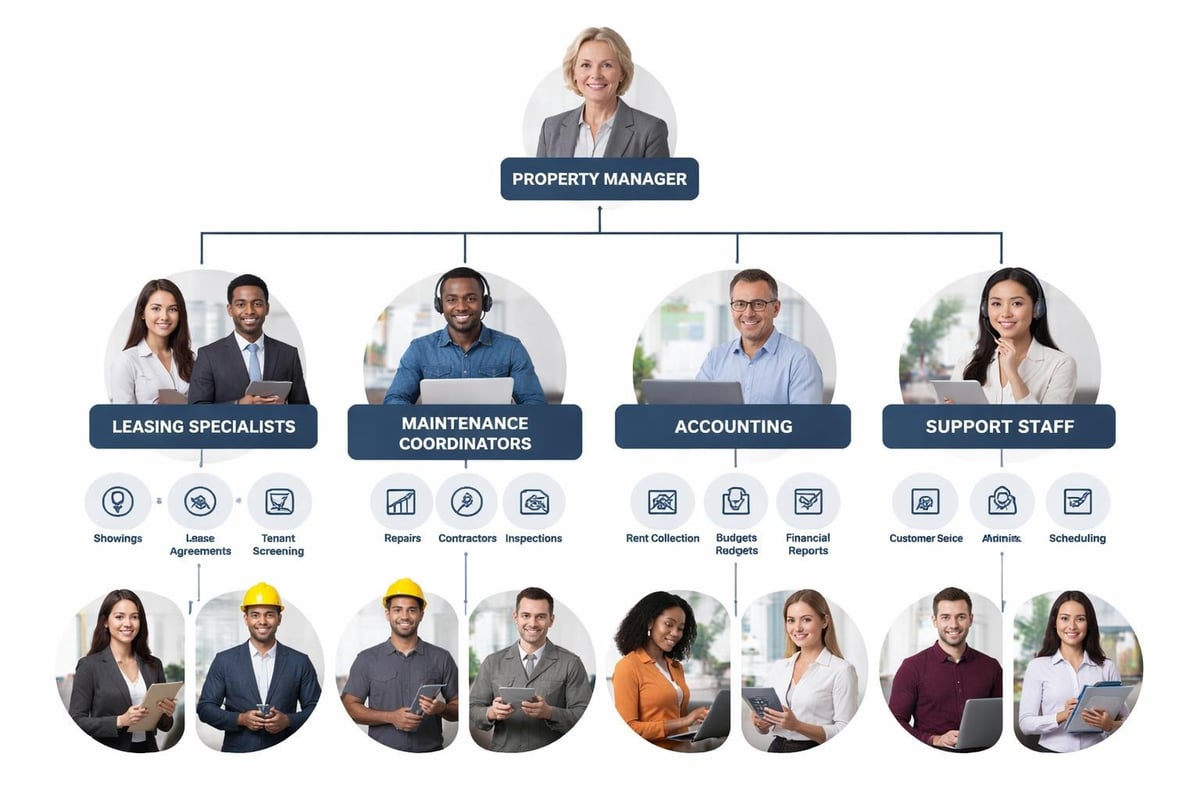
Every property management team needs clearly defined positions to function effectively. The structure may vary based on portfolio size, but certain core roles remain universal across successful operations.
Property Managers and Portfolio Directors
Property managers serve as the primary point of contact for property owners and oversee day-to-day operations. They coordinate with professional property managers to ensure properties maintain high occupancy rates and generate optimal returns. Portfolio directors manage multiple property managers and make strategic decisions about property acquisitions, renovations, and market positioning.
These leadership positions require extensive industry knowledge, financial acumen, and the ability to balance competing priorities. They must understand local market conditions, regulatory requirements, and investment strategies to guide their teams effectively.
- Strategic planning and budget management
- Owner relationship development
- Performance metrics tracking
- Team leadership and development
- Crisis management and problem-solving
Leasing and Tenant Relations Specialists
Leasing agents fill vacancies, conduct property tours, and process applications. Their ability to market properties effectively and screen potential tenants determines portfolio occupancy rates and revenue stability. Strong communication skills and sales expertise make these team members invaluable.
Tenant relations specialists handle ongoing communications, address concerns, and maintain positive relationships throughout lease terms. They serve as problem-solvers who can de-escalate conflicts and find mutually beneficial solutions. Hiring the right property management staff ensures these critical positions are filled with qualified professionals.
| Position | Primary Responsibilities | Key Skills Required |
|---|---|---|
| Leasing Agent | Tours, applications, move-ins | Sales, communication, local market knowledge |
| Tenant Relations | Issue resolution, renewals, satisfaction | Conflict resolution, empathy, documentation |
| Marketing Coordinator | Advertising, digital presence, outreach | Digital marketing, copywriting, analytics |
Maintenance and Operations Staff
The maintenance team keeps properties safe, functional, and attractive. This includes maintenance coordinators who schedule repairs, field technicians who handle routine work, and vendor managers who coordinate with specialized contractors. Response time and quality of work directly affect tenant retention and property values.
Preventive maintenance programs require organized staff who can track service schedules, maintain equipment records, and identify issues before they become expensive problems. Property maintenance represents a significant operational area where team expertise creates measurable value.
Financial and Administrative Support
Behind every successful property management team works a robust administrative infrastructure. Accounting staff handle rent collection, accounts payable, budgeting, and financial reporting. They ensure accurate record-keeping and timely distribution of owner payments.
Administrative assistants manage documentation, coordinate communications, and support various team members. Legal compliance specialists navigate complex regulations, manage eviction proceedings through eviction services, and ensure all operations meet local, state, and federal requirements.
Hiring Strategies for Property Management Excellence
Recruiting qualified team members requires a systematic approach. The property management industry faces unique staffing challenges, including high turnover rates and the need for specialized knowledge. Successful organizations develop comprehensive hiring processes that identify candidates with both technical skills and cultural fit.
Defining Clear Job Descriptions and Requirements
Vague job postings attract unqualified candidates and waste recruiting resources. Detailed descriptions should outline specific responsibilities, required qualifications, and performance expectations. Include information about company culture, growth opportunities, and unique benefits.
For technical positions, specify required certifications, software proficiencies, and industry experience. For customer-facing roles, emphasize communication skills, problem-solving abilities, and emotional intelligence. Building a stellar property management team starts with knowing exactly what each position requires.
Essential elements for job descriptions:
- Detailed daily responsibilities and tasks
- Required education, certifications, and experience
- Technical skills and software competencies
- Soft skills and personality traits
- Reporting structure and team interactions
- Performance metrics and success indicators
- Compensation range and benefits package
Screening and Assessment Methods
Tenant screening applies similar principles to staff recruitment. Multiple screening layers help identify the best candidates while filtering out poor fits early in the process.
Initial resume reviews should focus on relevant experience and job stability. Phone screenings assess communication skills and verify basic qualifications. In-person interviews allow deeper evaluation of problem-solving abilities, cultural alignment, and interpersonal dynamics.
- Resume review and application screening
- Initial phone or video interview
- Skills assessment or technical testing
- In-depth behavioral interview
- Reference checks with former employers
- Background verification and credential validation
- Final interview with team members or leadership
Practical assessments reveal how candidates handle real-world scenarios. Ask leasing specialists to conduct mock property tours, have maintenance coordinators diagnose common problems, or request accounting candidates to analyze financial statements.

Competitive Compensation and Benefits
The property management team landscape has become increasingly competitive. Offering market-rate compensation alone may not attract top talent. Comprehensive benefits packages, professional development opportunities, and work-life balance initiatives differentiate employers.
Research local market rates for each position and consider total compensation including health insurance, retirement contributions, paid time off, and performance bonuses. Non-traditional benefits like flexible schedules, remote work options, and continuing education support appeal to modern professionals.
Training and Development Programs
Hiring talented individuals represents just the first step. Ongoing training ensures your property management team maintains current knowledge and continuously improves performance. Structured development programs create career pathways that improve retention and build organizational capability.
Onboarding and Initial Training
New team members need comprehensive orientation covering company policies, software systems, communication protocols, and operational procedures. Effective onboarding reduces time-to-productivity and helps new hires feel confident in their roles.
Pair new employees with experienced mentors who can answer questions and provide guidance. Create detailed training checklists that cover all essential tasks and knowledge areas. Schedule regular check-ins during the first 90 days to address concerns and reinforce learning.
| Training Component | Timeline | Delivery Method |
|---|---|---|
| Company overview and culture | Week 1 | In-person orientation |
| Software and systems | Weeks 1-2 | Hands-on training |
| Role-specific procedures | Weeks 2-4 | Shadowing and practice |
| Compliance and legal requirements | Month 1 | Online modules and review |
| Performance expectations | Month 2 | Manager meetings |
Continuing Education and Skill Development
The property management industry evolves constantly with new technologies, regulations, and best practices. Elements of great property management include commitment to continuous learning and professional growth.
Encourage team members to pursue industry certifications like Certified Property Manager (CPM), Accredited Residential Manager (ARM), or specialized credentials in areas like fair housing compliance or financial management. Support attendance at conferences, workshops, and training seminars.
Professional development opportunities:
- Industry certification programs
- Conference and seminar attendance
- Online courses and webinars
- Lunch-and-learn sessions
- Cross-training in different departments
- Leadership development programs
- Technology and software training
Performance Management and Feedback
Regular performance reviews keep team members aligned with organizational goals and provide opportunities for recognition and improvement. Establish clear metrics for each role and track progress consistently.
Monthly one-on-one meetings allow managers to provide coaching, address challenges, and celebrate successes. Annual reviews should include formal assessments, compensation adjustments, and goal-setting for the coming year. Strategies for building high-performing teams emphasize the importance of ongoing feedback and clear performance standards.
Building Team Culture and Collaboration
Technical skills alone don't create exceptional property management teams. Organizational culture, communication patterns, and collaborative practices determine how effectively team members work together to serve clients and achieve business objectives.
Communication Systems and Protocols
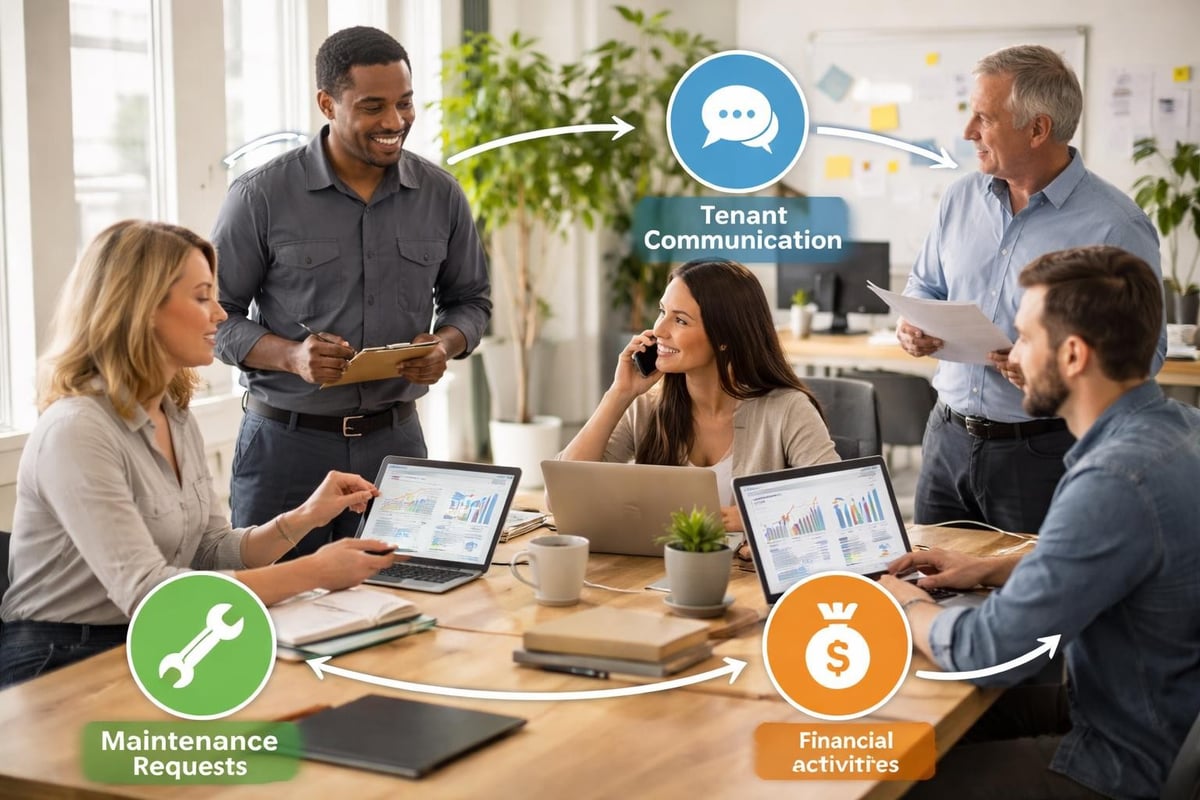
Property management requires rapid information flow between team members, owners, tenants, and vendors. Establish clear communication channels for different situations and train everyone on proper usage.
Daily huddles keep teams synchronized on priorities and urgent issues. Project management software tracks maintenance requests, lease renewals, and administrative tasks. Regular department meetings facilitate coordination and problem-solving.
- Morning team briefings for daily priorities
- Shared digital calendars and scheduling tools
- Project management platforms for task tracking
- Instant messaging for urgent communications
- Email protocols for formal documentation
- Regular department and all-staff meetings
- Owner and tenant communication guidelines
Empowerment and Decision-Making Authority
Micromanagement frustrates skilled professionals and slows operations. Creating a winning property management team involves empowering team members to make decisions within their areas of responsibility.
Define clear authority levels for different decisions. Maintenance coordinators might approve repairs under $500 without additional approval, while larger projects require property manager sign-off. Leasing agents can negotiate lease terms within established parameters.
Trust builds when team members know their judgment is valued. Provide guidelines and support, then allow professionals to do their jobs. Review outcomes regularly and adjust authority levels as team members demonstrate competence and reliability.
Recognition and Team Building
Acknowledging excellent work motivates individuals and reinforces desired behaviors. Implement both formal recognition programs and informal appreciation practices. Monthly awards, performance bonuses, and public acknowledgment during team meetings celebrate achievements.
Team-building activities strengthen relationships and improve collaboration. Quarterly social events, volunteer activities, or professional development workshops help team members connect beyond daily work tasks. Strong interpersonal relationships translate into better coordination and mutual support.
Essential Skills for Property Management Teams
While specific positions require specialized knowledge, certain competencies benefit every property management team member. The 10 skills your property management team should have provides valuable guidance on universal capabilities.
Communication and Interpersonal Skills
Property management involves constant interaction with diverse stakeholders. Team members must communicate clearly in writing and verbally, adapt their style to different audiences, and listen actively to understand concerns and needs.
Conflict resolution skills prove particularly valuable. Whether addressing tenant complaints, negotiating with vendors, or managing owner expectations, the ability to find win-win solutions maintains positive relationships and prevents escalation.
Technical and Industry Knowledge
Understanding property systems, maintenance procedures, and local market conditions allows team members to make informed decisions. Financial literacy helps everyone appreciate how their actions affect property performance and owner returns.
Staying current with fair housing laws, building codes, safety regulations, and lease requirements protects the organization from legal liability. Characteristics of a good property manager include deep knowledge of industry regulations and best practices.
Core technical competencies:
- Property management software proficiency
- Maintenance and repair knowledge
- Financial analysis and budgeting
- Fair housing and landlord-tenant law
- Marketing and leasing strategies
- Contract negotiation and vendor management
- Risk management and insurance principles
Organization and Time Management
Property management teams juggle multiple priorities simultaneously. Effective organization systems prevent tasks from falling through the cracks and ensure timely completion of critical activities.
Digital tools help manage workflows, but personal discipline and prioritization skills determine individual effectiveness. Team members need strategies for handling interruptions, managing email volume, and maintaining focus on high-impact activities.
Leveraging Technology for Team Efficiency
Modern property management software amplifies team capabilities and streamlines operations. The right technology stack reduces administrative burden, improves communication, and provides data-driven insights for decision-making.
Property Management Platforms
Comprehensive platforms integrate accounting, maintenance tracking, tenant portals, and reporting functions. Team members access centralized information rather than searching through multiple systems or paper files.
Online renter portals allow tenants to submit maintenance requests, pay rent, and communicate with property managers. This self-service functionality reduces phone calls and emails while improving tenant satisfaction through 24/7 access.
Communication and Collaboration Tools
Cloud-based document sharing ensures everyone works from current information. Team messaging platforms facilitate quick questions and coordination without cluttering email inboxes. Video conferencing enables remote collaboration and reduces travel time for meetings.
Mobile applications allow field staff to update work orders, photograph property conditions, and access information on-site. This real-time connectivity improves response times and service quality.
| Tool Category | Primary Benefits | Team Adoption Priority |
|---|---|---|
| Property management software | Centralized operations, reporting, automation | Critical – highest priority |
| Communication platforms | Real-time messaging, reduced email volume | High – essential coordination |
| Mobile applications | Field access, photo documentation, updates | High – improves efficiency |
| Digital signatures | Faster lease execution, reduced paperwork | Medium – convenience factor |
| Analytics dashboards | Data-driven decisions, performance tracking | Medium – strategic planning |
Training on Technology Adoption
New systems only deliver value when teams use them effectively. Budget time and resources for comprehensive technology training. Identify power users who can serve as internal experts and peer trainers.
Effective property management tips include investing in the right tools and ensuring staff receive adequate training. Regular refresher sessions and ongoing support help teams maximize technology investments.
Measuring Team Performance and Success
What gets measured gets managed. Establishing clear metrics for your property management team creates accountability and identifies improvement opportunities. Track both individual performance and overall team effectiveness.
Key Performance Indicators
Different roles require different metrics. Leasing specialists might be measured on occupancy rates, average days to lease, and application quality. Maintenance coordinators track response times, completion rates, and cost per repair.
Financial staff monitor rent collection percentages, accounts receivable aging, and reporting accuracy. Property managers oversee portfolio-wide metrics including net operating income, tenant retention, and owner satisfaction.
Important team metrics:
- Portfolio occupancy percentage
- Average time to fill vacancies
- Tenant retention and renewal rates
- Maintenance response and completion times
- Rent collection efficiency
- Owner satisfaction scores
- Revenue per property managed
- Operating expense ratios
- Staff turnover and retention rates
Regular Performance Reviews
Quarterly reviews allow course corrections before small issues become major problems. Compare actual performance against established benchmarks and investigate variances. Celebrate successes and develop action plans for areas needing improvement.
Individual performance discussions should focus on growth and development, not just criticism. Recognize achievements, identify obstacles preventing success, and collaboratively develop solutions. Strong performers need feedback and support to continue excelling.
Continuous Improvement Initiatives
The best property management teams never stop evolving. Regularly assess processes, gather team input on inefficiencies, and test new approaches. Small incremental improvements compound over time to create significant competitive advantages.
Benchmark performance against industry standards and the largest property management firms to identify gaps and opportunities. Property management tips that drive successful buildings emphasize continuous improvement and adaptation to changing market conditions.
Retention Strategies for Long-Term Team Stability
Hiring and training costs make employee turnover expensive. Beyond financial impacts, losing experienced team members disrupts operations and strains remaining staff. Proactive retention strategies protect your investment in human capital.
Career Path Development
Ambitious professionals want to see future opportunities within their organization. Create clear advancement pathways showing how team members can grow from entry-level positions into leadership roles. Advice for property managers often emphasizes the importance of career development in retaining top talent.
Document the skills, experience, and achievements required for promotion to each level. Provide mentoring and development opportunities that prepare team members for advancement. Internal promotions strengthen culture and demonstrate commitment to employee growth.
Work-Life Balance and Flexibility
Property management can involve irregular hours, emergency calls, and weekend work. Compensate for these demands by offering flexibility where possible. Remote work options for administrative roles, compressed work weeks, or generous time-off policies help prevent burnout.
Respect boundaries around personal time except for genuine emergencies. Implement rotation schedules for after-hours coverage so no individual bears the entire burden. Teams that feel valued and supported deliver better service and stay longer.
Competitive Compensation Reviews
Regular market research ensures your compensation remains competitive. Annual raises should at minimum keep pace with inflation, with higher increases for strong performers. Performance bonuses tied to measurable achievements motivate excellence and reward results.
Total compensation includes more than salary. Review health insurance options, retirement matching, professional development budgets, and other benefits annually. Small improvements to benefits packages can significantly impact retention without major cost increases.
Scaling Your Property Management Team
As portfolios grow, property management teams must expand strategically. Hiring too quickly strains training resources and dilutes culture. Growing too slowly overburdens existing staff and compromises service quality.
Planning for Growth
Monitor leading indicators that signal capacity constraints. Rising response times, declining tenant satisfaction, or increasing error rates suggest current team size can't handle existing workload. Plan hiring to occur before service quality suffers.
Consider portfolio composition when planning team size. High-turnover properties require more leasing support. Properties with aging systems need robust maintenance capabilities. Luxury properties demand higher service levels than workforce housing.
Maintaining Culture During Expansion
Rapid growth challenges organizational culture. New team members may not fully absorb values and practices before the next wave arrives. Intentional culture-building efforts become more important as teams expand.
Document core values, service standards, and operational philosophies. Share stories that illustrate desired behaviors and decision-making approaches. Ensure leadership models the culture consistently. Regular all-team meetings keep everyone connected to organizational mission and values.
Departmental Specialization
Smaller property management teams operate with generalists who handle multiple functions. As organizations grow, specialization improves efficiency and expertise. Dedicated positions for marketing, legal compliance, or vendor management emerge as portfolios reach certain sizes.
Balance specialization with cross-training to maintain operational flexibility. Team members with backup capabilities can cover absences and provide surge capacity during busy periods. Expert property management requires both deep expertise and organizational resilience.
Building and maintaining an exceptional property management team requires ongoing commitment to hiring, training, and development. The strategies outlined above create organizations capable of delivering superior service while supporting property owner objectives. With over 40 years of experience managing properties across the Greater New Orleans area, Coxe Property Management and Leasing understands the importance of assembling skilled professionals who provide personalized solutions for every property owner. Our comprehensive approach to tenant screening, maintenance coordination, and financial reporting demonstrates the value a dedicated team brings to property management success.