

Managing rental properties requires a strategic approach that balances tenant satisfaction, property maintenance, and financial performance. Whether you own a single-family home or a multi-unit complex, effective property management for rentals demands attention to detail, industry knowledge, and consistent execution. Understanding the core components of successful rental management can transform property ownership from a stressful burden into a profitable investment that generates reliable income while maintaining property value over time.
Essential Components of Rental Property Management
Property management for rentals encompasses numerous responsibilities that extend far beyond simply collecting rent checks each month. Professional management requires expertise in marketing, tenant relations, legal compliance, maintenance coordination, and financial reporting.
Tenant acquisition and retention stand as the foundation of successful rental operations. Finding qualified tenants who pay on time and respect the property directly impacts your bottom line and reduces vacancy costs.
Marketing and Tenant Placement
Effective marketing strategies ensure your properties attract quality applicants quickly, minimizing vacancy periods that erode profitability. Professional photography, compelling property descriptions, and strategic listing placement across multiple platforms maximize exposure to potential tenants.
- Professional-quality photos highlighting key features
- Accurate, detailed property descriptions
- Competitive pricing based on local market analysis
- Strategic use of online listing platforms
- Virtual tours and video walkthroughs
The screening process separates qualified applicants from those who pose financial or operational risks. Implementing comprehensive tenant screening practices protects your investment through background checks, credit verification, employment confirmation, and rental history analysis.
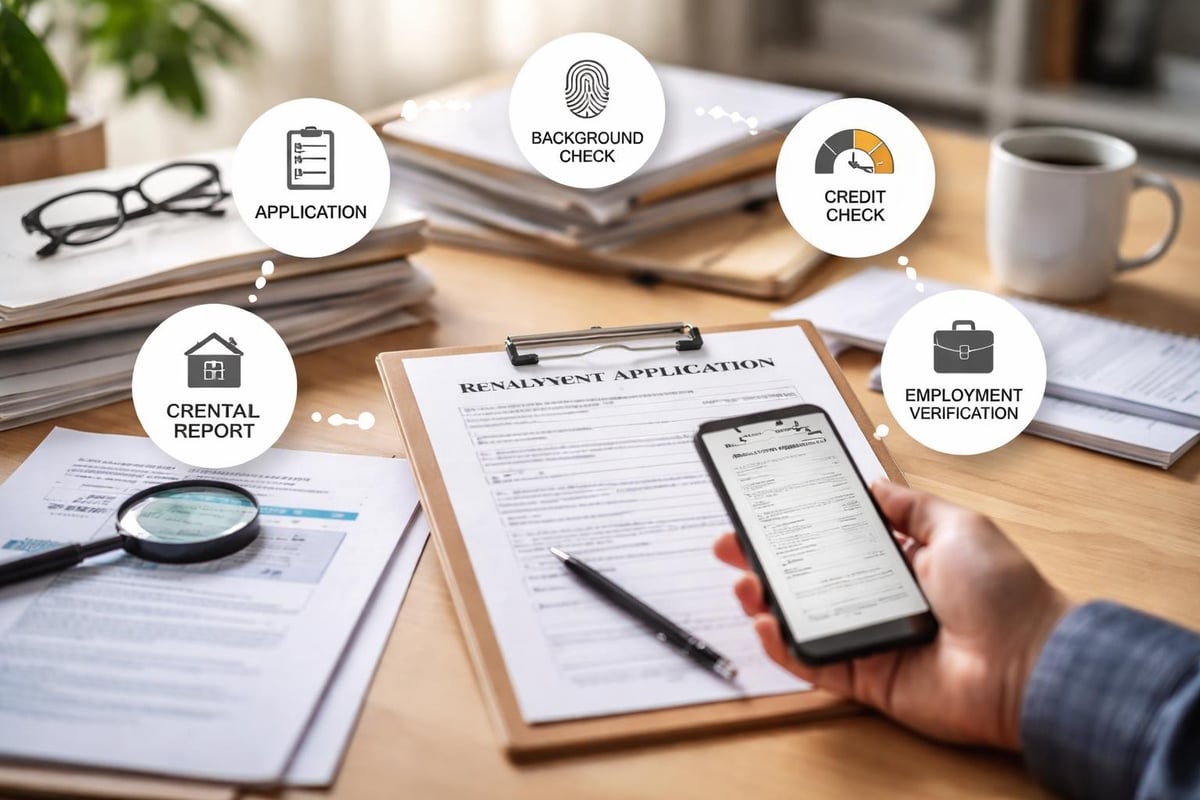
| Screening Component | Purpose | Key Metrics |
|---|---|---|
| Credit Check | Financial responsibility | Score above 620 |
| Background Check | Criminal history review | Clean record preferred |
| Employment Verification | Income stability | 3x rent minimum |
| Rental History | Past tenant behavior | Positive references |
Financial Management and Rent Collection
Consistent cash flow represents the lifeblood of rental property success. Establishing clear rent collection policies and leveraging technology streamlines the payment process while reducing late payments and administrative burden.
Modern property management for rentals incorporates digital payment systems that offer convenience for tenants while ensuring timely deposits for property owners. Automated payment reminders, online portals, and multiple payment options reduce friction in the collection process.
Accounting and Financial Reporting
Accurate financial tracking enables informed decision-making and simplifies tax preparation. Detailed records of income, expenses, maintenance costs, and capital improvements provide clarity for both property owners and tax professionals.
Monthly financial statements should include:
- Itemized rental income by unit
- Operating expenses categorized appropriately
- Maintenance and repair costs
- Capital improvement investments
- Year-to-date comparisons and variance analysis
The renter portal technology available today enables tenants to submit payments, request maintenance, and communicate with management through a single convenient platform. This transparency builds trust while reducing administrative overhead.
Security deposit management requires meticulous documentation and compliance with state regulations. Proper handling includes detailed move-in inspections, photographic evidence, itemized deduction statements, and timely return of funds according to local laws.
Maintenance and Property Preservation
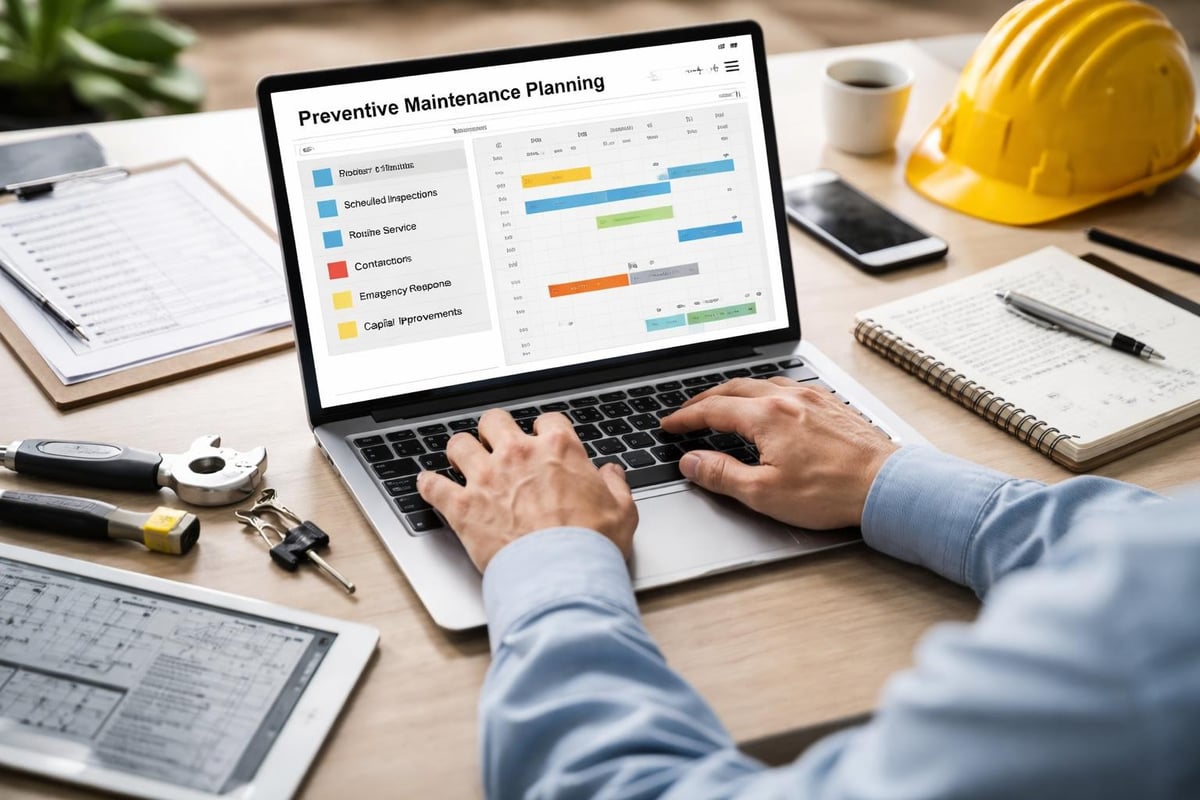
Proactive maintenance protects property value while minimizing emergency repair costs that disrupt operations and strain budgets. Developing comprehensive maintenance strategies prevents small issues from escalating into expensive problems.
Preventive maintenance schedules should address:
- HVAC system inspections and filter changes
- Plumbing system checks and water heater maintenance
- Roof and gutter inspections
- Exterior painting and weatherproofing
- Appliance servicing and replacement planning
Emergency response protocols ensure tenant safety and property protection when unexpected issues arise. Establishing relationships with reliable contractors across multiple trades enables quick response to urgent situations like plumbing failures, electrical problems, or security concerns.
Inspection Protocols
Regular property inspections identify maintenance needs before they become emergencies while ensuring tenants maintain the property according to lease terms. Quarterly or semi-annual inspections balance property oversight with tenant privacy rights.
Documentation during inspections provides legal protection and maintenance planning data. Photographs, detailed notes, and timestamp records create an audit trail that supports decision-making and dispute resolution when necessary.
The relationship between consistent maintenance and tenant retention cannot be overstated. Tenants who experience responsive, professional maintenance service are more likely to renew leases, reducing turnover costs and vacancy periods that impact profitability.
Legal Compliance and Risk Management
Navigating the complex legal landscape of rental property ownership requires ongoing education and attention to evolving regulations. Property management for rentals involves compliance with federal fair housing laws, state landlord-tenant statutes, and local ordinances that govern everything from security deposits to eviction procedures.
Key compliance areas include:
- Fair Housing Act requirements and protected classes
- Americans with Disabilities Act accessibility standards
- State-specific security deposit regulations
- Lead-based paint disclosure requirements
- Local rental licensing and inspection mandates
Understanding property management best practices helps property owners avoid costly legal disputes while protecting tenant rights. Professional property managers stay current with regulatory changes and implement compliant procedures across all operational areas.
Lease agreements serve as the foundation of the landlord-tenant relationship and must address all relevant legal requirements while clearly defining expectations for both parties. Well-drafted leases specify rent amounts, payment due dates, late fees, maintenance responsibilities, pet policies, and termination procedures.
Risk Mitigation Strategies
Insurance coverage specifically designed for rental properties protects against liability claims, property damage, and loss of rental income. Adequate coverage includes property insurance, liability protection, and optional loss of rent endorsements.
| Insurance Type | Coverage | Recommended Amount |
|---|---|---|
| Property Insurance | Building and systems | Replacement value |
| Liability Coverage | Injury and damage claims | $1-2 million minimum |
| Loss of Rent | Vacancy during repairs | 6-12 months coverage |
| Umbrella Policy | Additional liability | $1 million+ |
Eviction procedures require strict adherence to legal protocols to protect property owner rights while respecting tenant protections. Understanding state-specific notice requirements, court procedures, and timeline expectations prevents costly mistakes during this stressful process.
Technology and Operational Efficiency
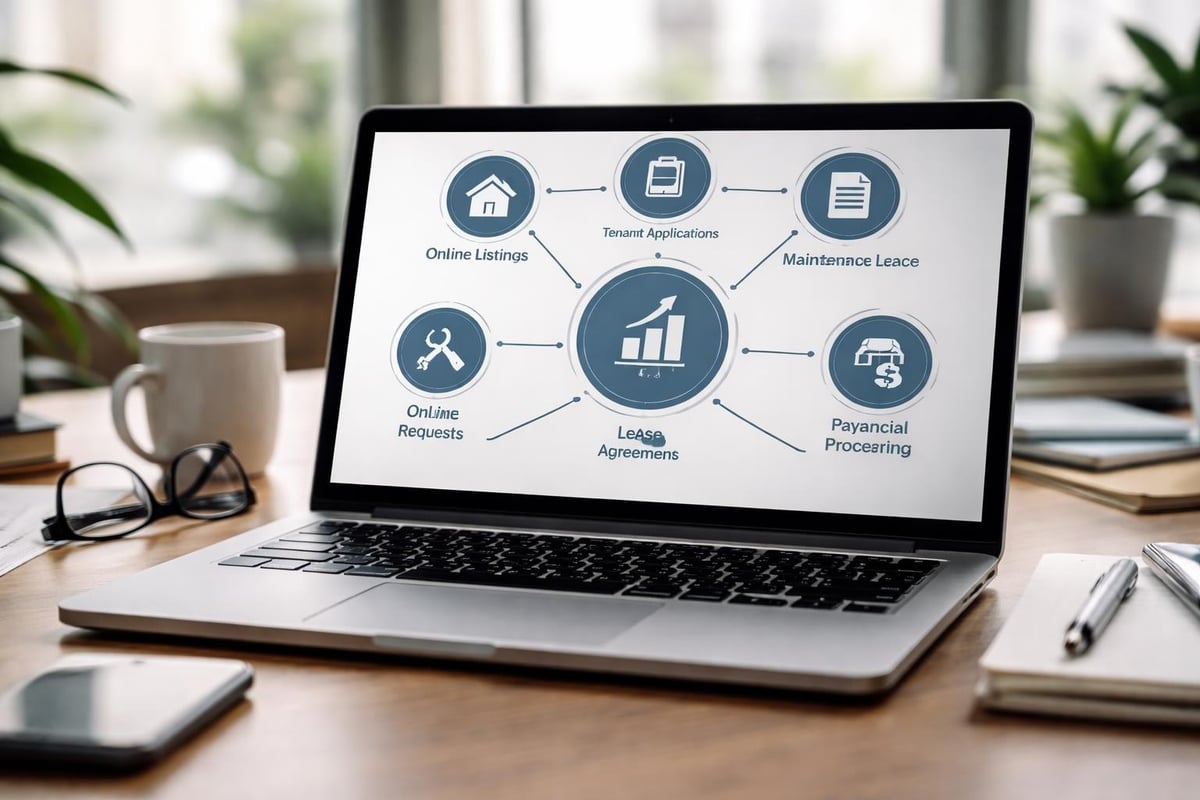
Modern property management for rentals leverages technology to streamline operations, reduce costs, and improve service delivery. Software solutions integrate marketing, tenant screening, lease management, maintenance tracking, and financial reporting into unified platforms that enhance efficiency.
Digital communication tools enable faster response times and better documentation of tenant interactions. Email, text messaging, and portal messaging create written records while providing convenient communication channels that match modern tenant expectations.
Technology benefits for property management:
- Automated rent collection and late payment notifications
- Online maintenance request submission and tracking
- Digital document storage and lease signing
- Automated financial reporting and expense categorization
- Tenant screening integration with background check services
The investment in property management software typically generates positive returns through reduced administrative time, fewer missed rent payments, and improved tenant satisfaction. Managing rental properties effectively becomes significantly easier with the right technological infrastructure supporting daily operations.
Scaling Your Rental Portfolio
Growth strategies for rental property portfolios require careful planning around financing, market selection, and operational capacity. Adding properties without corresponding management infrastructure leads to declining service quality and operational chaos.
Professional residential property management services become increasingly valuable as portfolios expand beyond what individual owners can effectively manage while maintaining other professional or personal commitments.
Market Analysis and Acquisition
Successful portfolio expansion begins with thorough market research identifying areas with strong rental demand, reasonable property prices, and favorable landlord-tenant laws. Demographic trends, employment growth, and development plans indicate markets with sustainable rental opportunities.
Financial modeling for new acquisitions must account for:
- Purchase price and closing costs
- Renovation and improvement investments
- Operating expense projections
- Vacancy rate assumptions
- Property management fees
- Long-term appreciation potential
Due diligence extends beyond property inspections to include neighborhood analysis, school quality research, crime statistics review, and rental market competition assessment. Comprehensive analysis reduces acquisition risks and improves investment returns.
Building Strong Tenant Relationships
Tenant satisfaction directly impacts retention rates, which significantly influence profitability metrics. The cost of tenant turnover includes marketing expenses, vacancy periods, cleaning, repairs, and administrative time that collectively erode returns.
Communication establishes the foundation for positive landlord-tenant relationships. Setting clear expectations from the initial lease signing through move-out procedures prevents misunderstandings that escalate into disputes.
Effective communication practices include:
- Prompt responses to maintenance requests and inquiries
- Regular updates on property improvements or policy changes
- Professional, respectful tone in all interactions
- Clear documentation of agreements and conversations
- Accessible contact methods during business hours
Implementing rental property management strategies that prioritize tenant experience creates competitive advantages in crowded rental markets. Satisfied tenants provide positive reviews, refer qualified applicants, and renew leases at higher rates than dissatisfied residents.
Conflict resolution skills prove essential when disputes arise over maintenance issues, lease interpretations, or neighbor complaints. Professional property managers approach conflicts objectively, seeking solutions that protect property owner interests while maintaining tenant relationships when appropriate.
Vendor Management and Contractor Relations
Reliable contractor networks enable efficient maintenance operations and emergency response capabilities. Building relationships with licensed, insured professionals across essential trades ensures quality work at competitive prices.
Vendor selection criteria should evaluate:
- Proper licensing and insurance coverage
- References from other property managers or owners
- Response time commitments for emergencies
- Pricing structure and payment terms
- Quality of work and warranty policies
Regular performance evaluation ensures vendors maintain service standards over time. Tracking response times, repair quality, tenant feedback, and cost competitiveness identifies contractors who deserve continued business and those requiring replacement.
| Trade Category | Selection Priority | Response Time Goal |
|---|---|---|
| Plumbing | Emergency availability | 2-4 hours |
| Electrical | Licensed, insured | Same day |
| HVAC | Preventive maintenance | 24-48 hours |
| General Maintenance | Multi-skilled | 1-3 days |
Negotiating favorable terms with contractors through volume commitments or preferred vendor agreements reduces costs while ensuring priority service. Property management for rentals at scale provides negotiating leverage unavailable to individual property owners.
Adapting to Market Changes
Rental markets evolve continuously based on economic conditions, demographic shifts, and regulatory changes. Successful property managers monitor market trends and adjust strategies accordingly to maintain competitive positioning and maximize returns.
Rental rate optimization requires regular market analysis comparing similar properties in the area. Underpricing leaves money on the table while overpricing extends vacancy periods and reduces annual income despite higher nominal rates.
Market monitoring activities:
- Competitive rental rate surveys
- Vacancy rate tracking by neighborhood
- New construction impact assessment
- Regulatory change monitoring
- Economic indicator review
Adapting property amenities and features to match evolving tenant preferences maintains competitiveness as market demands shift. Understanding what modern renters value enables strategic improvement investments that enhance rental appeal and justify premium pricing.
The property management industry itself continues evolving with new technologies, changing regulations, and shifting best practices. Staying informed through property management resources and professional development ensures management approaches remain current and effective.
Successful property management for rentals requires expertise across marketing, tenant relations, maintenance, legal compliance, and financial management. These interconnected responsibilities demand consistent attention and professional execution to maximize returns while minimizing operational headaches. With over four decades of experience managing nearly $1 billion in assets across the Greater New Orleans area, Coxe Property Management and Leasing provides comprehensive solutions that handle every aspect of rental property ownership. From tenant screening and rent collection to maintenance coordination and legal guidance, their personalized approach ensures hassle-free ownership and optimal property performance.