

Property ownership can be a lucrative investment, but managing rental properties requires substantial time, expertise, and resources. For property owners seeking to maximize returns while minimizing operational headaches, management support property management services provide essential infrastructure and professional assistance. These services range from basic administrative tasks to comprehensive oversight that handles every aspect of property operations. Understanding the scope and benefits of management support in property management helps investors make informed decisions about outsourcing their property operations, particularly in competitive markets like the Greater New Orleans area where tenant expectations and regulatory requirements continue to evolve.
Understanding Management Support in Property Management
Management support property management encompasses a broad range of services designed to assist property owners in maintaining, leasing, and optimizing their real estate investments. Unlike self-management, where owners handle all responsibilities independently, management support provides professional expertise across critical operational areas.
The foundation of effective property management rests on several pillars that require specialized knowledge and consistent attention. These include tenant acquisition and retention, financial management, maintenance coordination, and legal compliance. Property owners who attempt to manage these functions without adequate support often encounter challenges that diminish their investment returns.
Core Components of Management Support
Professional management support typically includes the following elements:
- Tenant screening and placement using comprehensive background checks and credit analysis
- Lease administration covering contract preparation, renewals, and terminations
- Rent collection systems ensuring timely payment and deposit tracking
- Maintenance coordination responding to repair requests and preventive upkeep
- Financial reporting providing transparent accounting and tax documentation
- Legal compliance navigating fair housing laws and local regulations
Each component requires dedicated resources and expertise that many property owners lack when managing properties independently. Comprehensive property management services integrate these elements into cohesive operational systems.

Tenant Screening and Placement Support
One of the most critical aspects of management support property management involves finding and placing qualified tenants. Poor tenant selection leads to late payments, property damage, and potential eviction costs that erode profitability.
Professional management support employs rigorous screening protocols that evaluate applicants across multiple dimensions. Credit history analysis identifies financial responsibility patterns, while criminal background checks protect property safety and community standards. Employment verification confirms income stability, and rental history reviews reveal past tenant behavior.
The Screening Process
| Screening Element | Purpose | Key Metrics |
|---|---|---|
| Credit Check | Financial reliability | Credit score, debt-to-income ratio |
| Background Check | Safety assessment | Criminal records, sex offender registry |
| Income Verification | Payment capability | Employment status, income documentation |
| Rental History | Past behavior analysis | Previous landlord references, eviction records |
| Identity Verification | Fraud prevention | Government-issued ID, Social Security validation |
The Institute of Real Estate Management (IREM) offers the Certified Property Manager (CPM) designation, which emphasizes standardized screening procedures as essential to successful property management. Professionals with this credential bring expertise in fair housing compliance while maintaining effective screening standards.
Beyond initial screening, tenant screening services must also handle application processing, lease signing coordination, and move-in inspections that establish clear property condition baselines. This documentation protects both owners and tenants when disputes arise during or after tenancy.
Financial Management and Rent Collection Systems
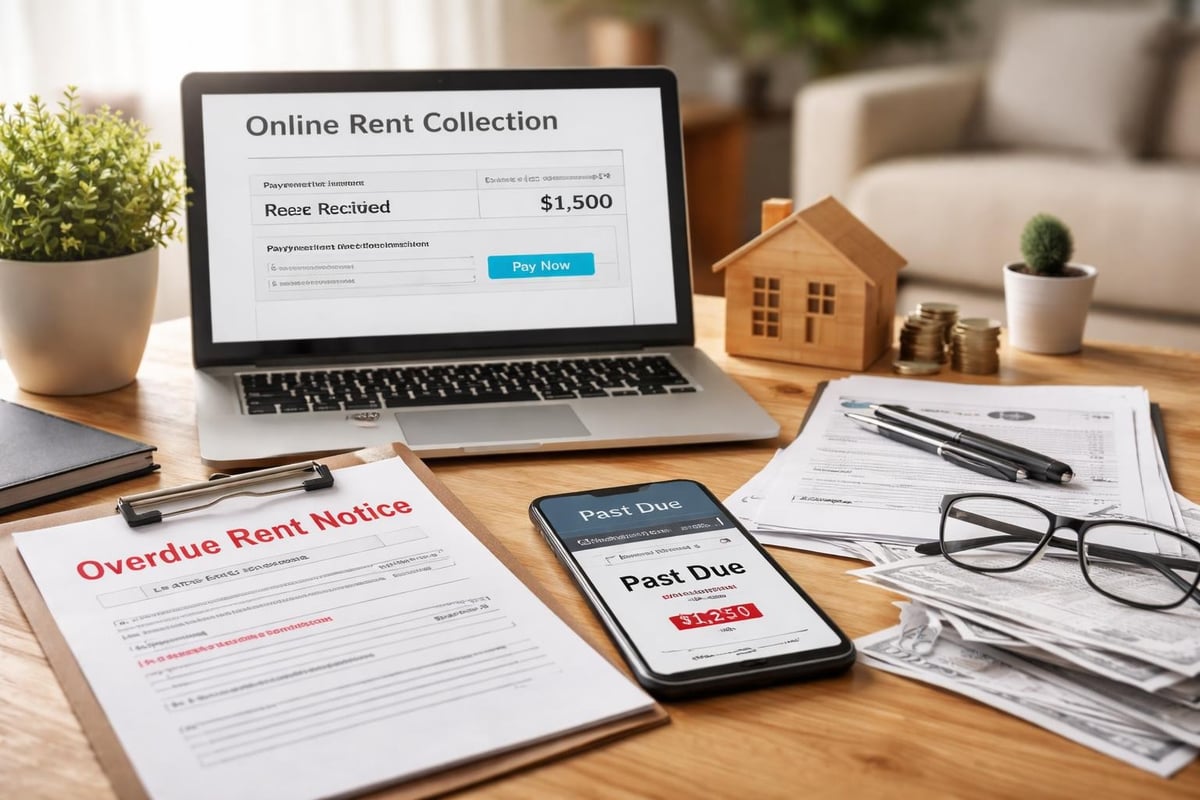
Management support property management delivers significant value through sophisticated financial systems that many individual property owners cannot replicate independently. Professional rent collection processes ensure consistent cash flow while maintaining positive tenant relationships.
Effective financial management begins with establishing clear payment expectations and convenient collection methods. Modern property management leverages online payment portals, automated reminders, and multiple payment options that accommodate tenant preferences while ensuring timely receipt of funds.
Late Payment Management
When payments become delinquent, management support implements structured escalation procedures:
- Automated reminder notices sent before due dates
- Grace period communications maintaining professional tone
- Late fee assessment according to lease terms
- Payment plan negotiations when appropriate
- Legal action initiation for persistent non-payment
Reliable rent collection services maintain consistency while preserving tenant relationships whenever possible. The balance between firmness and flexibility requires experience that professional management brings to property operations.
Financial reporting represents another crucial element of management support. Monthly owner statements should detail income, expenses, and net operating performance with transparency that enables informed decision-making. Year-end tax documentation, including 1099 forms for contractors and comprehensive expense categorization, simplifies owner tax preparation.
Property Maintenance and Inspection Coordination
Physical property condition directly impacts tenant satisfaction, retention rates, and long-term asset value. Management support property management provides essential maintenance coordination that prevents small issues from becoming expensive repairs.
Preventive maintenance programs represent one of the highest-value services professional management delivers. Regular HVAC servicing, plumbing inspections, roof evaluations, and exterior maintenance extend equipment lifespan and prevent emergency situations that disrupt tenant comfort.
Maintenance Response Systems
Professional management establishes clear protocols for handling maintenance requests efficiently:
- Emergency response procedures for urgent issues requiring immediate attention
- Routine request processing with scheduled contractor dispatch
- Vendor relationship management maintaining qualified contractor networks
- Quality control inspections verifying completed work meets standards
- Cost documentation tracking expenses for owner transparency
The National Association of Realtors (NAR) recognizes the CPM designation, emphasizing maintenance management as a core competency for professional property managers. This recognition underscores the technical knowledge required for effective property preservation.
Property maintenance services also include regular property inspections that identify potential problems before they escalate. Quarterly or semi-annual inspections document property condition, ensure lease compliance, and detect unauthorized occupants or lease violations. These property inspections create accountability while demonstrating owner investment in property standards.
Legal Compliance and Risk Management
Navigating the complex legal landscape of residential property management requires specialized knowledge that management support property management professionals develop through ongoing education and experience. Fair housing laws, local ordinances, eviction procedures, and safety regulations create substantial liability exposure for uninformed property owners.
Fair housing compliance stands as perhaps the most critical legal consideration. Federal, state, and local protected classes prohibit discrimination in tenant selection, lease terms, and property rules. Violations carry severe penalties including substantial fines and legal fees that far exceed any potential management support costs.
Key Legal Considerations
| Legal Area | Primary Requirements | Consequences of Non-Compliance |
|---|---|---|
| Fair Housing | Non-discriminatory practices | Fines, lawsuits, reputation damage |
| Security Deposits | State-specific holding and return rules | Statutory penalties, legal costs |
| Habitability | Maintaining livable conditions | Tenant withholding rights, code violations |
| Eviction Procedures | Proper notice and court processes | Case dismissal, additional legal expenses |
| Disclosure Requirements | Lead paint, environmental hazards | Federal penalties, tenant claims |
When eviction becomes necessary, professional management support ensures proper legal procedures protect owner interests while minimizing delays. Eviction services require precise notice timing, accurate documentation, and court representation experience that prevents costly procedural errors.
The Accredited Residential Manager (ARM) credential specifically addresses legal and regulatory knowledge essential for residential property management professionals. This specialization ensures managers understand the unique requirements of residential tenancies compared to commercial property management.
Technology Integration in Management Support
Modern management support property management leverages technology platforms that streamline operations and improve communication between owners, managers, and tenants. Property management software centralizes data, automates routine tasks, and provides real-time access to critical information.
Key technological capabilities include:
- Online portals allowing tenants to pay rent, submit maintenance requests, and access documents
- Accounting integration connecting property finances with owner accounting systems
- Maintenance tracking documenting requests from submission through completion
- Document storage maintaining lease agreements, inspection reports, and communications
- Marketing automation listing vacant properties across multiple platforms simultaneously
These systems reduce administrative burden while improving accuracy and response times. Technology also enhances transparency through dashboards that display occupancy rates, maintenance status, and financial performance metrics in real-time formats owners can access remotely.
Communication tools within management platforms facilitate efficient coordination between all parties. Automated notifications keep tenants informed about scheduled maintenance, policy updates, and community announcements. Owners receive alerts regarding significant events like lease renewals, major repairs, or late payments requiring attention.

Marketing and Tenant Retention Strategies
Minimizing vacancy periods and maintaining high tenant retention rates directly impact property profitability. Management support property management includes strategic marketing that attracts quality applicants and retention programs that encourage lease renewals.
Professional property marketing extends beyond simple classified advertisements. Effective strategies include:
- Professional photography showcasing property features
- Competitive pricing analysis based on local market conditions
- Multi-channel advertising across rental platforms and social media
- Virtual tour capabilities accommodating remote prospective tenants
- Responsive inquiry management converting interest into applications
Property marketing services leverage market knowledge and established advertising relationships that individual owners cannot easily replicate. Speed to market and application conversion rates significantly impact revenue generation during turnover periods.
Tenant retention represents the most cost-effective leasing strategy since retaining existing tenants eliminates turnover expenses including marketing costs, vacancy periods, cleaning, and repairs. Professional management cultivates positive tenant relationships through responsive service, clear communication, and fair policies that encourage long-term occupancy.
Retention Best Practices
Proactive lease renewal communications beginning 90 days before expiration give tenants time to consider options while demonstrating management organization. Responsive maintenance service shows respect for tenant comfort and builds goodwill that transcends minor rent increases. Community building initiatives create connection among residents in multi-unit properties, increasing satisfaction with the living environment.
Regular tenant satisfaction surveys identify improvement opportunities before frustrations escalate to move-out decisions. Management support systems track these metrics and implement responsive adjustments that preserve valuable tenant relationships.
Financial Reporting and Performance Analytics
Comprehensive financial reporting distinguishes professional management support property management from basic administrative assistance. Detailed accounting provides transparency while enabling data-driven decisions about property improvements, rent adjustments, and portfolio expansion.
Monthly owner statements should include itemized income from all sources, categorized expenses with supporting documentation, and clear reconciliation showing net operating income. Financial reporting services present this information in formats that facilitate tax preparation and investment performance evaluation.
Beyond basic accounting, sophisticated management support provides analytical insights:
- Occupancy trend analysis revealing seasonal patterns and market shifts
- Maintenance cost tracking identifying recurring problems requiring capital investment
- Rent comparison reports benchmarking against comparable properties
- Turnover cost calculations quantifying retention value
- Return on investment projections modeling improvement scenarios
These analytics transform raw data into actionable intelligence that optimizes property performance. Owners receive recommendations supported by empirical evidence rather than anecdotal observations that may not reflect actual operational realities.
Reserve fund management represents another critical financial function. Professional managers establish appropriate reserves for anticipated capital expenses, preventing owner surprise when roofs, HVAC systems, or appliances require replacement. This forward planning smooths cash flow and prevents deferred maintenance that diminishes property value.
Scalability and Portfolio Growth Support
As property portfolios expand, operational complexity increases exponentially. Management support property management provides scalable systems that accommodate growth without proportional increases in owner time investment or administrative burden.
Centralized management platforms handle multiple properties through unified systems for tenant screening, rent collection, maintenance coordination, and financial reporting. This efficiency enables owners to expand portfolios without hiring additional staff or developing specialized expertise across all management functions.
Professional management also provides market intelligence that identifies acquisition opportunities aligned with owner investment criteria. Experience managing properties across neighborhoods reveals emerging areas, property types offering strong returns, and market conditions favorable for portfolio expansion.
Growth Considerations
| Portfolio Size | Management Complexity | Support Benefits |
|---|---|---|
| 1-3 Properties | Moderate | Systems establishment, compliance assurance |
| 4-10 Properties | High | Operational efficiency, time savings |
| 11-25 Properties | Very High | Scalable processes, professional expertise |
| 26+ Properties | Extreme | Institutional-grade systems, dedicated resources |
For owners in markets like Greater New Orleans, local management expertise proves particularly valuable during expansion. Understanding neighborhood characteristics, tenant demographics, and regulatory nuances requires deep market knowledge that established management companies possess through years of operation.
Selecting Management Support Services
Choosing appropriate management support requires evaluating company capabilities, fee structures, and service alignment with ownership goals. Not all management companies offer identical services or demonstrate equal expertise across all property types and markets.
Essential evaluation criteria include:
- Experience and credentials such as CPM or ARM designations demonstrating professional competence
- Market knowledge specific to your property locations and tenant demographics
- Technology capabilities providing owner access and operational efficiency
- Communication standards establishing clear expectations for responsiveness
- Fee transparency detailing all charges without hidden costs
- References from current clients managing similar properties
Management fees typically range from 8-12% of collected rent for residential properties, with additional charges for leasing, maintenance markup, and special services. While fee minimization seems attractive, the lowest-cost provider may deliver inferior results that cost more through vacancy periods, poor tenant placement, or deferred maintenance.
Questions to ask prospective management companies include their average tenant retention rates, typical vacancy periods, maintenance response times, and owner communication frequency. Request sample owner statements to evaluate reporting clarity and detail. Verify their understanding of local regulations and fair housing compliance procedures.
Effective management support property management transforms property ownership from a demanding second job into a passive income stream that builds wealth through professional expertise and systematic operations. Whether managing a single rental unit or an extensive portfolio, the right management support maximizes returns while minimizing stress and liability exposure. With over 40 years of experience managing nearly $1 billion in assets across the Greater New Orleans area, Coxe Property Management and Leasing delivers comprehensive solutions that protect your investment while optimizing performance. Discover how professional management support can enhance your property ownership experience today.