

Imagine entering 2026 with confidence, knowing your property is protected and your investment is growing. Staying ahead with estate maintenance can mean the difference between unexpected problems and a thriving, future-ready estate.
This guide is crafted to give you expert strategies, actionable checklists, and the latest insights to keep your estate secure and valuable. You will find annual maintenance plans, eco-friendly upgrade ideas, legal and financial tips, and guidance on working with professionals.
Let this handbook be your roadmap to hassle-free estate care. Unlock the peace of mind that comes from a well-maintained property and take the first step toward a more secure future today.
Understanding Estate Maintenance: Why It Matters in 2026
Estate maintenance in 2026 is more than just fixing what is broken. It now means taking a holistic approach to the care and longevity of your property. Unlike basic repairs, estate maintenance covers every aspect of your estate, from landscaping and security systems to compliance with the latest regulations. The distinction between estate maintenance and standard property management is significant. While property management focuses on tenant relations and administrative tasks, estate maintenance ensures every system, structure, and feature of your property is preserved and optimized. For a full overview of the services that fall under estate maintenance, including both routine and specialized tasks, you can review this property maintenance services overview.
Recent studies confirm the impact of estate maintenance on property value. Well-maintained estates consistently sell for 10 to 15 percent more than neglected properties. In 2026, buyers and tenants expect sustainability, reliability, and modern amenities. Meeting these expectations requires a proactive approach to estate maintenance, ensuring your property remains competitive in a fast-changing market.
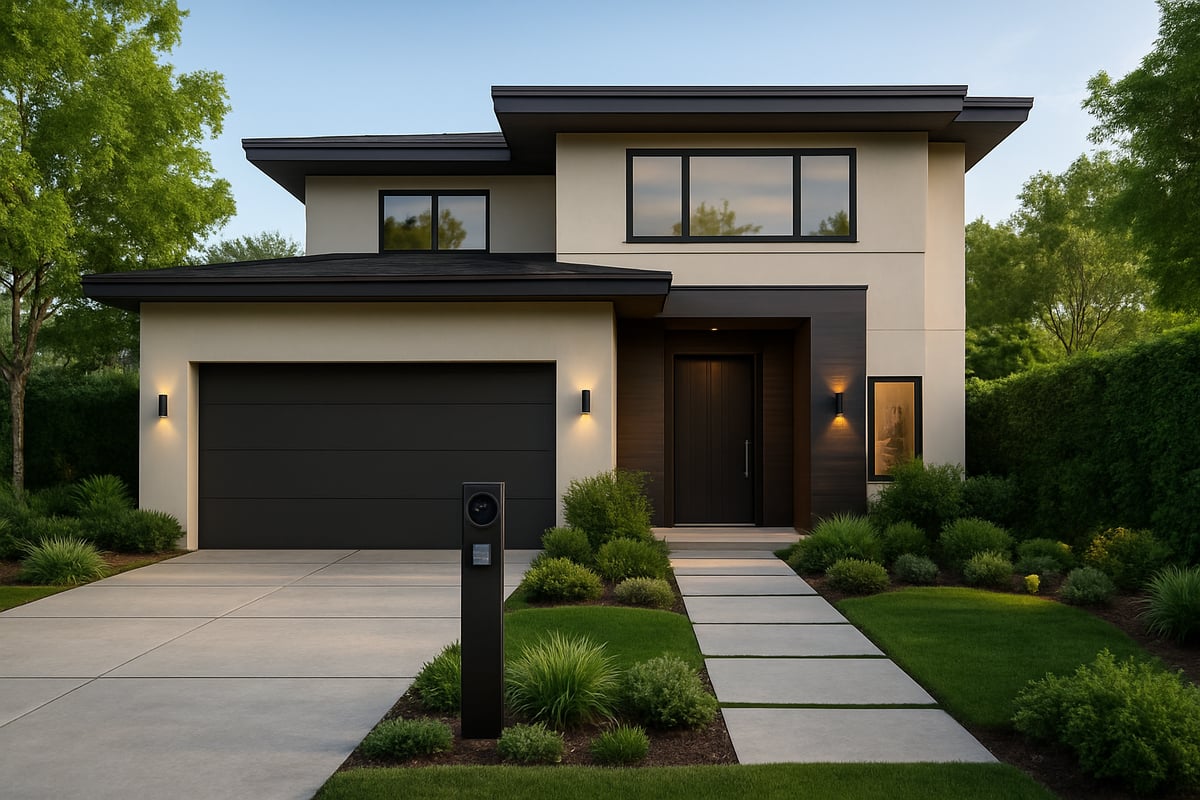
Key Benefits of Proactive Estate Maintenance
Proactive estate maintenance delivers measurable advantages that go far beyond curb appeal. By identifying and addressing small issues early, you can prevent them from developing into costly repairs. Enhanced safety is another major benefit, as regular inspections and upgrades reduce risks for residents and visitors alike.
Other key benefits include:
- Preserving historical or architectural features, which can boost both value and prestige.
- Ensuring compliance with evolving local and federal regulations, protecting you from fines or legal action.
- Supporting sustainability goals through eco-friendly systems and materials.
Investing in estate maintenance also strengthens your property's reputation. Prospective tenants and buyers are drawn to properties that reflect diligent, ongoing care, making your estate more desirable and profitable.
Risks of Neglecting Estate Maintenance
Neglecting estate maintenance can lead to serious financial and legal consequences. Deferred repairs often result in property value loss, as deteriorating systems and visible damage make an estate less attractive to buyers and renters. Insurance companies may increase premiums or deny claims if poor upkeep is documented.
Common risks include:
- Increased liability for accidents or injuries on poorly maintained grounds.
- Legal ramifications if you fail to comply with maintenance codes or safety regulations.
- Higher long-term repair costs due to unchecked wear and tear.
Documented cases have shown that estates with inadequate maintenance records face more frequent legal disputes and higher operational expenses. Protecting your investment means making estate maintenance a consistent priority.
Trends Shaping Estate Maintenance in 2026
Estate maintenance is evolving rapidly in response to new technologies and societal priorities. The integration of smart home systems enables predictive maintenance, allowing property owners to detect issues before they escalate. Sustainability is at the forefront, with eco-friendly upgrades and energy-efficient systems becoming standard in high-value estates.
Climate change and extreme weather patterns also influence estate maintenance planning. Owners are now investing in resilient infrastructure and adaptive landscaping to safeguard their properties. As these trends continue, estate maintenance will play a central role in preserving both property value and environmental responsibility in 2026.
Annual Estate Maintenance Checklist: Step-by-Step for 2026
Staying ahead with estate maintenance in 2026 means following a structured, seasonal approach. By breaking tasks into manageable steps, you can ensure your property remains safe, efficient, and ready for the future. Use this annual checklist as your roadmap for year-round care.

Spring: Renewal and Inspection
Spring signals the start of a new cycle for estate maintenance. After winter, it's crucial to inspect your property for any hidden damage and prepare for the months ahead. Begin with a comprehensive gutter cleaning to prevent water issues. Roof inspections are essential to spot loose shingles or leaks that may have occurred during colder months.
Landscaping is another key focus. Test soil health, plan new plantings, and address pest control early to maintain attractive grounds. Servicing the HVAC system before the heat arrives ensures comfort and efficiency. Inspecting foundations and exterior walls for moisture or cracks protects the estate from long-term structural damage.
Use digital tools to document your findings and consider scheduling a professional inspection for compliance. For expert support with inspections, refer to Estate inspections and compliance. Regular spring estate maintenance not only preserves property value but also sets a strong foundation for the rest of the year.
Summer: Upkeep and Improvement
Summer is the time to focus on both upkeep and aesthetic improvements. Estate maintenance during this season often includes exterior painting and repairing siding to protect against sun and moisture. Pools and irrigation systems need careful attention, with regular cleaning and checks for leaks or malfunctions.
Sealing windows and doors enhances energy efficiency, keeping cooling costs manageable. Assess outdoor lighting and security systems to ensure all areas of the estate remain safe and well-lit for gatherings or late evenings. Consistent summer estate maintenance helps prevent small issues from escalating, keeping your property in top condition.
Frequent walkthroughs and prompt repairs are key. Prioritizing these tasks during summer prevents deferred maintenance and supports long-term sustainability.
Fall: Preparation and Protection
Fall is the perfect season to prepare your estate for the colder months. Begin with chimney and fireplace cleaning to ensure safety before regular use. Trim trees near the home to reduce the risk of storm damage or falling branches.
Draining outdoor faucets and irrigation systems is vital to prevent freezing and costly repairs. Review emergency preparedness plans, updating supplies and contacts as needed. A focused approach to fall estate maintenance reduces wintertime emergencies and preserves the integrity of your systems and structures.
Create a checklist for each task and delegate responsibilities among staff or family members. This proactive preparation is essential for minimizing risks and maximizing comfort as temperatures drop.
Winter: Safety and Efficiency
Winter estate maintenance centers on safety and protecting your property from harsh conditions. Insulate pipes and attics to prevent heat loss and freezing. Monitor heating systems and test carbon monoxide detectors to ensure a safe environment for all residents.
Keep walkways clear of snow and ice to avoid accidents. If your estate relies on a backup generator, test it regularly and keep it fueled. Review your emergency protocols and make adjustments based on recent experiences or weather forecasts.
Winter tasks may seem repetitive, but attention to detail during this season can prevent major disruptions. Consistent estate maintenance through the colder months safeguards your investment and keeps everyone comfortable.
Record-Keeping and Scheduling Tools
Effective estate maintenance relies on organization and timely execution. Utilize digital platforms or property management software to track all maintenance tasks. Set up automated reminders for recurring responsibilities such as inspections, HVAC servicing, or landscaping.
Document each completed task with notes and photos when possible. This creates a clear maintenance history, supports insurance claims, and demonstrates compliance during audits. A well-maintained record makes budgeting and planning for future estate maintenance straightforward.
Consider using cloud-based tools to share schedules with your team or service providers. By prioritizing record-keeping, you ensure no detail is overlooked and every aspect of estate maintenance receives attention throughout the year.
Sustainable and Smart Estate Upgrades
Sustainable and smart upgrades are transforming estate maintenance in 2026. Property owners who embrace these strategies set themselves up for long-term value, lower costs, and a smaller environmental footprint. By integrating eco-friendly practices and advanced technologies, today’s estates become future-ready investments.
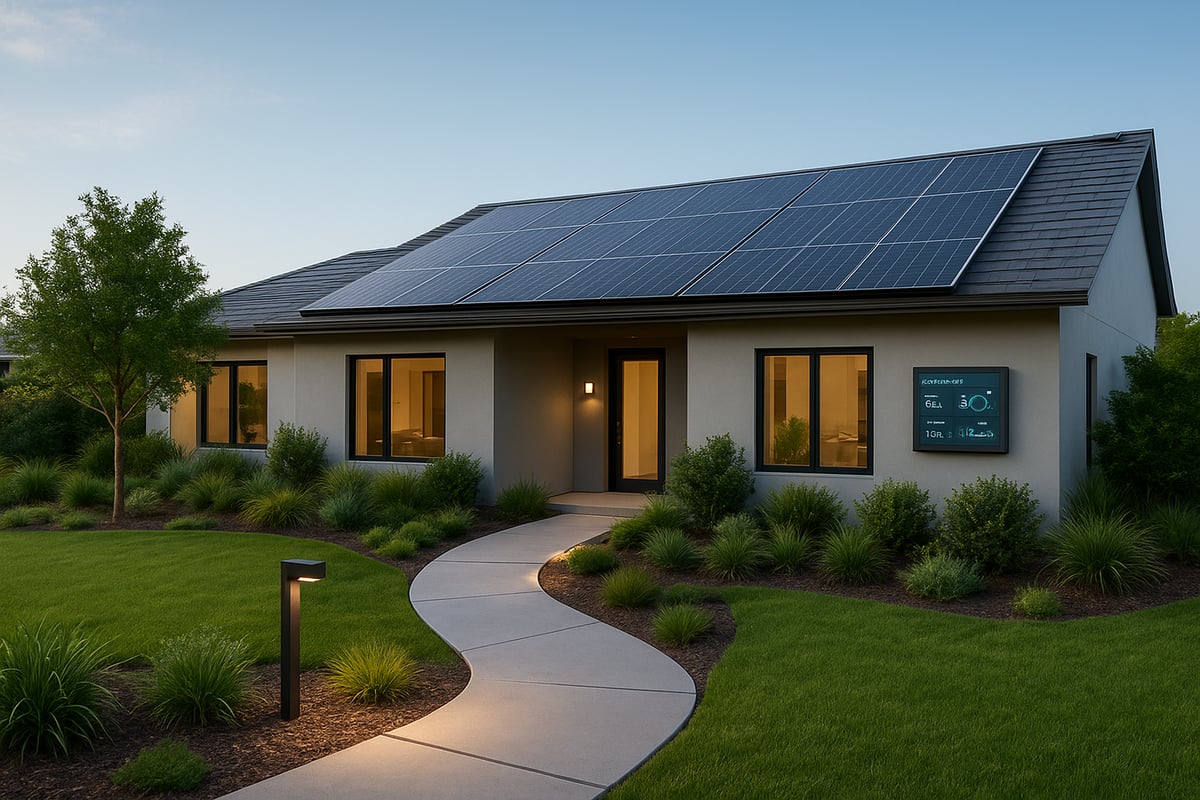
Eco-Friendly Maintenance Practices
The foundation of sustainable estate maintenance begins with eco-friendly choices. Upgrading to energy-efficient appliances, such as smart thermostats and LED lighting, helps reduce energy bills and environmental impact. Water conservation is another priority, with rainwater harvesting systems, drip irrigation, and low-flow fixtures providing substantial savings.
Landscaping choices also influence sustainability. Using native plants and organic fertilizers supports biodiversity while lowering maintenance needs. Composting and mulching not only enrich soil but also minimize waste. These practices keep the estate maintenance routine efficient and environmentally responsible.
Smart Technology Integration
Smart technology is redefining estate maintenance. By installing sensors for leak detection, HVAC monitoring, and automated lighting, property owners gain real-time insights into system performance and energy usage. Predictive maintenance, powered by IoT devices, helps catch issues early and reduces unplanned repairs by up to 30 percent, according to predictive maintenance benefits in smart buildings.
Estate maintenance also benefits from smart security upgrades. Features like remote surveillance, smart locks, and motion-activated lighting enhance safety and allow for efficient monitoring. Integrating these technologies streamlines maintenance, supports sustainability goals, and improves the overall estate experience.
Compliance with Green Building Standards
Meeting green building standards ensures estate maintenance aligns with modern expectations and regulations. Certifications like LEED recognize properties for energy efficiency, water conservation, and sustainable materials. Staying updated on local incentive programs can provide financial support for eco-friendly upgrades, making compliance more accessible.
Estate maintenance strategies should always account for evolving building codes and environmental laws. Regular audits and documentation help demonstrate compliance, avoid penalties, and attract tenants or buyers who value sustainability. Proactive planning turns regulatory requirements into opportunities for improvement.
Examples of Sustainable Estates
Real-world examples show the tangible benefits of sustainable estate maintenance. Some estates have cut utility costs by 20 percent after retrofitting with high-efficiency systems and smart monitoring. Others report higher occupancy rates and premium rents due to eco-friendly features and advanced technology.
Properties that prioritize estate maintenance through green upgrades and digital management tools are more resilient to market shifts. They attract environmentally conscious tenants, retain value, and experience fewer emergencies. Estate maintenance is no longer just about upkeep, it is a strategic investment in the future.
Legal, Regulatory, and Insurance Considerations
Staying compliant and protected is a cornerstone of estate maintenance in 2026. Owners must understand regulations, insurance requirements, legal obligations, and the value of meticulous records. Each aspect ensures your property remains a valuable asset and avoids costly setbacks.

Navigating Local and Federal Regulations
Estate maintenance in 2026 comes with a complex web of local and federal regulations. Regular updates to building codes, environmental standards, and safety laws require property owners to stay vigilant. Failing to comply can result in fines or even legal action.
Common code violations include inadequate fire safety equipment, neglected structural repairs, and outdated accessibility features. Scheduling regular inspections helps avoid these pitfalls and ensures ongoing compliance.
Keeping up with changing laws is easier with professional support. For tailored advice on legal compliance and risk management, consider seeking legal guidance for estate owners. Staying informed is essential for proactive estate maintenance and long-term property value.
Insurance Requirements and Risk Management
Comprehensive insurance is a fundamental aspect of estate maintenance. Owners should review policies annually to ensure adequate coverage for property damage, liability, and natural disasters.
Types of essential insurance for estate owners include:
- Property insurance
- Liability insurance
- Flood and earthquake coverage (if applicable)
- Umbrella policies for added protection
Proper estate maintenance also influences insurance premiums and claims approval. Well-documented maintenance records can speed up claims and demonstrate diligence in risk management. Routine upkeep reduces the likelihood of claims and helps maintain favorable insurance rates.
Estate Maintenance and Tenant/Landlord Laws
Understanding legal obligations to tenants is crucial for estate maintenance. Landlords must provide habitable living conditions and respond promptly to repair requests. Laws in 2026 often specify maximum response times for urgent and non-urgent repairs.
Clear communication with tenants and a system for tracking maintenance requests are essential. Documenting each repair and response helps prevent disputes. Proactive estate maintenance not only protects tenants but also shields owners from potential legal actions.
Staying current with tenant/landlord laws ensures your property remains compliant and desirable for high-quality tenants.
Preparing for Audits and Legal Disputes
Thorough record-keeping is vital for estate maintenance success. Owners should maintain detailed logs of all inspections, repairs, and upgrades. These records provide proof of compliance during audits and serve as evidence if legal disputes arise.
Consider this simple record-keeping checklist:
- Date and type of maintenance performed
- Service provider details
- Copies of permits and inspection reports
- Photos before and after repairs
Legal cases have shown that poor documentation and neglected estate maintenance can lead to significant financial losses. Staying organized and proactive is your best defense against unexpected challenges.
Budgeting and Financial Planning for Estate Maintenance
Managing estate maintenance in 2026 means building a strategy that keeps your property resilient, efficient, and financially predictable. Careful planning reduces stress and ensures you always have resources to protect your investment.
Estimating Annual Maintenance Costs
Understanding your estate maintenance expenses starts with industry benchmarks. Experts recommend allocating between 1% and 4% of your property’s value each year for ongoing care. This range depends on factors like property age, size, location, and amenities.
Recent data highlights that single-family homeowners in the U.S. can face thousands of dollars in annual upkeep, with costs rising as properties age. For a deeper dive into these expenses, see the hidden costs of homeownership in 2025. By anticipating these outlays, you can avoid financial surprises and keep your estate maintenance on track.
| Property Value | 1% Annual Cost | 4% Annual Cost |
|---|---|---|
| $500,000 | $5,000 | $20,000 |
| $1,000,000 | $10,000 | $40,000 |
Creating a Maintenance Reserve Fund
A dedicated reserve fund is essential for estate maintenance. Set aside a portion of your monthly income, funneling it directly into a separate account earmarked for repairs and upgrades.
Many successful property owners use digital budgeting tools to track contributions and monitor expenses. This proactive approach helps ensure you’re ready for both routine upkeep and unexpected repairs, reducing the risk of emergency spending.
Best practices include:
- Automating monthly transfers to your reserve fund
- Adjusting contributions annually based on property assessments
- Periodically reviewing fund sufficiency relative to your estate maintenance plan
Prioritizing Maintenance Projects
Not all estate maintenance tasks carry equal urgency or return on investment. Distinguish between immediate repairs, preventive measures, and long-term upgrades.
Consider the following strategies:
- Address safety or compliance issues first
- Schedule preventive maintenance to minimize costly breakdowns
- Invest in improvements that boost energy efficiency or property value
Use ROI analysis to identify which projects will deliver the greatest benefit. This approach helps you allocate funds wisely and maximize the impact of your estate maintenance budget.
Leveraging Tax Deductions and Incentives
In 2026, many estate maintenance expenses may qualify for tax deductions, especially those related to energy efficiency or accessibility improvements. Check with your tax advisor to identify eligible costs and stay updated on local grant programs or rebates.
Research available incentives in your area, as many municipalities offer financial support for green upgrades or compliance improvements. Taking advantage of these programs can stretch your estate maintenance dollars further.
Example Financial Plans
A well-structured estate maintenance budget provides clarity and peace of mind. For a mid-sized estate valued at $750,000, a typical plan might look like this:
| Expense Category | Annual Allocation |
|---|---|
| Routine Maintenance | $6,000 |
| Reserve Fund | $4,500 |
| Upgrades/Retrofits | $3,000 |
| Emergency Repairs | $2,500 |
| Total | $16,000 |
Estates with a dedicated maintenance reserve experience up to 40% fewer emergency repairs, demonstrating the value of disciplined financial planning. By treating estate maintenance as a strategic investment, you safeguard your property’s value and reduce long-term costs.
Choosing and Working with Professional Estate Maintenance Services
Engaging the right professional support is essential for effective estate maintenance in 2026. With complex systems, evolving technologies, and rising expectations, knowing when to call in experts versus handling tasks in-house can make all the difference.
When to Hire Professionals vs. DIY
Not all estate maintenance tasks are created equal. Routine jobs like changing air filters or basic landscaping can often be handled by property owners or in-house staff. However, specialized areas such as electrical repairs, structural assessments, and advanced HVAC servicing require licensed professionals for safety and compliance.
Attempting complex repairs without the right expertise increases the risk of injury, code violations, and costly mistakes. Hiring certified technicians for critical estate maintenance ensures that all work meets current standards, protects property value, and provides peace of mind. Evaluate each task’s complexity, legal requirements, and potential risks before deciding between DIY and professional help.
Selecting Reliable Maintenance Providers
Choosing the right partner for estate maintenance involves more than just comparing quotes. Look for providers with current licensing, comprehensive insurance, and strong references. Check their experience with estates similar in size and complexity to yours.
Ask about their familiarity with local regulations and sustainable practices. Understanding the difference between property management and estate maintenance is crucial—consider exploring this guide on property management in New Orleans to clarify roles and responsibilities. A thorough vetting process helps ensure long-term reliability, accountability, and quality service for your property.
Service Agreements and Contracts
Clear, detailed contracts are vital when outsourcing estate maintenance. Service agreements should outline the scope of work, response times, pricing structures, and liability coverage. Key clauses include emergency response protocols, insurance verification, and provisions for performance reviews.
Establishing service level agreements (SLAs) sets expectations for both routine and urgent tasks. Documenting these terms protects both parties and reduces the risk of misunderstandings. Regularly reviewing and updating contracts as your estate maintenance needs evolve ensures ongoing compliance and satisfaction.
Performance Tracking and Communication
Effective estate maintenance relies on transparent communication and measurable results. Digital dashboards and maintenance management platforms offer real-time updates on task status, scheduled services, and historical records. These tools help property owners monitor provider performance and quickly address issues.
Schedule regular check-ins to review completed work and gather feedback. Setting clear benchmarks for response times, quality, and tenant satisfaction enables continuous improvement. By leveraging technology and maintaining open lines of communication, you can maximize the value and reliability of your estate maintenance partnerships.
As you look ahead to keeping your estate secure, valuable, and future ready in 2026, having the right support can make all the difference. We’ve covered proactive checklists, sustainable upgrades, and the importance of professional guidance—now it’s time to put your plan into action with confidence. With over 40 years of experience and a proven track record across Greater New Orleans, Coxe Property Management and Leasing offers the expertise and personal attention your property deserves. If you’re ready to simplify ownership and protect your investment, Get Your Free Quote Today!