

Property owners seeking professional management services face a critical decision that can impact their investment returns for years to come. Real property management reviews serve as one of the most valuable resources for evaluating potential partners, yet understanding how to interpret these reviews requires more than simply glancing at star ratings. The insights found in detailed feedback can reveal patterns about communication quality, maintenance responsiveness, financial transparency, and tenant relations that significantly affect your property's performance.
Understanding the Landscape of Real Property Management Reviews
The digital transformation of the property management industry has fundamentally changed how property owners research and select service providers. Real property management reviews now appear across multiple platforms, each with distinct characteristics and user demographics.
Where Property Owners Find Reviews
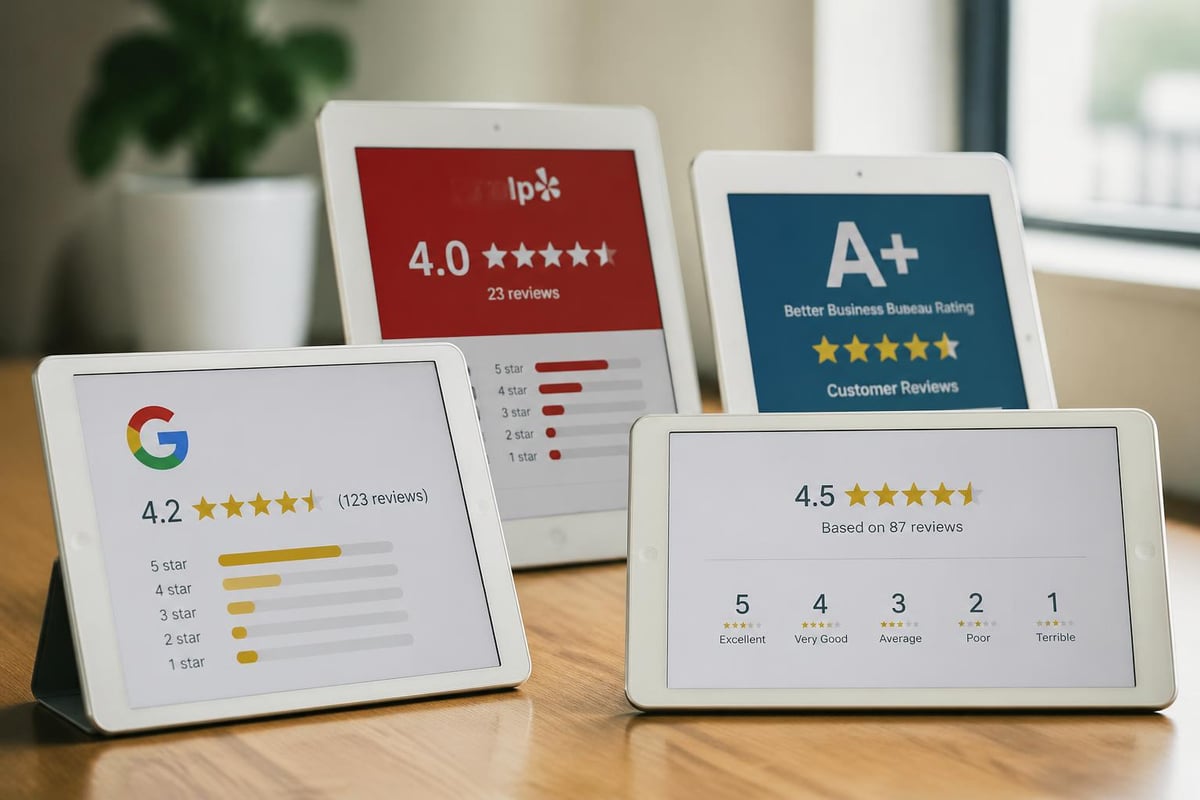
Review platforms vary significantly in their verification processes and user bases. Google Business profiles typically receive high traffic from local searches and display prominently in map results. Yelp offers comprehensive filtering options and has implemented sophisticated review recommendation algorithms that analyze review quality and reliability. Facebook reviews leverage social connections, while specialized real estate platforms attract industry-specific audiences.
Key platforms for property management reviews include:
- Google Business Profile reviews
- Yelp business listings
- Facebook business pages
- Better Business Bureau ratings
- Industry-specific directories
- Apartment rating websites
Property owners should examine reviews across multiple platforms to develop a comprehensive understanding of a management company's reputation. Each platform attracts different reviewer demographics and may highlight distinct aspects of service quality.
Identifying Quality Indicators in Property Management Reviews
Not all real property management reviews carry equal weight or reliability. Discerning property owners develop frameworks for evaluating review authenticity and relevance to their specific needs.
Authenticity Markers
Genuine reviews typically demonstrate specific details about interactions, timelines, and outcomes. A review mentioning "they responded to my maintenance request within 24 hours and sent a licensed plumber who fixed the issue professionally" carries more credibility than vague statements like "great service."
Red flags for potentially unreliable reviews:
- Extremely brief comments without context
- Multiple reviews posted on the same day
- Generic language that could apply to any business
- Reviews focusing solely on pricing without service quality
- Overly emotional language without factual support
Property management in markets like Greater New Orleans requires specialized local knowledge, regulatory compliance expertise, and established vendor networks. Reviews that reference these specific competencies provide more valuable insights than generic feedback. When researching options, property owners should consider how to find the best property management company by examining both quantitative ratings and qualitative feedback patterns.
The Significance of Response Patterns
How management companies respond to reviews reveals critical information about their communication standards and problem-resolution approaches. Companies that address negative feedback professionally, acknowledge specific concerns, and outline corrective actions demonstrate accountability and commitment to improvement.
| Response Type | What It Reveals | Impact on Trust |
|---|---|---|
| Detailed, personalized responses | Active engagement with client feedback | High positive impact |
| Generic template responses | Minimal commitment to individual concerns | Neutral to slightly negative |
| Defensive or argumentative responses | Poor conflict resolution skills | Significant negative impact |
| No responses to negative reviews | Lack of accountability or monitoring | Moderate negative impact |
Evaluating Service Categories Through Reviews
Real property management reviews often highlight performance across distinct service categories. Property owners should analyze feedback patterns within areas most critical to their investment goals.
Financial Management and Transparency
Reviews discussing financial aspects reveal how companies handle rent collection, expense reporting, and owner distributions. Positive indicators include mentions of timely payments, detailed monthly statements, transparent fee structures, and proactive budget planning. Negative patterns might reference unexplained charges, delayed owner payments, or difficulty accessing financial records.
Property owners managing significant portfolios particularly value transparency in financial reporting. Companies managing substantial asset values should demonstrate sophisticated accounting systems and clear communication about income and expenses.
Maintenance and Vendor Coordination
The quality of maintenance coordination directly impacts property condition, tenant satisfaction, and long-term asset value. Real property management reviews frequently address how quickly companies respond to maintenance requests, the quality of vendors they employ, and their approach to preventative maintenance.
Critical maintenance factors mentioned in reviews:
- Emergency response times
- Quality of contractor work
- Cost-effectiveness of repairs
- Preventative maintenance programs
- Documentation of work completed
- Tenant communication during repairs
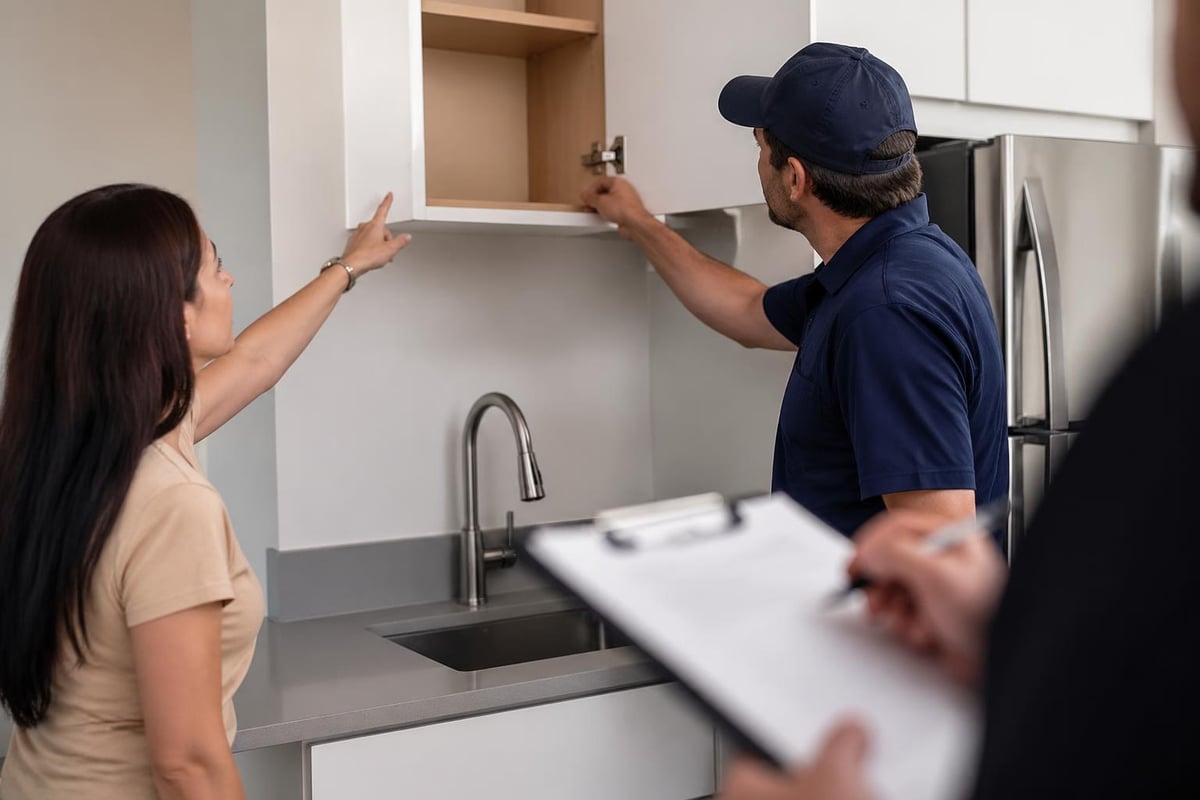
Companies offering comprehensive property inspection services typically receive more detailed feedback about their proactive approach to identifying and addressing maintenance issues before they escalate.
Tenant Relations and Retention Insights
Effective tenant management reduces vacancy periods, minimizes turnover costs, and maintains steady cash flow. Real property management reviews from both property owners and tenants offer perspectives on this crucial dimension.
Screening and Placement Quality
Reviews often mention the quality of tenants placed in properties. Property owners value management companies that implement thorough screening processes, verify employment and rental history, and match tenants appropriately to properties. Negative feedback in this area might reference frequent tenant issues, early lease terminations, or problematic renters who shouldn't have passed screening.
Advanced rental agent expertise contributes significantly to successful tenant placement. Reviews highlighting low turnover rates and long-term tenant relationships indicate effective screening and ongoing tenant relationship management.
Communication Effectiveness
Communication quality emerges as a dominant theme across real property management reviews. Property owners expect regular updates about their properties, prompt responses to questions, and proactive notifications about issues requiring decisions. Tenants expect timely responses to maintenance requests and clear explanations of policies.
| Communication Aspect | Owner Expectations | Tenant Expectations |
|---|---|---|
| Response time | Within 24 business hours | Within 24 hours for urgent issues |
| Reporting frequency | Monthly financial statements | As-needed for maintenance updates |
| Accessibility | Multiple contact channels | Phone, email, and online portal |
| Proactivity | Early warning of potential issues | Clear move-in/move-out procedures |
Analyzing Review Volume and Recency
The quantity and timing of real property management reviews provide additional context for evaluation. A company with hundreds of recent reviews offers more data points for pattern analysis than one with a dozen old reviews.
Volume Considerations
Review volume should correspond roughly to company size and years in operation. A management company handling hundreds of properties but showing only a handful of reviews might indicate limited client engagement or potential review suppression concerns. Conversely, extremely high review volumes concentrated in short periods may suggest solicitation campaigns rather than organic feedback.
Companies with decades of experience, such as those operating for over 40 years, should demonstrate consistent review acquisition over time. This pattern indicates sustained service quality and ongoing client satisfaction.
Temporal Patterns
Recent reviews carry more weight than older feedback because they reflect current operations, staff, and processes. Property management companies evolve their systems, technology platforms, and personnel over time. Reviews from 2024-2026 more accurately represent current service quality than feedback from earlier years.
When analyzing review timelines, consider:
- Consistent positive feedback across multiple years
- How the company addressed past negative reviews
- Recent reviews mentioning updated technology or processes
- Changes in review sentiment over time
- Seasonal patterns in review frequency
The Role of Third-Party Validation
Beyond direct client reviews, third-party validations and industry recognitions provide additional credibility markers. These include Better Business Bureau ratings, professional association memberships, and industry awards.
Professional Credentials and Certifications
Real property management reviews sometimes mention certifications held by management personnel. Designations like Certified Property Manager (CPM) or Residential Management Professional (RMP) indicate commitment to professional development and industry standards. Reviews referencing knowledgeable staff who understand local regulations and market conditions signal higher service quality.
Performance Metrics and Benchmarks
Some sophisticated property owners reference performance metrics in their reviews. Occupancy rates, average days to lease, maintenance cost per unit, and tenant retention percentages provide quantifiable measures of management effectiveness. Research into property recommendation systems demonstrates how data-driven approaches increasingly influence real estate decision-making, including management company selection.

Technology and Systems in Review Feedback
Modern property management increasingly relies on technology platforms for efficiency and transparency. Real property management reviews frequently address the quality of owner portals, tenant communication systems, and reporting tools.
Digital Platform Capabilities
Property owners value online portals providing 24/7 access to financial reports, maintenance histories, and property documents. Reviews mentioning user-friendly technology interfaces, mobile app functionality, and automated reporting indicate companies investing in modern systems. The evaluation of CRM platforms designed for real estate professionals highlights features that enhance client communication and operational efficiency.
Technology features mentioned in positive reviews:
- Mobile-friendly owner and tenant portals
- Automated rent collection and payment processing
- Online maintenance request submission and tracking
- Digital document storage and accessibility
- Real-time financial reporting
- Electronic lease signing capabilities
Interpreting Negative Reviews Constructively
Negative real property management reviews, when analyzed objectively, provide valuable information about potential challenges and company responses. No management company maintains a perfect record, but patterns in negative feedback reveal important considerations.
Common Complaint Categories
Negative reviews typically cluster around specific issues. Communication breakdowns represent the most frequent complaint category, followed by maintenance response times, unexpected fees, and tenant screening quality. Property owners should assess whether negative reviews describe systematic problems or isolated incidents.
A single negative review about a specific maintenance delay may reflect an unusual circumstance. Multiple reviews over time mentioning similar communication problems suggest systemic issues requiring attention. Companies demonstrating improvement in areas previously criticized show commitment to quality enhancement.
Resolution and Learning
The most valuable information often emerges from how companies address negative feedback. Real property management reviews showing company responses that acknowledge issues, explain what happened, and describe corrective actions demonstrate accountability and continuous improvement orientation.
Regional Considerations in Review Analysis
Property management requires deep local market knowledge. Reviews for companies operating in specific markets like Greater New Orleans should be evaluated through the lens of regional factors affecting property management.
Market-Specific Challenges
Coastal markets face unique considerations including hurricane preparedness, flood insurance requirements, and seasonal rental patterns. Real property management reviews in these markets should reference how companies handle region-specific challenges. Positive feedback might mention proactive hurricane preparation protocols or expertise navigating local rental regulations.
Local Vendor Networks
Established management companies develop relationships with reliable local contractors, inspectors, and service providers. Reviews mentioning quick access to quality vendors or reasonable maintenance costs indicate strong local networks that benefit property owners through better pricing and faster service.
Making Informed Decisions Based on Review Data
After gathering and analyzing real property management reviews across platforms, property owners should synthesize this information into actionable insights. The goal is identifying management partners whose strengths align with your specific property type, investment goals, and management preferences.
Creating Your Evaluation Framework
Different property owners prioritize different service aspects. Absentee owners living out of state may prioritize communication frequency and detailed reporting. Local owners with multiple properties might emphasize financial performance and tenant quality. Your evaluation framework should weight review categories according to your priorities.
| Priority Level | Service Category | Review Focus Areas |
|---|---|---|
| Critical | Financial management | Payment timeliness, reporting accuracy, fee transparency |
| Critical | Tenant screening | Quality of placed tenants, vacancy periods, retention rates |
| High | Maintenance coordination | Response times, vendor quality, cost management |
| High | Communication | Accessibility, proactivity, clarity |
| Moderate | Technology platforms | Portal functionality, reporting tools |
| Moderate | Legal compliance | Regulatory knowledge, eviction handling |
Beyond the Star Rating
While aggregate star ratings provide quick reference points, the substance within detailed reviews offers deeper insights. A 4.5-star average based on hundreds of detailed reviews from verified property owners carries more weight than a 5.0-star rating from a handful of brief comments.
Property owners should invest time reading complete reviews, particularly the most helpful or detailed ones highlighted by review platforms. This deeper analysis reveals nuances that star ratings alone cannot capture, such as specific communication preferences, maintenance philosophy, or financial reporting detail levels that match your expectations.
Evaluating real property management reviews requires a systematic approach that examines authenticity, analyzes patterns across service categories, and weights feedback according to your specific priorities. The insights gained from thorough review analysis help property owners identify management partners who deliver consistent quality, transparent communication, and proactive service. With over 40 years of experience managing nearly $1 billion in assets throughout Greater New Orleans, Coxe Property Management and Leasing combines local market expertise with personalized service that property owners consistently recognize in their feedback. Discover how our comprehensive approach to tenant screening, maintenance coordination, and financial transparency can enhance your investment returns.