

Managing rental properties requires expertise across multiple disciplines, from legal compliance to financial management and tenant relations. Property rental managers serve as the critical link between property owners and successful real estate investments, handling day-to-day operations while protecting asset values. These professionals transform the complex responsibilities of property ownership into streamlined, profitable ventures through specialized knowledge and systematic processes. Whether you own a single rental unit or an extensive portfolio, understanding how property rental managers operate can significantly impact your investment returns and peace of mind.
The Core Responsibilities of Property Rental Managers
Property rental managers handle a diverse array of tasks that extend far beyond simply collecting rent checks. Their responsibilities encompass the entire lifecycle of property operations, ensuring every aspect of rental management receives professional attention.
Financial Operations and Reporting
The financial management component represents one of the most critical functions property rental managers perform. These professionals establish competitive rental rates through comprehensive market analysis, examining comparable properties, local demand trends, and seasonal fluctuations. They implement efficient rent collection systems, maintain detailed accounting records, and provide owners with regular financial statements that clearly outline income, expenses, and net operating results.
Key financial responsibilities include:
- Setting optimal rental rates based on market research
- Processing monthly rent collections and late fees
- Managing security deposits in compliance with state laws
- Coordinating payment of property-related expenses
- Preparing annual tax documentation and 1099 forms
- Forecasting budgets for maintenance and capital improvements
Transparent financial reporting allows property owners to make informed decisions about their investments while maintaining accurate records for tax purposes and performance evaluation.
Tenant Acquisition and Screening
Securing reliable tenants is perhaps the most valuable service property rental managers provide. The screening process begins with creating compelling property listings distributed across top home rental websites and apps to maximize exposure to qualified prospects. Professional managers conduct comprehensive background checks, verify employment and income, review rental histories, and check credit scores to identify applicants who will respect the property and fulfill lease obligations.
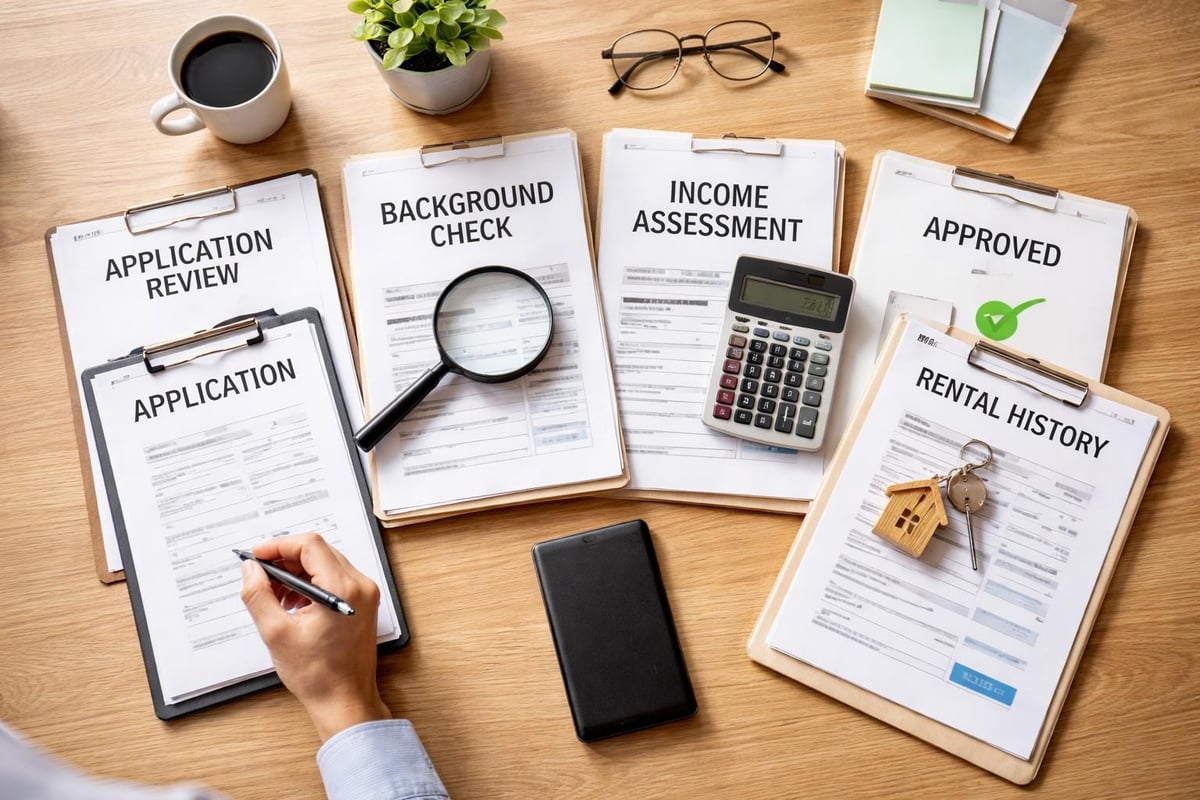
The screening criteria must balance thoroughness with fair housing compliance. Property rental managers understand federal and state fair housing laws, ensuring their selection processes avoid discrimination while protecting property owner interests. This expertise proves invaluable in markets like Greater New Orleans, where local regulations may add additional layers of complexity to the tenant selection process.
Legal Compliance and Risk Management
Navigating the legal landscape of residential property management requires constant vigilance and specialized knowledge. Property rental managers serve as the first line of defense against potential legal complications that could expose owners to significant liability.
Lease Agreements and Documentation
Well-crafted lease agreements form the foundation of successful landlord-tenant relationships. Property rental managers prepare comprehensive leases that clearly outline tenant responsibilities, payment terms, maintenance obligations, and property use restrictions. These documents must comply with current Louisiana landlord-tenant law while addressing specific property conditions and owner requirements.
Documentation extends beyond the initial lease to include:
- Move-in and move-out inspection reports with photographic evidence
- Maintenance request forms and work completion records
- Lease renewal notifications and amendments
- Violation notices and cure-or-quit warnings
- Eviction proceedings documentation when necessary
Proper documentation protects property owners during disputes while demonstrating professional management practices that courts recognize and respect.
Regulatory Compliance and Fair Housing
The regulatory environment for rental properties continues to evolve, with new requirements emerging at federal, state, and local levels. Property rental managers stay current with these changes, implementing necessary adjustments to maintain full compliance. This includes understanding occupancy standards, lead-based paint disclosure requirements, accessibility regulations, and local ordinances specific to rental properties.
Fair housing compliance represents a particularly sensitive area where violations can result in substantial penalties. Professional managers train their staff on protected classes, prohibited practices, and proper documentation methods. They ensure marketing materials, application processes, and tenant interactions consistently meet fair housing standards, protecting owners from discrimination claims.
Maintenance Coordination and Property Preservation
Effective maintenance management directly impacts property values, tenant satisfaction, and long-term investment returns. Property rental managers establish systems that address both routine upkeep and emergency situations while controlling costs and maintaining quality standards.
Preventive Maintenance Programs
Systematic preventive maintenance extends property life spans and reduces costly emergency repairs. Property rental managers develop customized maintenance schedules addressing HVAC servicing, plumbing inspections, roof evaluations, and exterior maintenance. They coordinate seasonal tasks like gutter cleaning, landscaping adjustments, and weatherization measures that prevent damage during extreme conditions.
| Maintenance Category | Frequency | Typical Tasks |
|---|---|---|
| HVAC Systems | Quarterly | Filter changes, system inspections, efficiency testing |
| Plumbing | Semi-Annual | Leak detection, water heater flushing, drain cleaning |
| Exterior | Monthly | Landscaping, gutter clearing, exterior inspections |
| Safety Systems | Annual | Smoke detector testing, fire extinguisher certification |
These scheduled interventions identify potential problems before they escalate into expensive repairs or tenant complaints. For guidance on establishing effective maintenance protocols, comprehensive property management resources provide valuable frameworks and templates.
Vendor Relationships and Quality Control
Property rental managers cultivate networks of reliable contractors, service providers, and specialty technicians who deliver quality work at competitive prices. These established relationships ensure rapid response times during emergencies while maintaining cost efficiency through negotiated rates and proven performance standards.
Quality control processes verify that completed work meets specifications and industry standards. Managers inspect repairs, review invoices for accuracy, and maintain warranty documentation. This oversight prevents substandard workmanship and ensures property owners receive value for their maintenance expenditures.

Technology Integration in Modern Property Management
Technology has revolutionized how property rental managers operate, introducing efficiency gains and enhanced service delivery across all management functions. Modern platforms consolidate previously fragmented processes into integrated systems that improve communication, streamline workflows, and provide real-time insights.
Property Management Software Solutions
Comprehensive property management platforms now offer capabilities that would have required multiple systems just a few years ago. These solutions handle online rent collection, automated late fee assessment, maintenance request tracking, and document storage within unified interfaces. Tenant portals allow residents to submit maintenance requests, pay rent electronically, and access lease documents without contacting management staff.
The software landscape includes major players like RealPage, which has significantly influenced industry practices through its comprehensive suite of management tools. Property rental managers evaluate these platforms based on features, scalability, user experience, and integration capabilities with accounting systems and marketing channels.
Essential software features include:
- Online rent payment processing with automated reminders
- Digital lease signing and document management
- Maintenance request submission and tracking systems
- Financial reporting and owner portal access
- Applicant screening integration and background checks
- Marketing automation across multiple listing platforms
Data Analytics and Performance Monitoring
Advanced analytics transform raw operational data into actionable insights. Property rental managers track key performance indicators including occupancy rates, average days to lease, maintenance costs per unit, and tenant retention percentages. These metrics identify trends, highlight areas requiring attention, and demonstrate management effectiveness to property owners.
Comparative market analysis tools help managers adjust rental rates dynamically based on local supply, demand shifts, and seasonal variations. Predictive analytics can forecast maintenance needs, identify properties at risk for tenant turnover, and optimize marketing spend across different advertising channels.
Selecting the Right Property Management Partner
Property owners face critical decisions when choosing professional management services. Understanding evaluation criteria and asking informed questions ensures alignment between owner expectations and manager capabilities.
Evaluation Criteria for Management Companies
Experience in specific property types and local markets represents a fundamental consideration. Property rental managers specializing in single-family homes bring different expertise than those focused on multi-unit complexes or commercial properties. Geographic specialization matters equally, as managers with deep roots in specific communities understand local regulations, market dynamics, and vendor networks.
| Evaluation Factor | Questions to Ask | Why It Matters |
|---|---|---|
| Local Experience | How long have you operated in this market? | Local knowledge impacts pricing, compliance, tenant acquisition |
| Service Range | Which services are included versus additional fees? | Prevents unexpected costs and service gaps |
| Communication | How often do you provide owner updates? | Ensures transparency and informed decision-making |
| Tenant Screening | What is your screening process and criteria? | Directly affects tenant quality and turnover rates |
Financial structure deserves careful examination. Property rental managers typically charge management fees as a percentage of collected rent, ranging from 8% to 12% for single-family properties. Additional fees may apply for leasing, maintenance coordination, or specialized services. Understanding the complete fee structure prevents surprises and allows accurate comparison between management companies.
Red Flags and Warning Signs
Certain indicators suggest potential problems with property management companies. Reluctance to provide references from current clients or refusal to share detailed service agreements warrants caution. Property rental managers confident in their services willingly connect prospects with satisfied clients and clearly document their responsibilities.
Unrealistic promises about guaranteed occupancy rates or elimination of all vacancy periods indicate either inexperience or dishonesty. Professional managers acknowledge market realities and explain their strategies for minimizing vacancy while setting realistic expectations. For additional insights on this crucial decision, resources on choosing the right property manager offer valuable frameworks.
The Financial Impact of Professional Management
The decision to hire property rental managers involves weighing costs against benefits, considering both immediate expenses and long-term value creation. Professional management typically delivers measurable returns through multiple channels that offset management fees.
Revenue Optimization Strategies
Professional managers maximize rental income through strategic pricing backed by data analysis and market expertise. They identify optimal lease-up timing, recommend property improvements that justify premium rents, and implement rent increase schedules that balance revenue growth with tenant retention. These strategies consistently generate higher income than individual owners typically achieve managing properties themselves.
Reduced vacancy periods represent another significant revenue contributor. Property rental managers leverage multiple marketing channels, professional photography, and rapid response to inquiries that fill vacancies faster than amateur efforts. Each additional week a property sits vacant costs owners roughly 2% of annual rental income, making swift turnovers financially impactful.
Cost Control and Expense Management
Experienced property rental managers control expenses through vendor relationships, preventive maintenance, and bulk purchasing power. Their negotiated contractor rates often run 15-20% below retail pricing, immediately offsetting portions of management fees. Preventive maintenance programs prevent expensive emergency repairs, while systematic inspections identify problems before they escalate.
Legal protection constitutes a less obvious but equally valuable cost savings. Professional managers reduce eviction expenses through thorough tenant screening and early intervention when payment issues arise. Their documentation practices and compliance knowledge minimize legal exposure, avoiding costly discrimination claims or habitability lawsuits that plague poorly managed properties.
Industry Trends Shaping Property Management in 2026
The property management landscape continues evolving as market forces, technology advancement, and regulatory changes reshape standard practices. Property rental managers who adapt to these trends deliver superior results for their clients.
Short-Term and Mid-Term Rental Integration
Traditional long-term leasing no longer represents the only viable rental strategy. Many property rental managers now offer hybrid approaches incorporating short-term platforms during peak tourism seasons or mid-term rentals targeting corporate relocations and traveling professionals. Understanding the current landscape of property rental strategies helps managers optimize income across different rental durations.
This flexibility requires different skill sets, including dynamic pricing algorithms, rapid turnover coordination, and compliance with short-term rental regulations that many municipalities now enforce. Markets like Greater New Orleans, with strong tourism sectors, particularly benefit from managers who navigate these complexities effectively.

Sustainability and Energy Efficiency
Property owners increasingly recognize sustainability as both an environmental imperative and a financial opportunity. Property rental managers guide investments in energy-efficient upgrades, water conservation measures, and sustainable building materials that reduce operating costs while attracting environmentally conscious tenants willing to pay premium rents.
Smart home technology integration represents a growing trend, with programmable thermostats, leak detection systems, and smart locks becoming standard amenities. These technologies reduce utility costs, prevent water damage, and enhance security while providing the modern conveniences today's tenants expect.
Building Long-Term Partnerships with Property Managers
Successful relationships between property owners and property rental managers extend beyond transactional service delivery to genuine partnerships focused on shared goals. These collaborations produce superior results through clear communication, aligned incentives, and mutual respect.
Communication Protocols and Expectations
Establishing communication norms from the outset prevents misunderstandings and ensures both parties remain informed. Property rental managers should specify their reporting schedules, preferred communication channels, and response time commitments for different issue types. Owners benefit from clearly articulating their priorities, risk tolerance, and decision-making preferences regarding property matters.
Regular strategy sessions beyond routine financial reporting strengthen partnerships. Quarterly reviews examining property performance, market conditions, and improvement opportunities keep both parties aligned on long-term objectives. These discussions identify proactive measures rather than merely reacting to problems.
Performance Measurement and Accountability
Effective partnerships incorporate objective performance metrics that both parties monitor consistently. Beyond basic occupancy and income figures, comprehensive evaluations consider tenant satisfaction scores, maintenance response times, lease renewal rates, and comparative market performance. These measurements create accountability while highlighting management successes.
When evaluating different management options, reviewing assessments of leading property management companies provides benchmarks for setting performance expectations. The best property rental managers welcome measurement and transparency, viewing metrics as tools for continuous improvement rather than threats to their relationships.
Specialized Services for Diverse Property Types
Different property categories require tailored management approaches. Property rental managers often specialize in specific property types, developing expertise that addresses unique challenges and opportunities within those niches.
Single-Family Versus Multi-Unit Properties
Single-family home management emphasizes curb appeal, neighborhood integration, and family-oriented amenities. Property rental managers working in this segment develop skills in coordinating individual property maintenance, marketing homes to long-term tenants, and managing properties scattered across geographic areas rather than concentrated in single locations.
Multi-unit properties introduce economies of scale but different complexities. Common area maintenance, shared utilities, tenant community dynamics, and bulk service contracts require distinct management strategies. Managers specializing in multi-unit properties understand how to balance individual tenant needs with property-wide policies and operational efficiency.
Commercial and Mixed-Use Properties
Commercial property management demands expertise in lease structures significantly more complex than residential agreements. Property rental managers in this space navigate percentage rent clauses, common area maintenance charges, tenant improvement allowances, and commercial lease negotiations that residential managers rarely encounter.
Mixed-use properties combining residential and commercial spaces require managers who understand both worlds. Coordinating different tenant types, managing diverse maintenance needs, and addressing zoning compliance issues demand versatility and comprehensive knowledge across property categories.
Professional property rental managers transform real estate ownership from a time-consuming challenge into a profitable, hands-off investment through comprehensive services spanning tenant relations, financial management, maintenance coordination, and legal compliance. These specialized professionals leverage technology, market knowledge, and established systems to maximize returns while protecting property values and minimizing owner involvement. For property owners in the Greater New Orleans area seeking proven expertise backed by four decades of experience, Coxe Property Management and Leasing delivers personalized solutions that have successfully managed nearly $1 billion in assets, offering the comprehensive support necessary for truly hassle-free property ownership.