

Managing rental properties can feel overwhelming, especially if you're new to real estate investment or inherited a property unexpectedly. Understanding property management for dummies starts with recognizing that successful property ownership involves more than simply collecting rent checks each month. Whether you're managing a single-family home in the Greater New Orleans area or overseeing multiple units, mastering the fundamentals of property management will protect your investment, maximize returns, and minimize headaches. This comprehensive guide breaks down the essential components every property owner needs to know.
Understanding the Core Responsibilities
Property management encompasses a wide range of duties that keep rental properties profitable and tenants satisfied. The role extends far beyond basic landlord responsibilities to include financial management, legal compliance, and relationship building.
Key property management responsibilities include:
- Tenant acquisition and screening
- Lease agreement preparation and enforcement
- Rent collection and payment processing
- Property maintenance and repairs
- Financial reporting and bookkeeping
- Legal compliance and risk management
- Tenant communication and conflict resolution
- Property inspections and quality control
The Financial Management Component
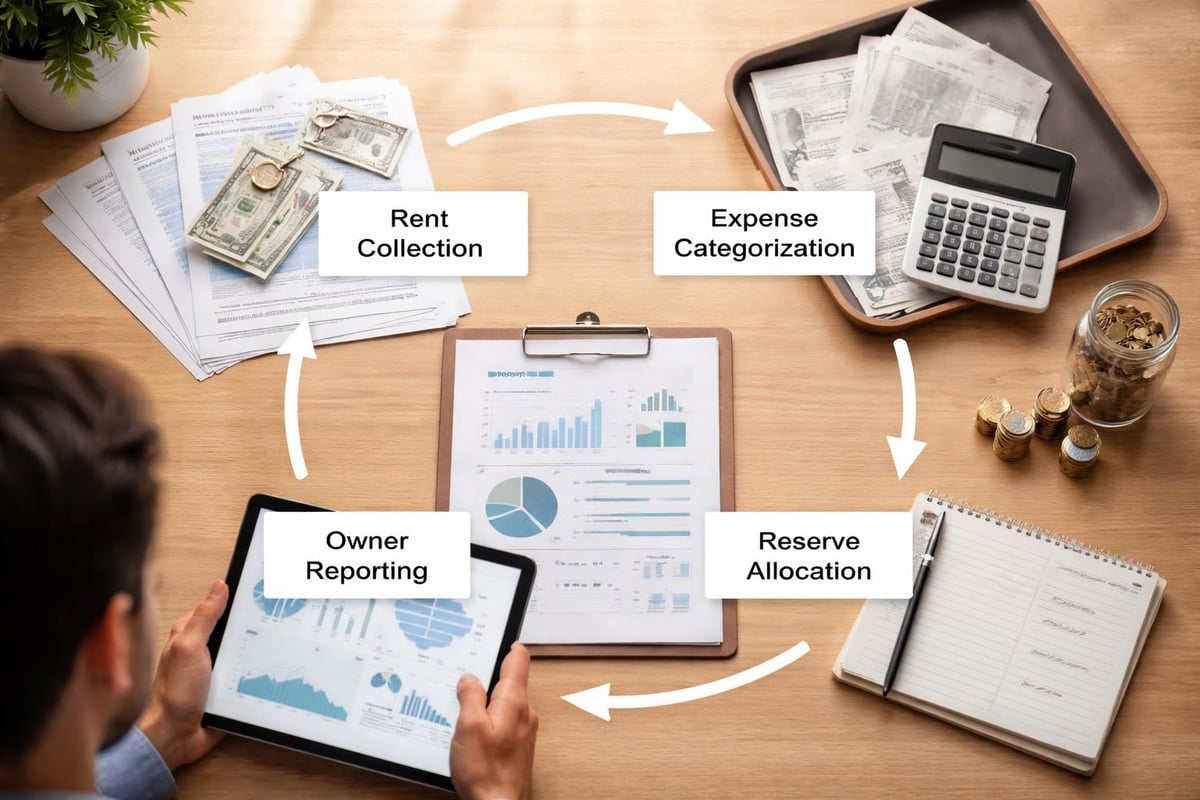
Managing property finances requires meticulous attention to detail and organized systems. Property management for dummies becomes much simpler when you establish clear financial processes from the start.
Your financial responsibilities include tracking income and expenses, maintaining separate bank accounts for each property, setting aside reserves for maintenance and repairs, and preparing accurate tax documentation. Consider implementing property management software solutions to automate rent collection, generate financial reports, and maintain digital records.
| Financial Task | Frequency | Priority Level |
|---|---|---|
| Rent collection | Monthly | Critical |
| Expense tracking | Ongoing | Critical |
| Property inspections | Quarterly | High |
| Financial reporting | Monthly | High |
| Tax preparation | Annually | Critical |
| Budget review | Annually | Medium |
Tenant Screening and Selection
Finding quality tenants represents one of the most critical aspects of successful property management. Poor tenant selection leads to late payments, property damage, and potential legal disputes that can devastate your investment returns.
Establishing Screening Criteria
Develop consistent, legally compliant screening criteria before you begin accepting applications. Your criteria should include minimum credit score requirements, income verification (typically three times monthly rent), rental history checks, employment verification, and criminal background screening.
According to property management best practices, systematic tenant selection reduces vacancy rates and minimizes problem tenancies. Document your screening process thoroughly to ensure fair housing compliance and protect yourself from discrimination claims.
Essential screening documents include:
- Completed rental application
- Government-issued identification
- Recent pay stubs or tax returns
- Previous landlord references
- Authorization for credit and background checks
The Application Process
Create a streamlined application process that respects applicants' time while gathering necessary information. Charge appropriate application fees to cover screening costs, but ensure compliance with local regulations regarding fee limits. The Greater New Orleans area has specific requirements that property owners must follow.
Once you receive applications, process them promptly and communicate decisions professionally. Maintain all application materials for rejected candidates according to legal requirements, typically seven years, to protect against potential discrimination claims.
Lease Agreements and Legal Compliance
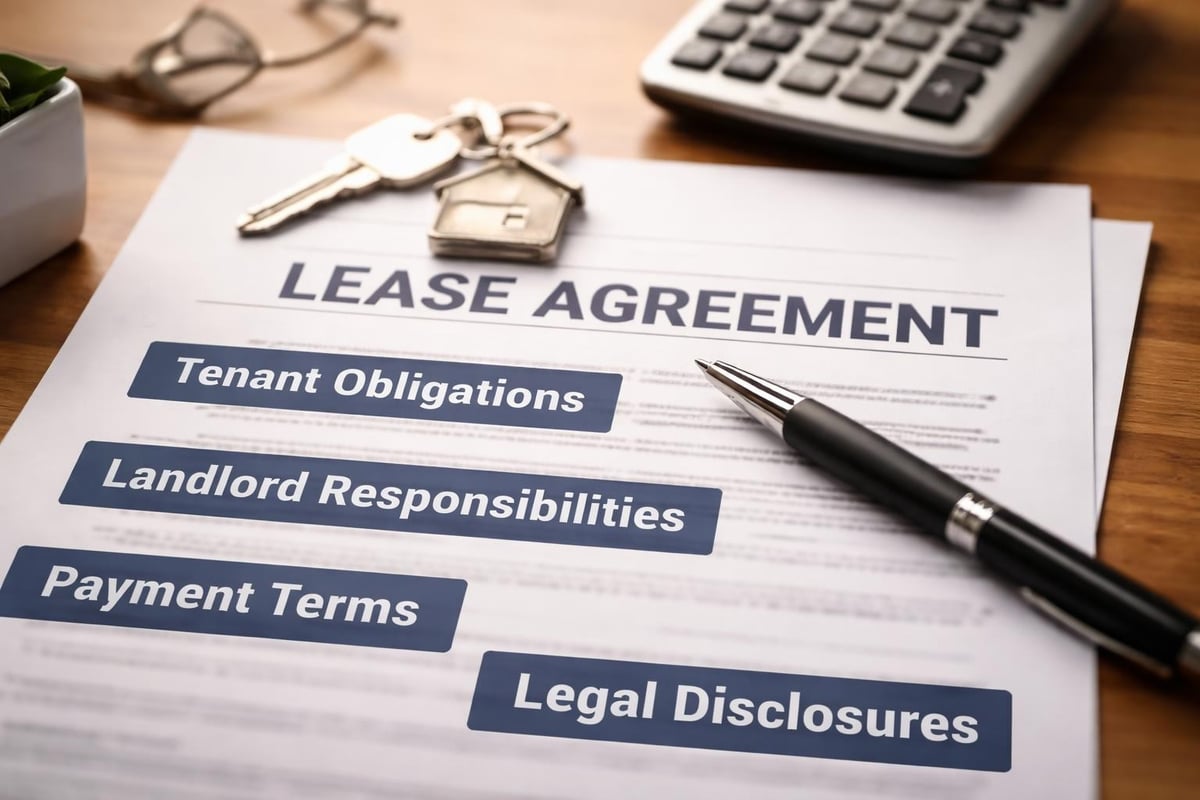
Property management for dummies must include a solid understanding of lease agreements and legal obligations. Your lease serves as the foundation of your landlord-tenant relationship and provides protection when disputes arise.
Crafting Comprehensive Lease Terms
A well-written lease agreement addresses rent amount and due date, security deposit terms, maintenance responsibilities, pet policies, occupancy limits, lease duration and renewal terms, late payment penalties, and termination conditions. Many property owners benefit from professional property management services that provide legally vetted lease templates and ongoing compliance support.
Your lease must comply with federal fair housing laws, state landlord-tenant statutes, local housing codes, and lease disclosure requirements. Louisiana has specific regulations regarding security deposits, notice requirements, and eviction procedures that differ from other states.
Property Maintenance and Repairs
Maintaining your property in excellent condition protects your investment value, keeps tenants satisfied, and prevents small issues from becoming expensive emergencies. Effective maintenance strategies balance cost control with quality standards.
Preventive Maintenance Schedules
Implement systematic preventive maintenance to extend equipment life and avoid costly breakdowns. Create quarterly inspection schedules covering HVAC systems, plumbing, electrical systems, roofing and gutters, exterior paint and siding, and landscaping and grounds.
The property management guide from RentMouse emphasizes that preventive maintenance typically costs 20-30% less than reactive repairs. Schedule seasonal tasks like HVAC servicing before peak usage periods to prevent tenant discomfort and emergency service calls.
| Maintenance Type | Schedule | Estimated Annual Cost |
|---|---|---|
| HVAC servicing | Bi-annual | $200-400 |
| Pest control | Quarterly | $300-600 |
| Gutter cleaning | Bi-annual | $150-300 |
| Smoke detector testing | Monthly | $0 (DIY) |
| Water heater flushing | Annual | $100-200 |
| Landscaping | Weekly/Bi-weekly | $1,200-3,000 |
Emergency Response Protocols
Establish clear emergency procedures for situations requiring immediate attention, including water leaks, electrical failures, heating/cooling failures in extreme weather, security breaches, and gas leaks. Maintain relationships with licensed, insured contractors who can respond quickly to emergencies.
Provide tenants with emergency contact information and clarify which situations constitute true emergencies versus routine maintenance requests. Consider using the renter portal functionality that many modern property management systems offer to streamline maintenance requests and track resolution.
Rent Collection and Financial Systems
Consistent rent collection represents the lifeblood of successful property management. Property management for dummies requires establishing foolproof systems that encourage timely payments while enforcing consequences for late payers.
Payment Methods and Policies
Offer multiple convenient payment options including online payment portals, automatic bank transfers, traditional checks, and money orders. However, avoid accepting cash payments, which create security risks and complicate record keeping.
Effective rent collection policies include:
- Clear due dates (typically the first of the month)
- Grace periods (usually 3-5 days)
- Late fees that comply with state regulations
- Written warnings for late payment
- Consistent enforcement of payment policies
Document all rent payments immediately and provide receipts. Track partial payments separately and communicate remaining balances clearly. When tenants fall behind, address the situation promptly with written notices before problems escalate.
Handling Delinquencies
Develop a systematic approach to delinquent accounts that balances compassion with business necessity. Contact tenants immediately when rent is late to understand circumstances and arrange payment plans if appropriate. However, recognize when eviction becomes necessary to protect your investment.
Louisiana eviction procedures require specific notice periods and court filings. Many property owners find that professional guidance through comprehensive property management services prevents costly legal mistakes during difficult tenant situations.
Communication and Tenant Relations
Excellent communication prevents misunderstandings, builds positive relationships, and encourages long-term tenancies. Property management for dummies emphasizes that proactive communication saves time and money compared to reactive problem solving.
Establishing Communication Channels
Create multiple communication channels to accommodate different tenant preferences and situation urgencies. Provide email for non-urgent matters, phone numbers for time-sensitive issues, emergency hotlines for after-hours crises, and online portals for maintenance requests and rent payment.
Respond to tenant communications promptly, ideally within 24 hours for routine matters and immediately for emergencies. Set clear expectations about response times and available hours to manage tenant expectations appropriately.

Conflict Resolution Strategies
Address tenant complaints and conflicts professionally and objectively. Listen actively to understand concerns fully, document all interactions in writing, investigate situations thoroughly before making decisions, and propose fair solutions that comply with lease terms.
The 15 commandments of property management stress that treating tenants with respect and maintaining professional boundaries creates mutually beneficial relationships. When conflicts escalate beyond your comfort level, consider mediation services or legal counsel to protect your interests.
Record Keeping and Documentation
Meticulous record keeping protects you legally, simplifies tax preparation, and provides data for making informed business decisions. Property management for dummies requires understanding which documents to maintain and how long to retain them.
Essential Documentation Categories
Organize your records into distinct categories for easy retrieval. Maintain lease agreements and amendments, tenant applications and screening reports, move-in and move-out inspection reports, maintenance records and receipts, rent payment history, correspondence with tenants, insurance policies, and tax-related documents.
Store documents securely using both physical and digital systems. Cloud-based storage provides accessibility and disaster recovery protection while maintaining tenant privacy through password protection and encryption.
| Document Type | Retention Period | Storage Method |
|---|---|---|
| Lease agreements | 7 years after termination | Physical + Digital |
| Tenant applications (rejected) | 7 years | Digital only |
| Tax records | 7 years | Physical + Digital |
| Maintenance records | Property lifetime | Digital only |
| Insurance policies | Policy period + 7 years | Physical + Digital |
| Correspondence | 7 years | Digital only |
Tax Preparation Support
Accurate records simplify tax filing and maximize legitimate deductions. Track deductible expenses including mortgage interest, property taxes, insurance premiums, maintenance and repairs, property management fees, advertising costs, legal and professional fees, and depreciation.
Consult with tax professionals who understand real estate investment to ensure compliance and optimization. The complexity of property taxation often justifies professional assistance, particularly when managing multiple properties or operating across state lines.
Technology and Automation
Modern property management leverages technology to increase efficiency, reduce errors, and improve tenant satisfaction. Property management for dummies in 2026 means embracing digital tools that streamline operations.
Property Management Software Solutions
Comprehensive property management platforms integrate rent collection, maintenance tracking, financial reporting, tenant screening, lease management, and communication tools into single systems. Research best property management software options to find solutions matching your portfolio size and management style.
Key software features to prioritize:
- Automated rent collection and reminders
- Online maintenance request portals
- Digital lease signing capabilities
- Financial reporting and dashboards
- Tenant screening integrations
- Mobile accessibility for on-the-go management
Many platforms offer tiered pricing based on property count, making them accessible for single-property owners and scalable for growing portfolios. Implementation requires initial time investment but typically reduces administrative work by 40-60% once systems are established.
Smart Home Technology
Consider installing smart home devices that reduce costs and improve property monitoring. Smart thermostats optimize energy usage, keyless entry systems eliminate lock changes between tenants, water leak detectors prevent catastrophic damage, and security cameras enhance property protection.
Balance technology investments against rental rates and property values. Premium technology makes sense for higher-end properties where tenants expect modern amenities, while basic properties benefit more from fundamental management improvements.
Scaling Your Property Management Operations
As your portfolio grows, property management for dummies evolves into more sophisticated business operations requiring systems, delegation, and strategic planning.
Building Management Teams
Single-property owners can typically handle management personally, but portfolio growth necessitates team building. Consider hiring maintenance staff for properties exceeding five units, leasing agents when acquisition pace accelerates, bookkeepers as financial complexity increases, and property managers for day-to-day operations oversight.
Alternatively, many property owners transition to professional property management companies when portfolios reach 5-10 units. Professional management fees typically range from 8-12% of collected rent but eliminate personal time commitment while providing expertise in areas like legal compliance and tenant screening.
Growth Strategy Considerations
Successful scaling requires deliberate planning around market selection, financing strategies, management structure, and operational systems. The best practices from Transpacific Realty emphasize that proactive planning prevents common scaling pitfalls like cash flow problems and quality deterioration.
Evaluate whether to concentrate properties in specific neighborhoods for operational efficiency or diversify across markets for risk mitigation. Geographic concentration reduces maintenance travel time and builds local market expertise, while diversification protects against localized economic downturns.
Legal Compliance and Risk Management
Understanding legal obligations protects property owners from costly lawsuits, fines, and regulatory sanctions. Property management for dummies must include comprehensive legal awareness covering federal, state, and local requirements.
Fair Housing Compliance
Fair Housing laws prohibit discrimination based on race, color, religion, sex, familial status, national origin, and disability. Apply screening criteria consistently to all applicants, document all decisions objectively, provide reasonable accommodations for disabled tenants, and avoid discriminatory advertising language.
Training on fair housing requirements reduces liability exposure significantly. Many professional organizations offer certification courses that provide both education and credibility in managing discrimination complaints.
Safety and Habitability Standards
Property owners must maintain habitable conditions meeting building codes and safety standards. Ensure functional heating and cooling systems, safe electrical and plumbing systems, structural integrity and weatherproofing, working smoke and carbon monoxide detectors, and pest-free conditions.
Louisiana habitability requirements include specific standards for lead paint disclosure in pre-1978 properties, mold remediation protocols, and hurricane preparation obligations. Failure to maintain habitability can result in tenant rent withholding, repair and deduct actions, or constructive eviction claims.
Insurance Protection
Adequate insurance coverage protects against financial devastation from property damage, liability claims, and lost income. Maintain property insurance covering replacement value, liability coverage of at least $1 million, loss of rent coverage for displacement situations, and umbrella policies for additional protection.
Review coverage annually and update policies to reflect property improvements, rental rate changes, and evolving risk exposures. In the Greater New Orleans area, flood insurance and windstorm coverage represent critical protections that standard policies often exclude.
Marketing and Tenant Acquisition
Minimizing vacancy periods maximizes investment returns, making effective marketing essential to successful property management. Property management for dummies includes understanding how to attract quality tenants quickly.
Creating Compelling Listings
Showcase properties through professional photography highlighting unique features and recent improvements. Write detailed descriptions including square footage, bedroom and bathroom counts, appliance details, parking availability, pet policies, and neighborhood amenities.
Price properties competitively based on comparable rentals, property condition, and current market demand. Overpricing extends vacancy periods, costing more in lost rent than the premium pricing justifies. Research local market rates through rental listing sites and networking with other property owners.
Effective marketing channels include:
- Online rental platforms (Zillow, Apartments.com, Rent.com)
- Social media advertising targeting local demographics
- Property management company websites
- Local classifieds and community boards
- Referrals from current tenants
- Real estate agent networks
Showing Properties Professionally
Prepare properties meticulously before showings with thorough cleaning, minor repairs completed, neutral paint and décor, good lighting and air quality, and professional staging if budget allows. Schedule showings efficiently by grouping appointments and providing virtual tour options for initial screening.
During showings, highlight property features and neighborhood benefits while answering questions honestly. Provide rental applications immediately to interested prospects and explain the screening process and timeline clearly.
Property management for dummies covers a comprehensive range of responsibilities from financial management and tenant relations to legal compliance and maintenance coordination. Success requires systematic approaches, consistent documentation, and commitment to treating property management as a professional business rather than a passive income source. Whether you're managing properties independently or seeking professional assistance, understanding these fundamentals positions you for long-term investment success. For property owners in the Greater New Orleans area seeking expert guidance and hands-free management, Coxe Property Management and Leasing offers over 40 years of experience managing nearly $1 billion in assets with personalized solutions tailored to your investment goals.