

Searching for "rental management near me" reveals hundreds of options, but finding the right property management partner requires more than just proximity. Whether you own a single-family home or multiple investment properties, professional rental management transforms ownership from a demanding second job into a passive income stream. This comprehensive guide explores what to look for in local property managers, essential services they provide, and how to evaluate potential partners who will protect and maximize your real estate investments.
Understanding What Rental Management Services Provide
Property management companies handle the daily operations that keep rental properties profitable and compliant. The scope of services varies significantly between providers, making it essential to understand what comprehensive rental management includes before beginning your search.
Core Property Management Functions
Professional property managers take responsibility for several critical areas that determine your property's success. Tenant screening stands as the foundation of profitable rental ownership, involving background checks, credit verification, employment confirmation, and rental history review. Many property managers also ensure legal compliance throughout the tenant screening process, which protects owners from fair housing violations.
Rent collection represents another fundamental service. Modern property management firms utilize online payment platforms that make it convenient for tenants while ensuring timely deposits to your account. When payments run late, professional managers enforce lease terms consistently and handle the uncomfortable conversations that many owners prefer to avoid.
Maintenance coordination keeps properties in excellent condition while preserving relationships with tenants. Property managers maintain networks of licensed contractors, respond to emergency repairs 24/7, and schedule preventive maintenance that protects your long-term investment value.

Financial Management and Reporting
Beyond collecting rent, professional rental management includes comprehensive financial administration. Property managers track all income and expenses, provide detailed monthly statements, and prepare year-end reports that simplify tax preparation. Implementing best practices for rental property bookkeeping ensures accurate records that withstand IRS scrutiny while giving you clear visibility into property performance.
Security deposit management requires meticulous documentation and compliance with state laws. Professional managers photograph properties before move-in and after move-out, itemize any deductions, and return deposits within legally mandated timeframes.
| Financial Service | Owner Benefit | Risk Mitigation |
|---|---|---|
| Monthly Statements | Clear performance tracking | Early problem detection |
| Expense Documentation | Tax deduction maximization | Audit protection |
| Deposit Management | Legal compliance | Lawsuit prevention |
| Annual Reporting | Investment analysis | Strategic planning |
Why Local Expertise Matters When Searching Rental Management Near Me
Geographic proximity offers advantages that extend beyond convenient property visits. Local property managers possess market knowledge and regulatory expertise that directly impact your bottom line.
Market-Specific Pricing Knowledge
Setting appropriate rent requires understanding neighborhood dynamics, seasonal fluctuations, and competitive positioning. Local property managers analyze comparable properties, track market trends, and adjust pricing strategies to minimize vacancy periods while maximizing income. Their connections within the community provide insights into upcoming developments, infrastructure improvements, and demographic shifts that affect property values.
Regulatory Compliance Expertise
Rental regulations vary dramatically between municipalities. Cities within the Greater New Orleans area maintain different ordinances regarding rental licenses, inspection requirements, and tenant protections. Experienced local managers stay current on these regulations, ensuring your property remains compliant and avoiding costly penalties. They also understand age requirements for renting property, which varies by jurisdiction and affects tenant qualification.
Property managers with deep local roots cultivate relationships with city officials, building inspectors, and housing authorities. These connections expedite permit approvals, facilitate inspections, and resolve issues more efficiently than owners attempting to navigate bureaucracy independently.
Evaluating Property Management Companies in Your Area
Finding quality rental management near me requires systematic evaluation beyond online reviews and initial phone calls. The selection process should examine credentials, track record, and operational capabilities.
Essential Qualification Criteria
Start by verifying proper licensing and insurance coverage. Professional property managers carry errors and omissions insurance, general liability coverage, and workers' compensation for their staff. Request certificates of insurance and confirm active status with issuing carriers.
Experience metrics provide objective assessment data:
- Years in business within your specific market
- Number of properties currently under management
- Client retention rates over multiple years
- Average tenant retention periods
- Vacancy rates compared to market averages
Ask potential managers about their property management technology infrastructure. Modern platforms streamline communication, automate routine tasks, and provide owner portals where you access real-time financial data and maintenance updates.
Questions Every Property Owner Should Ask
Schedule consultations with at least three property management firms before making decisions. Prepare specific questions that reveal operational philosophies and service quality:
- How do you screen prospective tenants and what are your approval criteria?
- What is your average time to fill vacancies in properties similar to mine?
- How do you handle emergency maintenance requests after business hours?
- What fees do you charge and are there any additional costs I should anticipate?
- How frequently will I receive financial reports and property updates?
- What is your lease renewal process and what percentage of tenants typically renew?
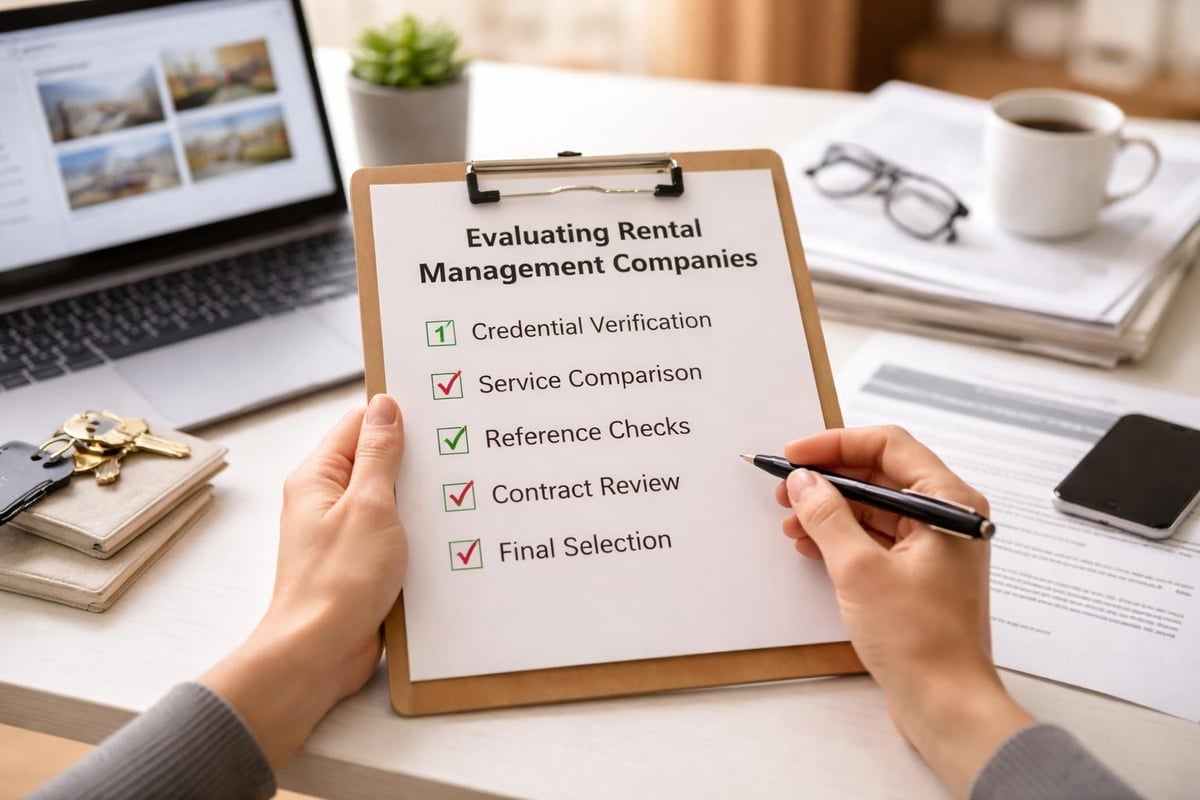
Request references from current clients who own properties similar to yours. Contact these references and inquire about communication responsiveness, problem-solving capabilities, and whether the manager has met financial projections.
Service Models and Fee Structures Explained
Property management companies employ various pricing models that significantly impact your net returns. Understanding these structures helps you compare proposals accurately and identify the best value proposition.
Common Fee Arrangements
Most residential property managers charge a percentage of collected rent, typically ranging from 8% to 12% for single-family properties. This alignment of interests motivates managers to maintain high occupancy and maximize rental income. Some firms charge flat monthly fees, which may benefit owners of higher-priced properties where percentage-based fees become substantial.
Leasing fees represent separate charges for placing new tenants, usually equivalent to 50% to 100% of one month's rent. These fees compensate managers for marketing properties, conducting showings, screening applicants, and executing lease agreements. Properties with high tenant turnover experience greater impact from leasing fees, making tenant retention programs valuable.
Additional fees may include:
- Setup or onboarding fees for new properties
- Lease renewal administration fees
- Property inspection charges
- Maintenance coordination markups
- Eviction processing fees
- Early termination penalties if you switch managers
Request comprehensive fee schedules in writing and calculate total annual costs based on realistic scenarios including normal tenant turnover.
Evaluating Cost Versus Value
The lowest management fee rarely delivers the best value. Managers charging premium rates often provide superior tenant screening that reduces turnover, proactive maintenance that prevents expensive repairs, and aggressive rent collection that minimizes bad debt. Calculate the true cost by considering potential savings from reduced vacancies, avoided legal issues, and preserved property condition.
| Service Level | Typical Fee | Value Indicators |
|---|---|---|
| Basic Management | 8-9% | Rent collection, basic reporting |
| Standard Management | 10-11% | Full services, regular inspections |
| Premium Management | 12-14% | Concierge services, strategic consulting |
Technology Integration in Modern Rental Management
Contemporary property management leverages technology platforms that enhance efficiency, transparency, and tenant satisfaction. When evaluating rental management near me, assess each company's technological capabilities and how they benefit your ownership experience.
Owner and Tenant Portals
Quality property managers provide secure online portals where owners access financial statements, maintenance records, lease documents, and property photos anytime. Real-time transparency eliminates the frustration of waiting for monthly reports and enables proactive decision-making.
Tenant portals facilitate online rent payments, maintenance requests, and document access. These conveniences improve tenant satisfaction while reducing administrative workload for property managers. Modern platforms integrate with accounting software, creating seamless data flow from transaction to financial report.
Maintenance Management Systems
Advanced property managers utilize maintenance platforms that track work orders from submission through completion. Following best practices for maintenance inspections ensures consistent property condition monitoring and documentation. These systems maintain contractor databases with licensing verification, insurance certificates, and performance ratings.
Automated preventive maintenance schedules protect property value through timely HVAC servicing, gutter cleaning, and system inspections. Managers can demonstrate compliance with warranty requirements and extend equipment lifespan through documented maintenance histories.
The Importance of Comprehensive Property Inspections
Regular property inspections represent one of the most valuable yet frequently overlooked aspects of professional rental management. Systematic inspection programs identify problems early, document property condition, and ensure tenants maintain homes according to lease terms.
Inspection Types and Schedules
Professional property managers conduct multiple inspection types throughout tenancy periods. Move-in inspections document initial property condition with detailed photographs and written descriptions, establishing baseline standards and protecting both owners and tenants from disputes. Move-out inspections compare final condition against move-in records, providing objective evidence for security deposit determinations.
Routine inspections during tenancy, typically conducted quarterly or semi-annually, verify lease compliance and identify maintenance needs before they escalate into expensive repairs. These visits check for unreported damage, unauthorized occupants or pets, safety hazards, and general housekeeping standards.
Seasonal inspections address weather-related concerns such as heating system functionality before winter or air conditioning performance before summer. Rental inventory management best practices ensure consistent tracking of property features and appliances across inspection cycles.

Documentation Standards
Thorough inspection documentation protects owners during disputes and insurance claims. Professional managers create detailed reports including:
- Timestamped photographs of all rooms and exterior areas
- Written descriptions of conditions and concerns
- Maintenance recommendations with priority levels
- Tenant communication regarding identified issues
- Follow-up verification of completed repairs
This documentation proves invaluable during eviction proceedings, security deposit disputes, and insurance claims. Courts and arbitrators favor parties who present objective, contemporaneous evidence of property conditions.
Building Long-Term Partnerships with Property Managers
Successful rental management relationships extend beyond transactional service delivery. The most productive partnerships involve clear communication, aligned expectations, and mutual respect between owners and managers.
Establishing Communication Protocols
Define communication preferences early in your relationship. Specify which situations require immediate contact versus inclusion in monthly reports. Professional managers appreciate owners who trust their expertise while remaining engaged in major decisions affecting property value or significant expenditures.
Request regular strategy sessions beyond routine reporting. Quarterly or annual meetings review market conditions, discuss capital improvements, evaluate rental rates, and assess whether current management strategies align with your investment goals. Expert property management combines operational excellence with strategic consultation that maximizes long-term returns.
Clarifying Decision Authority
Establish clear thresholds for manager decision-making versus owner approval. Many owners authorize managers to approve repairs up to specified dollar amounts, expediting essential maintenance while controlling costs. Define expectations for handling lease violations, renewal negotiations, and rent adjustments.
Document these agreements in management contracts and revisit them annually as relationships mature and trust develops. Successful partnerships evolve as managers demonstrate competence and owners gain confidence in their judgment.
Specialized Services That Differentiate Top Managers
While basic property management follows similar patterns across providers, exceptional companies offer specialized services that deliver competitive advantages and enhanced returns.
Strategic Vacancy Marketing
Superior property managers implement comprehensive marketing strategies that minimize vacancy periods and attract quality tenants. They utilize professional photography, virtual tours, and targeted advertising across multiple listing platforms. Their market knowledge informs staging recommendations and minor improvements that maximize rental appeal relative to investment.
Marketing metrics distinguish competent managers from exceptional ones. Track days-on-market averages, showing-to-application ratios, and lease conversion percentages. Top performers in the Greater New Orleans market consistently fill vacancies faster than competitors while maintaining rigorous tenant standards.
Legal Support and Eviction Management
Eviction proceedings require precise adherence to legal procedures where minor errors can restart entire processes. Experienced property managers maintain relationships with attorneys specializing in landlord-tenant law, ensuring proper notice delivery, documentation preparation, and court representation.
The best managers rarely need eviction services because their tenant screening prevents problematic placements. When evictions become necessary, professional handling minimizes financial losses and property damage.
Transitioning Properties to Professional Management
Moving from self-management to professional rental management requires planning and coordination. Understanding the transition process helps set realistic expectations and ensures smooth handoffs.
Documentation Preparation
Gather essential documents before initial consultations with potential property managers. Complete files include current lease agreements, tenant contact information, maintenance records, contractor details, property tax documents, insurance policies, and existing vendor contracts. Residential property management services streamline transitions when owners provide comprehensive documentation upfront.
Review lease terms to verify they align with current market standards and include provisions allowing property manager enforcement. Some managers require lease amendments or wait for natural expiration before assuming management responsibilities.
Tenant Communication
Professional managers handle tenant notifications about management changes, introducing themselves and explaining new procedures for rent payment, maintenance requests, and general communication. This transition establishes professional boundaries while assuring tenants of continued quality service.
Clear communication prevents confusion and maintains positive tenant relationships during ownership transitions. Experienced property managers customize approaches based on existing tenant dynamics and property-specific circumstances.
Regional Considerations for Property Management Selection
Different markets present unique challenges requiring specialized local knowledge. Property management in the Greater New Orleans area involves considerations distinct from other regions.
Hurricane Preparedness and Response
Gulf Coast property managers maintain comprehensive emergency response plans addressing hurricane season preparation, evacuation protocols, and post-storm property assessment. They coordinate board-up services, communicate with tenants about safety procedures, and inspect properties immediately after weather events.
Insurance claim experience becomes critical when storms cause damage. Professional managers document pre-existing conditions, photograph storm damage, coordinate emergency repairs to prevent additional loss, and work with adjusters throughout claim processes.
Historical Property Expertise
New Orleans' significant inventory of historical properties requires managers who understand preservation standards, specialized maintenance requirements, and renovation restrictions. These properties often involve historical tax credits, landmark designations, and architectural review boards that affect permissible modifications.
Managers experienced with historical properties maintain contractor networks specializing in period-appropriate repairs, understand materials sourcing challenges, and navigate approval processes efficiently.
Performance Metrics That Matter
Tracking key performance indicators helps property owners evaluate manager effectiveness and make informed decisions about continuing relationships or seeking alternatives.
Financial Performance Indicators
Monitor these metrics quarterly to assess management quality:
- Collection rate: Percentage of scheduled rent actually collected
- Operating expense ratio: Operating costs as percentage of gross income
- Net operating income: Total revenue minus operating expenses
- Vacancy rate: Percentage of time properties sit unoccupied
- Turnover frequency: How often tenants move out requiring new placements
Compare your property's performance against market averages and manager-provided projections. Consistent underperformance signals potential issues requiring investigation and possible management changes.
Operational Quality Measures
Beyond financial metrics, evaluate operational excellence through tenant satisfaction, maintenance response times, inspection completion rates, and lease renewal percentages. High tenant retention directly impacts profitability by reducing turnover costs and vacancy periods.
Request annual performance reviews where managers present detailed analytics, market comparisons, and strategic recommendations. These meetings demonstrate manager engagement and provide opportunities to recalibrate expectations.
Professional rental management transforms property ownership by handling complex daily operations while maximizing returns and minimizing owner stress. Finding the right local partner requires evaluating credentials, understanding service models, and assessing technological capabilities alongside traditional management skills. With over four decades of experience managing nearly $1 billion in assets throughout the Greater New Orleans area, Coxe Property Management and Leasing delivers the comprehensive services, local expertise, and personalized attention that turn rental properties into truly passive investments. Contact their team today to discover how professional management can enhance your property's performance and simplify your ownership experience.