

Property management homes represent a critical sector within the real estate industry, serving as the bridge between property owners seeking passive income and tenants looking for quality housing. As residential rental markets continue expanding across the United States, understanding how professional management services transform individual properties into profitable, well-maintained assets has become essential for investors of all experience levels. The complexity of managing rental properties in 2026 requires specialized knowledge, dedicated resources, and comprehensive systems that most individual owners simply cannot provide on their own.
Understanding Property Management Homes
Property management homes encompass residential properties overseen by professional management companies or individuals who handle day-to-day operations on behalf of owners. These properties range from single-family residences and condominiums to multi-unit apartment buildings and townhomes. The fundamental principle behind property management homes involves delegating responsibilities such as tenant placement, rent collection, maintenance coordination, and legal compliance to experienced professionals who dedicate their careers to optimizing rental property performance.
The scope of professional property management extends far beyond simply collecting monthly rent checks. Modern property management homes benefit from comprehensive services that protect owner investments while ensuring tenant satisfaction. According to the National Association of REALTORS® property management resources, industry standards have evolved significantly to address increasingly complex regulatory environments and tenant expectations.
Core Services for Property Management Homes
Professional management companies typically offer a structured suite of services designed to maximize property value while minimizing owner involvement:
- Tenant screening and placement through rigorous background checks, credit evaluations, and rental history verification
- Rent collection systems with automated payment processing and consistent enforcement of late fee policies
- Property maintenance coordination including emergency repairs, preventative maintenance, and vendor management
- Financial reporting and accounting with detailed income statements, expense tracking, and tax documentation
- Legal compliance oversight covering fair housing regulations, lease agreements, and eviction procedures
- Property inspections conducted regularly to identify maintenance needs and ensure lease compliance
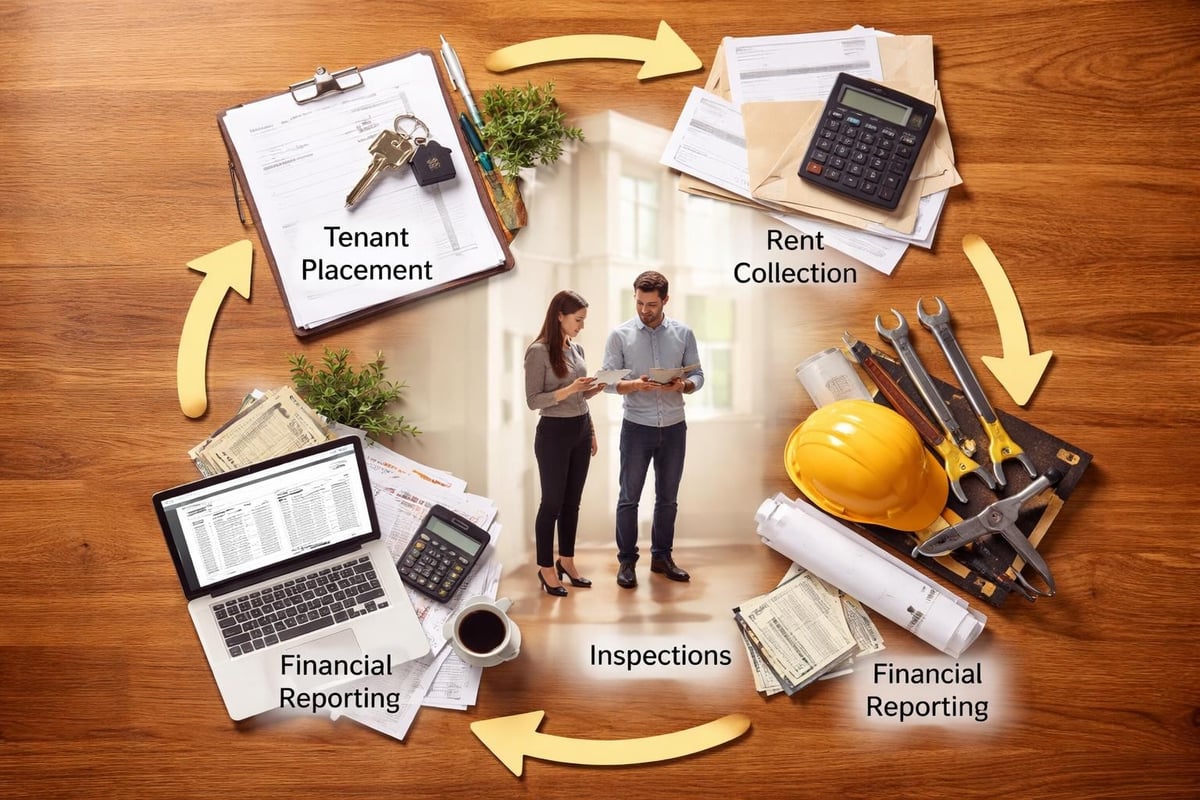
The National Association of Residential Property Managers emphasizes how technology integration has transformed these traditional services, with AI-powered tools now assisting in tenant screening, maintenance predictions, and market analysis.
Financial Benefits of Professional Management
Property management homes consistently demonstrate superior financial performance compared to self-managed properties when evaluating long-term returns. Professional managers bring expertise in pricing strategies, expense management, and tenant retention that directly impacts bottom-line profitability. Optimized rental pricing represents one of the most significant financial advantages, as experienced managers analyze market data, seasonal trends, and property features to establish competitive rates that maximize income without excessive vacancy periods.
Expense reduction through strategic vendor relationships provides another crucial financial benefit. Established management companies negotiate preferred pricing with contractors, suppliers, and service providers due to volume relationships. These savings often offset management fees while ensuring quality workmanship and reliable service delivery.
| Financial Metric | Self-Managed | Professionally Managed | Difference |
|---|---|---|---|
| Average Vacancy Rate | 8-12% annually | 4-6% annually | 50% reduction |
| Maintenance Cost Per Unit | $2,400/year | $1,800/year | 25% savings |
| Tenant Turnover | 45% annually | 28% annually | 38% improvement |
| Rent Collection Rate | 94% | 98.5% | 4.5% increase |
Professional tenant screening services significantly reduce the risk of problematic tenancies that result in unpaid rent, property damage, or costly eviction proceedings. Thorough background checks, employment verification, and rental history analysis help identify reliable tenants who pay consistently and care for the property appropriately.
Tax Advantages and Documentation
Property management homes under professional oversight benefit from meticulous financial record-keeping that simplifies tax preparation and maximizes deductible expenses. Detailed monthly statements categorize income and expenses according to IRS guidelines, making it straightforward for accountants to identify legitimate deductions. Management companies also provide year-end summaries and 1099 forms that streamline tax filing processes.
Additionally, professional managers maintain organized documentation for capital improvements, repairs, and depreciation schedules. This comprehensive approach to financial reporting proves invaluable during tax season and in the event of audits or property sales requiring detailed financial histories.
Selecting the Right Management Partner
Choosing an appropriate management company for property management homes requires careful evaluation of experience, services, technology capabilities, and local market knowledge. Owners should prioritize companies with established track records in their specific property type and geographic area. Local expertise provides irreplaceable value when navigating municipal regulations, understanding neighborhood dynamics, and accessing reliable contractor networks.
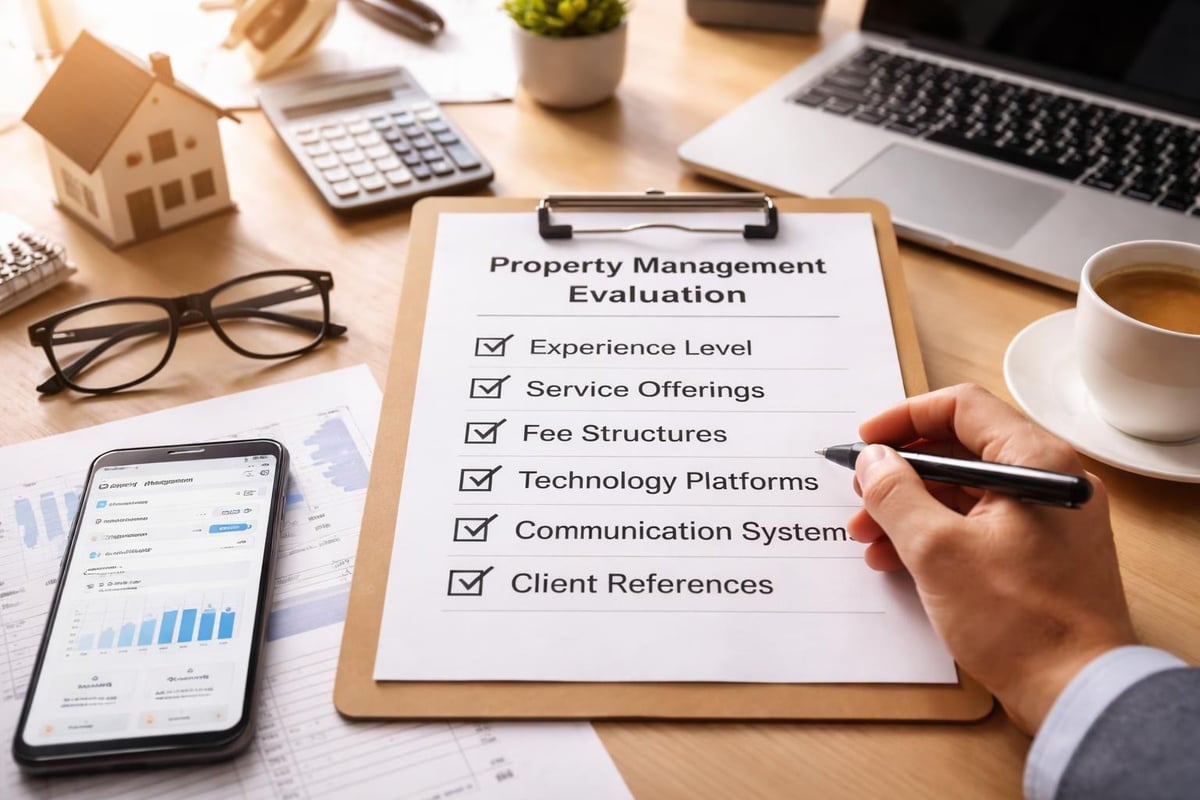
Transparency in fee structures represents another critical selection criterion. Reputable management companies clearly outline all charges, including management fees, leasing fees, maintenance markups, and any additional service costs. Hidden fees or unclear pricing arrangements often signal problematic business practices that may compromise property performance.
Questions to Ask Potential Management Companies
When interviewing property management firms, owners should gather comprehensive information about operational approaches and company stability:
- How many properties do you currently manage in this area? Established portfolios demonstrate market knowledge and operational capacity.
- What is your average tenant retention rate? High retention indicates quality tenant relations and property maintenance.
- How do you handle emergency maintenance requests? Response systems reveal commitment to property preservation and tenant satisfaction.
- What technology platforms do you use for owner reporting? Modern systems provide real-time access to financial data and property updates.
- Can you provide references from current clients? Direct feedback from existing clients offers insights into service quality and reliability.
- How do you screen prospective tenants? Detailed processes protect properties from high-risk occupants.
The California Department of Real Estate guide on property management provides valuable framework for understanding professional standards and best practices that should guide selection decisions.
Technology Integration in Modern Property Management
Property management homes in 2026 operate within highly digitized ecosystems that streamline operations and enhance communication. Cloud-based property management software centralizes all operational data, from lease agreements and maintenance records to financial transactions and tenant communications. Owner portals provide 24/7 access to property performance metrics, allowing investors to monitor their assets from anywhere with internet connectivity.
Tenant-facing technology has similarly evolved to meet modern expectations. Online renter portals enable residents to submit maintenance requests, pay rent electronically, access lease documents, and communicate with management teams through secure messaging systems. This digital convenience improves tenant satisfaction while reducing administrative workload for management staff.
Automated marketing systems represent another technological advancement transforming property management homes. Vacant units receive immediate exposure across multiple listing platforms, complete with professional photography, virtual tours, and detailed property information. Interested prospects can schedule showings online, submit applications digitally, and complete the entire leasing process without paper documentation.
Predictive Maintenance and AI Applications
Emerging technologies in property management increasingly leverage artificial intelligence for predictive maintenance and operational optimization. Smart home devices installed in property management homes collect data on HVAC performance, water usage patterns, and appliance efficiency. AI algorithms analyze this information to identify potential failures before they occur, enabling proactive repairs that prevent costly emergency situations.
Chatbots and automated communication systems handle routine tenant inquiries, freeing property managers to focus on complex issues requiring human judgment. These systems answer common questions about lease terms, payment procedures, and amenity access while escalating specialized concerns to appropriate staff members.
Legal Compliance and Risk Management
Property management homes face complex regulatory environments that vary significantly across jurisdictions. Federal fair housing laws, state landlord-tenant statutes, local occupancy ordinances, and safety codes create a compliance landscape that challenges individual owners lacking specialized knowledge. Professional management companies maintain current understanding of these requirements and implement systems ensuring consistent adherence.
Risk mitigation extends beyond regulatory compliance to include comprehensive insurance coverage, proper lease documentation, and systematic property inspections. Experienced managers identify potential liability exposures and implement preventative measures protecting both property owners and residents.
Eviction proceedings, when necessary, require precise adherence to legal procedures that vary by state and municipality. Improper handling of tenant removals exposes owners to litigation and financial penalties. Professional managers navigate these sensitive situations with appropriate documentation, proper notice periods, and lawful enforcement procedures.
Maintenance and Property Preservation
Quality maintenance programs distinguish exceptional property management homes from mediocre alternatives. Systematic approaches to property upkeep preserve asset value, reduce long-term repair costs, and enhance tenant satisfaction. Preventative maintenance schedules address routine needs before they escalate into expensive emergency repairs or tenant complaints.
Regular property inspections identify maintenance issues, lease violations, and improvement opportunities. Quarterly or semi-annual walkthroughs document property conditions, verify proper tenant care, and allow early detection of problems like water damage, pest infestations, or unauthorized modifications.
Vendor management systems ensure reliable, cost-effective service delivery across all maintenance categories:
- Establishing preferred contractor relationships with licensed, insured professionals
- Negotiating competitive pricing through volume commitments
- Maintaining emergency contact protocols for after-hours situations
- Documenting all work performed with photos, invoices, and completion reports
- Monitoring vendor performance and adjusting relationships based on quality and responsiveness
Properties under comprehensive property management services benefit from streamlined maintenance coordination that balances cost control with quality standards. Established companies maintain extensive contractor networks developed over years of relationship-building and performance evaluation.
Tenant Relations and Retention Strategies
Successful property management homes prioritize tenant satisfaction as a core business strategy. Tenant retention significantly impacts profitability by reducing turnover costs, minimizing vacancy periods, and ensuring consistent rental income. The expenses associated with tenant changeover, including marketing, showing coordination, application processing, cleaning, repairs, and lost rent during vacancy, typically range from one to three months of rental income per turnover event.
Communication excellence forms the foundation of positive tenant relations. Responsive management teams that acknowledge requests promptly, provide clear timelines for issue resolution, and maintain professional courtesy throughout all interactions create residential experiences that encourage lease renewals.

Proactive relationship-building through periodic check-ins, satisfaction surveys, and community events demonstrates management investment in tenant experience beyond mere rent collection. These efforts build goodwill that translates into longer tenancies, better property care, and positive online reviews that attract quality future residents.
Property managers also implement strategic lease renewal programs that begin months before expiration dates. Early outreach regarding renewal options, market rate adjustments, and potential lease modifications allows tenants adequate time for decision-making while giving management teams opportunity to secure renewals or begin marketing for replacement tenants without extended vacancy periods.
Market Analysis and Investment Strategy
Property management homes generate optimal returns when acquisition decisions align with market fundamentals and management capabilities. Experienced property managers provide valuable insights during purchase evaluations, analyzing potential rental income, operating expenses, and neighborhood trends that impact long-term performance. Their practical knowledge of maintenance costs, tenant preferences, and local market conditions helps investors make informed acquisition decisions.
Ongoing market analysis ensures property management homes remain competitively positioned within their segments. Regular rent surveys, occupancy rate monitoring, and amenity comparisons guide strategic decisions about property improvements, pricing adjustments, and marketing approaches. According to industry news sources for property managers, staying informed about market trends requires systematic approaches to data collection and analysis.
Portfolio diversification strategies often emerge from management partnerships as companies identify investment opportunities matching client objectives. Established firms with deep market knowledge can recommend properties in emerging neighborhoods, undervalued markets, or property types experiencing strong demand dynamics.
Regional Considerations for Property Management
Property management homes operate within distinct regional contexts that influence operational approaches, regulatory requirements, and market dynamics. Coastal markets face different challenges than inland areas, while urban properties require different management strategies than suburban or rural assets. Climate considerations impact maintenance priorities, insurance requirements, and seasonal tenant patterns.
The Greater New Orleans area presents unique property management considerations including hurricane preparedness, flood insurance requirements, and historic property preservation regulations. Expert property management in this region requires specialized knowledge of local building codes, weather-related maintenance needs, and cultural factors influencing tenant expectations.
Local economic conditions significantly impact property management homes through employment patterns, population growth or decline, and development activity. Markets with diversified economies and stable job growth typically demonstrate stronger rental demand and lower vacancy rates than areas dependent on single industries or experiencing economic contraction.
Building Owner-Manager Partnerships
Successful property management homes depend on collaborative relationships between owners and management companies built on clear communication, aligned expectations, and mutual respect. Ownership objectives vary widely, from maximum cash flow and minimal involvement to long-term appreciation and active oversight. Effective managers adapt their approaches to accommodate different owner preferences while maintaining operational standards.
Establishing clear performance metrics at the relationship outset helps both parties evaluate success and identify improvement areas. Common benchmarks include occupancy rates, average days to lease, maintenance response times, tenant retention percentages, and net operating income compared to pro forma projections. Regular performance reviews using these metrics facilitate constructive discussions about strategy adjustments and operational refinements.
Trust development occurs gradually through consistent delivery of promised services, transparent financial reporting, and proactive communication about property issues and opportunities. Managers who promptly disclose problems, present viable solutions, and execute agreed-upon strategies build confidence that encourages owners to expand their portfolios under the same management guidance.
Professional property management transforms individual rental properties into optimized income-producing assets through systematic operations, specialized expertise, and dedicated oversight. The comprehensive services, technology integration, and risk management capabilities provided by experienced firms deliver value that typically exceeds management costs through improved financial performance and reduced owner burden. For property owners in the Greater New Orleans area seeking to maximize returns while minimizing involvement, Coxe Property Management and Leasing brings over 40 years of local expertise managing nearly $1 billion in residential assets through personalized service and proven systems.