

Managing rental properties requires a delicate balance between maintaining profitable investments and fostering positive tenant relationships. Successful tenant property management goes far beyond collecting rent checks-it encompasses everything from rigorous screening processes to proactive maintenance strategies and clear communication channels. In today's competitive rental market, property owners who master these fundamentals position themselves for long-term success while minimizing common pitfalls that lead to vacancies, legal disputes, and costly repairs. Whether you're managing a single-family home or an extensive portfolio across the Greater New Orleans area, understanding the core principles of tenant property management can transform your investment experience.
The Foundation of Effective Tenant Property Management
Establishing a solid foundation starts with understanding your role and responsibilities as a property manager or owner. The relationship between landlord and tenant is built on trust, transparency, and mutual respect-principles that should guide every decision you make.
Comprehensive Tenant Screening Processes
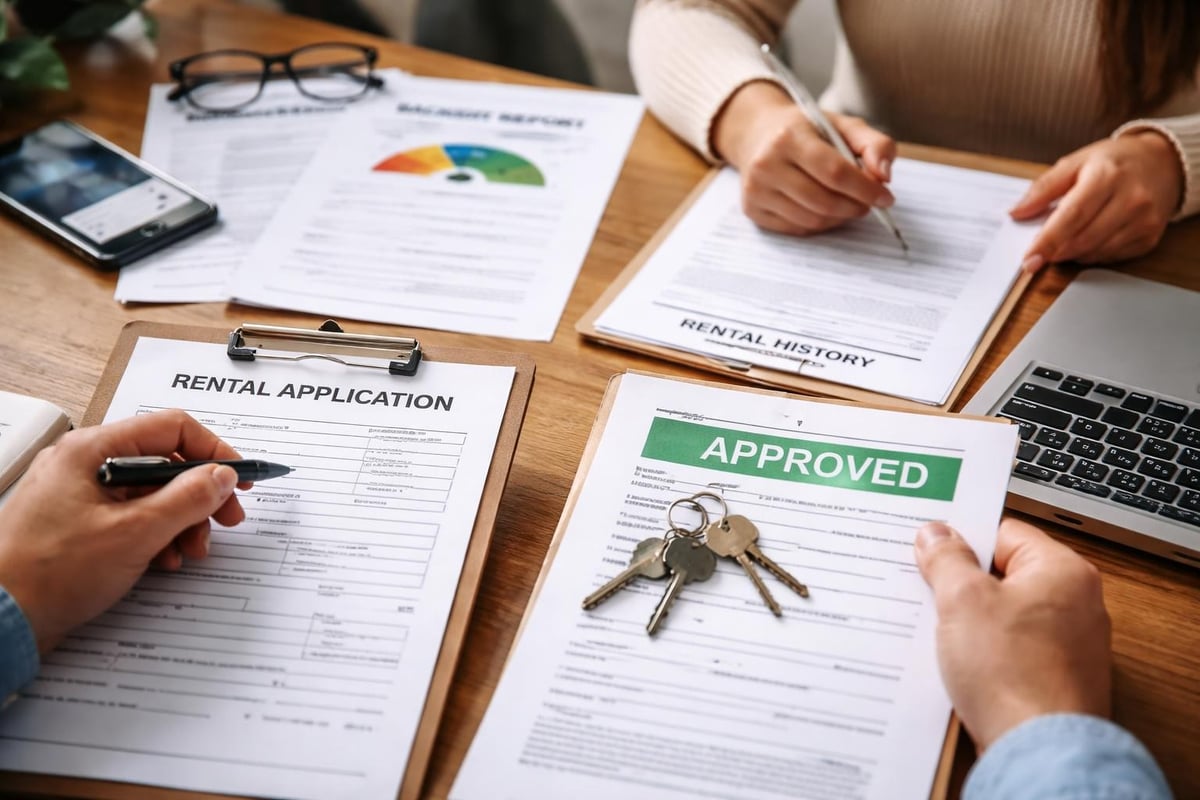
Thorough tenant screening represents the single most important step in protecting your investment and ensuring stable occupancy. A robust screening process examines multiple aspects of an applicant's background and financial history.
Key screening components include:
- Credit history analysis: Review credit scores and payment patterns to assess financial responsibility
- Income verification: Confirm that monthly income meets or exceeds three times the rental amount
- Employment verification: Contact current employers to validate job stability and income claims
- Rental history: Speak with previous landlords about payment timeliness and property care
- Criminal background checks: Ensure compliance with fair housing laws while protecting property and other tenants
Professional tenant screening services streamline this process by providing comprehensive reports that help you make informed decisions. Never rush the screening phase-taking time upfront prevents problems down the road.
Establishing Clear Lease Agreements
Your lease agreement serves as the governing document for the entire landlord-tenant relationship. This legally binding contract should clearly outline expectations, responsibilities, and consequences.
Essential lease agreement elements:
| Component | Details | Purpose |
|---|---|---|
| Rent terms | Amount, due date, late fees, payment methods | Financial clarity |
| Security deposit | Amount, conditions for return, deductions | Property protection |
| Maintenance responsibilities | Landlord vs. tenant duties | Accountability |
| Property rules | Pet policies, noise restrictions, occupancy limits | Community standards |
| Termination conditions | Notice requirements, renewal terms | Exit procedures |
Draft leases in plain language that tenants can easily understand. Ambiguous terms lead to disputes that could have been avoided with clearer documentation.
Building Strong Tenant Relationships
Successful tenant property management hinges on creating relationships that encourage long-term occupancy and responsible property stewardship. Happy tenants take better care of properties, pay rent on time, and reduce turnover costs.
Communication Strategies That Work
Regular, professional communication keeps tenants informed and engaged. Establishing multiple channels for contact ensures tenants can reach you when issues arise, while scheduled updates keep everyone aligned.
Best practices for tenant communication include:
- Respond promptly: Answer maintenance requests and inquiries within 24 hours
- Provide multiple contact options: Email, phone, and online portals offer flexibility
- Send proactive updates: Inform tenants about upcoming maintenance or property changes
- Document everything: Keep written records of all communications and agreements
- Show appreciation: Acknowledge on-time payments and property care
Consider implementing a tenant portal where residents can submit requests, pay rent, and access important documents. This technology streamlines interactions while creating valuable documentation trails.
Proactive Maintenance and Property Care
Nothing damages tenant relationships faster than neglected maintenance issues. Addressing problems quickly demonstrates respect for tenants while protecting your property investment from further damage.
Schedule regular property inspections every six months to identify potential issues before they escalate. During these visits, check HVAC systems, plumbing, electrical components, and structural elements. The property management tips shared by industry experts emphasize preventive maintenance as a cost-saving strategy.
Create a maintenance response hierarchy:
- Emergency issues (flooding, gas leaks, no heat in winter): Immediate response
- Urgent repairs (broken locks, major appliance failures): 24-48 hour response
- Standard requests (minor repairs, cosmetic issues): 3-7 day response
- Scheduled maintenance (HVAC servicing, landscaping): Planned calendar
Developing relationships with reliable contractors ensures quick response times and quality workmanship when problems arise.
Financial Management and Rent Collection
Effective financial management separates successful property managers from those who struggle with cash flow issues and accounting problems. Systematic approaches to rent collection and expense tracking create stability and transparency.
Streamlined Rent Collection Systems
Consistency in rent collection protects your bottom line while setting clear expectations for tenants. Modern technology makes this process easier than ever, reducing late payments and administrative burden.
Implement these rent collection strategies:
- Offer multiple payment methods (ACH, credit card, online portals)
- Enable automatic payments for tenants who prefer convenience
- Send payment reminders three days before the due date
- Apply late fees consistently according to lease terms
- Document all transactions meticulously
Never make exceptions to your payment policies without documenting the reasons and obtaining written agreements. Inconsistent enforcement creates confusion and potential fair housing violations.
Financial Reporting and Transparency
Property owners need clear visibility into their investment performance. Comprehensive financial reporting should include monthly statements showing income, expenses, and net operating income.
| Report Type | Frequency | Key Information |
|---|---|---|
| Income statements | Monthly | Rent collected, late fees, other income |
| Expense reports | Monthly | Maintenance, utilities, management fees |
| Cash flow analysis | Monthly | Net income after all expenses |
| Year-end summaries | Annually | Tax preparation, performance review |
| Occupancy reports | Quarterly | Vacancy rates, turnover costs |
Understanding these effective property management practices helps maximize returns while maintaining accurate records for tax purposes.
Legal Compliance and Risk Management
Navigating the complex landscape of landlord-tenant law requires constant vigilance and ongoing education. Compliance protects your investment from costly lawsuits while ensuring fair treatment for all tenants.
Understanding Fair Housing Requirements
Federal, state, and local fair housing laws prohibit discrimination based on protected characteristics including race, color, religion, national origin, sex, familial status, and disability. Additional protected classes may exist at state and local levels.
Compliance requires:
- Applying screening criteria consistently to all applicants
- Making reasonable accommodations for disabled tenants
- Avoiding discriminatory language in marketing materials
- Documenting all tenant selection decisions
- Training staff on fair housing requirements
While specific regulations vary by location, the fundamental principle remains constant: treat all applicants and tenants equally according to objective, business-related criteria.
Security Deposit Regulations
Security deposit laws vary significantly across jurisdictions, making local knowledge essential. Most states regulate maximum deposit amounts, required disclosures, and timelines for return after move-out.
Common security deposit requirements:
- Maximum deposit limits (often one to two months' rent)
- Separate interest-bearing accounts in some states
- Written documentation of property condition at move-in
- Itemized deduction statements within specified timeframes
- Return of remaining deposits within 14-60 days (varies by state)
Photograph properties thoroughly before tenants move in and after they vacate. This documentation supports legitimate deductions while protecting against unfounded damage claims.
Leveraging Technology for Efficient Management
Modern tenant property management relies heavily on technology platforms that automate routine tasks, improve communication, and provide valuable data insights. Embracing these tools increases efficiency while reducing human error.
Property Management Software Solutions
Comprehensive property management software centralizes operations in a single platform, from marketing vacancies to processing rent payments to tracking maintenance requests.
Key features to seek include:
- Online rent collection with automated reminders
- Maintenance request tracking and contractor management
- Tenant screening integration with background check services
- Financial reporting and accounting tools
- Document storage for leases, receipts, and communications
- Tenant portals for self-service functions
The successful property management tips from industry leaders consistently emphasize technology adoption as a competitive advantage. Software eliminates paperwork, reduces processing time, and creates audit trails for compliance purposes.
Data-Driven Decision Making
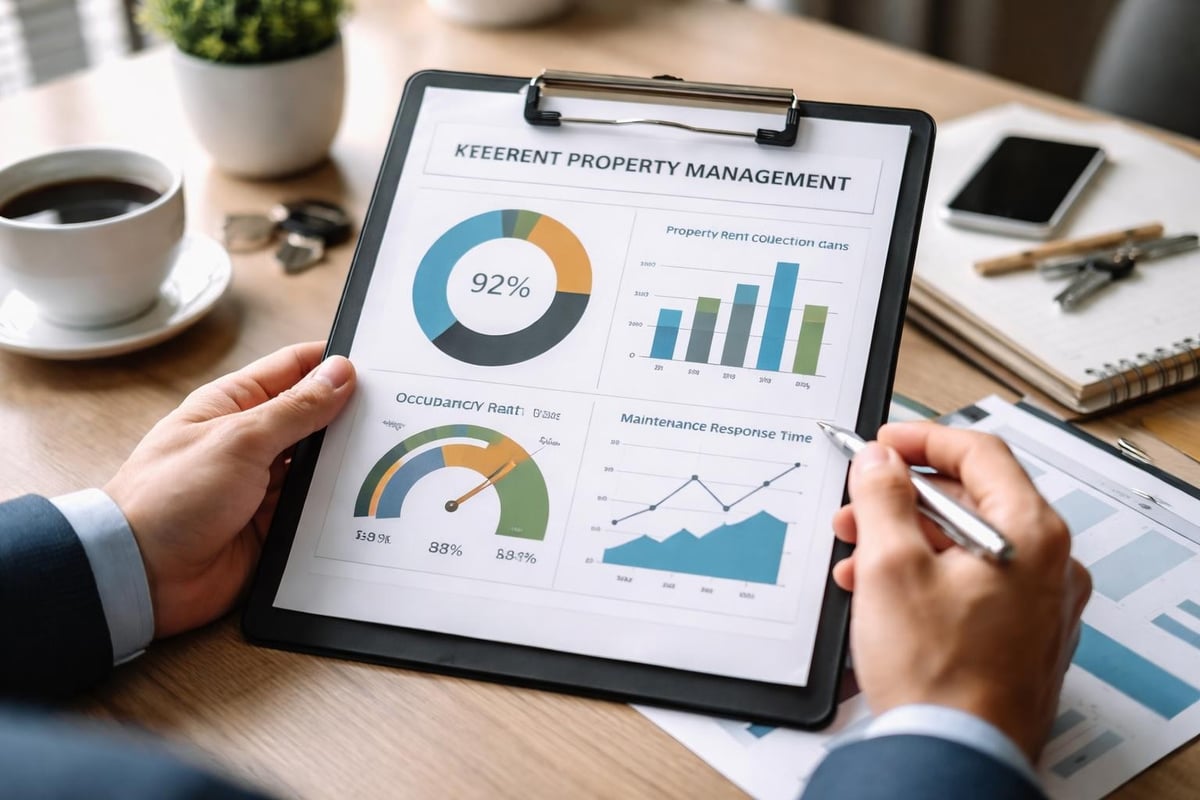
Analytics derived from property management systems reveal patterns that inform strategic decisions. Track metrics like average days to lease, maintenance costs per unit, tenant retention rates, and collection efficiency.
This data helps you:
- Identify properties requiring additional maintenance investment
- Adjust rental rates based on market conditions and property performance
- Recognize seasonal patterns in vacancies and maintenance requests
- Evaluate contractor performance and cost-effectiveness
- Project cash flow and plan for capital improvements
Regular analysis of these metrics enables proactive management rather than reactive firefighting.
Tenant Retention and Lease Renewals
Acquiring new tenants costs significantly more than retaining existing ones. Turnover expenses include marketing costs, vacancy losses, turnover cleaning, and potential renovations-often totaling thousands of dollars per unit.
Creating Retention-Focused Experiences
Exceptional tenant experiences encourage long-term occupancy and reduce turnover costs. Small investments in tenant satisfaction generate substantial returns through extended lease terms.
Retention strategies include:
- Responding quickly to maintenance requests and communications
- Keeping properties well-maintained and updated
- Offering lease renewal incentives for quality long-term tenants
- Maintaining competitive rental rates while rewarding loyalty
- Creating community through tenant events or amenity improvements
- Conducting satisfaction surveys to identify improvement opportunities
Consider modest annual rent increases rather than large jumps at renewal. Gradual adjustments keep rates market-competitive while maintaining tenant affordability.
Strategic Lease Renewal Process
Begin renewal conversations 90 days before lease expiration to give tenants ample time to decide. Early outreach demonstrates that you value their tenancy while allowing time to market the property if they choose not to renew.
Renewal process steps:
- Review current market rents and property performance
- Assess tenant payment history and property care
- Determine appropriate renewal terms and any rate adjustments
- Contact tenants with renewal offer
- Negotiate terms if necessary
- Execute new lease agreement or begin marketing for new tenants
Quality tenants who pay on time and maintain properties deserve consideration for minimal or no rent increases. The cost of turnover often exceeds revenue from aggressive rent hikes.
Managing Difficult Situations Professionally
Even with excellent screening and management practices, challenging situations inevitably arise. Professional handling of conflicts, late payments, and lease violations protects your interests while maintaining legal compliance.
Late Rent and Payment Issues
Establish and enforce clear late payment policies outlined in your lease agreement. Consistency prevents accusations of discrimination while ensuring predictable cash flow.
When rent is late:
- Send formal notice on the first day payment is overdue
- Apply late fees as specified in the lease
- Contact tenant to understand circumstances
- Offer payment plans only with written agreements
- Begin eviction proceedings if necessary after appropriate notice
Document every step of the collections process. These records prove essential if legal action becomes necessary.
Conflict Resolution Techniques
Most tenant disputes can be resolved through professional communication before escalating to legal proceedings. Approach conflicts with empathy while maintaining firm boundaries around lease terms and property rules.
| Situation | Response Strategy | Documentation |
|---|---|---|
| Noise complaints | Speak with tenant, review lease terms, issue warning | Written warning, neighbor statements |
| Unauthorized occupants | Verify lease occupancy limits, require proper application | Lease amendment or termination |
| Property damage | Assess damage, determine responsible party, arrange repairs | Photos, repair invoices, deduction notice |
| Lease violations | Issue formal notice, allow correction period, enforce consequences | Violation notices, cure-or-quit notices |
Following these comprehensive property management guidelines helps navigate difficult situations while maintaining professionalism and legal compliance.
Property Inspections and Quality Control
Regular property inspections serve multiple purposes: identifying maintenance needs, verifying lease compliance, and documenting property condition for future reference. Systematic inspection schedules prevent small problems from becoming expensive disasters.
Conducting Effective Property Inspections
Schedule inspections at logical intervals throughout the tenancy: move-in, annually during occupancy, and move-out. Each inspection serves different purposes and requires appropriate documentation.
Inspection checklist components:
- Interior conditions (walls, floors, ceilings, fixtures)
- Appliance functionality and cleanliness
- Plumbing systems and water damage signs
- Electrical systems and safety concerns
- HVAC operation and filter condition
- Exterior conditions (landscaping, structural elements)
- Safety features (smoke detectors, carbon monoxide detectors)
- Lease compliance (unauthorized pets, occupants, alterations)
Provide tenants with reasonable notice (typically 24-48 hours) before inspections. Some states legally require specific notice periods, making local law knowledge essential.
Preventive Maintenance Programs
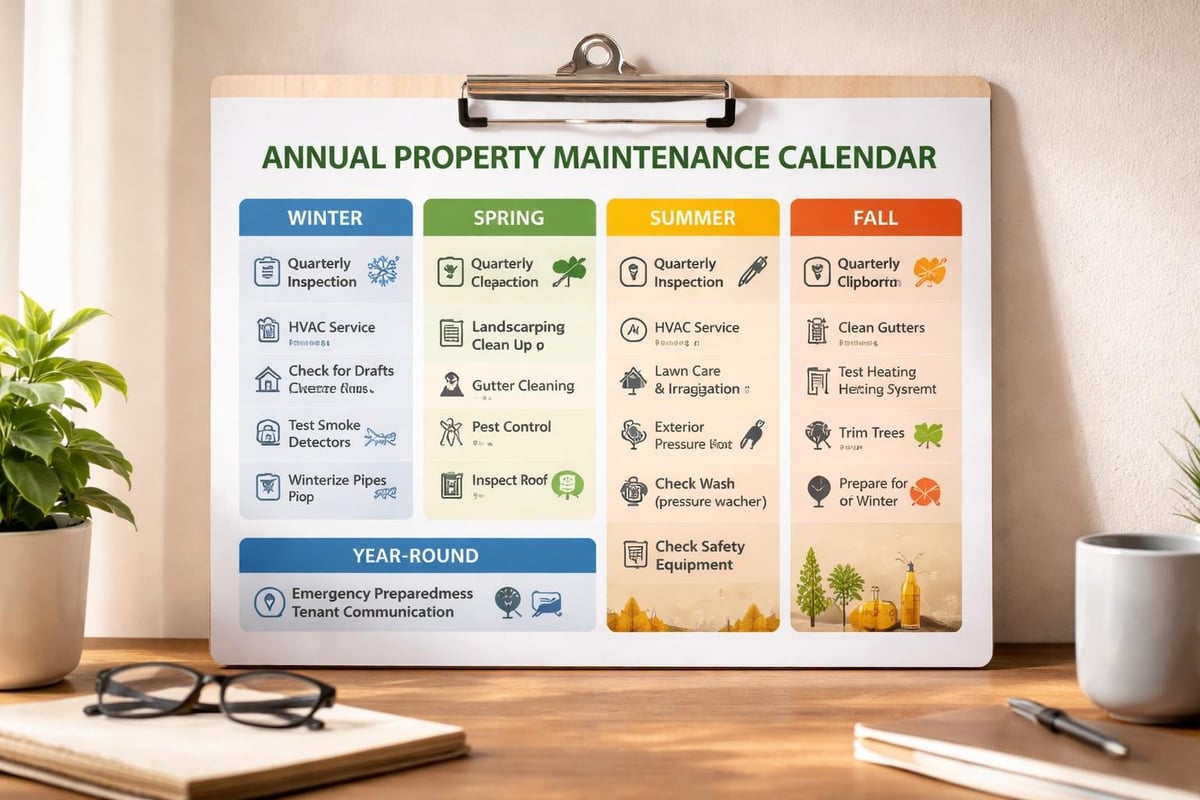
Proactive maintenance costs less than reactive repairs while extending property lifespans and improving tenant satisfaction. Create annual maintenance calendars that address seasonal needs and equipment servicing.
Recommended preventive maintenance schedule:
- Quarterly: HVAC filter changes, gutter cleaning, pest control
- Semi-annually: HVAC system servicing, smoke detector testing
- Annually: Water heater flushing, roof inspections, exterior painting assessment
- Bi-annually: Carpet cleaning, appliance deep cleaning
- As needed: Landscaping, snow removal, storm preparation
Tracking maintenance history for each property helps predict future needs and budget accordingly. This data also demonstrates your commitment to property care when marketing to prospective tenants.
Professional Development and Industry Knowledge
The property management industry constantly evolves with changing laws, market conditions, and best practices. Successful tenant property management requires ongoing education and professional development.
Staying Current with Regulations
Legal requirements vary by jurisdiction and change frequently. Dedicate time to understanding local, state, and federal regulations affecting your properties.
Resources for staying informed include:
- Local apartment associations and landlord organizations
- Real estate attorney consultations for complex questions
- Property management continuing education courses
- Industry publications and online resources
- Networking with other property management professionals
For example, expert property management approaches incorporate continuous learning about regulatory changes affecting the Greater New Orleans area. This knowledge prevents costly compliance violations and legal disputes.
Building Professional Networks
Connecting with other property management professionals provides valuable insights, contractor recommendations, and support during challenging situations. Join local and national property management associations that offer education, advocacy, and networking opportunities.
Professional relationships worth cultivating:
- Real estate attorneys specializing in landlord-tenant law
- Licensed contractors for various trades (plumbing, electrical, HVAC)
- Property insurance agents familiar with rental property needs
- Accountants experienced with rental property taxation
- Other property managers for knowledge sharing
- Local government officials managing housing compliance
These connections often provide solutions to unique problems and opportunities you wouldn't discover independently. The habits of successful property managers emphasize relationship-building as a core competency.
Market Analysis and Competitive Positioning
Understanding your local rental market enables strategic pricing, property improvements, and marketing that attract quality tenants while maximizing returns. Regular market analysis should inform your tenant property management decisions.
Competitive Rental Rate Research
Pricing properties competitively requires thorough market research examining comparable properties in your area. Consider location, property size, amenities, condition, and included utilities when comparing rates.
Research methods include:
- Analyzing online rental listings in your target area
- Reviewing recently signed leases for similar properties
- Consulting with local real estate agents and brokers
- Subscribing to rental market data services
- Monitoring industry trends from major property management firms
Adjust your rates based on unique property features, recent improvements, and seasonal demand patterns. Premium amenities justify higher rents when marketed effectively.
Strategic Property Improvements
Not all improvements generate equal returns. Focus renovations on updates that command higher rents or reduce vacancy periods while avoiding over-improving for your market segment.
| Improvement Type | ROI Potential | Typical Cost | Rent Increase |
|---|---|---|---|
| Kitchen updates | High | $5,000-15,000 | 5-10% |
| Bathroom remodels | High | $3,000-8,000 | 4-8% |
| Fresh paint/flooring | Medium-High | $2,000-5,000 | 3-6% |
| Energy-efficient appliances | Medium | $1,500-3,000 | 2-4% |
| Smart home features | Medium | $500-2,000 | 2-5% |
| Landscaping | Low-Medium | $500-2,000 | 1-3% |
Calculate payback periods before major investments. A $10,000 kitchen renovation that increases monthly rent by $100 requires over eight years to recoup costs-longer than many ownership periods.
Mastering tenant property management requires balancing multiple priorities: finding quality tenants, maintaining properties, ensuring legal compliance, and maximizing returns. By implementing systematic screening processes, fostering positive tenant relationships, leveraging technology, and staying current with industry best practices, property owners position themselves for long-term success. Whether you manage properties independently or seek professional assistance, these principles create the foundation for profitable, hassle-free ownership. For property owners in the Greater New Orleans area seeking experienced partners, Coxe Property Management and Leasing offers comprehensive solutions backed by over 40 years of expertise managing nearly $1 billion in assets, providing the personalized service and professional guidance that transforms property ownership into a rewarding investment experience.