

Finding the right property manager for rental properties can transform your investment from a time-consuming burden into a profitable, hands-off asset. Whether you own a single-family home or a portfolio of residential properties, professional management services provide expertise in tenant relations, maintenance coordination, and financial oversight that most property owners simply don't have time to master. Understanding what a property manager for rental properties actually does and how to select the best one for your needs is essential for protecting your investment and maximizing returns.
Understanding the Property Manager for Rental Role
A property manager for rental properties serves as the operational bridge between property owners and tenants. This professional handles everything from marketing vacant units to coordinating emergency repairs at 2 AM.
The scope of responsibilities extends far beyond just collecting rent checks. Property managers conduct market research to set competitive rental rates, screen prospective tenants using comprehensive background checks, and ensure lease agreements comply with local and federal housing laws. They also coordinate routine maintenance, handle tenant complaints, and manage the financial aspects of your property including budgeting and expense tracking.
Core Responsibilities and Daily Operations
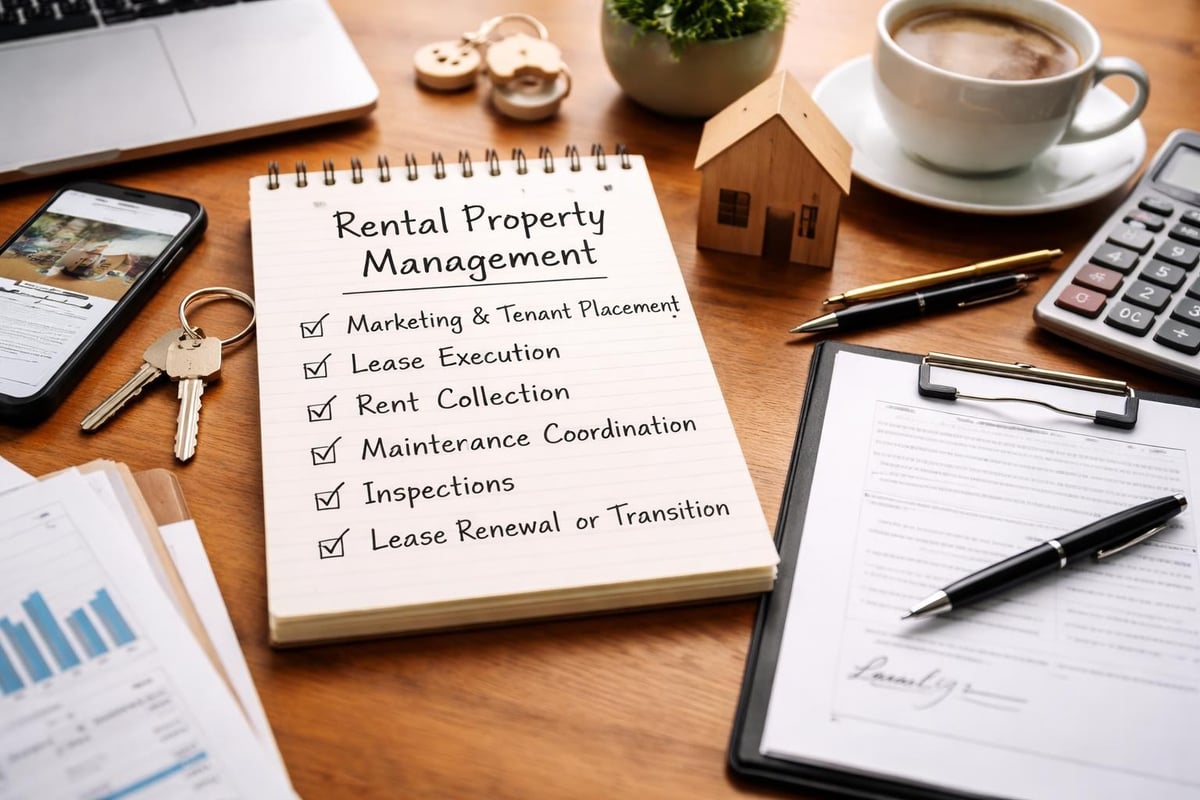
Key operational duties include:
- Marketing vacant properties across multiple platforms
- Conducting property showings and open houses
- Processing rental applications and background checks
- Drafting and executing legally compliant lease agreements
- Collecting monthly rent and managing late payments
- Coordinating maintenance requests and emergency repairs
- Conducting regular property inspections
- Managing vendor relationships and service contracts
The National Association of Residential Property Managers sets professional standards that guide these operations, ensuring property managers maintain ethical practices and stay current with industry regulations.
Financial Benefits of Professional Property Management
Hiring a property manager for rental properties represents an investment that typically pays for itself through reduced vacancy rates, higher-quality tenants, and better property maintenance. Professional managers understand local market dynamics and can price your property to maximize both occupancy and rental income.
| Financial Benefit | Impact | Typical Improvement |
|---|---|---|
| Reduced Vacancy Time | Faster tenant placement | 30-50% quicker fills |
| Lower Turnover Costs | Better tenant retention | 15-25% fewer turnovers |
| Preventive Maintenance | Reduced emergency repairs | 20-35% cost savings |
| Optimized Rent Pricing | Market-rate accuracy | 5-10% revenue increase |
Revenue Optimization Strategies
Property managers leverage data analytics and market knowledge to position your rental competitively. They understand seasonal fluctuations in the Greater New Orleans market and adjust strategies accordingly.
Revenue-boosting tactics include:
- Conducting comparative market analyses quarterly
- Implementing strategic rent increases at lease renewal
- Adding value-added amenities that justify premium pricing
- Minimizing vacancy gaps through proactive lease renewal communication
- Screening for tenants with stable income and employment history
Effective tenant screening services reduce the risk of payment defaults and property damage, both of which directly impact your bottom line. Professional managers have access to comprehensive screening tools that go beyond basic credit checks to include eviction history, criminal background, and rental references.
Legal Compliance and Risk Management
The legal landscape surrounding rental properties grows more complex each year. A qualified property manager for rental properties stays current with Fair Housing laws, local ordinance changes, and safety requirements that can expose owners to significant liability.
Professional managers understand the nuances of security deposit regulations, proper eviction procedures, and required property disclosures. They maintain detailed documentation of all communications, maintenance requests, and lease violations to protect owners in potential disputes.
Navigating Regulatory Requirements
Critical compliance areas include:
- Fair Housing Act compliance to prevent discrimination claims
- Americans with Disabilities Act (ADA) accommodation requirements
- Lead-based paint disclosure for properties built before 1978
- Local safety codes including smoke detectors and carbon monoxide alarms
- Eviction procedures that follow proper legal processes
- Security deposit handling per state-specific regulations
Property managers maintain relationships with qualified attorneys who specialize in landlord-tenant law, providing access to expert guidance when complex situations arise. This legal network proves invaluable when dealing with difficult evictions or navigating municipal code enforcement issues.
Tenant Relations and Retention
Quality tenant relationships form the foundation of successful rental property ownership. A property manager for rental units serves as the primary point of contact, handling communications professionally while protecting owner interests.
Experienced managers know that tenant retention costs significantly less than turnover. They respond promptly to maintenance requests, address concerns before they escalate, and create positive resident experiences that encourage lease renewals.

Building Long-Term Tenant Relationships
The best property managers balance firmness on lease terms with reasonable accommodation of tenant needs. They establish clear communication channels and set expectations from day one.
| Retention Strategy | Implementation | Expected Outcome |
|---|---|---|
| 24/7 Emergency Line | Direct access for urgent issues | Increased tenant satisfaction |
| Online Portal | Self-service rent payment and requests | Higher on-time payment rates |
| Regular Communication | Quarterly check-ins and updates | Stronger landlord-tenant relationship |
| Prompt Maintenance | 24-48 hour response times | Reduced tenant complaints |
| Renewal Incentives | Early commitment discounts | 60-70% renewal rates |
According to Zillow’s rental management guide, properties with professional management experience significantly higher tenant satisfaction scores and longer average tenancy periods.
Maintenance Coordination and Property Preservation
One of the most valuable services a property manager for rental properties provides is comprehensive maintenance coordination. Professional managers maintain networks of licensed, insured contractors who can respond quickly to issues ranging from plumbing emergencies to HVAC failures.
Preventive maintenance programs protect property value by addressing minor issues before they become major problems. Regular inspections identify potential concerns like roof damage, foundation cracks, or pest infestations early when repairs cost less.
Strategic Maintenance Planning
Effective maintenance programs include:
- Quarterly property inspections documenting condition
- Seasonal preventive tasks like HVAC servicing and gutter cleaning
- Vendor relationships ensuring competitive pricing
- Emergency response protocols for after-hours issues
- Capital improvement planning for major systems
Professional property maintenance services extend the life of major systems like roofing, HVAC, and plumbing while maintaining curb appeal that attracts quality tenants. Managers also handle landscaping coordination, ensuring properties remain attractive and code-compliant year-round.
Selecting the Right Property Manager for Rental Properties
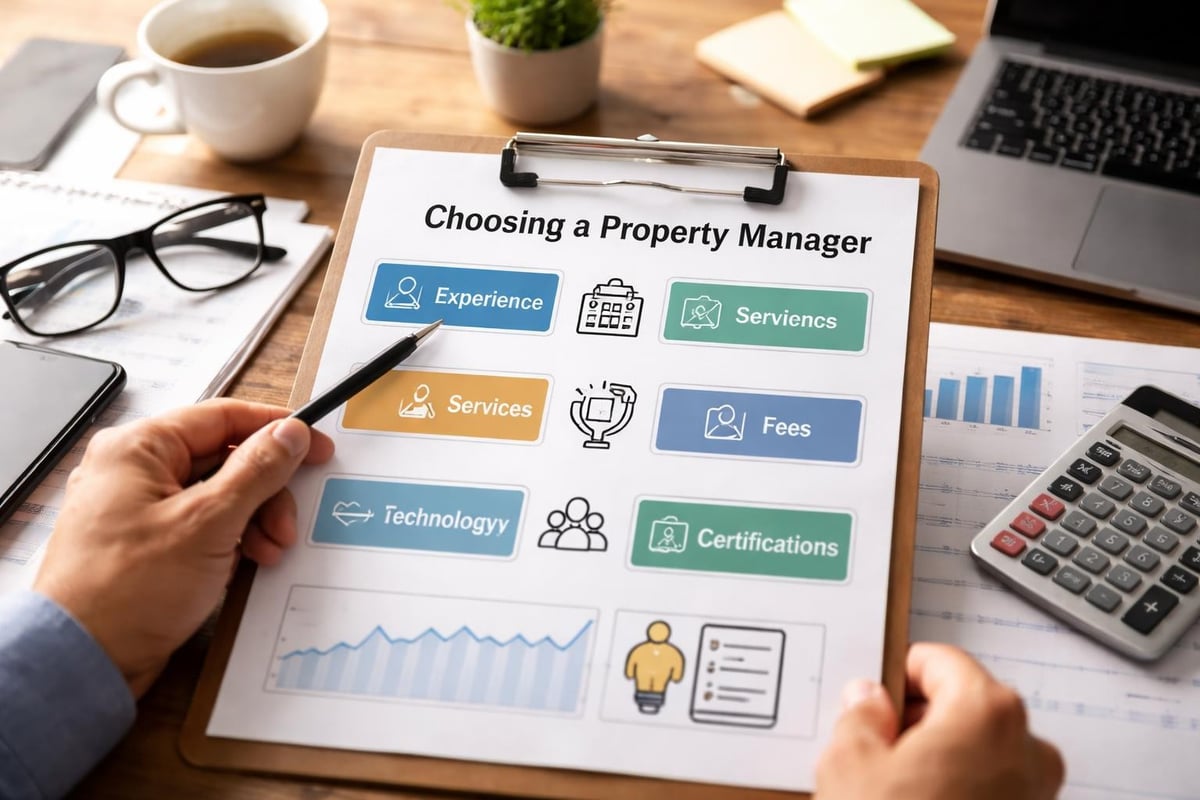
Choosing a property manager for rental properties requires careful evaluation of experience, services, and fee structures. Not all management companies offer the same level of service or expertise in specific property types or geographic markets.
Start by researching companies with strong local market knowledge and verified track records. Check references from current clients and review ratings on platforms like the Better Business Bureau to assess reputation and reliability.
Essential Evaluation Criteria
Key factors to consider include:
- Years of experience managing similar properties
- Professional certifications and continuing education
- Technology platforms for owner reporting and tenant communication
- Fee structure and included services versus add-on charges
- Client references and online reviews
- Insurance coverage and business licenses
- Communication style and accessibility
- Financial management and reporting capabilities
Companies affiliated with organizations like NARPM demonstrate commitment to professional standards and ongoing education. Ask potential managers about their designation status and continuing education requirements.
Technology and Modern Property Management
Contemporary property managers leverage technology to deliver superior service and transparency. Online portals allow owners to access financial reports, maintenance records, and property photos 24/7 from anywhere in the world.
Tenant-facing technology streamlines rent collection through automated payment processing, reducing late payments and administrative overhead. Maintenance request systems create trackable work orders that document issues from initial report through completion.
Digital Tools That Enhance Management
| Technology Solution | Owner Benefit | Tenant Benefit |
|---|---|---|
| Owner Portal | Real-time financial reporting | N/A |
| Tenant Portal | Reduced collection costs | Convenient rent payment |
| Maintenance Tracking | Complete work order history | Faster issue resolution |
| Digital Marketing | Shorter vacancy periods | Better property discovery |
| Electronic Leasing | Faster tenant placement | Streamlined application |
Modern property managers use data analytics to identify trends in maintenance costs, vacancy rates, and market rental prices. This information drives strategic decisions about capital improvements, rent adjustments, and marketing approaches.
Fee Structures and Cost Considerations
Property manager for rental property fees typically range from 8% to 12% of monthly rental income, though some markets and property types command different rates. Understanding exactly what services are included in base fees versus add-on charges helps owners accurately compare management companies.
Common fee structures include:
- Monthly management fee (percentage of collected rent)
- Tenant placement fee (typically 50-100% of first month's rent)
- Lease renewal fee (flat fee or percentage)
- Maintenance markup (10-20% coordination fee)
- Eviction fees (legal costs plus administrative charges)
- Monthly inspection fees for vacant properties
Transparent companies provide detailed fee schedules upfront and don't surprise owners with hidden charges. The most comprehensive property management services include clear documentation of all fees and expenses.
Marketing Vacant Properties Effectively
Professional property managers excel at minimizing vacancy through strategic marketing. They understand which platforms reach qualified tenants and how to present properties to generate strong applicant pools.
Quality photography, compelling property descriptions, and multi-channel distribution get properties in front of thousands of prospective tenants. Managers also leverage their existing tenant databases and referral networks to fill vacancies quickly.
Multi-Channel Marketing Approach
- Professional photography highlighting property features
- Online listing syndication across major rental platforms
- Social media promotion targeting local demographics
- Yard signage in high-traffic locations
- Broker networks for additional exposure
- Virtual tours for out-of-state applicants
Effective property marketing strategies reduce time-to-lease, which directly impacts annual rental income. A property manager for rental properties who can consistently fill vacancies within 30 days provides substantial value over self-management approaches that often take 60-90 days or longer.
Portfolio Growth and Scaling Considerations
As rental portfolios expand, the complexity of self-management increases exponentially. A property manager for rental properties becomes essential when owners reach three to five units, as the administrative burden begins outweighing the management fees.
Professional managers provide scalable systems that handle ten properties as efficiently as fifty. Their established processes, vendor networks, and technology platforms grow with your portfolio without requiring proportional increases in your time investment.
Portfolio management advantages:
- Consolidated financial reporting across all properties
- Volume discounts on maintenance and repairs
- Diversified risk through professional oversight
- Consistent tenant screening standards
- Unified lease terms and policies
- Strategic market positioning across multiple properties
Companies like Coxe Property Management and Leasing, with experience managing nearly $1 billion in assets, bring institutional-level expertise to individual property owners. This professional infrastructure supports both current operations and future growth.
Questions to Ask Potential Property Managers
Before signing a management agreement, conduct thorough interviews with prospective property managers for rental properties. The right questions reveal how they handle challenges and whether their approach aligns with your ownership goals.
Critical interview questions:
- How many properties do you currently manage in this market?
- What is your average vacancy rate and time-to-lease?
- How do you screen prospective tenants?
- What technology platforms do you use for owner and tenant communication?
- How do you handle after-hours maintenance emergencies?
- What are your tenant retention rates?
- How often will you inspect my property?
- Can you provide references from current clients?
- What professional designations do your managers hold?
- How do you handle difficult evictions?
The NARPM guide on hiring property managers provides additional questions and evaluation frameworks to ensure you select a qualified professional who meets your specific needs.
Selecting the right property manager for rental properties requires careful consideration of experience, services, technology, and fee structures that align with your investment goals. Professional management delivers measurable value through reduced vacancies, better tenant quality, proactive maintenance, and legal compliance that protects your assets. With over 40 years of experience managing properties throughout the Greater New Orleans area, Coxe Property Management and Leasing provides the comprehensive expertise and personalized service that transforms rental ownership from a demanding responsibility into a profitable, hands-off investment.