

Understanding property management companies fees represents one of the most critical financial decisions rental property owners face when considering professional management services. Whether you own a single-family home or multiple investment properties across the Greater New Orleans area, knowing what to expect in terms of costs helps you evaluate potential return on investment and make informed decisions about your real estate portfolio. Property management companies typically structure their fees across multiple categories, from monthly management charges to leasing fees and maintenance coordination costs, each serving a specific purpose in the overall service package.
Core Components of Property Management Pricing Structures
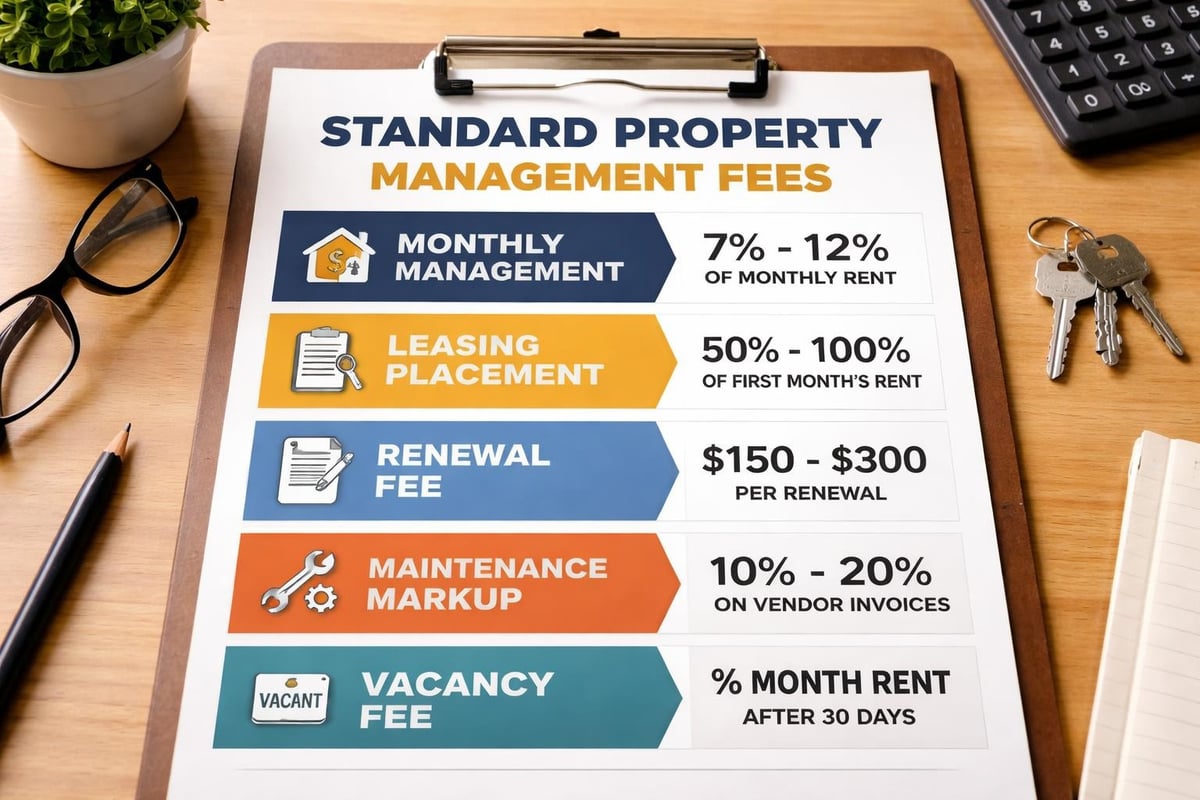
Property management companies fees generally fall into several distinct categories, each corresponding to specific services rendered. The most common fee structure includes monthly management fees calculated as a percentage of collected rent, typically ranging between 8% and 12% for single-family homes and smaller multi-family properties.
Monthly management fees cover the day-to-day operations of your rental property, including rent collection, tenant communication, routine inspections, financial reporting, and coordination of maintenance issues. This percentage-based model aligns the property manager's interests with yours, as they only earn their full fee when rent is successfully collected.
Leasing and Tenant Placement Charges
One of the most substantial one-time charges you'll encounter involves leasing fees for finding and placing qualified tenants. Understanding property management fees helps clarify that these charges typically range from 50% to 100% of the first month's rent, covering marketing expenses, showing coordination, application processing, and lease preparation.
The tenant screening process requires significant resources and expertise. Professional tenant screening services include comprehensive background checks, credit reports, employment verification, rental history validation, and income documentation review to minimize vacancy risks and ensure reliable tenants.
| Fee Type | Typical Range | What's Included |
|---|---|---|
| Monthly Management | 8-12% of rent | Rent collection, tenant relations, inspections, financial reports |
| Leasing Fee | 50-100% first month | Marketing, showings, applications, screening, lease signing |
| Renewal Fee | $150-$300 flat | Lease renewal processing, rent adjustments, documentation |
| Setup Fee | $0-$500 | Property assessment, photography, listing creation |
Additional Service Fees and Charges
Beyond the core management and leasing fees, property owners should budget for various additional charges that may apply depending on circumstances and service needs. Maintenance coordination fees typically add 10% to 20% on top of actual repair costs, compensating the management company for vendor coordination, quality oversight, and emergency response availability.
Some companies charge inspection fees ranging from $75 to $200 per visit for move-in, move-out, and periodic property inspections. These inspections document property condition, identify maintenance needs, and ensure lease compliance throughout the tenancy period.
Common additional charges include:
- Eviction coordination fees ($300-$800 plus legal costs)
- HOA violation management ($50-$150 per incident)
- Court appearance fees ($150-$300 per appearance)
- Lease violation notices ($25-$75 per notice)
- Property photography updates ($100-$250)
- Lock change coordination ($50-$100 plus materials)
Geographic Variations in Management Fees
Property management companies fees vary significantly by geographic market, reflecting local competition levels, regulatory requirements, and operating costs. Average property management fees in Georgia differ from those in California or Louisiana markets due to these regional factors.
Markets with higher property values don't necessarily correlate with higher percentage fees. In fact, luxury property management may involve lower percentage rates but higher dollar amounts due to the elevated rental prices. Conversely, more affordable markets might charge higher percentages to maintain profitability on lower-priced rentals.
The Greater New Orleans area presents unique considerations given the local rental market dynamics, hurricane preparedness requirements, and specific landlord-tenant regulations that influence operational costs for property managers. When finding the best property management company in New Orleans, understanding these local nuances becomes essential for accurate fee comparison.
Vacancy-Related Costs and Considerations
How property management companies fees are structured during vacancy periods varies considerably between providers and significantly impacts your bottom line. Some companies continue charging their full monthly percentage even when the property sits vacant, while others reduce or eliminate management fees during non-revenue periods.
Three common vacancy fee approaches include:
- Full fee continuation – Management company charges the full percentage on the listed rental amount regardless of occupancy
- Flat vacancy fee – Reduced flat monthly charge ($100-$200) to cover basic property oversight and marketing
- No vacancy charges – Company waives all fees until a tenant is placed and rent is collected
The vacancy fee structure reveals much about a management company's confidence in their leasing capabilities and their alignment with owner interests. Companies that continue full charges during vacancies may lack proper incentive to fill units quickly, while those waiving fees demonstrate commitment to minimizing your revenue loss.

Maintenance Markup and Repair Coordination
Property maintenance coordination represents another significant cost factor in the total expense of professional management. Most companies add markup percentages to maintenance and repair work, typically ranging from 10% to 20% above actual vendor costs.
This markup compensates the management company for multiple value-added services beyond simple payment processing. Professional property managers maintain networks of vetted, licensed contractors, negotiate favorable rates through volume relationships, supervise work quality, ensure code compliance, and provide emergency response coordination outside business hours.
Evaluating Maintenance Fee Value
The key consideration isn't whether markup exists but whether it delivers value compared to self-management alternatives. Property managers who respond quickly to maintenance requests, prevent small issues from becoming expensive emergencies, and maintain competitive vendor pricing often save owners money despite the markup.
Some companies offer alternative maintenance fee structures, including flat monthly charges for routine maintenance coordination or à la carte pricing for specific services. Transparency in maintenance billing practices should be a primary selection criterion when comparing management companies.
| Maintenance Approach | Pros | Cons |
|---|---|---|
| Percentage Markup (10-20%) | Simplicity, incentive for cost control, competitive bidding | Potential for inflated charges |
| Flat Monthly Fee | Predictable budgeting, unlimited coordination | May not cover major repairs |
| Hourly Coordination Rate | Pay only for actual time spent | Unpredictable costs, billing disputes |
Fee Transparency and Hidden Charges
Recent regulatory scrutiny has focused on hidden fees in property management contracts. Legal challenges against major property management companies highlight the importance of complete fee disclosure and transparent pricing practices throughout the industry.
Property owners should carefully review management agreements for less obvious charges that can substantially increase total costs. Administrative fees, portal access charges, software fees, document preparation costs, and communication fees sometimes appear in contracts without clear justification or disclosure during initial presentations.
Questions to ask about potential hidden fees:
- Are there monthly technology or software fees beyond the management percentage?
- Do you charge separate fees for online rent payment processing?
- What administrative charges apply to lease renewals or amendments?
- Are there fees for regular financial reports or owner portal access?
- Do you assess charges for owner-requested property visits or inspections?
Established firms with decades of experience typically maintain straightforward fee structures because their reputation depends on long-term client relationships rather than short-term fee maximization. Companies managing significant asset portfolios understand that transparency builds trust and client retention.
Comparing Fee Structures Across Markets
Understanding how property management costs vary by state helps contextualize local pricing. While national averages provide useful benchmarks, regional market conditions create substantial variations in typical fee ranges and service offerings.
California markets, for instance, often see management fees between 8% and 10% due to intense competition and higher property values, while smaller markets in the Southeast might charge 10% to 12% to maintain operational viability on lower rental amounts. Property management fees in California reflect these competitive pressures and regulatory complexities unique to that state.
Service Level Differentiation
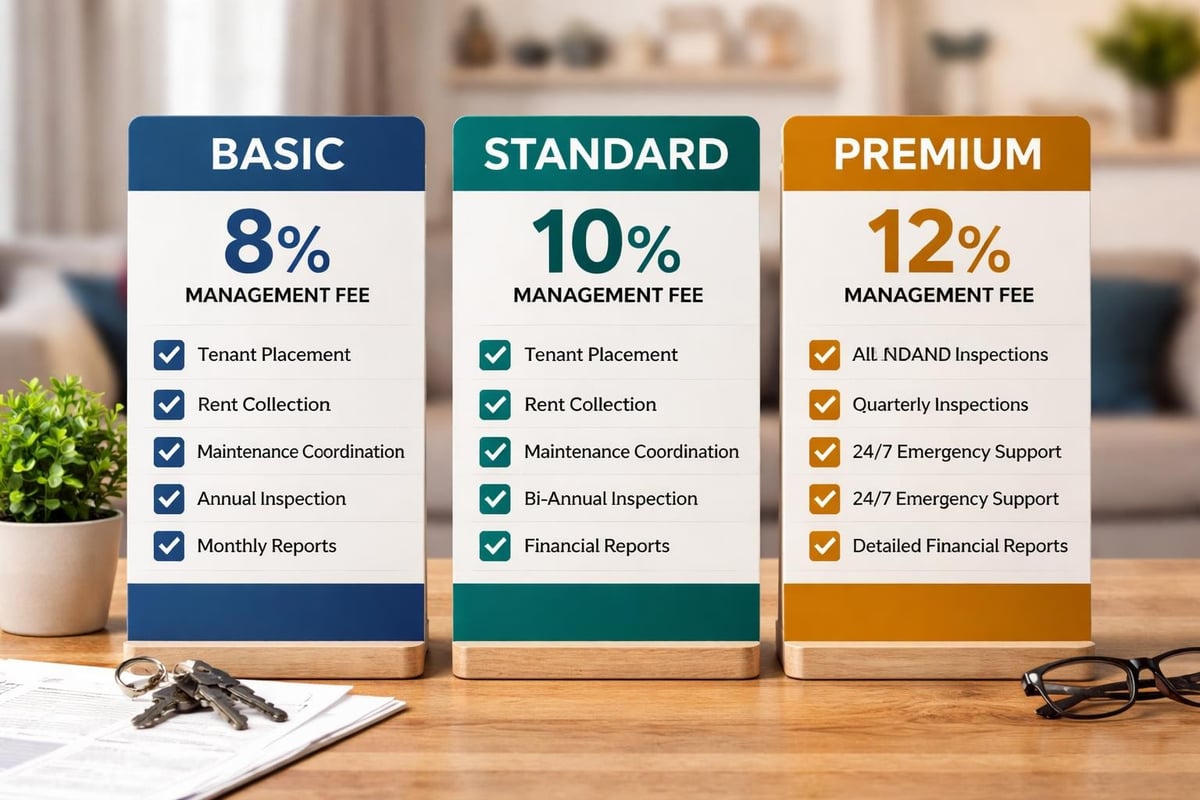
Not all management companies offer identical service levels at similar price points. Some budget providers offer basic rent collection and maintenance coordination at 6% to 8%, while full-service firms charging 10% to 12% include comprehensive services such as detailed financial reporting, quarterly property inspections, proactive maintenance planning, and dedicated owner support.
The correlation between fees and service quality isn't always linear. Evaluating the comprehensive services offered by established property management firms helps determine whether premium pricing delivers corresponding value through reduced vacancies, better tenant retention, and superior property maintenance.
Contract Terms and Fee Adjustments
Property management companies fees often include provisions for annual adjustments tied to inflation indices or market rate changes. Understanding these escalation clauses prevents surprise cost increases and allows for accurate long-term budgeting.
Most professional management agreements specify 30 to 60-day cancellation notice requirements and may include early termination fees if owners cancel before completing a minimum service period, typically 12 months. These provisions protect the management company's investment in property setup, marketing materials, and tenant placement efforts.
Contract provisions affecting total costs:
- Minimum contract periods (typically 6-12 months)
- Early termination fees ($200-$500 or leasing fee recovery)
- Annual fee adjustment clauses
- Renewal or extension terms
- Service level guarantees
Fee increase limitations should appear in quality management agreements, typically capping annual adjustments at 3% to 5% regardless of market conditions. This protects owners from excessive cost escalation while allowing companies to adjust for rising operational expenses.
Portfolio Management and Volume Discounts
Property owners with multiple units often negotiate reduced management percentages through volume discounts. Companies managing several properties for a single owner can operate more efficiently, justifying fee reductions from standard single-property rates.
Volume discounts typically begin at three to five properties, with percentage reductions of 1% to 2% below standard rates. Larger portfolios of 10 or more units may secure even more favorable terms, particularly when properties cluster geographically, reducing travel time and operational complexity.
Beyond percentage reductions, portfolio owners might negotiate favorable terms for leasing fees, inspection charges, or administrative costs. The key is demonstrating long-term commitment and providing operational efficiencies that benefit both parties.
Evaluating Total Cost of Management Services
Rather than focusing solely on the monthly management percentage, sophisticated property owners calculate total annual costs including all fees, markups, and charges. This comprehensive analysis reveals the true cost of professional management compared to self-management alternatives or competing service providers.
A company charging 8% monthly but adding substantial leasing fees, high maintenance markups, and numerous administrative charges may ultimately cost more than a competitor charging 10% with inclusive leasing services and transparent maintenance billing.
Annual cost calculation example:
For a property generating $24,000 in annual rent with one tenant turnover:
- Monthly management (10%): $2,400
- Leasing fee (100% first month): $2,000
- Maintenance markup (15% on $3,000 repairs): $450
- Inspections and administrative fees: $400
- Total annual cost: $5,250 (21.9% of gross rent)
This comprehensive view helps owners make informed decisions about whether to hire expert property management based on total value delivered rather than isolated fee components.
Performance Metrics and Fee Justification
The most successful property management relationships focus on performance outcomes rather than fee minimization. Companies delivering lower vacancy rates, higher-quality tenants, better maintenance cost control, and superior financial returns justify premium fees through measurable results.
Key performance indicators that validate property management companies fees include average days vacant between tenants, tenant retention rates, maintenance cost per unit, rent collection percentages, and overall net operating income improvement. Companies with 40-plus years of experience managing substantial asset portfolios typically demonstrate superior performance across these metrics.
When evaluating fee structures, request historical performance data including average vacancy periods, percentage of security deposits returned to owners after damages, eviction rates, and year-over-year rent increase achievements. These metrics reveal whether management fees translate into tangible financial benefits for property owners.
Understanding property management companies fees enables property owners to make strategic decisions about professional management services based on comprehensive cost analysis and expected performance outcomes. Transparent fee structures, performance accountability, and service alignment with owner objectives matter more than finding the absolute lowest percentage rate. With over 40 years of experience managing nearly $1 billion in assets throughout the Greater New Orleans area, Coxe Property Management and Leasing delivers personalized solutions combining transparent pricing with proven results in tenant screening, rent collection, property maintenance, and hassle-free ownership experiences.