

In 2026, property management faces fierce competition and constant change. Owners and managers must adapt quickly to new challenges in the industry.
This guide uncovers the eight keys to successful property management, designed to help you maximize your returns, reduce risk, and stay ahead in a dynamic market.
Explore actionable strategies in technology, tenant relations, legal compliance, and financial management. Discover how to turn industry challenges into opportunities, and follow a proven roadmap for success in property management today.
The Evolving Landscape of Property Management in 2026
The world of property management in 2026 is transforming at an unprecedented pace. Successful property management now requires an agile mindset and a proactive approach. Owners and managers face a landscape shaped by technology, shifting regulations, and evolving tenant demands.
Digital transformation is at the heart of this change. Over 70% of property management firms have adopted cloud-based software, streamlining operations and communication. The rise of remote management tools and AI-powered platforms enables teams to work efficiently from anywhere, keeping properties running smoothly.
Recent years have brought lasting impacts from the pandemic. Remote work has driven demand for flexible leasing and adaptable living spaces. Tenants expect digital access to services, fast maintenance responses, and online payment options. These shifts set a new standard for successful property management.
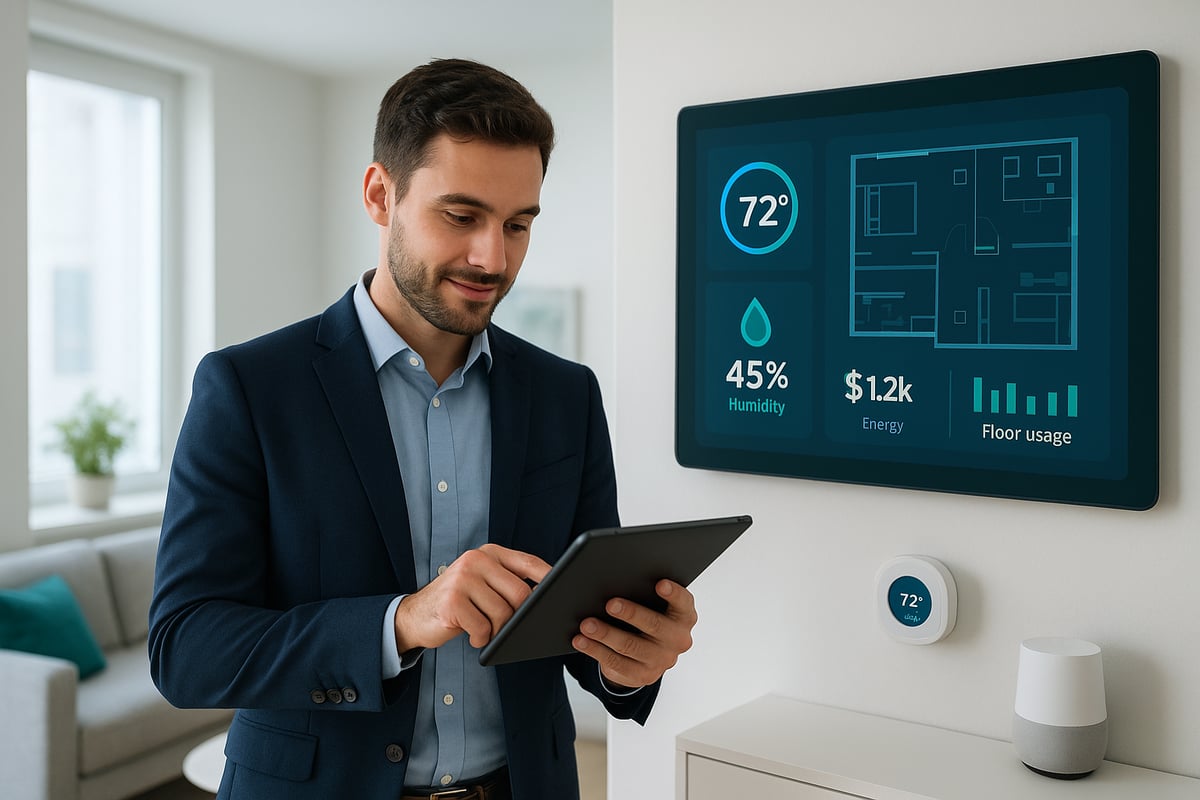
Sustainability and energy efficiency are no longer optional. Smart home technology, green building practices, and energy monitoring systems are becoming industry norms. Properties with these features attract eco-conscious renters and command higher rents.
Professional property management firms are also on the rise. Many owners are turning to experts for hassle-free, compliant solutions. These firms leverage technology and proactive communication, setting themselves apart from DIY landlords. For example, leading companies use automated systems to reduce vacancy times and improve tenant satisfaction.
However, the industry faces notable challenges:
| Key Challenge | Impact on Successful Property Management |
|---|---|
| Labor shortages | Delays in service, higher costs |
| Inflation-driven expenses | Rising maintenance and repair costs |
| Regulatory complexity | Increased risk of fines, legal disputes |
Navigating these challenges requires ongoing education and systematized processes. Regulatory changes, such as new fair housing rules and rent control measures, demand constant vigilance. Firms that stay current reduce risk and protect their investments.
Looking ahead, agility is essential. The most successful property management teams invest in training and technology, preparing for whatever the future brings. For a deeper look at the trends shaping this industry, explore this 2026 property management trends guide.
In summary, the path to successful property management in 2026 is paved with digital innovation, tenant-focused strategies, and a commitment to compliance. Those who adapt quickly and embrace new tools will thrive in this competitive market.
8 Keys to Successful Property Management in 2026
The future of successful property management hinges on a strategic blend of technology, process, and people skills. In 2026, property managers must adapt to new challenges while seizing emerging opportunities. The following eight keys offer a practical roadmap for thriving in this evolving industry.
For a deeper dive into foundational best practices, review this comprehensive guide to property management.
1. Embrace Advanced Technology and Automation
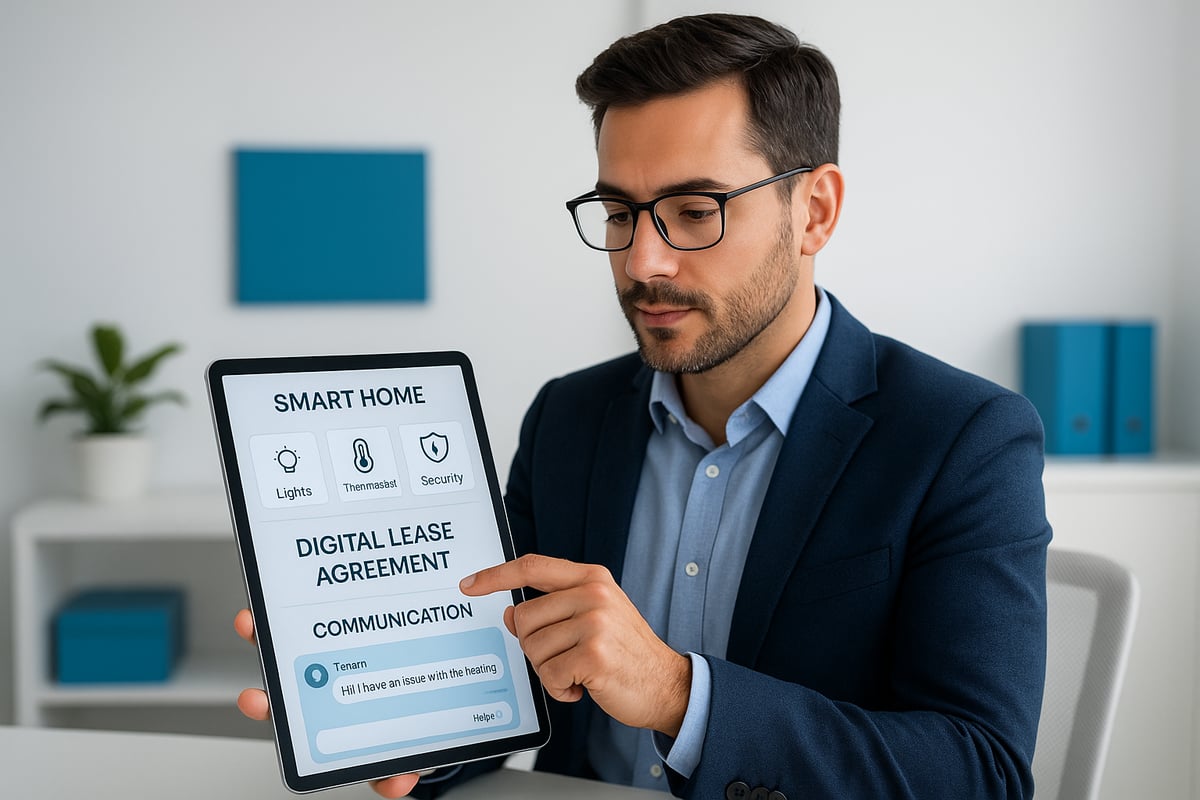
Technology is the cornerstone of successful property management in 2026. Cloud-based platforms now handle rent collection, maintenance requests, and tenant communications with remarkable efficiency. Managers who adopt these tools see streamlined workflows and fewer errors, leading to a more satisfying tenant experience.
AI-powered chatbots respond to tenant inquiries instantly, while digital lease signing simplifies the onboarding process. Automated rent reminders have been shown to reduce late payments by up to 30 percent, directly improving cash flow. Integration of IoT devices enables real-time alerts for maintenance issues and energy consumption, allowing for proactive intervention.
According to industry data, 81 percent of property owners now expect their managers to utilize advanced technology. One manager, for example, reduced vacancy periods by 15 percent simply by leveraging online marketing tools and offering virtual tours. These innovations are not optional but essential for successful property management.
In summary, embracing automation and digital solutions is vital for staying ahead, enhancing tenant satisfaction, and driving operational excellence.
2. Prioritize Effective Tenant Screening and Retention
A robust tenant screening process is central to successful property management. Begin with credit, background, and eviction checks to ensure candidates are financially responsible and trustworthy. Reference verification and, when possible, in-person interviews add another layer of security.
To reduce turnover, prioritize responsive maintenance and clear, consistent communication. Tenant engagement programs, such as loyalty rewards or community events, foster a sense of belonging. Companies that implement thorough screening report up to 50 percent fewer evictions, underscoring the importance of diligence.
Automated systems can expedite application processing, scoring, and document collection, saving valuable time. Retaining quality tenants is equally crucial. Offer flexible payment options and conduct regular feedback surveys to identify areas for improvement.
Tenant satisfaction is directly linked to lease renewals. In fact, satisfied tenants are 40 percent more likely to renew, making retention an essential element of successful property management. Focus on both selecting the right tenants and keeping them happy for long-term stability.
3. Master Preventive Maintenance and Inspections
Preventive maintenance is a defining feature of successful property management. Schedule quarterly or semi-annual inspections to catch issues before they escalate. Develop a maintenance plan covering HVAC, plumbing, and structural elements to ensure optimal property performance.
Digital maintenance tracking improves accountability and transparency, allowing both managers and owners to monitor progress. For example, properties that undergo regular inspections can see their value increase by 10 percent over five years. Building a network of reliable contractors ensures quick, quality repairs.
Mobile apps enable real-time reporting of maintenance issues, reducing response times and enhancing tenant trust. Compliance with insurance and safety regulations is non-negotiable, as it protects both the asset and the residents.
Incorporate checklists and standardized processes to create a culture of proactive care. Preventive strategies are essential to successful property management, minimizing costly emergencies and maximizing property value.
4. Ensure Legal and Regulatory Compliance
Staying current with evolving regulations is a non-negotiable part of successful property management. Local, state, and federal laws—covering fair housing, rent control, and eviction procedures—change frequently. Implement compliance checklists and provide ongoing staff training to reduce risk.
Failure to comply can result in fines exceeding $10,000 per incident. Avoid legal troubles by consulting with legal counsel or leveraging compliance software. Maintain thorough documentation, including lease agreements, inspection reports, and communication logs, to support your case if disputes arise.
For example, adhering to updated fair housing standards helps managers avoid costly lawsuits. Proactive policy reviews and updates are a must as laws shift.
In summary, legal compliance is integral to successful property management. Stay vigilant, educate your team, and adapt policies promptly to maintain a compliant operation.
5. Optimize Financial Management and Reporting
Transparent and automated financial management is a hallmark of successful property management. Use digital tools for rent collection, expense tracking, and generating monthly and annual reports. These systems reduce manual errors by up to 40 percent, providing owners with clear, accurate data.
Budgeting and forecasting tools help managers plan for cash flow fluctuations, while strategies like automated rent reminders minimize delinquencies. Properties with transparent financial reporting attract 30 percent more investor interest, making this a key differentiator in the market.
Support property owners with tax preparation and audit readiness, ensuring compliance and peace of mind. Regularly review financial performance and adjust strategies as needed to maximize ROI.
Ultimately, strong financial processes are essential for successful property management. They build trust with owners and investors while supporting stable, long-term growth.
6. Build Strong Owner and Tenant Relationships
Successful property management relies on strong, transparent relationships with both owners and tenants. Establish clear communication protocols, including expected response times and escalation procedures. Personalized service, such as regular updates and proactive outreach, demonstrates commitment.
Firms with dedicated owner liaisons report 25 percent higher client retention. For tenants, engagement strategies like welcome packages, community events, and transparent feedback channels create a positive living experience. Early conflict resolution prevents minor issues from escalating.
Train staff in empathy, professionalism, and responsiveness to foster trust and satisfaction. Digital platforms can streamline surveys and announcements, making communication efficient.
Building strong relationships is fundamental to successful property management. It enhances loyalty, reduces turnover, and contributes to the overall reputation of your business.
7. Leverage Data-Driven Marketing and Vacancy Minimization
Marketing is evolving rapidly, and data-driven strategies are now vital for successful property management. Use SEO-optimized listings, social media, and virtual tours to reach target audiences and fill vacancies faster. Analytics help identify which channels deliver the best results and guide ad spend decisions.
Properties marketed with video tours lease 20 percent faster, providing a competitive advantage. Syndicate listings across popular rental platforms and local channels to maximize exposure. Dynamic pricing tools enable managers to adjust rent based on demand and competition.
Reduce vacancy periods through pre-leasing strategies and waitlist management. Track marketing ROI and refine tactics regularly for continuous improvement.
Incorporating data-driven approaches is crucial to successful property management. These strategies optimize occupancy, boost revenue, and position your properties as top choices in the market.
8. Commit to Continuous Learning and Adaptation
The property management landscape is in constant flux, making continuous learning a key to successful property management. Pursue industry certifications, attend webinars, and participate in conferences to stay informed about new trends and best practices.
Monitor market shifts and evolving tenant preferences to remain competitive. Early adopters of sustainability initiatives, for example, often attract eco-conscious renters. Regularly review and upgrade processes and systems to keep pace with innovation.
Encourage staff development, as companies investing in training see up to 35 percent higher operational efficiency. Embrace new technologies, pilot emerging services, and seek feedback to enhance the customer experience.
Continuous improvement is the foundation of successful property management. Stay agile, informed, and proactive to thrive in the years ahead.
Building a Reliable Vendor and Maintenance Network
A reliable vendor and maintenance network is a cornerstone of successful property management. In 2026, the ability to resolve issues quickly and maintain property value hinges on the partnerships you build with contractors and service providers. Let us explore the process of constructing a dependable network that supports both tenant satisfaction and operational efficiency.

Selecting and Vetting Contractors
The first step in successful property management is carefully selecting and vetting your vendors. Begin by seeking referrals from industry peers and reviewing online ratings. Conduct detailed interviews and request proof of licensing, insurance, and past project portfolios.
Check references to verify reliability and quality of work. Establish clear selection criteria based on responsiveness, expertise, and pricing. This careful vetting process reduces risk and lays the groundwork for a stable maintenance network, ensuring your properties are in good hands.
Service-Level Agreements and Accountability
After choosing vendors, formalize relationships with service-level agreements (SLAs). SLAs define response times, performance standards, and communication protocols. They hold contractors accountable for meeting expectations and provide a basis for evaluation.
Successful property management depends on consistent service quality. Set up regular performance reviews and require detailed invoices and reports. A well-structured agreement minimizes disputes and fosters transparency, both essential for protecting your investment.
Emergency Response and Leveraging Technology
Emergency preparedness is vital. Ensure your network offers 24/7 maintenance coverage, with clear escalation procedures for urgent issues. Firms with trusted vendor networks resolve maintenance problems 40% faster, which directly impacts tenant satisfaction.
Utilize digital tools for maintenance ticketing and vendor communication. Platforms that track requests in real time improve accountability and efficiency. For more insights, explore property maintenance best practices to strengthen your preventive maintenance strategy and leverage technology for better outcomes. Integrating these systems streamlines workflows, a critical factor in successful property management today.
Building Long-Term Vendor Relationships and Adding Value
Long-term relationships with vendors create stability and cost control. Negotiate preventative contracts and use competitive bidding to keep expenses in check. Show appreciation for excellent service and provide feedback to encourage continuous improvement.
Maintain open lines of communication and address concerns promptly. A dependable vendor network reduces downtime, preserves property value, and supports tenant retention. Ultimately, investing in these relationships is an investment in successful property management, driving consistent results in a competitive market.
The Role of Professional Property Management Services
The pursuit of successful property management in 2026 is more complex than ever. As regulations, technology, and tenant expectations evolve, many property owners are turning to professional management services for support. This shift is driven by the need to maximize returns, streamline operations, and reduce day-to-day burdens.

Why Hire a Professional Property Management Service?
Owners often choose professional management to navigate the increasing demands of successful property management. The landscape includes regulatory changes, remote management challenges, and the need for advanced technology. Professional firms bring expertise and systematized processes that help owners stay ahead.
Core Services Offered
A reputable property management company provides a comprehensive suite of services. These typically include:
- Marketing and leasing vacant units
- Rent collection and financial reporting
- Maintenance coordination and inspections
- Effective tenant screening strategies
- Legal guidance for landlords
- Compliance with local, state, and federal regulations
These offerings ensure that every aspect of successful property management is handled with precision and care.
Benefits of Professional Management
Choosing professional management yields tangible results. Owners report up to 20% fewer vacancies and higher net income. Firms leverage technology, proactive communication, and industry knowledge to minimize risks and enhance tenant satisfaction. Their expertise in successful property management also leads to fewer legal disputes and improved asset performance.
Choosing the Right Partner
Selecting the right management partner is crucial. Look for companies with a proven track record, transparent communication, and clear fee structures. Evaluate their responsiveness, technology adoption, and ability to customize services for your property type. A strong relationship with your manager can make successful property management seamless.
Cost and Value Considerations
Professional management fees typically range from a percentage of collected rent to flat monthly rates. While costs vary, the investment often pays for itself through increased rental income, retention, and peace of mind. Owners benefit from fewer vacancies, prompt maintenance, and reduced legal exposure. Ultimately, entrusting your property to experts protects your investment and supports long-term success.
In summary, professional property management services play a pivotal role in achieving successful property management. They offer owners the expertise, resources, and confidence to thrive in a dynamic market.
As you look ahead to mastering property management in 2026, it’s clear that staying proactive with technology, tenant relations, and financial strategies is key. At Coxe Property Management and Leasing, we’ve spent decades helping owners in Greater New Orleans simplify every step—from tenant screening to property maintenance and legal compliance. If you’re ready to take the guesswork out of ownership and maximize your property’s potential, let’s connect. You deserve expert support and peace of mind as the landscape evolves.
Get Your Free Quote Today!