

Renting a home in 2026 is more competitive and complex than ever before. With every dollar counting, understanding the impact of a realtor rental fee can make a real difference in your budget.
This guide is designed to give you clear, actionable advice about the realtor rental fee. You will learn how these fees work, who pays them, what services are included, and how costs can vary by region.
We will break down common pitfalls, highlight ways to save, and share expert tips to help you make informed decisions. Ready to discover how the right knowledge about realtor rental fee structures can save you thousands? Let’s dive in.
Understanding Realtor Rental Fees in 2026
Renting in 2026 comes with a new set of financial considerations. The realtor rental fee is one of the most significant costs that can impact your budget when searching for a home. Understanding how these fees work, why they exist, and what services they cover is essential for making smart renting decisions.
What Are Realtor Rental Fees?
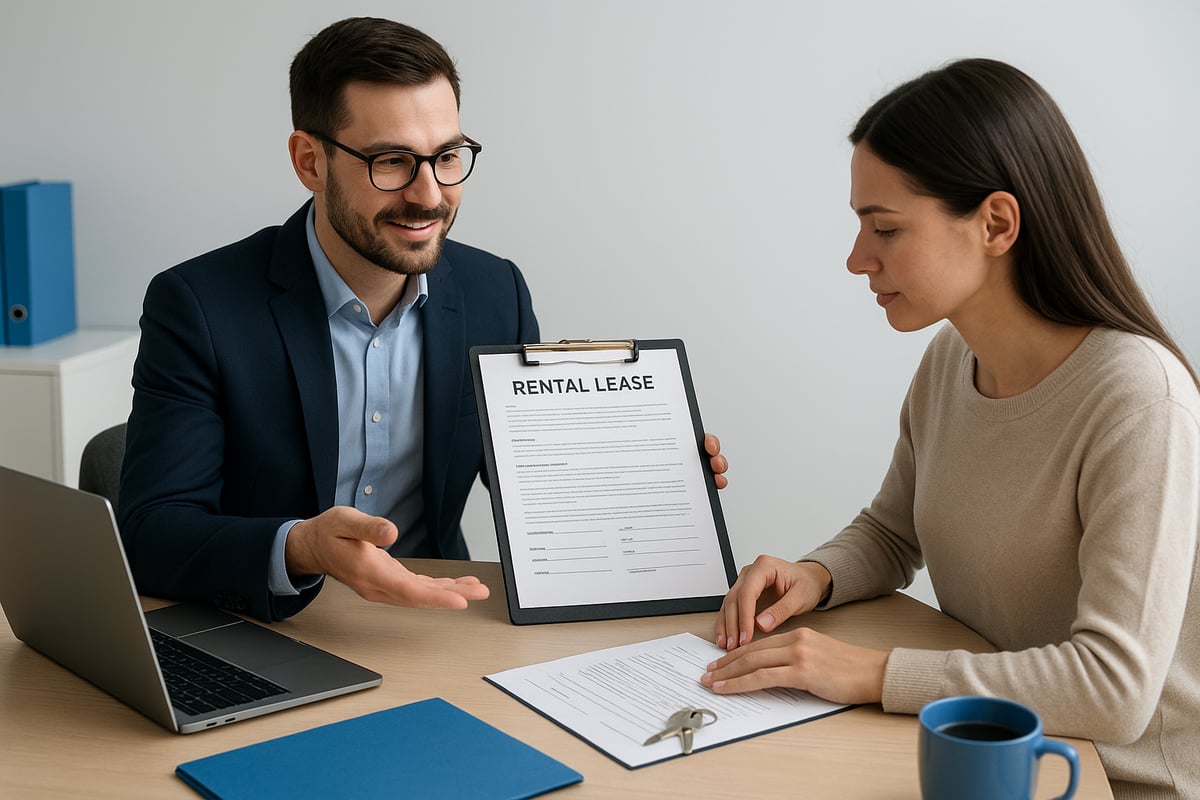
A realtor rental fee is a charge assessed by real estate agents or brokerages when they facilitate rental transactions between landlords and tenants. This fee is compensation for the agent's time, expertise, and resources devoted to connecting renters with suitable properties. Typically, the realtor rental fee can be structured as a flat fee, a percentage of the annual rent, or a fixed monthly rate.
The role of the agent varies. Rental agents work with tenants to identify listings, schedule showings, and guide them through the application process. Listing agents represent landlords, market properties, and coordinate with prospective renters. Property managers, meanwhile, may handle ongoing management but can also charge leasing fees when securing new tenants.
Fee amounts differ by region and property type. In many major cities, the realtor rental fee often equals one month’s rent or 10-15% of the annual rent. For instance, in 2025, average rental agent fees in the United States ranged from $800 to $3,000, depending on market conditions and property value. To learn more about specific fee breakdowns and structures, see this detailed real estate agent rental fees breakdown.
| Fee Type | Typical Amount | Notes |
|---|---|---|
| Flat Fee | $800–$3,000 | Varies by city and property |
| % of Annual Rent | 10–15% | Common in high-demand metros |
| Monthly Rate | 1 month’s rent | Used in some urban markets |
The realtor rental fee is an upfront cost that can influence your total move-in expenses, making it crucial to budget for it early in your rental search.
How Rental Fee Structures Have Evolved
The structure of the realtor rental fee has changed rapidly from 2020 to 2026. Several market trends, such as the rise of digital platforms and self-service listings, have influenced these changes. Renters now have access to online tools that allow them to bypass traditional agents in some cases, placing downward pressure on fees in competitive markets.
Regional differences are also significant. In urban areas like New York and Boston, tenant-paid fees are still common, while suburban or rural markets may see more landlord-paid fees, especially when vacancy rates are high. For example, in New York, tenants are often responsible for a realtor rental fee that matches one month’s rent, whereas in smaller cities, landlords may cover the cost to attract applicants.
Hybrid and a la carte service models are becoming more popular. Some agents now offer basic services for a lower fee, with additional charges for premium marketing or expedited applications. This flexibility allows renters and landlords to negotiate a realtor rental fee structure that matches their needs and budgets.
The increased transparency and competition in the rental market have empowered both renters and landlords to question traditional fee models. Data from 2025 show that the average realtor rental fee has become more negotiable, especially in markets where online listings and virtual tours have reduced the agent's workload. Understanding these evolving trends can help you anticipate what to expect and where you might have room to negotiate.
What Services Are Included in Rental Fees?
The realtor rental fee covers a range of professional services designed to streamline the rental process for both tenants and landlords. These services ensure that properties are marketed effectively and that prospective renters are thoroughly vetted.
Common services included in a typical realtor rental fee:
- Property marketing and listing exposure on major platforms
- Rental price analysis and market comparison
- Scheduling and conducting property showings
- Tenant screening, including credit, background, and employment checks
- Lease negotiation and preparation of paperwork
- Move-in coordination and handling of security deposits
For example, a full-service rental package often includes all of the above, ensuring a seamless experience from listing to lease signing. Some agents may also offer additional services, such as virtual tours or expedited application processing, for an extra fee.
Knowing what is included in the realtor rental fee can help you evaluate whether the cost aligns with the value provided. Make sure to ask for a written breakdown of services before agreeing to any fee, so you are clear on what you are paying for.
Who Pays Realtor Rental Fees? Landlord vs. Tenant
Understanding who pays the realtor rental fee is essential for budgeting and negotiation during your rental search. The responsibility can fall on either the landlord or the tenant, and sometimes both, depending on the market, property type, and local regulations.

Landlord-Paid Commissions
In many markets, landlords cover the realtor rental fee to attract tenants and fill vacancies quickly. This approach is common in areas with higher vacancy rates or where new developments are entering the market. Landlords may view paying the realtor rental fee as an investment in minimizing lost rental income due to prolonged vacancies.
For instance, in slower rental markets or luxury properties, landlords are more likely to offer incentives, including covering the full realtor rental fee. Data from 2025 showed that landlord-paid commissions increased by 15 percent in secondary markets as property owners competed to secure quality tenants.
There are benefits for renters when the landlord pays the realtor rental fee. Renters can access a wider range of properties without additional upfront costs. However, landlords may factor this cost into the rent, potentially resulting in slightly higher monthly payments. Renters should weigh the total cost of renting, factoring in whether the realtor rental fee is absorbed into the lease terms.
Tenant-Paid Fees
In high-demand urban markets, tenants are often responsible for the realtor rental fee. This is especially true in cities like Boston and New York, where exclusive listings and limited inventory drive competition. The typical realtor rental fee in these markets can equal one month’s rent or range between 10 and 15 percent of the annual rent.
Legal considerations are increasingly important. Some states and cities have introduced measures to limit or ban tenant-paid fees. For example, Massachusetts enacted a law in 2025 that eliminates renter-paid broker fees unless the tenant directly hires the broker. To learn more about this shift, see the details in the Massachusetts’ new broker fee law.
For tenants, the primary drawback is the significant upfront cost, which can impact move-in affordability. However, tenant-paid fees can also motivate agents to prioritize the renter’s needs and provide more personalized service. Always request a fee disclosure before signing any agreement to avoid unexpected charges related to the realtor rental fee.
Hybrid and Split Fee Models
Hybrid or split commission models are becoming more prevalent, especially in competitive or rapidly evolving markets. In these arrangements, the realtor rental fee is divided between the landlord and tenant, often based on negotiation, the length of the lease, or the desirability of the property.
For example, in highly sought-after rental buildings, landlords may agree to cover a portion of the realtor rental fee to secure a qualified tenant quickly. Conversely, tenants might offer to pay a share of the fee to strengthen their application in a competitive bidding scenario.
These flexible models can benefit both parties. Landlords can fill vacancies efficiently without bearing the full cost, while tenants may reduce their upfront expenses. However, it is crucial for both sides to clarify the exact terms of the realtor rental fee split in writing to avoid misunderstandings. Understanding these evolving practices ensures renters can make informed decisions and negotiate the best possible terms.
Regional and Legal Differences in Rental Fees
Navigating the regional and legal landscape of realtor rental fee policies can be challenging for renters in 2026. Laws and practices vary widely across the United States and beyond, directly impacting how much renters pay and who is responsible for the fees. Understanding these differences is key to making informed decisions and avoiding unnecessary costs.

State and City Laws Affecting Rental Fees
State and city regulations play a major role in how realtor rental fee structures are determined. Some states have enacted laws that specify whether landlords or tenants must pay these fees. For example, in certain West Coast cities, only landlords are allowed to cover the costs, giving renters more financial protection.
Disclosure requirements are also becoming more common. Agents must clearly outline any realtor rental fee before a lease is signed, ensuring transparency for both parties. In 2025, twelve states introduced new tenant protection laws aimed at reducing unexpected charges. California, for instance, passed a bill that prohibits junk fees and mandates full disclosure of all rental charges. For more on these legislative changes, see the California’s renter protection bill.
Local ordinances may cap the maximum allowable fee or ban tenant-paid fees altogether. Renters should always verify the current laws in their city or state, as policies can shift quickly in response to market trends and advocacy efforts.
Market-Specific Practices
Beyond legal frameworks, local market conditions shape how the realtor rental fee is applied. In large metropolitan areas with high demand, such as New York and Boston, tenant-paid fees remain common, often equaling one month's rent. These markets tend to have more exclusive listings, making it harder for renters to avoid these charges.
In contrast, many Sunbelt cities and growing secondary markets are seeing a rise in no-fee listings. Here, landlords are more likely to pay the realtor rental fee to attract tenants quickly. The balance of supply and demand can shift responsibility for fees, especially when vacancy rates climb or new developments enter the market.
Smaller cities or rural areas may have more flexible practices. Agents and landlords often negotiate fee arrangements based on local norms and the property's desirability. Understanding these market-specific differences can help renters plan their search and budget more effectively.
International Considerations (If Renting as an Expat)
If you are an expat or planning to rent internationally, realtor rental fee structures may differ significantly from those in the US. In Canada, for example, it is more typical for landlords to pay agent commissions, particularly in major urban centers. The UK often relies on a tenant-pays model, but strict regulations cap the amount and require clear disclosure.
Australia combines both approaches, with practices varying by state and city. Some regions favor landlord-paid fees, while others allow agents to split costs between both parties. International renters should research local customs, legal protections, and typical fee amounts before signing a lease abroad.
Comparing global practices can help you anticipate costs and avoid surprises. Always ask for a written breakdown of any realtor rental fee, and consult local resources or expat forums for up-to-date information relevant to your destination.
Pros and Cons of Using a Realtor for Rentals
Choosing whether to work with a real estate agent is a key decision for anyone navigating the rental market. Understanding the pros and cons of paying a realtor rental fee can help you make the most informed choice for your situation.

Benefits for Renters
Using a real estate agent offers renters several important advantages, especially in a competitive market. Working with an agent can provide access to exclusive listings and apartments that are not widely advertised. This insider access is often crucial when desirable properties move quickly.
Agents handle much of the paperwork, ensuring that lease agreements are compliant with current laws. Their expertise in negotiation can help secure better lease terms, such as reduced rent or flexible move-in dates. For busy professionals or those relocating, an agent can streamline the entire process by arranging showings, screening listings, and coordinating with landlords.
A realtor rental fee typically includes these services as part of a comprehensive package. For a detailed breakdown of what is included, see Expert property leasing services explained.
Success stories from 2025 indicate that renters who worked with skilled agents often secured highly sought-after apartments below market price, proving the value of a knowledgeable professional.
Drawbacks and Costs
Despite the benefits, there are downsides to consider. The most obvious drawback is the additional upfront cost if you, as the tenant, are responsible for the realtor rental fee. This fee is often equal to one month’s rent or a percentage of the annual rent, which can significantly increase move-in expenses.
In low-competition markets or when renting directly from an owner, paying a realtor rental fee may not be necessary. Some agents may provide limited attention to renters with lower budgets, making the value of their service less clear in those scenarios.
It is essential to weigh the cost of the realtor rental fee against the services provided. In markets where do-it-yourself searches are effective and listings are plentiful, the added value of an agent may not justify the expense.
When to Use a Realtor vs. Renting Directly
There are situations where hiring an agent is highly beneficial. If you are relocating to a new city, have strict time constraints, or are unfamiliar with local rental laws, the guidance of a professional can make the process smoother and less stressful.
Conversely, if you have strong personal networks, are searching in a low-demand area, or have experience with rental transactions, you might find that renting directly is more cost-effective. In these cases, you can avoid the realtor rental fee and potentially negotiate better terms with the property owner.
Ultimately, the choice comes down to your priorities, market conditions, and comfort level with the rental process. Carefully assess your needs before deciding whether to work with a realtor.
How to Minimize or Avoid Realtor Rental Fees
Navigating the rental market in 2026 requires both strategy and awareness. The realtor rental fee can be a significant part of your upfront costs, but with the right approach, you can lower or even avoid this expense. Below, we break down actionable methods to help you keep more money in your pocket during the rental process.
Negotiating Rental Fees
Negotiation is often the most effective tool for reducing a realtor rental fee. Start by researching standard fees in your target area. This information arms you with data to support your request for a lower rate.
Approach the agent or landlord with a clear understanding of market conditions. If the property has been on the market for a while or if you are moving during the off-season, use this as leverage. Landlords may be more willing to accept a reduced fee to secure a reliable tenant quickly.
Consider offering something in return, such as signing a longer lease or proposing a move-in date that suits the landlord’s needs. Group rentals or multi-year leases can also be compelling reasons for an agent to lower the realtor rental fee.
Always get any agreed fee reduction in writing. Confirm exactly what services are included so there are no surprises later on.
Finding No-Fee and Landlord-Paid Listings
Many renters successfully avoid the realtor rental fee by targeting “no-fee” or landlord-paid listings. These are properties where the landlord covers the cost of the agent’s commission, making it more affordable for tenants.
Use reputable rental platforms that allow you to filter for no-fee apartments. Property management companies often advertise landlord-paid listings directly on their websites. Read each listing carefully to confirm who is responsible for paying the realtor rental fee.
For step-by-step advice on searching for these cost-saving opportunities, check out this guide to finding rental properties. It offers practical tips for navigating the rental market and identifying listings that minimize your upfront costs.
Remember, no-fee listings are more common in competitive markets or when landlords want to fill vacancies quickly.
Expanding Your Search Radius
Expanding your search radius is a proven way to reduce the overall realtor rental fee. Properties in central, high-demand neighborhoods often come with higher fees and stiffer competition. By looking at adjacent or less competitive areas, you may find lower rents and reduced or even waived fees.
Data from recent years shows that renters who broadened their search beyond city centers saved up to 20 percent on both rent and fees. Consider using online mapping tools to compare neighborhoods and identify areas with more favorable terms.
A small shift in location can have a big impact on your budget. Even moving a few miles away from popular hotspots could mean avoiding the realtor rental fee altogether or negotiating a better deal.
Renting Directly from Owners
One of the most effective ways to bypass the realtor rental fee is to rent directly from property owners. Owners advertising their own properties often do not charge a commission, which can result in substantial savings.
Platforms like Craigslist, Facebook Marketplace, and local community forums are common places to find owner-listed rentals. Take extra precautions to verify the legitimacy of listings and the identity of the owner. Always request a written lease and never send money before viewing the property in person.
While renting directly may require more effort and research, it gives you control over the transaction and can eliminate the realtor rental fee. Weigh the time investment against the potential savings to see if this route fits your needs.
Being Prepared to Act Quickly
Preparation is key when trying to minimize or avoid the realtor rental fee. In fast-moving rental markets, having your paperwork ready allows you to secure deals and negotiate fees before other applicants.
Prepare your credit report, employment verification, references, and any necessary identification in advance. This readiness demonstrates to agents and landlords that you are a serious applicant, which can give you leverage to ask for a reduced realtor rental fee.
Some renters have successfully negotiated discounts simply by responding promptly and providing all required documentation upfront. The faster you act, the better your chances of landing a desirable unit with minimal fees.
By following these tips and staying proactive, you can take control of the realtor rental fee and optimize your rental experience in 2026.
Frequently Asked Questions: Realtor Rental Fees in 2026
Renters in 2026 face a complex landscape when it comes to understanding the realtor rental fee. The following frequently asked questions provide practical, expert-backed answers to help you navigate costs, disclosures, and negotiation strategies with confidence.
How much are typical realtor rental fees for rentals in 2026?
The average realtor rental fee in 2026 continues to depend on location, property type, and market demand. In many urban markets, fees typically amount to one month's rent or 10 to 15 percent of the annual lease. According to Zillow’s 2025 renter trends report, fees ranged from $800 in smaller cities to over $3,000 in high-demand metros. Always confirm the current average in your area before committing.
Is it always better to use a realtor or search independently?
Deciding whether to pay a realtor rental fee or search on your own depends on your needs and market conditions. If you are relocating, short on time, or seeking exclusive listings, a realtor can streamline the process and negotiate favorable terms. However, in less competitive markets or with strong personal networks, searching independently may help you avoid fees and secure direct-from-owner deals. Assess your priorities carefully.
Can landlord and tenant negotiate who pays the realtor rental fee?
Yes, it is possible to negotiate the responsibility for the realtor rental fee in many markets. While some cities have established practices—such as tenant-paid fees in New York and Boston—other regions allow for flexibility based on market conditions or your bargaining position. If the rental market is slow or you are signing a longer lease, landlords may be more willing to cover part or all of the fee. Always discuss this upfront and get agreements in writing.
What’s the best way to find a trustworthy rental agent?
A reputable agent is crucial to ensuring you pay a fair realtor rental fee and avoid hidden costs. Start by seeking referrals from friends or colleagues, checking agent licenses, and reading online reviews. Interview potential agents about their experience, fee structure, and knowledge of your target neighborhoods. Choose someone who communicates clearly and provides transparent documentation of all fees and services included.
Are there any hidden costs in rental transactions?
While the realtor rental fee is usually disclosed upfront, always ask about additional charges such as application fees, background checks, or administrative expenses. Some agents or landlords may bundle extra costs into the process, so request a full fee breakdown before proceeding. Review all paperwork for clarity and question anything that seems unclear or excessive. Transparency is key to avoiding surprises at move-in.
How do rental fees differ for furnished vs. unfurnished properties?
Rental fees for furnished apartments are often higher due to increased property value and shorter lease terms. In some markets, the realtor rental fee may be calculated as a higher percentage of the total rent for furnished units. Always clarify if the fee structure changes based on the type of rental, and compare options to ensure you are getting value for the services provided.
What protections do renters have regarding fee disclosures?
In 2026, more states require agents and landlords to provide clear, written disclosure of all fees before lease signing. For example, Virginia’s new rental fee laws mandate full transparency and advance notice for any charges. Always request written documentation of the realtor rental fee and related costs, and consult local regulations to understand your rights as a renter.
Avoiding Common Pitfalls and Red Flags When Dealing with Rental Agents
Navigating the world of realtor rental fee agreements in 2026 can be challenging, especially with evolving market practices. By staying alert to common pitfalls and learning to recognize red flags, you can protect your interests and ensure a transparent, fair rental process.
Spotting Unreasonable Fees
Watch for signs that a realtor rental fee is excessive or not in line with market standards. If a fee is much higher than one month's rent or seems disproportionate to the property's value, ask for justification. In 2025, some markets reported fee gouging, particularly in high-demand neighborhoods. Always compare fees with published averages for your city.
Ask other renters or consult online forums to see what is typical. If an agent is vague about the realtor rental fee or pressures you to pay upfront, consider it a warning sign. Transparency is key, so request a written breakdown before moving forward.
Understanding What’s Included in the Fee
A legitimate realtor rental fee should cover a comprehensive set of services. Make sure you receive a detailed checklist, including property marketing, showings, tenant screening, and lease paperwork. Do not pay for duplicate services or anything not clearly explained.
Before agreeing, get a written breakdown of all services included in your fee. For more insight, review resources like Understanding property management costs, which explains typical fee structures and what they should encompass.
Protecting Yourself from Scams
To avoid rental scams, verify that your agent is licensed and works for a reputable brokerage. Never send a realtor rental fee or deposit before viewing the property in person or signing a proper lease. Be cautious if the agent refuses to provide documentation or uses vague contracts.
Common scam red flags include:
- Requests for cash only
- No physical office address
- High-pressure tactics to rush your decision
Always trust your instincts if something feels off.
Legal Recourse and Dispute Resolution
If you feel overcharged or misled about a realtor rental fee, take action promptly. Start by documenting all communication and agreements. Contact your local real estate board, consumer protection agency, or state housing authority for guidance.
Many renters in 2025 successfully resolved disputes by presenting clear evidence and written agreements. Knowing your rights and the correct channels can help you recover unfair charges or prevent future issues.
Tips for a Smooth Rental Experience
Maintain open, professional communication with your agent and landlord at all times. Keep records of every document, email, and payment related to the realtor rental fee. If problems arise, escalate them through official channels, and never hesitate to seek legal advice if you feel your rights are at risk.
By staying vigilant and informed, you can navigate the rental process with confidence and avoid unnecessary financial pitfalls.
After exploring the ins and outs of realtor rental fees in 2026, you now have the knowledge to make more informed, cost-effective decisions as a renter. But sometimes, partnering with a trusted expert can help you avoid common pitfalls and secure the best deal possible. With over 40 years of experience in the Greater New Orleans area, Coxe Property Management and Leasing understands the complexities of the rental market and is dedicated to delivering personalized, hassle-free solutions. If you’re ready to take the next step or just want a clearer idea of your options, Get Your Free Quote Today!