

In 2026, property owners are navigating a landscape shaped by new regulations, rising expenses, and shifting tenant demands. The need for effective property services maintenance has never been greater, as it safeguards property value, keeps tenants satisfied, and reduces unexpected repair costs.
This article delivers 8 essential property services maintenance tips tailored for the year ahead, covering everything from seasonal planning to technology and sustainability. Discover practical steps that can help you save money, protect your investment, and stay ahead in a competitive market.
Why Property Services Maintenance Matters in 2026
In 2026, property owners must navigate a rapidly changing landscape where the stakes for property services maintenance have never been higher. The industry has grown significantly, with IBISWorld reporting the U.S. property maintenance sector reaching $136.9 billion, a 1.9% increase year-over-year. This growth reflects rising expectations, inflation, and the need for proactive care to protect property investments.
The Rising Cost of Deferred Maintenance
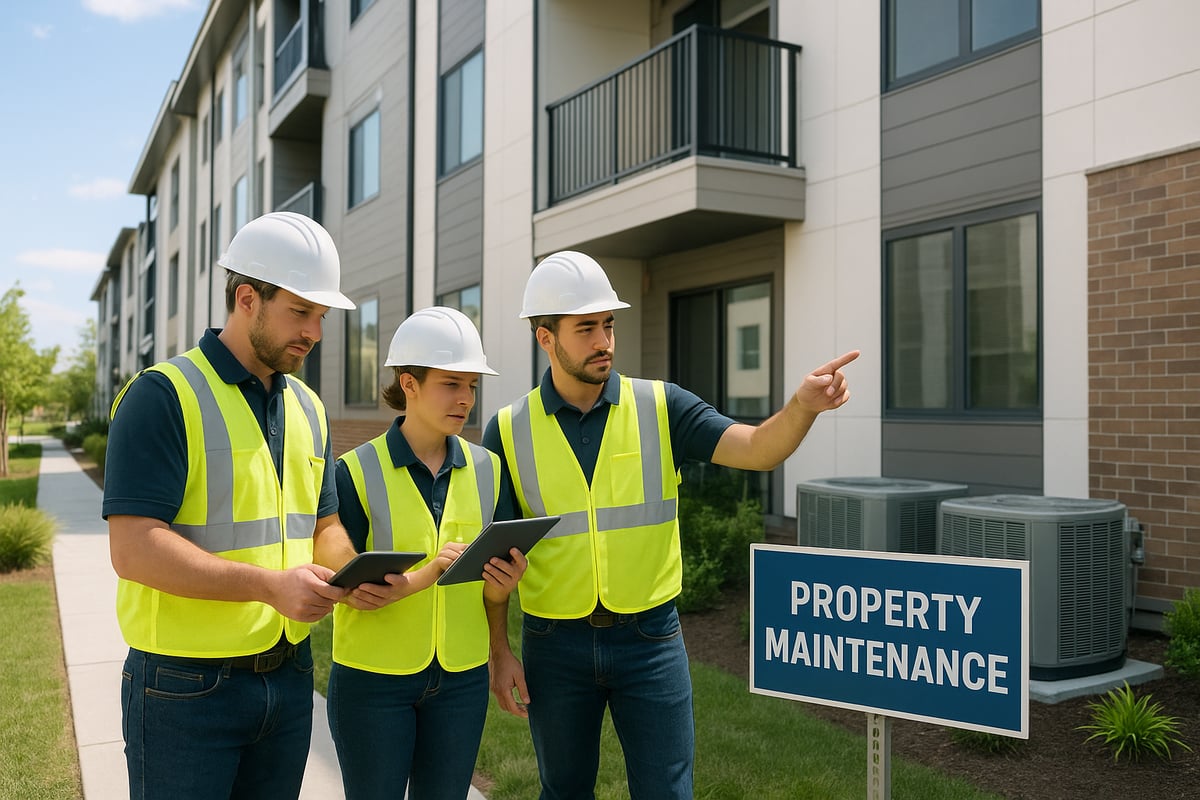
Deferred maintenance is more expensive than ever. Inflation and ongoing supply chain disruptions have pushed up the costs of materials and labor. What starts as a minor leak or a small roof issue can quickly escalate into major repairs, costing property owners thousands. Proactive property services maintenance helps prevent these small problems from growing, saving money and stress in the long run.
Evolving Tenant Expectations and Regulations
Tenants today demand prompt repairs and preventive care. Comfort and safety are top priorities, and new regulations are raising the bar for property owners. In many regions, updated rules for HVAC efficiency, fire safety, and energy standards now carry legal liabilities for non-compliance. Keeping up with property services maintenance is essential to meet these evolving requirements and avoid costly penalties.
The Competitive Edge of Well-Maintained Properties
Well-maintained properties consistently attract and retain higher quality tenants. Property services maintenance directly impacts both rental rates and overall property value. Industry benchmarks show that properties with a proactive approach enjoy up to 35% higher revenue compared to those relying on reactive repairs. This competitive edge can be the difference between high turnover and long-term stability.
Preventive Maintenance vs. Reactive Repairs
Preventive maintenance is a cost-effective strategy compared to emergency fixes. For example, scheduling regular HVAC servicing is far less expensive than dealing with a complete system failure in peak season. Investing in a structured property services maintenance plan reduces the frequency and scale of unexpected breakdowns, helping owners control expenses and maintain a reliable service standard.
Data-Driven Maintenance: The 2026 Trend
Property managers are increasingly turning to software and analytics to optimize property services maintenance. These digital tools track work orders, monitor job duration, and analyze profit margins. Leading managers use data to identify trends and predict future needs, resulting in more efficient operations, improved customer retention, and smarter budgeting.
Common Property Types and Unique Maintenance Needs
Each property type presents unique maintenance challenges. Single-family homes may require less frequent attention, while multifamily and commercial properties involve complex systems like shared HVAC, plumbing, and security. Customizing property services maintenance plans for each asset type ensures that critical systems receive the attention they need, reducing risk and maximizing performance.
The Role of Professional Property Management
Deciding when to handle tasks in-house and when to hire professionals is crucial. Experienced teams bring expertise, efficiency, and compliance knowledge that can be difficult to match alone. For a comprehensive overview of how professional property services maintenance can safeguard your investment, explore the Property Maintenance Services Overview. Partnering with skilled providers ensures every aspect of your property is managed to the highest standards.
8 Essential Property Services Maintenance Tips for 2026
Staying ahead in property services maintenance is crucial for success in 2026. With new regulations, increasing costs, and tech-driven solutions, property owners must be proactive in caring for their assets. The following eight tips provide actionable steps to protect value, minimize risks, and keep tenants satisfied.
1. Schedule Seasonal Inspections and Maintenance
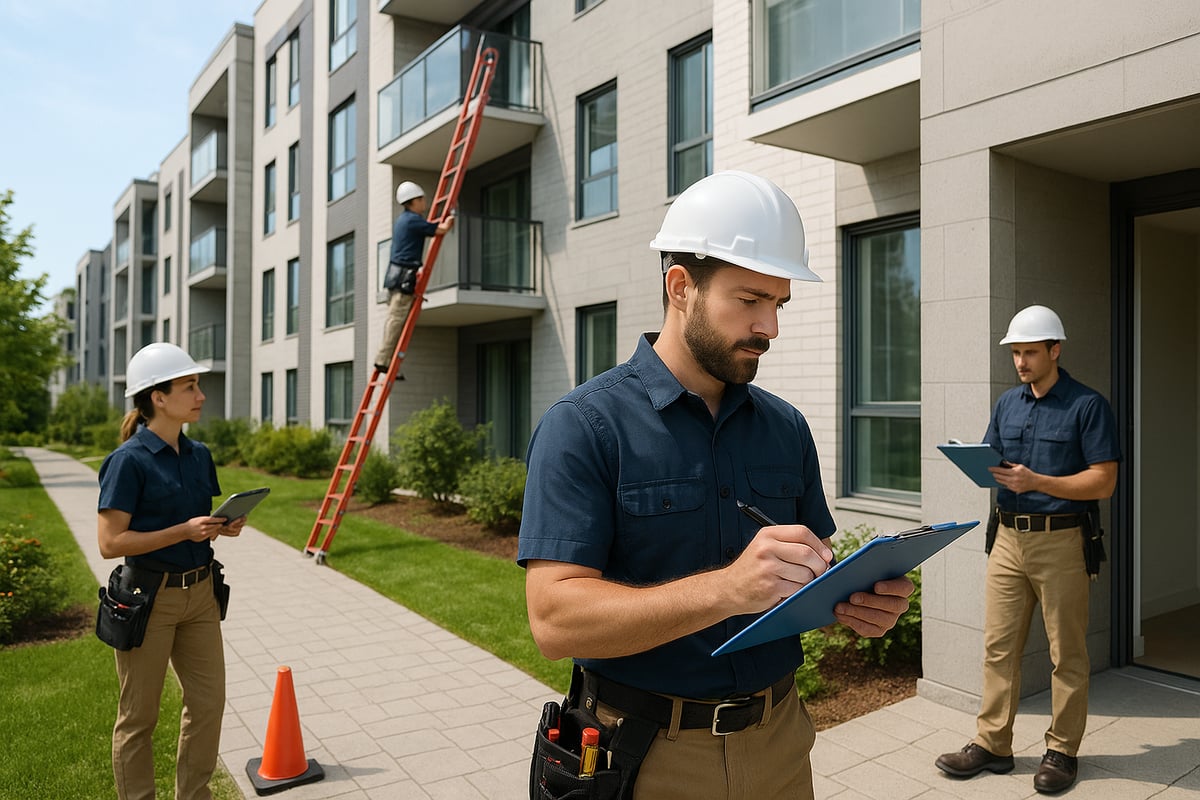
Routine seasonal inspections are the backbone of effective property services maintenance. Spring and fall checkups help identify issues before they escalate, ensuring systems run smoothly year-round.
Key areas to inspect include:
- HVAC systems before summer and winter
- Roofing and gutters for leaks or debris
- Plumbing for signs of wear or small leaks
- Exteriors for weather damage and pest entry points
Properties using seasonal checklists experience fewer emergency repairs. For example, a scheduled HVAC inspection can prevent costly breakdowns during peak seasons. Digital reminders or facility management software make scheduling seamless. Customize your approach based on property type and local climate. Engage professional contractors for complex systems to ensure safety and compliance.
Regular seasonal checks keep property services maintenance efficient and cost-effective. Adopting this strategy reduces disruptions and extends the lifespan of critical assets.
2. Prioritize Preventive Maintenance Over Reactive Repairs
Preventive maintenance is a proactive approach to property services maintenance. By addressing small issues early, you avoid expensive emergency repairs and downtime.
Consider these preventive steps:
- Replace air filters on a set schedule
- Check for leaks in plumbing fixtures
- Test electrical outlets and panels regularly
Long-term, this method saves money and reduces tenant complaints. Multifamily properties with preventive plans report higher retention rates. Maintenance logs help track recurring problems and inform future decisions.
Educate tenants on the importance of early issue reporting. Implement a calendar for routine tasks to stay organized. For a deeper dive into how preventive strategies protect your investment, see Preventive Maintenance Benefits.
Making preventive care a core part of property services maintenance creates a safer, more reliable environment, benefiting both owners and occupants.
3. Leverage Technology and Automation
Modern property services maintenance relies on technology to streamline operations. Maintenance software helps schedule tasks, issue reminders, and document completed work.
Benefits of automation include:
- Faster response times to maintenance requests
- Reduced paperwork and manual tracking
- Improved record-keeping for compliance
Automated work order systems make communication efficient. Many properties now use computerized maintenance management systems (CMMS) or mobile apps for real-time updates. Analytics from these tools identify trends and guide budgeting.
Training staff on digital platforms ensures everyone can use these systems effectively. Embracing technology in property services maintenance enhances productivity and overall property performance.
4. Focus on Energy Efficiency and Sustainability
Energy-efficient upgrades are a wise investment for property services maintenance. Modern appliances, LED lighting, and high-efficiency HVAC systems reduce utility costs and appeal to eco-conscious tenants.
Steps to boost energy performance:
- Conduct regular energy audits
- Seal windows and doors to prevent drafts
- Add insulation in attics and walls
Properties with green features often report higher tenant satisfaction. Explore incentives or rebates for energy upgrades to stretch your budget further. Implement recycling programs and water-saving fixtures to meet local sustainability requirements.
Staying current with sustainability trends keeps your property services maintenance strategy future-ready and compliant with evolving standards.
5. Implement Comprehensive Safety and Compliance Checks
Safety is a non-negotiable part of property services maintenance. Regular checks prevent hazards and ensure compliance with local laws.
Key compliance checks include:
- Testing smoke alarms and carbon monoxide detectors
- Inspecting fire extinguishers and emergency lighting
- Reviewing electrical systems and elevator functionality
Keep thorough documentation for all inspections and repairs. Address Americans with Disabilities Act (ADA) requirements and local codes to avoid legal pitfalls. Schedule annual professional safety audits for peace of mind.
By prioritizing safety in property services maintenance, you lower risks, reduce insurance premiums, and create a secure living or working environment.
6. Maintain Curb Appeal and Common Areas
First impressions matter in property services maintenance. Well-kept exteriors and common spaces attract quality tenants and boost property value.
Ongoing curb appeal tasks:
- Landscaping and lawn care
- Power washing sidewalks and building exteriors
- Updating lighting and repairing signage
Properties with strong curb appeal lease faster and retain tenants longer. Inspect parking lots and walkways regularly for damage or debris. Quickly address graffiti, litter, and minor exterior repairs.
Budgeting for regular updates ensures your property services maintenance plan stays consistent and impactful.
7. Engage Tenants in the Maintenance Process
Tenant engagement is a key driver of successful property services maintenance. Encouraging tenants to report issues early helps prevent small problems from becoming major repairs.
Effective engagement strategies:
- Offer digital portals or mobile apps for easy communication
- Respond quickly to maintenance requests
- Provide seasonal tips and reminders to tenants
High tenant engagement leads to longer lease renewals and better relationships. Conduct regular surveys to identify concerns or areas for improvement. Recognize tenants who participate proactively in maintenance.
Involving tenants in property services maintenance builds trust and creates a positive community atmosphere.
8. Plan for Emergencies and Unexpected Repairs
Preparation is vital in property services maintenance. Emergencies can happen at any time, so having a plan reduces downtime and limits damage.
Essential emergency planning steps:
- Develop and share a clear emergency response plan
- Maintain a list of approved contractors for urgent repairs
- Stock essential supplies and tools on-site
Train both staff and tenants on emergency procedures. Review and update your plan annually to reflect any changes in regulations or property needs.
A robust emergency plan ensures your property services maintenance approach is resilient, allowing for quick recovery from unexpected events.
Key Maintenance Areas to Watch in 2026
Staying ahead of property services maintenance in 2026 is crucial for safeguarding property value and tenant satisfaction. Focusing on the right maintenance areas ensures risks are minimized and assets remain competitive. Below are the key categories every property owner and manager should prioritize.
Interior Systems and Appliances
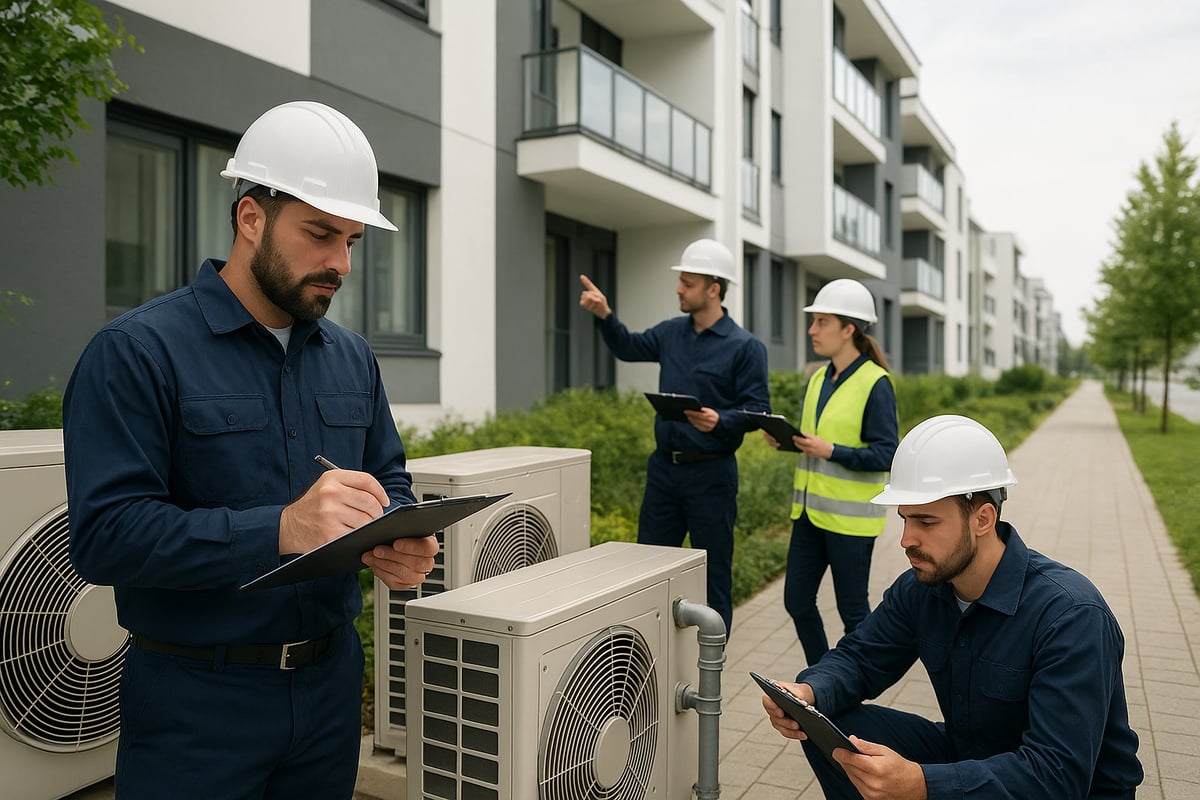
Routine attention to interior systems is a cornerstone of effective property services maintenance. HVAC units, plumbing, and electrical systems require scheduled inspections to prevent breakdowns and ensure efficiency. Appliances such as refrigerators, dishwashers, and laundry machines must be cleaned and serviced regularly, especially in multifamily properties where shared systems face heavier use.
For example, annual dryer vent cleaning reduces fire hazards and prolongs equipment life. Using comprehensive checklists and leveraging Property Inspections for Preventive Care ensures nothing is missed and potential issues are addressed early.
Exterior and Grounds
Exterior upkeep is another vital element of property services maintenance. Roofs, gutters, siding, and windows endure seasonal weather and can develop leaks or structural problems if neglected. Landscaping, outdoor lighting, and equipment like irrigation systems also require consistent care.
Regular biannual roof inspections and tree trimming help prevent storm damage. Addressing minor exterior repairs promptly preserves curb appeal and protects the building envelope. Well-maintained grounds also create a positive first impression for tenants and visitors.
Health and Safety Systems
Property services maintenance is not complete without diligent oversight of health and safety systems. Fire alarms, extinguishers, emergency lighting, and security controls all need routine testing and documentation. In multifamily or commercial buildings, these checks must be more frequent due to high occupancy.
For instance, quarterly alarm tests and annual reviews of safety equipment help meet insurance and legal requirements. Keeping detailed records of all inspections and repairs supports compliance and demonstrates a commitment to tenant safety.
Water Management and Leak Prevention
Managing water systems is a top priority in property services maintenance. Plumbing, foundations, and roofing should be inspected for leaks or moisture intrusion each quarter. Early detection can prevent extensive water damage and costly repairs.
Moisture sensors and smart leak detectors provide real-time alerts, allowing rapid response to emerging problems. Regular review of plumbing and drainage systems ensures water is flowing properly and reduces the risk of mold or structural issues.
Pest Control and Environmental Hazards
Effective pest control is an essential aspect of property services maintenance. Scheduling professional inspections and maintaining contracts helps prevent infestations, particularly in multifamily environments. Mold and air quality monitoring are also critical, especially in humid climates where these risks are elevated.
Quarterly pest control treatments and routine air quality checks keep properties healthy and tenants comfortable. Proactive management of environmental hazards reduces complaints and supports long-term asset value.
Building a Maintenance Strategy for the Future
Creating a future-ready property services maintenance strategy means embracing technology, training, financial planning, and regulatory awareness. As demands shift and the industry evolves, a strategic approach ensures your property remains competitive, compliant, and resilient.
Data-Driven Decision Making
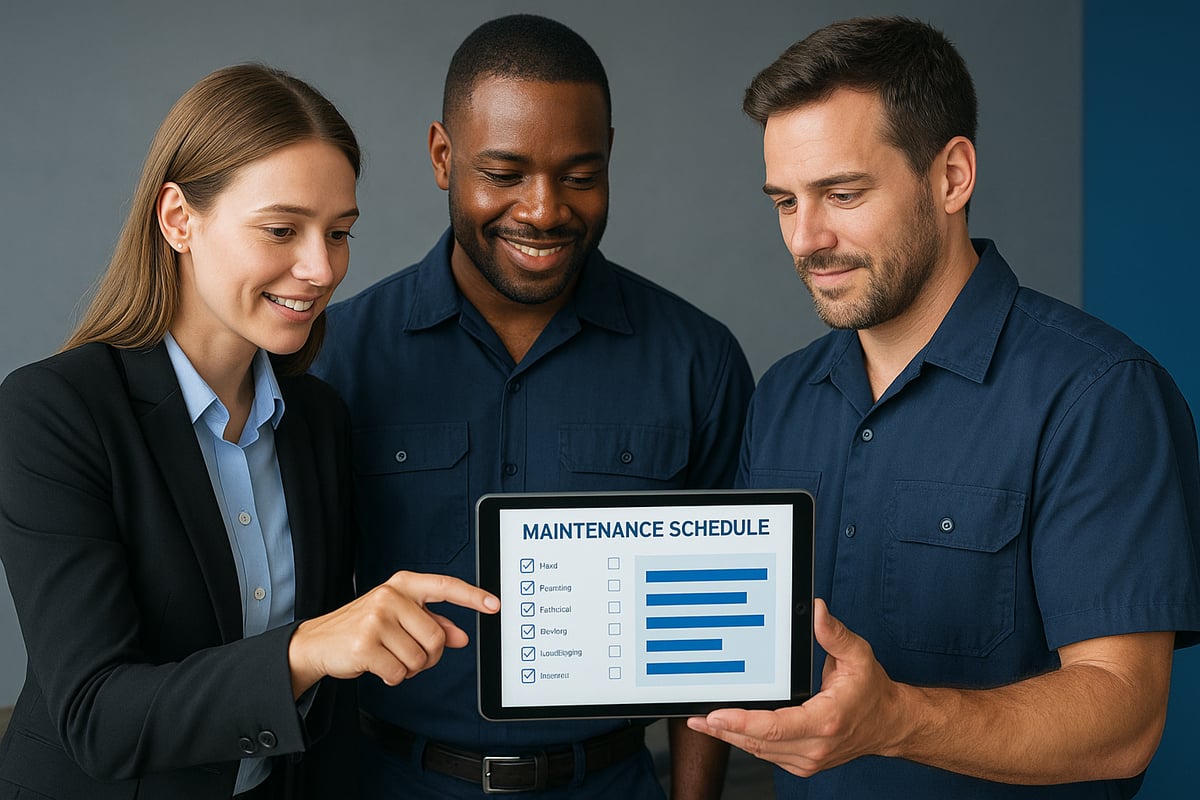
Modern property services maintenance relies on data to optimize performance and forecast needs. By analyzing repair histories and tracking maintenance costs, property owners can anticipate issues and schedule upgrades before problems grow. Using advanced software and analytics tools helps identify trends, allowing for smarter capital improvement planning. This approach supports accurate budgeting and minimizes unexpected disruptions, keeping your property running smoothly.
Staff Training and Vendor Management
A robust property services maintenance strategy demands consistent staff training. Equip your team with skills in new technologies, safety protocols, and customer service. Partner with reliable contractors and vendors who understand your property's unique needs. Regularly review vendor performance to ensure high standards. Well-trained teams and trusted partners reduce downtime, improve repairs, and build a reputation for quality.
Budgeting for Maintenance in 2026
Smart budgeting is essential for property services maintenance success. Allocate funds for preventive care, emergency repairs, and system upgrades. Factor in inflation and supply chain fluctuations to avoid financial surprises. For a deeper understanding of maintenance budgeting and cost-saving strategies, see The Cost of Property Management Explained. Set aside contingency reserves to handle unexpected issues and ensure long-term asset protection.
Communication and Documentation
Clear communication and thorough documentation are pillars of effective property services maintenance. Use digital platforms to keep detailed records of all maintenance tasks, inspections, and repairs. Share updates with tenants, staff, and stakeholders to foster transparency and trust. Organized documentation streamlines compliance, supports insurance claims, and makes it easier to track historical trends.
Adapting to Regulatory and Market Changes
Stay proactive by monitoring new regulations and industry trends that impact property services maintenance. Adjust your strategy as laws evolve, especially regarding energy efficiency and safety standards. Leveraging market research, such as the insights found in Property Maintenance Market Growth, helps you anticipate changes and maintain a competitive edge. Continuous adaptation ensures ongoing compliance and prepares your property for future challenges.
Maintenance Success Stories and Industry Insights
Property services maintenance is not just a checklist, it is a strategic investment that delivers measurable results for property owners. Examining real-world examples, industry benchmarks, and expert insights reveals how a proactive approach transforms both performance and profitability.
Real-World Examples of Maintenance Best Practices
Proactive property services maintenance consistently leads to positive outcomes. One multifamily complex implemented a scheduled preventive maintenance program and reduced emergency repairs by 40 percent within a year. This approach not only saved money but also improved tenant satisfaction and retention.
In contrast, properties that neglected routine care faced rising repair costs and tenant complaints. Lessons from these cases highlight the importance of addressing small issues before they escalate. As detailed in Preventive Maintenance Importance, focusing on preventive strategies supports long-term asset protection and cost control.
Industry Benchmarks and Performance Metrics
Industry data reinforces the value of organized property services maintenance. According to Housecall Pro, properties with systematic maintenance programs report up to 35 percent higher revenue. MRI Software finds that using facility management software streamlines compliance, scheduling, and documentation.
Key metrics that property managers track include job duration, profit margins, and tenant retention rates. The Building Maintenance Services Market report projects continued growth and innovation in the sector, signaling the importance of data-driven decision-making for competitive advantage.
| Metric | Well-Maintained | Deferred Maintenance |
|---|---|---|
| Job Duration | Shorter | Longer |
| Profit Margins | Higher | Lower |
| Tenant Retention | Strong | Weak |
Expert Recommendations for 2026
Experts agree that property services maintenance success in 2026 hinges on adaptability and technology adoption. Leading property managers recommend investing in digital maintenance tools, providing ongoing staff training, and prioritizing clear communication with tenants.
Continuous improvement is key. Regularly review maintenance data, update processes based on industry trends, and stay informed about regulatory changes. By embracing these strategies, property owners can protect value, enhance tenant experiences, and ensure long-term operational success.
As you look ahead to 2026, staying proactive with your property maintenance strategy is more important than ever. The right approach not only preserves your investment and keeps tenants happy, but also helps you navigate changing regulations and rising costs with confidence. At Coxe Property Management and Leasing, we bring over 40 years of expertise to every property, focusing on personalized solutions and hassle-free ownership. If you’re ready to protect your property’s value and streamline maintenance with a trusted local team, Get Your Free Quote Today!