

The apartment rental market is changing faster than ever, and 2026 is shaping up to be a pivotal year for anyone in the industry. Whether you are new or seasoned, understanding what it takes to be a successful leasing agent for apartments is crucial.
This guide is designed to empower you with practical insights and expert strategies tailored for today’s dynamic environment. You will discover up-to-date legal requirements, essential skills, and the latest marketing and technology trends.
Learn how to communicate effectively with tenants, stay compliant, and future-proof your career. Ready to thrive? Let’s dive into the tools and tactics you need to succeed as the market evolves.
The Evolving Role of Leasing Agents in 2026
The leasing agent for apartments profession is transforming rapidly as we approach 2026. Today’s market requires agents to blend traditional skills with a modern, tech-forward approach. Success now depends on adapting to new responsibilities, overcoming emerging challenges, and leveraging growth opportunities within a shifting economic landscape.

Key Responsibilities and Daily Tasks for Modern Leasing Agents
The core duties of a leasing agent for apartments still include showing units, qualifying tenants, preparing leases, and coordinating move-ins. However, the role has expanded significantly.
Modern agents now engage in data analysis, digital marketing, and customer relationship management. They regularly use virtual tours and AI-driven tools to enhance the leasing process and meet rising renter expectations. For a detailed breakdown of these evolving responsibilities, visit the Leasing agent responsibilities page.
Industry data shows that 68% of renters expect digital leasing options by 2026. This shift means agents must be comfortable with technology and proactive in adopting new solutions to remain competitive.
New Challenges in the Apartment Leasing Landscape
The apartment leasing environment is more competitive than ever. Online platforms and self-leasing technologies are challenging the traditional role of the leasing agent for apartments.
Tenants now demand greater convenience and transparency, expecting instant information and seamless digital transactions. Remote and hybrid work trends have also changed rental preferences, with more prospects seeking flexible lease terms and pet-friendly policies.
For example, agents must be prepared to answer detailed questions about remote work amenities and adapt to evolving tenant needs quickly.
Opportunities for Career Growth and Specialization
Despite new challenges, there are expanding opportunities for a leasing agent for apartments to grow and specialize. Niche markets such as luxury apartments, green buildings, and short-term rentals are seeing increased demand.
Upskilling is essential. Agents can pursue certifications in fair housing, digital marketing, and property management to boost their expertise. Those specializing in eco-friendly apartments, for instance, are experiencing higher demand as sustainability becomes a priority for renters.
By focusing on specialized knowledge, agents can stand out and command higher value in the marketplace.
The Impact of Economic and Demographic Shifts
Economic shifts and changing demographics are reshaping the leasing agent for apartments role. Gen Z and Millennial renters are driving demand for tech-enabled, flexible leasing experiences.
Economic uncertainty is influencing rental affordability, leading to higher turnover rates and more cautious tenants. Urban rental demand is expected to grow by 12% by 2026, according to the Urban Land Institute.
Leasing agents who stay informed and agile will be best positioned to thrive as the market continues to evolve.
Step-by-Step Guide: The Apartment Leasing Process in 2026
Navigating the modern leasing process requires more than just showing apartments. In 2026, a leasing agent for apartments must master new technologies, adapt to evolving tenant needs, and follow a precise, results-driven process. Below is a step-by-step guide that empowers you to succeed in the current landscape.
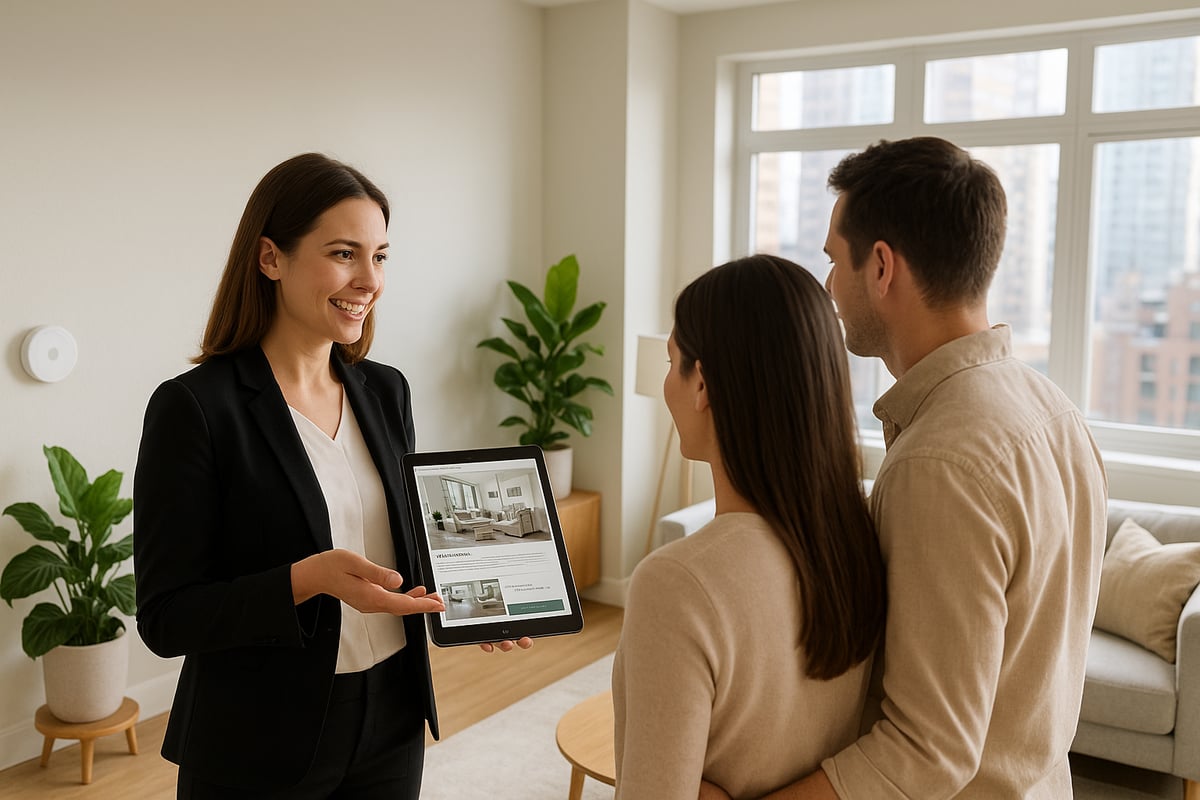
Step 1: Market Research and Apartment Preparation
A leasing agent for apartments begins by analyzing local rental data to set competitive pricing. Study neighborhood trends, vacancy rates, and comparable listings. This research ensures your units attract the right tenants without leaving money on the table.
Preparation is equally crucial. Stage each apartment with modern furnishings and maintain spotless common areas. Address all maintenance issues before showings to make a strong first impression. Smart home upgrades, such as keyless entry or energy-efficient thermostats, appeal to tech-savvy renters and can help units stand out.
Consider using a table to track key market data:
| Metric | Value |
|---|---|
| Avg. Rent Price | $1,850 |
| Vacancy Rate | 4.2% |
| Competing Listings | 25 |
A leasing agent for apartments who prepares thoroughly creates a foundation for faster, more successful leasing outcomes.
Step 2: Effective Apartment Marketing Strategies
To reach today’s renters, a leasing agent for apartments must leverage powerful digital marketing tactics. Use social media, top rental listing sites, and 3D virtual tours to maximize exposure. Craft compelling property descriptions and invest in professional photography and video tours, as listings with video receive 52% more inquiries.
For advanced techniques, consider reviewing property marketing strategies that deliver measurable results for apartment communities.
Key marketing actions include:
- Publishing listings on multiple platforms simultaneously
- Running targeted ads for your ideal renter profile
- Scheduling virtual open houses to boost engagement
A leasing agent for apartments who invests in digital marketing attracts more qualified leads and reduces vacancy periods.
Step 3: Tenant Lead Generation and Screening
Generating and qualifying leads is a core function for any leasing agent for apartments. Start by using CRM tools to capture inquiries and automate follow-ups, ensuring no prospect falls through the cracks.
Effective screening involves checking credit, verifying employment, and reviewing rental history. Integrate AI-powered screening solutions to speed up decisions and minimize bias, all while complying with fair housing laws.
Best practices:
- Always obtain written consent before background checks
- Use standardized criteria for every applicant
- Document all screening outcomes
A leasing agent for apartments who prioritizes thorough, compliant screening protects both property owners and future tenants.
Step 4: Apartment Showings and Virtual Tours
Flexibility is key for a leasing agent for apartments in 2026. Offer both in-person and virtual showings to accommodate prospective tenants’ preferences. Virtual tours are especially popular, with 80% of renters preferring to view apartments online before scheduling a visit.
During showings:
- Highlight unique features and recent upgrades
- Answer questions transparently and promptly
- Provide digital brochures or instant follow-up emails
A leasing agent for apartments who excels at virtual presentations can reach a wider audience and streamline the leasing timeline.
Step 5: Lease Negotiation and Signing
When a tenant is ready to move forward, a leasing agent for apartments must guide them through lease negotiation and signing. Discuss lease terms, rent incentives, and move-in specials clearly, ensuring transparency at every stage.
Utilize digital signing platforms to speed up the process and reduce paperwork. Always verify that lease agreements comply with local laws, including all required disclosures.
Tips for smooth lease signing:
- Offer flexible lease terms if possible
- Provide a clear summary of fees and policies
- Confirm understanding before finalizing
A leasing agent for apartments who manages negotiations professionally builds trust and reduces the risk of lease disputes.
Step 6: Move-In Coordination and Tenant Onboarding
The final step is seamless move-in coordination. A leasing agent for apartments schedules inspections, confirms move-in dates, and handles key transfers efficiently.
Enhance the onboarding experience by sending automated welcome emails and providing detailed move-in packets. Set expectations for communication and maintenance requests from day one.
Consider these onboarding essentials:
- Checklist for move-in tasks
- Contact info for emergency maintenance
- Introduction to community amenities
A leasing agent for apartments who delivers a smooth onboarding process increases tenant satisfaction and retention from the very beginning.
Legal Compliance and Regulatory Updates for Leasing Agents
Staying compliant is critical for every leasing agent for apartments as the legal landscape evolves. In 2026, new regulations and heightened enforcement mean agents must keep current to avoid costly mistakes. Understanding the latest legal requirements is essential for protecting both your clients and your own career.
Fair Housing Laws and Anti-Discrimination Updates
Every leasing agent for apartments must thoroughly understand fair housing laws. In 2026, federal, state, and local regulations have expanded to include new protected classes, such as source of income and veteran status. Agents must also ensure properties meet updated accessibility standards for those with disabilities.
Recent court rulings have changed how rental qualifications are applied. For example, blanket bans on applicants with certain criminal histories are now restricted. It is crucial to use objective, consistent screening criteria. Many agents rely on third-party services for thorough, compliant screening—see this Tenant screening services overview for best practices.
Maintaining transparency and documenting every applicant interaction helps demonstrate compliance. Training on implicit bias and regular policy reviews are now industry standards for a leasing agent for apartments.
Lease Agreements and Disclosure Requirements
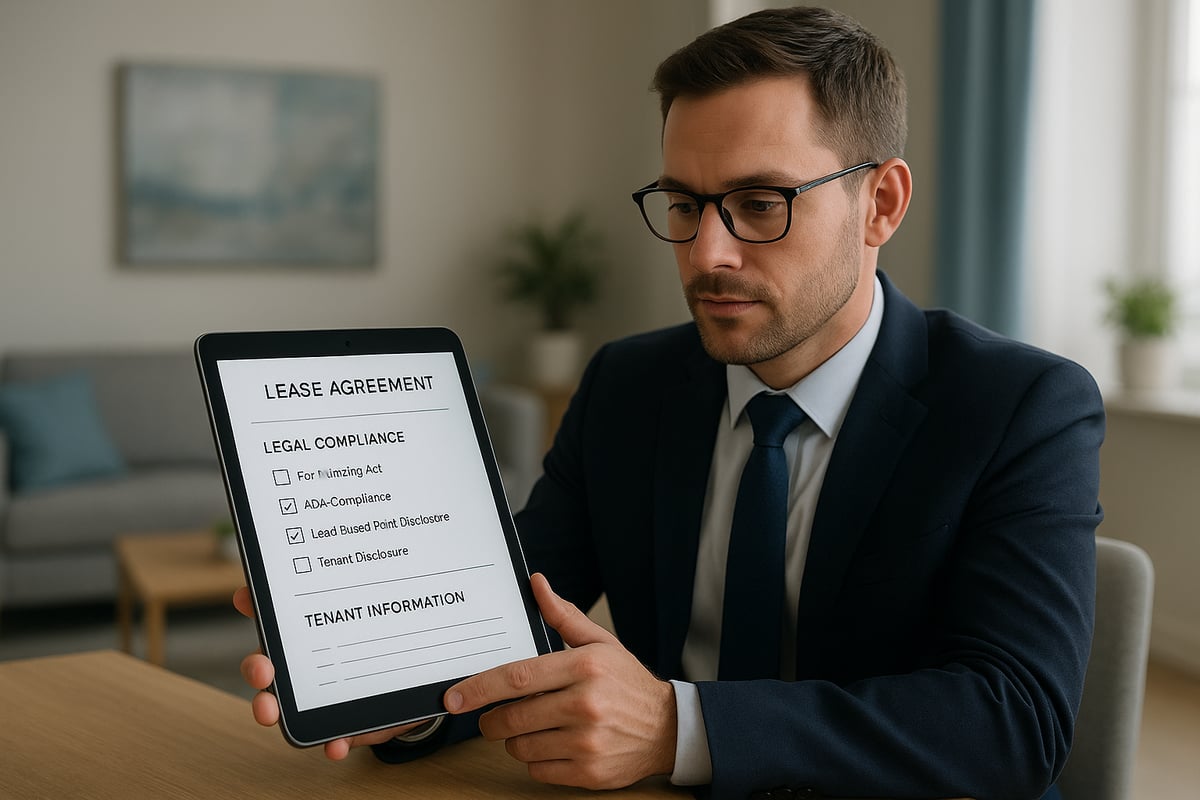
A leasing agent for apartments must ensure all lease agreements adhere to current laws. By 2026, electronic signatures are widely accepted, with 92% of leases signed digitally. Agents must also provide mandatory disclosures, including lead paint, mold, and security deposit information.
State-specific addenda are often required, covering local ordinances or rent control measures. Staying updated on electronic signature laws is essential, as some states have introduced additional authentication steps.
Agents should use a standardized checklist for lease documents to avoid missing any required disclosures. Keeping clear, organized digital records of every lease signed will protect both the leasing agent for apartments and their clients in case of disputes.
Eviction Policies and Tenant Rights in 2026
Eviction policies have shifted significantly. A leasing agent for apartments must now navigate changes to eviction moratoriums, extended notice periods, and tenant protections. Many cities have introduced “right to counsel” programs, giving tenants legal representation during eviction proceedings.
Alternative dispute resolution and mediation services are increasingly used to resolve conflicts before they reach court. Agents need to be familiar with these options and communicate them to tenants as part of the leasing process.
Understanding local and federal protections ensures a leasing agent for apartments stays compliant and avoids costly legal challenges. Regular training in eviction law and tenant rights is now considered a best practice in the industry.
Recordkeeping and Data Privacy Obligations
With the rise of digital leasing, a leasing agent for apartments must prioritize secure recordkeeping and data privacy. Regulations like the CCPA and GDPR have influenced new U.S. standards, requiring encrypted storage and strict access controls for tenant data.
Best practices include using password-protected systems, multi-factor authentication, and regular audits of data access. Agents must also provide clear privacy notices to tenants, explaining how their information is used and stored.
By following these protocols, a leasing agent for apartments not only complies with the law but also builds trust with clients and tenants. Staying proactive with digital security measures is essential in a rapidly changing regulatory environment.
Technology and Tools Transforming Apartment Leasing
Staying ahead in the competitive world as a leasing agent for apartments requires embracing the latest technology. The tools available in 2026 are redefining how agents interact with prospects, manage properties, and streamline their daily operations.

Essential Leasing Agent Software and Platforms
Modern leasing agent for apartments roles demand robust software solutions. Leading CRM and property management systems like AppFolio and Buildium help agents track leads, manage leases, and automate billing. These platforms integrate virtual tour capabilities, enabling agents to showcase properties remotely.
E-signature tools, such as DocuSign, have become standard, making lease signing quick and secure. Automated scheduling software allows tenants to book tours at their convenience, reducing friction and saving valuable time. By centralizing processes, these platforms improve efficiency for every leasing agent for apartments, ensuring no step is missed.
Consider this quick comparison:
| Tool Type | Key Feature | Benefit for Agents |
|---|---|---|
| CRM | Lead tracking | Faster response, better organization |
| Virtual Tours | 3D walkthroughs | Wider reach, remote access |
| E-signature | Secure digital signing | Faster lease completion |
Agents who leverage these tools report higher lease conversion rates and greater tenant satisfaction.
AI and Automation in Lead Management
Artificial intelligence is now a cornerstone for any leasing agent for apartments. AI-powered chatbots handle inquiries around the clock, offering instant answers and qualifying prospects. Automated follow-ups nurture leads, ensuring no opportunity slips through the cracks.
According to Key Rental Market Trends for 2026, 60 percent of leasing inquiries will be managed by AI solutions, reducing response time and increasing efficiency. These tools analyze applicant data, recommend next steps, and help agents remain compliant with fair housing guidelines.
The result is a more responsive, unbiased, and streamlined experience for both the leasing agent for apartments and potential tenants.
Mobile Apps and Remote Work Solutions
The rise of mobile technology has empowered the leasing agent for apartments to work effectively from anywhere. Mobile leasing apps allow agents to manage documents, communicate with clients, and schedule tours directly from their smartphones.
Cloud-based collaboration tools enable remote teams to share updates, assign tasks, and access property data securely. Many agents now close leases entirely through mobile platforms, offering unmatched convenience for busy renters.
Mobile solutions also support video calls and live property walkthroughs, ensuring that a leasing agent for apartments can provide personalized service even from a distance.
Security, Cybersecurity, and Data Protection
Digital transformation brings new responsibilities for every leasing agent for apartments. Secure storage of tenant data is crucial, requiring multi-factor authentication and encryption for all sensitive documents.
Ongoing staff training on phishing and cyber threats helps prevent breaches. Leasing agent for apartments professionals must comply with strict data privacy laws, including CCPA and GDPR adaptations, to maintain trust with clients.
Best practices include regular security audits, encrypted email communication, and clear protocols for handling confidential information. By prioritizing cybersecurity, a leasing agent for apartments safeguards both their reputation and their clients’ interests.
Building Strong Tenant Relationships and Communication
Building strong tenant relationships is essential for every leasing agent for apartments in 2026. As the rental market evolves, agents must prioritize clear, respectful communication to foster trust and ensure long-term satisfaction. Effective engagement not only reduces turnover but also enhances reputation and streamlines daily operations.
Best Practices for Tenant Communication
Timely and transparent communication sets the foundation for positive tenant experiences. A leasing agent for apartments should always respond quickly to emails, texts, or portal messages, especially when it comes to maintenance or rent inquiries.
- Use centralized tenant portals for updates and requests
- Set clear expectations for response times and escalation
- Communicate upcoming maintenance or changes proactively
Automated rent reminders are an effective tool, reducing late payments by 35%. Personalized messages and regular check-ins show tenants they are valued. According to Multifamily Trends to Watch in 2026, digital communication platforms are now standard, making it easier to maintain consistent, professional contact with residents.
Handling Tenant Concerns and Conflict Resolution
Addressing concerns promptly demonstrates reliability and builds trust. When a leasing agent for apartments receives a complaint, active listening and empathy are crucial first steps.
- Listen without interruption and acknowledge the issue
- Offer clear solutions or next steps
- Document all communications for reference
For recurring issues like noise or maintenance delays, mediation services can help resolve conflicts amicably. Establishing clear escalation protocols ensures that more serious concerns are handled efficiently. Proactive engagement with tenants often prevents minor issues from escalating into larger disputes, protecting both residents and property owners.
Enhancing Tenant Retention and Satisfaction
Retaining tenants is a key goal for every leasing agent for apartments. Simple gestures, such as personalized move-in gifts or community events, create a welcoming environment and foster loyalty.
- Organize resident appreciation events
- Request and act on tenant feedback regularly
- Offer loyalty programs or renewal incentives
Frequent, positive communication is directly linked to higher retention rates. Acting on feedback shows tenants their opinions matter, encouraging them to renew leases. Community-building efforts help create a sense of belonging, making your property a preferred choice for current and future residents.
Future-Proofing Your Leasing Career: Trends and Skills for 2026 and Beyond
In the dynamic world of apartment rentals, staying ahead means embracing change. To secure long-term success as a leasing agent for apartments, you must anticipate industry shifts, invest in your skills, and build strong professional networks. Let us explore the essential trends and strategies you need for a future-proof career.
Adapting to Emerging Renter Preferences
Renter preferences are rapidly evolving, and a successful leasing agent for apartments must identify and respond to new demands. Sustainability is no longer optional, with more renters seeking eco-friendly features like energy-efficient appliances and green building certifications.
Tech-enabled living is a growing priority. Smart home integrations, mobile access, and seamless digital experiences appeal especially to Gen Z and Millennials. Flexibility is also in demand, as remote work drives interest in apartments with coworking spaces and adaptable layouts.
- Sustainable design and green amenities attract environmentally conscious renters.
- Tech-forward properties stand out in competitive markets.
- Flexible lease terms and pet-friendly policies increase appeal.
Stay informed about these shifts by reviewing resources like the 2026 Multifamily Trends White Paper, which highlights the future of apartment living.
Upskilling and Professional Development
Continual learning is vital for any leasing agent for apartments aiming to thrive in 2026 and beyond. Modern renters expect agents to be knowledgeable about digital leasing platforms, AI-powered screening tools, and current regulations.
Certifications in fair housing, property management, and digital marketing will set you apart. Webinars, online courses, and industry associations provide valuable learning opportunities. According to industry data, 73 percent of agents plan to enhance their digital skills by 2026.
- Complete certifications in fair housing and digital marketing.
- Attend virtual workshops and property management courses.
- Stay updated on AI adoption, as discussed in AI Takes Center Stage at Apartmentalize 2025.
Embracing new technologies and continuous education ensures you remain a top choice as a leasing agent for apartments.
Networking and Industry Involvement
Building a strong professional network is crucial for growth as a leasing agent for apartments. Engaging with peers and industry leaders helps you stay informed and share best practices.
Join local and national leasing organizations to expand your knowledge base and gain access to exclusive resources. Attend conferences and participate in online forums, such as LinkedIn groups, to connect with fellow leasing professionals.
- Become a member of apartment industry associations.
- Join peer groups to exchange leasing strategies.
- Attend annual conferences and industry events.
Active networking keeps you connected to emerging trends and supports your reputation as a knowledgeable leasing agent for apartments.
Preparing for Economic and Regulatory Shifts
The apartment rental landscape is shaped by economic cycles and regulatory changes. To future-proof your career as a leasing agent for apartments, remain vigilant about market reports and new legislation.
Diversifying your skills allows you to adapt to changing conditions, such as shifts in rental affordability or evolving tenant protections. Respond quickly to policy updates to maintain compliance and high occupancy rates.
- Monitor local and national market trends.
- Subscribe to legislative updates and compliance newsletters.
- Develop expertise in multiple leasing segments, such as green buildings or luxury rentals.
A proactive approach will help you overcome challenges and ensure ongoing success as a leasing agent for apartments.
As you look ahead to the evolving world of apartment leasing in 2026, it's clear that staying ahead means embracing the right tools, knowledge, and local expertise. Whether you're a property owner seeking peace of mind or a leasing professional navigating new challenges, partnering with a team that understands the Greater New Orleans market can make all the difference. With over 40 years of experience, Coxe Property Management and Leasing offers personalized support, from tenant screening to legal compliance, ensuring your investment thrives. If you're ready to take the next step toward confident, hassle-free leasing, Get Your Free Quote Today!