

Imagine transforming your property experience by unlocking the full potential of prime property management in 2026. Picture boosting your rental income, increasing property value, and eliminating daily stress with expert guidance tailored to today’s fast-evolving market.
This guide provides property owners and investors with the latest insights, practical strategies, and a future-focused mindset. Stay ahead by exploring current trends, essential legal updates, cutting-edge technology, and proven financial tactics.
Discover how hassle-free, profitable property management is within reach. Learn what defines success in 2026 and take the next step toward mastering your investment.
The Evolving Landscape of Property Management in 2026
Navigating the future of prime property management requires a deep understanding of industry shifts, emerging trends, and the challenges facing property owners. In 2026, successful property management means adapting quickly to change, embracing technology, and leveraging professional expertise to maximize returns and minimize risk.
Key Trends Shaping the Industry
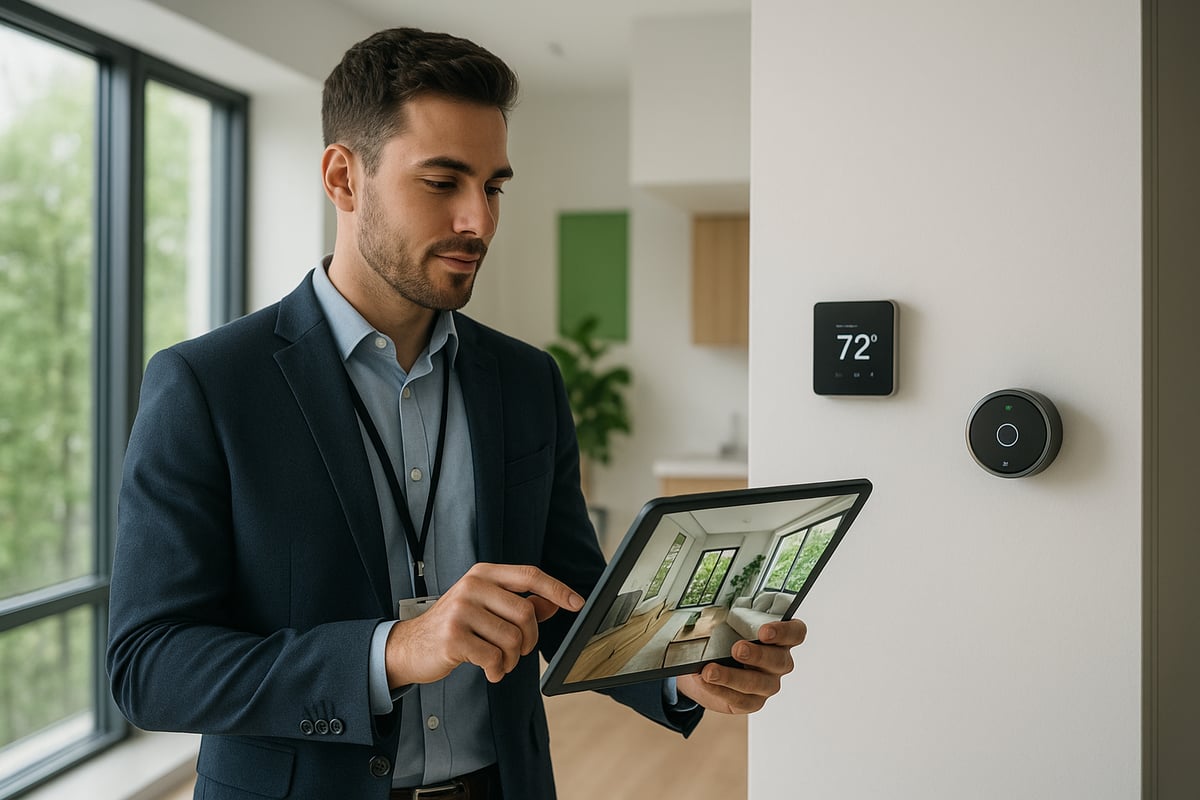
The prime property management industry in 2026 is defined by rapid shifts in tenant expectations and operational processes. Post-pandemic realities have accelerated the growth of remote management, making virtual showings and digital leasing standard practice. Tenants now prioritize properties with eco-friendly features, such as energy-efficient appliances and smart home systems, which set rentals apart in a competitive market.
Flexible lease terms and fully furnished rentals are in high demand, appealing to a mobile workforce and travelers seeking short- or mid-term stays. Data-driven decision-making is transforming how managers optimize occupancy and revenue, with analytics platforms offering real-time insights. Regulatory changes continue to shape policy, requiring landlords to stay alert to evolving rent control measures and tenant protections.
A 2025 survey reveals that 68% of tenants prefer rentals equipped with smart home technology, highlighting the need for innovation. For a detailed breakdown of these emerging trends, see this Key Rental Market Trends for 2026. Staying ahead in prime property management means embracing these trends and integrating them into daily operations.
Challenges and Opportunities for Property Owners
While opportunity abounds, prime property management in 2026 presents several challenges. Maintenance costs have risen due to labor shortages and supply chain disruptions, forcing owners to plan repairs proactively. Navigating new rent control laws in major markets demands careful compliance and strategic pricing to protect profitability.
Yet, there are significant opportunities in the short-term and mid-term rental segments, especially as travelers and remote workers seek flexible housing. Small landlords are thriving by focusing on niche markets, such as luxury furnished units or sustainable properties. Competition from institutional investors is strong, but local knowledge and specialized offerings can give individual owners an edge.
A recent case study shows how independent landlords who specialize in eco-friendly and tech-enabled rentals are outperforming larger firms. Owners who adapt quickly and leverage prime property management best practices can turn market volatility into long-term success.
The Role of Professional Property Management Services
Professional property management services are increasingly vital in a complex and regulated environment. Outsourcing allows owners to benefit from expert tenant screening, efficient rent collection, and proactive maintenance, all while ensuring legal compliance. Local expertise is crucial, as regulations and market dynamics can vary significantly from one area to another.
Data from the Buildium 2025 report indicates that properties managed by professionals experience 20% lower vacancy rates compared to self-managed units. This underscores the value of professional oversight in maximizing occupancy and returns. Professional managers also streamline communication, handle emergencies, and implement technology that enhances tenant experiences.
For owners seeking to optimize their investments, partnering with a skilled prime property management team delivers peace of mind and measurable results. The right management service can make the difference between average and exceptional performance in today’s rapidly evolving market.
Essential Steps for Prime Property Management Success
Unlocking the full potential of your investments requires a clear, methodical approach. Prime property management is not just about overseeing assets, but about consistently applying proven steps that elevate property value, tenant satisfaction, and long-term returns. By mastering the strategies below, property owners and investors can maximize profitability and minimize risk in 2026.

Step 1: Strategic Property Marketing and Tenant Acquisition
Effective marketing is the cornerstone of prime property management. Today’s renters expect visually compelling listings, with high-quality photos and immersive virtual tours that showcase every amenity. Leveraging AI-powered platforms allows owners to target the right audience, improving both reach and conversion rates.
Key tactics for top-tier marketing include:
- Crafting detailed descriptions that highlight unique property features
- Using video tours for faster leasing (properties with video lease 30% faster, according to Zillow, 2025)
- Prompt, transparent communication with prospective tenants
A strategic approach ensures your property stands out in a crowded market. For a deeper dive into actionable strategies, explore this Comprehensive Guide to Property Management.
Step 2: Comprehensive Tenant Screening and Onboarding
The next critical step in prime property management is rigorous tenant screening. A thorough process protects your investment and ensures reliable occupancy. In 2026, screening should include:
- Criminal background, credit, and rental history checks
- Adherence to Fair Housing laws and anti-discrimination policies
- Digital onboarding for seamless documentation and efficient record-keeping
Automated screening not only reduces human error, but also shortens vacancy periods by 15 percent. This proactive approach secures trustworthy tenants and lays the foundation for a positive rental relationship.
Step 3: Streamlined Rent Collection and Financial Management
Timely rent collection and transparent financial management are essential for prime property management success. Implementing online payment systems with automated reminders simplifies the process for both owners and tenants.
Best practices include:
- Utilizing cloud-based software to track income and expenses
- Setting up clear procedures for handling late payments and enforcing lease terms
- Adopting online rent collection, which reached 85 percent usage in 2025 (AppFolio data)
These systems improve cash flow, reduce administrative burden, and provide owners with real-time insights into their financial performance.
Step 4: Proactive Maintenance and Property Upkeep
Proactive maintenance is a defining feature of prime property management. Scheduling regular inspections and preventive care reduces emergency repairs, controlling costs and preserving property value.
Key maintenance strategies:
- Partner with trusted local vendors for quality service and competitive pricing
- Integrate smart sensors to monitor for leaks, smoke, and HVAC issues
- Use smart maintenance alerts, which can reduce repair costs by 18 percent (NAR, 2025)
By staying ahead of repairs, owners protect their investments and foster tenant satisfaction.
Step 5: Legal Compliance and Risk Mitigation
Navigating the legal landscape is vital for prime property management in 2026. Staying up to date with evolving landlord-tenant laws helps prevent costly disputes and protects both owner and tenant rights.
Essential compliance practices:
- Monitor changes in local and federal regulations, including security deposits and evictions
- Maintain accurate documentation for leases, inspections, and communications
- Ensure proper insurance coverage for both property and liability
Engaging with legal experts and utilizing professional resources ensures your operations remain compliant and resilient in a dynamic regulatory environment.
Leveraging Technology for Modern Property Management
Technology has become the backbone of prime property management, transforming how owners and managers deliver value. In 2026, leveraging the right tech tools is essential for maximizing efficiency, attracting top tenants, and staying ahead in a competitive market.
Smart Home Innovations and Automation
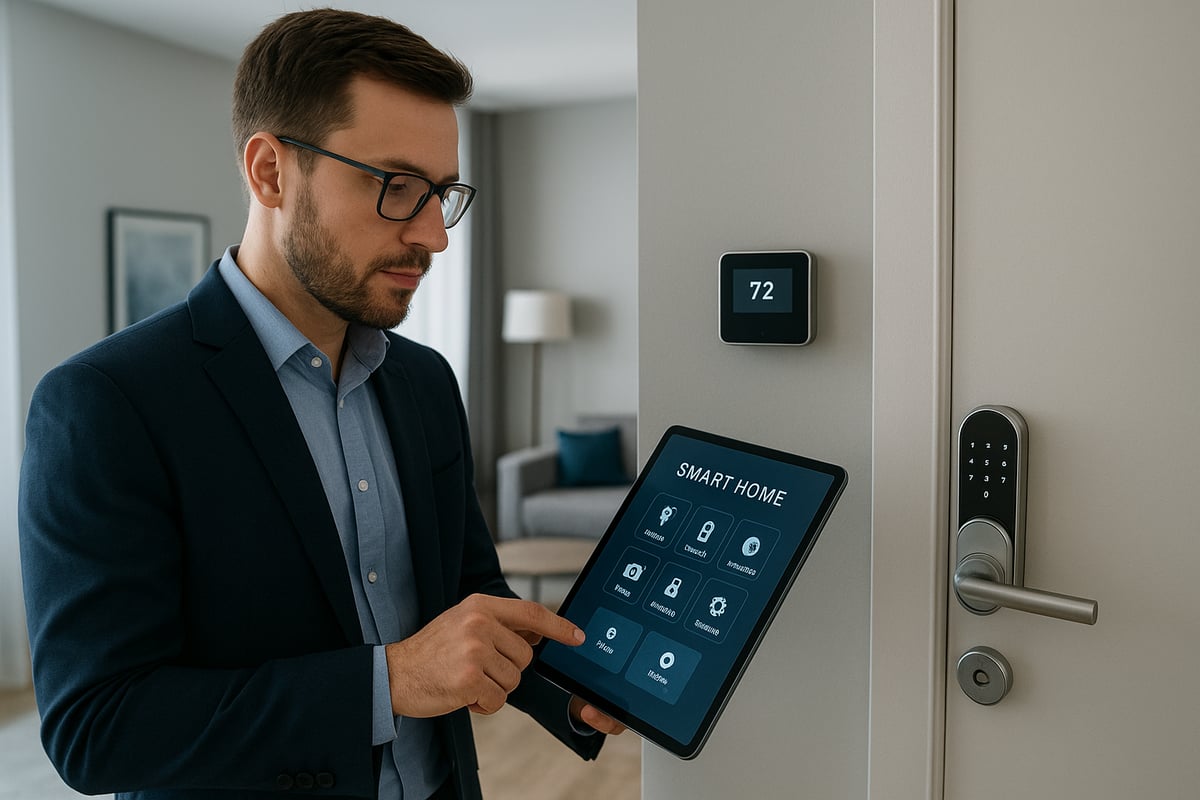
Smart home technology is a defining feature of prime property management in 2026. Owners are increasingly installing smart locks, thermostats, and security cameras to boost both convenience and security. With Statista reporting a 40% rise in smart lock installations in 2025, tenants now expect these amenities as part of their living experience.
This shift benefits everyone. Tenants appreciate the ability to control lighting, temperature, and access remotely, while owners gain peace of mind through enhanced monitoring and reduced risk of unauthorized entry.
- Smart locks enable seamless move-ins and secure access
- Smart thermostats help reduce energy costs
- Security systems provide real-time alerts for safety
By embracing these innovations, property owners can elevate tenant satisfaction and set their offerings apart in the prime property management sector.
Property Management Software and Digital Tools
Modern property management software is the engine that drives operational efficiency. Cloud-based platforms now handle everything from rent collection to maintenance tracking, making it easier for owners to oversee multiple properties.
Key features to look for include:
| Feature | Benefit | Example Platform |
|---|---|---|
| Online rent payments | Faster, secure transactions | AppFolio |
| Cloud document storage | Easy access to leases and records | Buildium |
| E-signatures | Quicker lease signings | DocuSign |
| Real-time analytics | Data-driven decision making | Propertyware |
With these tools, prime property management professionals can ensure transparency, improve communication, and make informed decisions that optimize performance.
Virtual and Augmented Reality for Leasing
Virtual tours and 3D walkthroughs are revolutionizing leasing in prime property management. By allowing prospective tenants to view properties remotely, owners can expand their reach and fill vacancies faster.
Matterport's 2025 data shows that VR tours increase engagement by 50%. This technology is especially valuable for attracting out-of-town renters or busy professionals who cannot attend in-person showings.
- 3D walkthroughs provide a realistic sense of space
- Remote leasing accelerates tenant acquisition
- Virtual staging enhances property appeal
Integrating these solutions into your prime property management strategy ensures your listings stand out in a crowded marketplace.
AI and Automation in Tenant Relations
Artificial intelligence is streamlining tenant relations for prime property management teams. Chatbots now handle maintenance requests and answer questions 24/7, ensuring tenants receive prompt support. Predictive analytics help managers anticipate lease renewals and set optimal rent prices.
For more on how AI is impacting property management, see AI in Property Management.
By leveraging AI, prime property management professionals can offer a seamless, responsive experience that keeps tenants satisfied and operations running smoothly.
Financial Optimization Strategies for Property Owners
Navigating the financial side of prime property management in 2026 requires both agility and strategy. As the industry evolves, owners must focus on maximizing returns, minimizing expenses, and safeguarding their investments. Below, discover actionable methods to optimize your income, expenses, portfolio, and risk management approach.

Maximizing Rental Income and Occupancy
Achieving optimal rental income is at the heart of prime property management. Dynamic pricing tools now enable real-time rent adjustments based on demand, seasonality, and local competition, ensuring properties stay competitive.
Value-added amenities, such as high-speed internet or in-unit laundry, can justify premium rents. Offering bundled utilities is another effective strategy, with properties that include utilities often commanding up to 10% higher monthly rates.
Below is a quick comparison of rental income strategies:
| Strategy | Impact on Income | Implementation Difficulty |
|---|---|---|
| Dynamic Pricing | High | Moderate |
| Bundled Utilities | Moderate | Low |
| Furnished Rentals | High | High |
With prime property management, pairing these techniques with proactive tenant engagement leads to higher occupancy and reduced turnover.
Expense Management and Cost Reduction
Controlling costs is fundamental to long-term success in prime property management. Owners are increasingly negotiating vendor contracts and leveraging group purchasing to secure better pricing for maintenance and repairs.
Investing in energy-efficient upgrades, such as LED lighting and smart thermostats, leads to significant utility savings over time. Tax planning is also crucial, with 2026 bringing new deductions related to green improvements and smart home technology.
For a comprehensive approach, explore how professional support can streamline operations and reduce overhead through expert Property Management Services Overview.
Careful expense tracking and regular financial reviews ensure that every dollar spent contributes to your property’s performance.
Portfolio Growth and Diversification
Expanding your portfolio is a key strategy in prime property management, especially as markets shift. Owners are looking beyond traditional single-family homes, evaluating opportunities in mixed-use, short-term, and commercial rentals.
Access to flexible financing options is crucial as interest rates fluctuate. Diversification not only spreads risk but also enhances returns, with recent data showing diversified portfolios outperforming single-asset holdings by 12%.
By embracing a broader investment approach, property owners can adapt to changing demand and capture new revenue streams.
Risk Management and Insurance
A robust risk management plan is essential for prime property management. New risks, such as climate impacts and cyber threats, require owners to reassess their coverage regularly.
Key steps include:
- Reviewing insurance policies for property and liability protection
- Assessing exposure to environmental hazards
- Implementing cybersecurity best practices for digital tenant data
Staying proactive with risk management safeguards your investment and supports long-term profitability.
Legal and Regulatory Essentials for 2026
Understanding legal and regulatory essentials is critical for success in prime property management. The landscape is shifting rapidly, and property owners must stay vigilant to avoid costly missteps. Let’s explore the most pressing legal priorities for 2026.
Navigating Changing Landlord-Tenant Laws
The legal environment for prime property management is evolving. In 2026, new landlord-tenant laws are impacting leases, evictions, and tenant rights across many regions. Recent legislative updates have expanded tenant protections, especially in cities with rising housing costs.
Staying compliant means understanding both federal and local ordinances. The Fair Housing Act has seen updates for 2026, broadening anti-discrimination measures and increasing penalties for violations. Owners must review lease terms regularly to ensure all policies align with current statutes.
Proactive education is key. Property managers should attend webinars, read legal bulletins, and consult local experts to remain informed. This approach reduces legal risks and safeguards reputations in prime property management.
Security Deposits, Lease Agreements, and Documentation
Security deposits and leases are at the heart of prime property management. Best practices for 2026 include transparent, compliant lease agreements that clearly outline tenant and landlord responsibilities. Digital lease templates make updates easier and improve record-keeping.
A robust documentation process is essential. Move-in and move-out checklists help prevent disputes by creating a clear record of property conditions. Owners should photograph and document each space before and after tenancy.
Digital records are now standard. Secure cloud storage ensures documents are accessible and protected. This not only streamlines operations but also strengthens legal protection for property managers and owners.
Eviction Procedures and Tenant Disputes
Eviction rules have tightened, requiring prime property management professionals to follow precise procedures. In 2026, lawful evictions demand detailed notice periods, proper documentation, and adherence to new mediation requirements in many jurisdictions.
Alternative dispute resolution is growing. Mediation programs have led to a 22% decrease in evictions, giving both parties a chance to resolve issues without court intervention. Owners must document all communications and attempts at resolution.
A clear, step-by-step approach is vital. Begin with formal written notice, allow time for remedy, and use mediation when possible. Only proceed to eviction as a last resort, ensuring every action follows local laws.
Staying Ahead of Regulatory Changes
The pace of regulatory change in prime property management is accelerating. Owners should monitor proposed laws and ordinances regularly, using news feeds, industry newsletters, and professional associations for updates.
Building relationships with legal counsel or specialized property management services ensures ongoing compliance. Many owners rely on Legal Guidance for Property Owners to navigate complex regulations and mitigate risk.
Continuous education and collaboration are essential. Networking with peers and joining local property management groups can provide valuable insights and early warnings about upcoming changes. Staying proactive keeps your investments secure and compliant.
Expert Tips for Future-Proofing Your Property Management Approach
Navigating the future of prime property management requires adaptability, foresight, and a commitment to excellence. Here are expert strategies to ensure your approach remains resilient and competitive in 2026.
Building Strong Tenant Relationships
In the world of prime property management, tenant satisfaction is the cornerstone of long-term success. Effective communication, timely responses, and genuine care foster trust and loyalty.
- Respond promptly to maintenance requests
- Offer digital communication channels for convenience
- Recognize tenant milestones with small gestures
Properties that invest in retention programs see turnover drop by 28 percent. Consider leveraging Expert Property Leasing Services to streamline tenant acquisition and retention, ensuring your property stands out.
Adapting to Market Volatility and Economic Shifts
Prime property management thrives on agility. Regularly assess market trends and prepare for economic fluctuations through scenario planning.
Flexible lease structures help attract a diverse tenant base, reducing vacancy risk. For instance, offering short-term and mid-term leases can appeal to a broader audience and provide stability during uncertain times.
Stay informed about local economic indicators and adjust your pricing strategy accordingly. By remaining proactive, you can safeguard your rental income and maintain a competitive edge in prime property management.
Sustainability and Community Engagement
Modern tenants increasingly seek eco-friendly living spaces. Integrating sustainable practices into your prime property management approach is both a differentiator and a long-term investment.
- Install energy-efficient appliances and lighting
- Promote recycling and waste reduction initiatives
- Partner with local organizations for community events
According to Sustainability in Property Management, sustainability and tenant experience are central to future-ready management. These initiatives attract eco-conscious renters and strengthen community ties.
Continuous Education and Professional Development
Staying ahead in prime property management means embracing lifelong learning. Pursue industry certifications, attend workshops, and join professional associations to keep your knowledge current.
Networking with other property owners and managers offers fresh perspectives and practical solutions. By investing in your professional growth, you ensure your management practices evolve with industry standards and regulatory changes.
Embracing Innovation and Change
The property management landscape is in constant flux. Early adoption of emerging technologies, such as smart home systems and digital leasing tools, positions your properties at the forefront of market trends.
Regularly review and update your management practices to maximize efficiency and tenant satisfaction. Openness to innovation ensures your prime property management approach remains future-proof and highly effective.
After exploring the latest trends, legal essentials, and proven strategies for prime property management in 2026, you can see how expert guidance makes all the difference. If you’re ready to maximize your property’s value, reduce stress, and stay ahead in the ever-evolving New Orleans market, personalized support is just a step away. With over 40 years of experience and a commitment to hassle-free ownership, Coxe Property Management and Leasing is here to help you achieve your goals. Let’s work together to ensure your investment thrives—Get Your Free Quote Today!