

The property management landscape is rapidly changing, and property owners face new challenges in 2026. Staying ahead means understanding how bottomline property management can unlock greater profitability and stability for your investments.
This guide offers expert insights and practical strategies designed to help you maximize property performance, reduce risk, and secure long-term financial growth. By mastering bottomline property management, you set the foundation for resilient and efficient operations.
Inside, you will find a step-by-step resource covering emerging industry trends, strategic financial planning, technology integration, tenant relations, legal compliance, and future-focused recommendations. Ready to streamline your management approach and achieve better results? Let’s get started.
The Evolving Landscape of Property Management in 2026
The world of bottomline property management is rapidly evolving as we approach 2026. Property owners and investors must stay ahead of industry shifts to secure stable returns and minimize risk in an increasingly competitive market.

Key Industry Trends and Market Shifts
In 2026, bottomline property management is shaped by new dynamics. The rise of remote work has shifted rental demand, pushing more tenants to seek flexible arrangements and amenities. Short-term rentals and hybrid leasing models are gaining traction, appealing to both traditional and transient renters.
Urban and suburban markets face increased regulatory complexity, making compliance a challenge. Institutional investors are expanding their presence in residential property, driving up competition. Sustainability is now a top differentiator, with a 2025 survey showing 62% of managers adopted eco-friendly practices.
Urban rental vacancies dropped by 8% in 2025, according to NAR. For a deeper dive into these shifts, see Key Rental Market Trends for 2026. Adapting to these trends is essential for maintaining a strong bottomline property management strategy.
Regulatory and Legal Changes Affecting Property Owners
Regulatory changes are reshaping bottomline property management, especially with new landlord-tenant laws at all government levels. Enhanced fair housing enforcement and stricter anti-discrimination policies are now the norm. Many metropolitan areas have expanded rent control, impacting profit margins.
Short-term rental regulations and licensing requirements have also increased. For example, the 2025 New York City ordinance introduced rental caps, affecting both large and small landlords. Staying compliant is critical, as legal non-compliance fines rose by 14% in 2025, according to HUD.
Property owners who proactively monitor these changes reduce the risk of costly disputes. Maintaining up-to-date legal practices is now a fundamental part of bottomline property management.
Shifts in Tenant Demographics and Expectations
Tenant demographics are shifting, with more Gen Z and Millennial renters entering the market. They prefer digital services and flexible lease terms, which directly impacts bottomline property management. The demand for amenities, increased security, and vibrant community spaces is rising fast.
A notable trend from 2025 shows that 70% of renters preferred online rent payment options. Meeting these expectations is not just about satisfaction—it reduces tenant turnover. Customization and open communication are crucial for success.
Property owners who tailor their services and foster community connections are more likely to retain tenants, ensuring stability in their bottomline property management approach.
Technology’s Role in Modern Property Management
Technology is transforming bottomline property management. AI-driven leasing, maintenance, and communication tools are now standard for efficient operations. Property management platforms offer automation and robust data analysis, streamlining tasks like rent collection and maintenance requests.
Virtual tours, smart locks, and IoT devices enhance both security and tenant experience. In 2025, 45% of property managers used AI chatbots for tenant support, demonstrating the growing reliance on technology.
Adopting these tools not only improves operational efficiency but also positions properties as modern and attractive to tech-savvy tenants. Technology is now a core pillar of bottomline property management.
Financial Pressures and Opportunities
Financial pressures are mounting for bottomline property management. Rising property taxes and insurance premiums are squeezing margins, while inflation affects both rent pricing and operating costs. However, there are clear opportunities in value-add renovations and energy efficiency upgrades.
Average rents in major cities increased by 4.2% in 2025, providing room for strategic investments. Owners who prioritize upgrades often see long-term ROI and improved tenant retention.
Diversifying income through amenities, bundled utilities, and short-term rental options helps buffer against market volatility. Smart financial planning is key to resilient bottomline property management.
Sustainability and ESG Considerations
Sustainability and ESG factors are increasingly vital in bottomline property management. Properties with green certifications, such as LEED, command up to 8% higher rents. Adopting sustainable practices not only attracts premium tenants but also meets growing investor expectations.
A focus on environmental and social responsibility is more than a trend—it is a competitive advantage. Owners who prioritize ESG are better positioned for long-term success.
Strategic Financial Management for Property Owners
Optimizing your financial approach is the key to effective bottomline property management. In 2026, property owners and investors need robust strategies to drive profitability, minimize risks, and ensure sustainable growth. Let’s break down proven methods for setting goals, managing budgets, pricing rents, maximizing revenue, and staying compliant.

Setting and Achieving Profitability Goals
Clear financial objectives are the cornerstone of bottomline property management. Begin by defining targets for cash flow, property appreciation, and return on investment (ROI). Use market data to benchmark your goals against local averages and similar properties.
For example, the average ROI for managed rentals reached 7.1% in 2025. Setting measurable targets allows for better tracking and decision-making. Regularly review these objectives and adjust based on performance trends or shifts in local demand.
Consider consulting resources like Expert Property Management in New Orleans for proven strategies to set and achieve financial milestones.
Budgeting and Expense Optimization
A disciplined budget is essential for bottomline property management. Develop an annual operating budget that includes contingency funds for unexpected repairs or vacancies. Identify areas to reduce unnecessary expenses, such as utilities, maintenance, or vendor contracts.
Leverage relationships with suppliers to negotiate better rates. Proactive maintenance planning can lower repair costs by up to 18 percent, according to IREM data. Expense control not only preserves cash flow but also frees up capital for strategic investments.
Regular expense reviews help identify trends, prevent overspending, and ensure your financial plan remains aligned with property goals.
Rent Pricing Strategies in a Dynamic Market
Effective rent pricing is a major driver of bottomline property management. Conduct regular market surveys and use rent comparison tools to set competitive rates. Embrace dynamic pricing models that adjust rates based on demand, seasonality, and local market shifts.
Automated rent adjustment tools can help maintain optimal occupancy and maximize revenue. In 2025, properties using dynamic pricing achieved 5 percent higher occupancy rates. Data-driven pricing decisions ensure your units stay attractive to tenants while protecting your bottom line.
Review rent prices quarterly to stay ahead of market changes and tenant expectations.
Maximizing Revenue Streams
Diversifying income sources strengthens bottomline property management. Explore ancillary revenue opportunities such as parking, storage, pet fees, and premium amenities. Consider offering short-term rental options or furnished units to capture higher rents.
Upsell bundled service packages like utilities or cleaning to increase overall revenue. Properties that implemented bundled utility packages reported a 6 percent rise in income. A well-rounded revenue strategy helps buffer against market volatility and reduces reliance on base rent alone.
Track the performance of each income stream to fine-tune your offerings and prioritize the most profitable options.
Financial Reporting, Tax Planning, and Compliance
Transparent financial reporting is vital for bottomline property management. Use property management software to generate detailed income and expense reports. Accurate record-keeping simplifies tax preparation and ensures you capture all eligible deductions, including depreciation and operating expenses.
Stay up to date with local tax laws and filing deadlines to avoid penalties. In 2025, 30 percent of owners missed deductions due to incomplete records. Professional reporting also streamlines audits and enhances your credibility with investors or lenders.
Regular compliance checks help protect your assets and support long-term profitability.
Leveraging Technology for Operational Excellence
Technology is transforming bottomline property management, enabling property owners to optimize efficiency, reduce errors, and maximize returns. By embracing digital solutions, you can streamline every aspect of property operations, from leasing to maintenance and financial oversight.
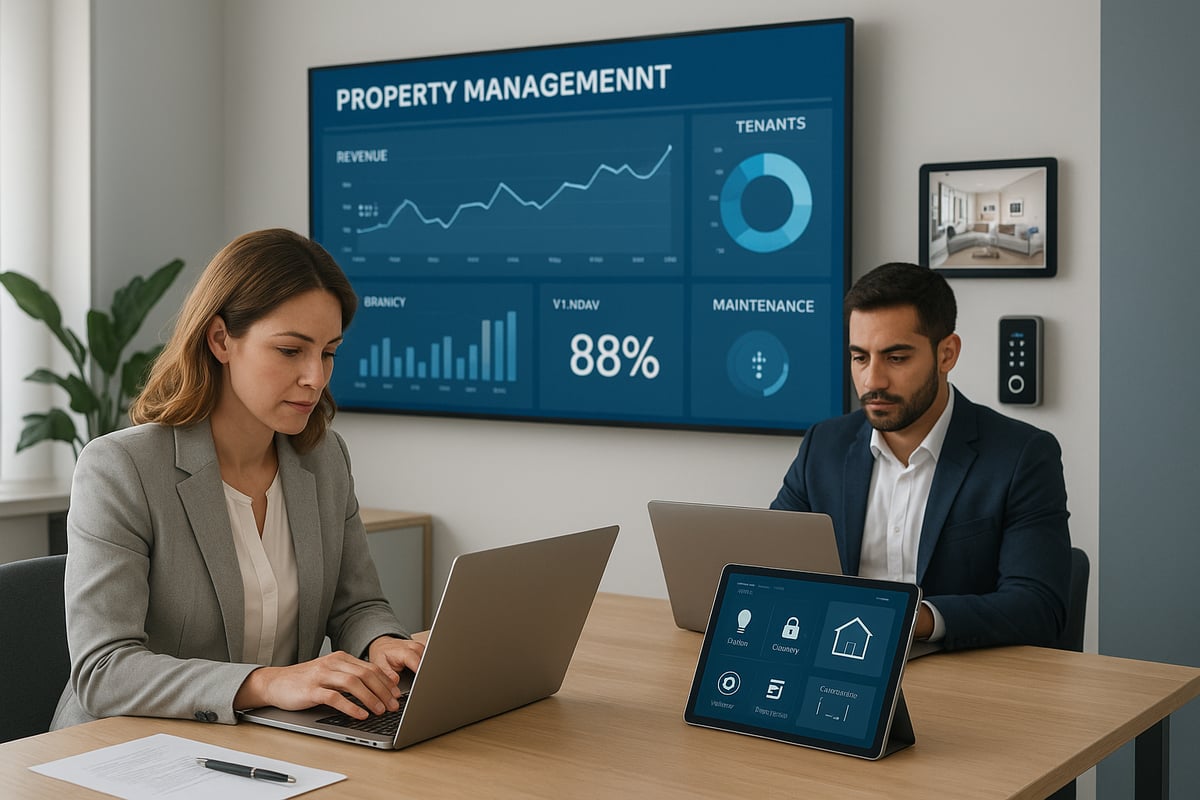
Property Management Software and Automation
Modern platforms are at the heart of bottomline property management in 2026. Leading software solutions offer integrated features, from automated rent collection to real-time maintenance tracking. These tools eliminate manual tasks and reduce human error.
Automating recurring processes, such as sending payment reminders or updating financial records, saves countless hours each month. For example, properties using automated reminders saw a 40 percent decline in late payments. With robust integration options, software can connect accounting, communication, and compliance tools, creating a seamless operational workflow.
A quick comparison of platform features:
| Feature | Benefit |
|---|---|
| Rent Automation | Fewer late payments |
| Maintenance Logs | Faster repairs |
| Communication Hub | Centralized updates |
Selecting the right software is essential for bottomline property management success.
Virtual Leasing and Digital Marketing
Virtual leasing tools have revolutionized bottomline property management by making the leasing process faster and more accessible. Prospective tenants can now view 3D floor plans, take virtual tours, and complete applications entirely online.
Digital marketing—especially through social media and targeted ads—helps properties reach a broader audience. Listings that feature virtual tours are leased 30 percent faster, demonstrating the power of digital-first strategies. SEO best practices ensure your property stands out in competitive markets.
Recent research highlights how AI-driven tenant experiences and sustainability are shaping the industry. To learn more, see this AI, Tenant Experience, and Sustainability in 2026 report.
Combining digital marketing with virtual leasing delivers measurable results for bottomline property management.
Smart Home Technology and IoT Integration
Smart home devices are a game changer for bottomline property management. Popular features include smart locks, thermostats, and leak detectors. These tools not only enhance tenant security and comfort, but also help reduce utility expenses.
For instance, installing smart thermostats can lower energy costs by an average of 12 percent. IoT devices enable remote monitoring, giving property managers real-time insights into building performance and potential issues.
Tech-savvy renters increasingly expect these amenities. By integrating IoT, you position your properties as modern, efficient, and attractive, strengthening your bottomline property management approach.
Data Analytics for Performance Optimization
Data analytics is crucial for making informed decisions in bottomline property management. Modern dashboards track occupancy rates, rent trends, and maintenance expenses, providing actionable insights.
Predictive analytics can forecast when maintenance is needed, reducing emergency repairs by up to 22 percent. By reviewing performance data regularly, property owners identify profit opportunities and areas for improvement.
A sample set of metrics to monitor:
- Occupancy and turnover rates
- Monthly maintenance costs
- Rent collection trends
Utilizing data analytics equips you to optimize every aspect of bottomline property management.
Cybersecurity and Data Privacy in Property Management
With increased digitalization comes heightened risk. Protecting sensitive tenant and financial information is non-negotiable in bottomline property management. Secure payment systems and encrypted communication channels are now industry standards.
Compliance with privacy laws, such as GDPR and CCPA, is critical. In 2025, real estate cyberattacks rose by 20 percent, highlighting the need for robust security protocols. Regular staff training and system updates further minimize vulnerabilities.
Prioritizing cybersecurity not only protects your assets, but also builds tenant trust, ensuring the long-term success of your bottomline property management operations.
Building Strong Tenant Relationships and Retention Strategies
Building robust tenant relationships is the cornerstone of bottomline property management success. In 2026, property owners and managers must go beyond transactional interactions to foster trust, loyalty, and long-term occupancy. Proactive strategies that prioritize tenant satisfaction directly impact retention, reduce turnover costs, and support consistent cash flow. Let us explore the essential elements of tenant relationship excellence in modern property management.
Effective Tenant Screening and Onboarding
The first step to successful bottomline property management is attracting and selecting reliable tenants. Comprehensive screening, including credit, criminal, and rental history checks, helps reduce risk and ensures compliance with fair housing standards. Managers must avoid bias and maintain consistent criteria for each applicant.
A welcoming onboarding process sets the tone for the tenancy. Use digital leasing platforms for efficiency, offer move-in checklists, and provide clear guidance on community policies. This attention to detail not only minimizes misunderstandings but also fosters early trust. Properties that implement stringent screening and thorough onboarding report eviction rates 15% lower than average, highlighting the value of a structured approach for long-term tenant retention.
Proactive Communication and Responsiveness
Open, timely communication is a hallmark of effective bottomline property management. Tenants expect multi-channel options such as email, SMS, and secure portals for submitting requests or receiving updates. Establishing clear response timelines and regular notifications about maintenance or community news demonstrates professionalism and care.
Responsive management builds trust and encourages tenants to renew leases. In fact, 65% of renters cite communication quality as their top satisfaction driver. For consistent rent payments and financial stability, adopting proven Reliable Rent Collection Strategies ensures both owners and tenants experience a seamless process. Effective communication underpins every aspect of tenant retention.
Maintenance Excellence and Service Standards
Delivering on maintenance expectations is fundamental to bottomline property management. Preventative maintenance schedules reduce emergencies and keep properties in optimal condition. Tenants appreciate transparent systems for tracking maintenance requests and prompt repairs.
Partnering with trusted vendors can improve response times and service quality. Properties that provide 24/7 maintenance hotlines see retention rates 10% higher than those with limited access. When tenants know their issues are addressed swiftly and professionally, their satisfaction and loyalty grow, directly supporting long-term profitability.
Community Building and Tenant Engagement
Fostering a sense of community elevates the tenant experience and sets properties apart in a competitive market. Organize resident events, such as seasonal gatherings or workshops, to encourage interaction. Online communities and resource hubs provide tenants with information and support.
Personal touches, like welcome gifts or holiday cards, can make tenants feel valued. Data shows that engaged tenants renew leases 18% more often. By integrating engagement strategies into your bottomline property management approach, you create a positive environment that encourages tenants to stay.
Handling Disputes and Lease Violations Professionally
Even with the best practices in place, conflicts or lease violations may arise. Clear lease terms, detailed documentation, and consistent enforcement are essential for effective bottomline property management. Establish fair mediation processes and escalation protocols to resolve disputes quickly.
Mediation resolves the majority of tenant issues without legal action, reducing costs and maintaining goodwill. Professionalism and transparency during difficult situations help retain quality tenants and protect your reputation. Consistent, fair handling of disputes is key to minimizing turnover and legal exposure.
Legal Compliance and Risk Mitigation for 2026
Staying ahead of legal requirements is critical for bottomline property management in 2026. The regulatory environment is changing rapidly, and proactive compliance safeguards assets, prevents costly disputes, and sustains profitability. Owners who prioritize risk mitigation are better prepared to navigate the complexities of the evolving market.
Navigating Evolving Rental Regulations
Rental regulations are shifting at federal, state, and local levels. In 2026, several states updated eviction moratoriums, impacting lease enforcement and tenant rights. Property owners must stay informed about new rules on rent control, short-term rentals, and licensing requirements.
Proactive compliance is essential for bottomline property management, as legal missteps can result in substantial fines or lawsuits. Leveraging resources like Legal Guidance for Property Owners helps owners interpret new laws and reduce exposure. Regular legal reviews and ongoing education should be part of every owner’s compliance strategy.
Fair Housing and Anti-Discrimination Best Practices
Adhering to fair housing laws remains a cornerstone of bottomline property management. Federal, state, and local statutes require inclusive advertising, unbiased tenant screening, and equal treatment for all applicants. In 2025, fair housing complaints rose by 9 percent, highlighting the need for vigilant compliance.
Best practices include training staff on anti-discrimination policies, using standardized screening criteria, and documenting every decision. Owners who invest in compliance protect their reputation and financial interests. Staying updated with legal resources ensures that policies align with current regulations.
Insurance, Liability, and Emergency Preparedness
Robust insurance coverage is vital in bottomline property management. Essential policies include:
- Property insurance
- Liability insurance
- Loss of rent coverage
Emergency preparedness plans address natural disasters, health crises, and unexpected events. Properties with comprehensive disaster plans recovered 25 percent faster after major incidents. Owners should review coverage annually and update emergency protocols to minimize risk.
A well-structured risk management plan not only protects assets but also reassures tenants and investors. Regular drills, clear communication, and vendor partnerships support rapid recovery.
Coxe Property Management and Leasing: Local Expertise for Hassle-Free Ownership
Coxe Property Management and Leasing brings over three decades of experience to bottomline property management in Greater New Orleans. Their services encompass tenant screening, rent collection, maintenance, legal compliance, and financial reporting.
Managing nearly $1 billion in assets, Coxe offers personalized, 24/7 support to ensure owners achieve hands-off, compliant, and profitable results. Their local expertise makes them a trusted partner for navigating legal complexities and mitigating risk.
Expert Recommendations and Future-Proofing Your Property Portfolio
To stay ahead in bottomline property management, property owners must adopt future-focused strategies. The rapid pace of change in 2026 requires a proactive mindset, continuous learning, and a commitment to operational excellence. Below, we outline expert recommendations to help you protect, grow, and optimize your portfolio for years to come.
Adapting to Market and Regulatory Changes
Staying agile in bottomline property management means consistently monitoring industry shifts and regulatory updates. The property management field in 2026 is shaped by evolving tenant demands, frequent legal changes, and economic pressures.
Continual education is essential. Joining organizations like NARPM or IREM provides access to valuable resources, training, and peer learning. Active participation in industry groups keeps you updated on best practices and legislative changes.
Leverage professional networks for real-time insights and benchmarking. For a comprehensive view of market trends and technology advancements shaping the year ahead, consult the Property Management Market Report 2025. Adapting quickly to new realities ensures compliance and sustained profitability.
Investing in Property Upgrades and Value-Add Opportunities
Bottomline property management is about maximizing both revenue and asset value. Strategic upgrades, such as energy-efficient systems, smart home technology, or amenity improvements, can significantly boost your property’s appeal and rental income.
Focus on projects with high ROI, like kitchen or bathroom remodels, which consistently drive rent growth. Embracing ESG principles—energy efficiency, green spaces, and sustainable materials—attracts premium tenants and positions your assets for future demand.
According to industry data, value-add renovations led to average rent increases of 11 percent in 2025. Target improvements that align with local market expectations to achieve the best results.
Building a Resilient, Diversified Portfolio
Diversification is a cornerstone of bottomline property management. By spreading investments across various property types—such as multi-family, mixed-use, and short-term rentals—you can buffer your portfolio against localized market volatility.
Analyze performance data frequently to identify emerging trends or underperforming assets. Consider integrating technology-driven valuation tools for more accurate forecasting. For deeper insights on leveraging AI and data in real estate valuation, review the AI-Augmented Real Estate Valuation Framework.
In 2025, diversified portfolios proved more resilient to economic shocks and tenant turnover. Maintaining flexibility and exploring new asset classes will help secure your long-term growth.
Leveraging Professional Partnerships and Resources
Strong professional partnerships are vital for long-term success. Collaborate with experienced property managers, legal advisors, and technology providers to streamline operations and access industry benchmarks.
Utilize trusted resources to enhance efficiency, ensure compliance, and stay competitive in the evolving landscape.
As you look ahead to successful property ownership in 2026, it’s clear that staying ahead of market shifts, regulatory updates, and evolving tenant expectations is essential. With over 40 years of experience and a commitment to personalized service, Coxe Property Management and Leasing can help you navigate these complexities with confidence. Whether you’re focused on maximizing returns, streamlining operations, or ensuring legal compliance, you don’t have to do it alone. Let’s find the right solutions for your portfolio together—Get Your Free Quote Today!