

Owning property is evolving, and for apartments owners in 2026, the stakes and opportunities have never been higher. This guide equips you with expert insights and proven strategies to help you thrive in a changing real estate market.
Whether you are new to property investment or a seasoned veteran, you will discover how to maximize returns, streamline daily operations, and anticipate shifting trends. From market forecasts and legal updates to tenant management and smart property upgrades, every critical area is covered.
Get ready to unlock higher profitability, build strong communities, and future-proof your investment with clear, actionable steps.
Understanding the 2026 Apartment Market Landscape
Navigating the apartment market in 2026 requires a well-informed approach. For apartments owners, staying ahead means understanding evolving demand, regulatory shifts, and the impact of technology. This section breaks down the most critical trends and changes shaping the future.
Market Trends and Forecasts
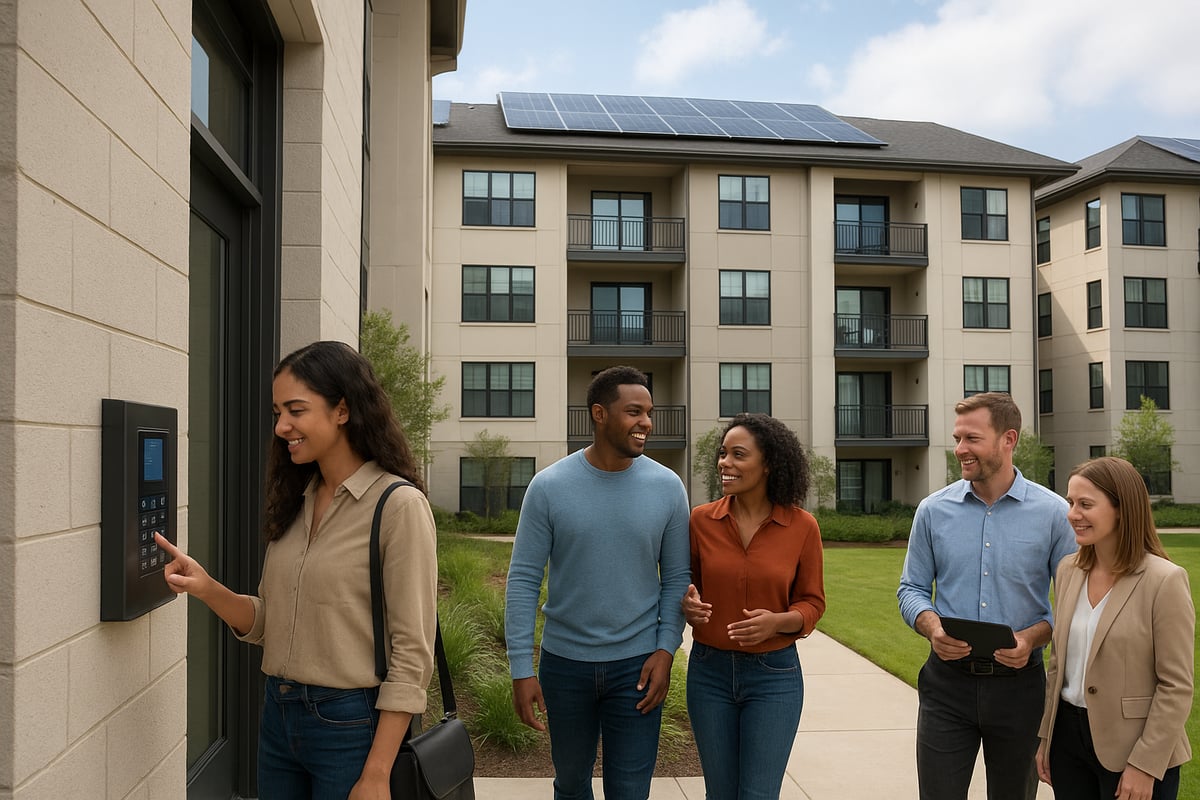
The apartment landscape in 2026 is marked by strong nationwide demand and notable regional differences. Apartments owners are seeing occupancy rates in major metropolitan areas projected to remain above 94 percent, according to NMHC. This stability is driven by shifting renter demographics, including more Gen Z renters entering the market, remote workers seeking flexibility, and downsizers looking for convenience.
Economic factors play a central role. Inflation and fluctuating interest rates continue to impact both rent growth and property values. While some regions experience robust rent increases, others see more moderate gains. Urban areas often outperform suburban markets in terms of occupancy and rent, but suburban locations benefit from growing interest among families and remote employees.
To make informed decisions, apartments owners must monitor trends closely. For a detailed look at anticipated supply, rent growth, and demand, see the 2026 Multifamily Market Predictions. Staying updated on these forecasts positions apartments owners to adjust strategies and maximize returns.
Regulatory and Compliance Changes
Legal compliance is a top priority for apartments owners in 2026. New housing regulations at local, state, and federal levels are influencing everything from rent control to tenant protections. Recent expansions in rent control policies require apartments owners to review lease agreements and ensure accurate rent calculations.
Eviction moratoriums continue in some jurisdictions, making it essential to stay informed about current rules. Understanding fair housing law updates is also crucial. Compliance tips include documenting all tenant communications, maintaining transparent rental criteria, and conducting regular policy reviews.
Apartments owners should also prepare for evolving requirements around accessibility and sustainability. By proactively adjusting to regulatory changes, apartments owners reduce risk and protect their investments. Regularly consulting with legal professionals or property management experts can help apartments owners maintain compliance and avoid costly disputes.
Technology’s Role in the Market
Technology is transforming how apartments owners manage properties and engage tenants. Proptech solutions like smart locks, remote monitoring, and digital leasing platforms are now standard features in many buildings. Data-driven decision-making empowers apartments owners to optimize rent pricing, track maintenance needs, and identify investment opportunities.
A growing number of apartments owners are investing in smart building technology. According to NAHB, 60 percent of owners plan to upgrade their properties with smart systems by 2026. These innovations not only improve operational efficiency but also enhance tenant satisfaction.
Embracing technology allows apartments owners to streamline operations and stay competitive. As digital adoption accelerates, integrating new tools will be essential for long-term success in the evolving apartment market landscape.
Legal and Financial Foundations for Apartment Owners
Establishing a strong legal and financial foundation is essential for apartments owners aiming to thrive in 2026. The evolving regulatory environment, advanced financial strategies, and new risk factors all demand careful planning. By mastering these fundamentals, apartments owners position themselves for long-term success and resilience.
Essential Legal Considerations
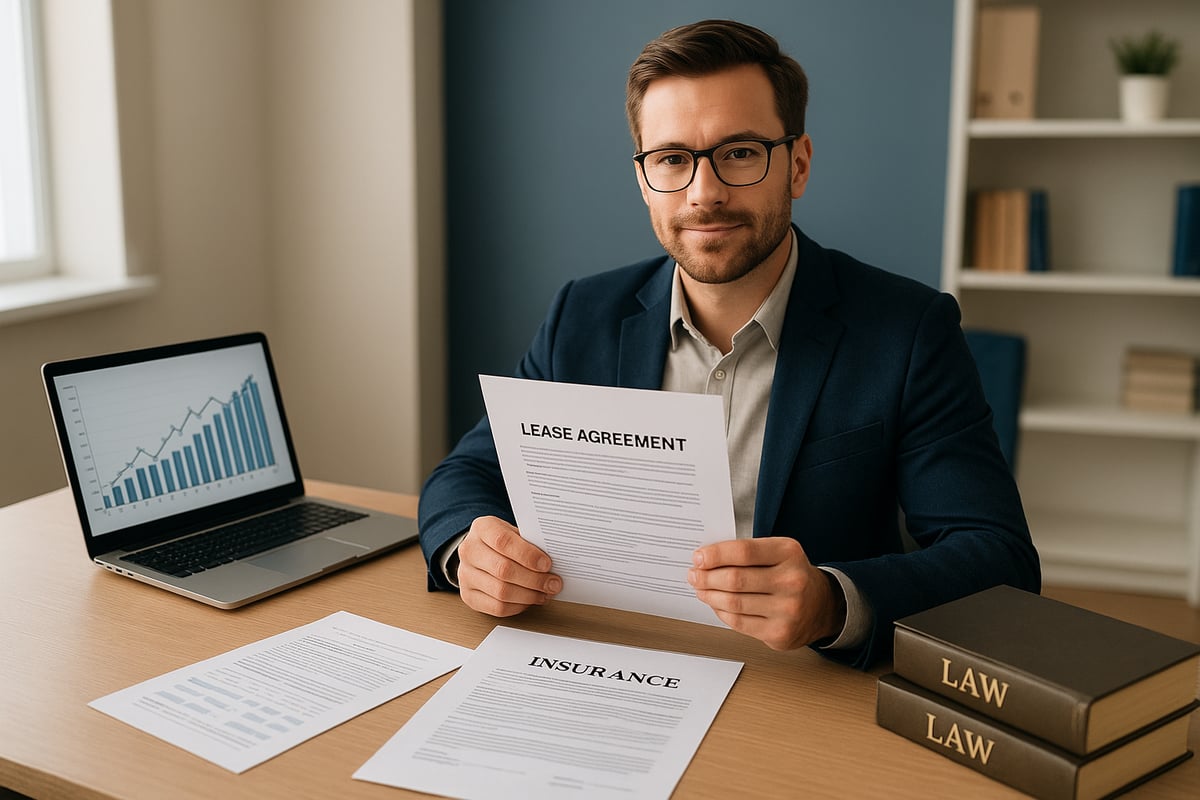
For apartments owners, airtight legal compliance is non-negotiable in 2026. Lease agreements should include clear clauses regarding rent adjustments, maintenance responsibilities, early termination, and digital communication consent. Staying current with landlord-tenant laws is critical, as many jurisdictions have updated regulations on rent control, security deposits, and notice periods.
Recent changes in eviction processes require apartments owners to follow stricter documentation and notice protocols. Owners must prepare for extended timelines and enhanced tenant protections. To avoid costly disputes, detailed records of all communications, inspections, and repairs are vital.
Best practices include:
- Reviewing lease templates annually for compliance
- Documenting all tenant interactions
- Consulting with legal experts for complex cases
A notable example is a property owner who resolved a lease dispute through early mediation, saving months of court proceedings and preserving tenant relations. For in-depth guidance on compliance, Legal Guidance for Landlords offers valuable resources tailored to apartments owners.
Financial Planning and Tax Strategies
Apartments owners who prioritize financial planning are better equipped to weather market fluctuations. Budgeting should account for regular maintenance, unexpected repairs, and capital improvements. Setting aside reserves for emergencies ensures continued cash flow even during vacancies.
Tax strategy is a cornerstone for apartments owners. Deductions for mortgage interest, repairs, depreciation, and energy-efficient upgrades can significantly reduce tax liabilities. In 2026, owners leveraging green improvements may access additional credits, boosting their bottom line. Understanding depreciation schedules and capital gains implications is vital when selling or refinancing.
Common financial tactics include:
- Refinancing for lower rates or cash-out options
- Using HELOCs for upgrades or acquisitions
- Establishing partnerships to diversify investment risk
For instance, apartments owners who invested in energy-efficient appliances reported saving up to 15 percent on annual taxes, further increasing their net returns. Strategic planning today safeguards future profitability.
Insurance and Risk Management
Insurance is a critical shield for apartments owners in a risk-filled landscape. Essential policies include liability coverage, property insurance, and loss of rent protection. With the rise of climate events and cyber threats, specialized coverage is increasingly necessary.
Apartments owners should reassess their policies annually to address new risks. Natural disasters, such as hurricanes or wildfires, require tailored endorsements. Cyber insurance is now recommended to protect sensitive tenant data and digital assets.
A streamlined claims process and clear documentation help apartments owners recover quickly after incidents. Best practices involve:
- Maintaining updated inventories of property assets
- Working closely with experienced insurance brokers
- Regularly reviewing and updating coverage limits
By proactively managing risk, apartments owners ensure operational stability and peace of mind. Comprehensive insurance planning is a key component of long-term asset protection.
Tenant Acquisition, Screening, and Retention Strategies
Navigating the competitive rental landscape in 2026 requires apartments owners to master tenant acquisition, screening, and retention. As renter expectations evolve and technology transforms the leasing process, proactive strategies are essential for maximizing occupancy, reducing turnover, and fostering long-term tenant relationships.
Attracting High-Quality Tenants
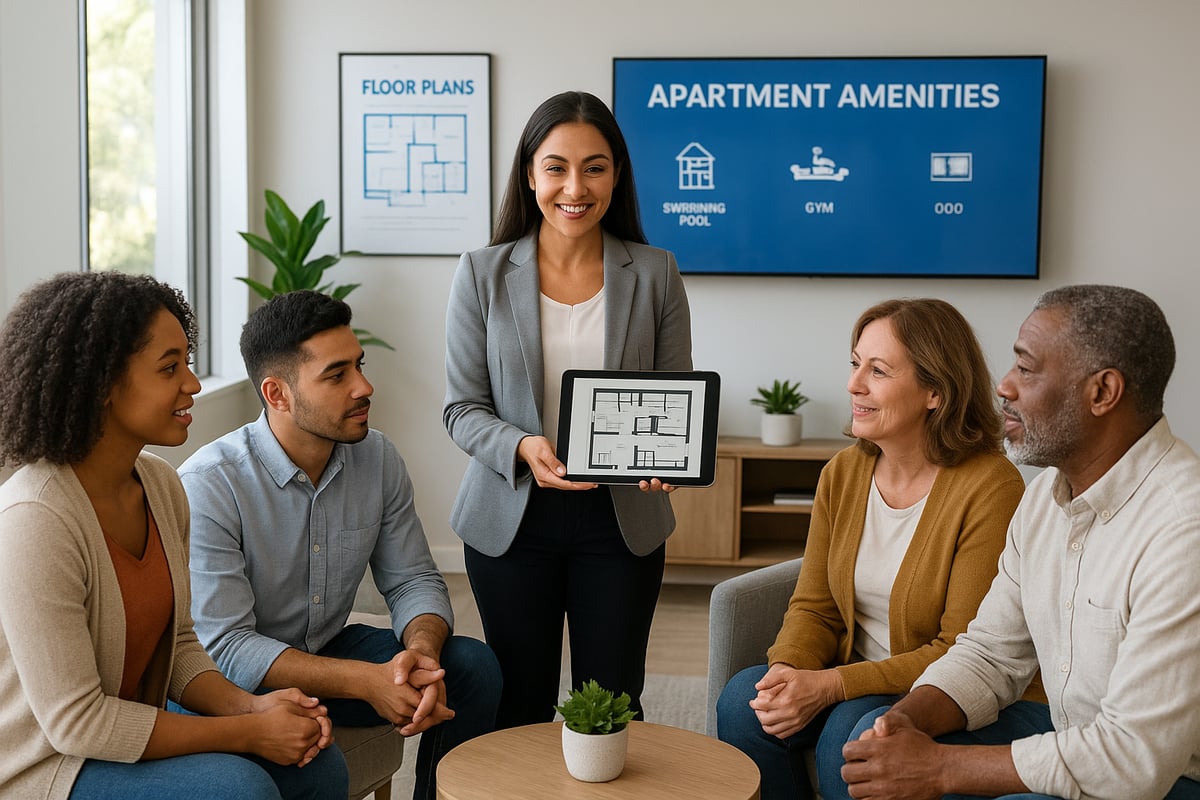
For apartments owners, attracting the right tenants begins with strategic marketing. In 2026, digital platforms reign supreme. Listing on major rental websites, such as Zillow and Apartments.com, ensures maximum visibility. Optimizing listings with professional photography and 3D virtual tours is critical—data shows that properties with virtual tours receive 30% more inquiries.
Social media advertising has become a powerful tool for apartments owners. Targeted posts on platforms like Instagram and Facebook reach younger demographics, including Gen Z renters and remote workers. Local community groups and networking events also provide opportunities to connect with potential tenants seeking quality apartments.
Consider these key tactics:
- Use high-resolution images and video walkthroughs
- Highlight unique amenities, such as coworking spaces or pet-friendly features
- Respond promptly to inquiries and schedule showings flexibly
By leveraging these methods, apartments owners can attract reliable tenants who are likely to stay longer and care for the property.
Screening and Onboarding Processes
Screening is a crucial step for apartments owners aiming to minimize risk and ensure a harmonious rental experience. Comprehensive background, credit, and rental history checks are standard, but in 2026, many owners utilize AI-powered screening tools to identify red flags efficiently.
Adopting enhanced protocols helps reduce eviction rates and protects against costly disputes. It is vital for apartments owners to comply with Fair Housing laws during screening, maintaining transparent and consistent criteria for all applicants. For a detailed overview of best practices, see Effective Tenant Screening Strategies.
A robust onboarding process includes:
- Verifying employment and income documentation
- Providing clear, digital lease agreements
- Offering a welcome package with move-in instructions
Implementing these steps ensures that apartments owners start tenant relationships on a positive note, reducing turnover and building trust from day one.
Retention and Community Building
Retaining tenants is as important as acquiring them. Apartments owners who invest in retention strategies experience reduced vacancy and higher returns. Clear, consistent communication is key—digital portals, newsletters, and community apps keep tenants informed and engaged.
Responsiveness to maintenance requests significantly impacts satisfaction. Apartments owners who provide timely repairs and proactive service see greater tenant loyalty. Incentives, such as renewal bonuses or loyalty programs, encourage tenants to stay. Communities with engagement initiatives, like resident events or shared amenities, achieve 20% higher retention rates.
Effective retention strategies include:
- Hosting seasonal community gatherings
- Offering referral rewards for current tenants
- Providing online maintenance request systems
By prioritizing communication and community, apartments owners create environments where tenants feel valued, leading to lasting occupancy and stable income streams.
Optimizing Operations and Enhancing Property Value
For apartments owners, operational excellence is the foundation of long-term property success. In 2026, optimizing every aspect of property management not only protects your investment but also drives higher returns and tenant satisfaction. By leveraging modern strategies, apartments owners can enhance property value and stay ahead in a competitive market.
Maintenance and Upgrades for 2026
For apartments owners, proactive maintenance is a non-negotiable strategy in 2026. Implementing a preventive maintenance schedule reduces costly emergency repairs and extends the lifespan of property assets. Key areas include HVAC servicing, plumbing checks, and roof inspections.
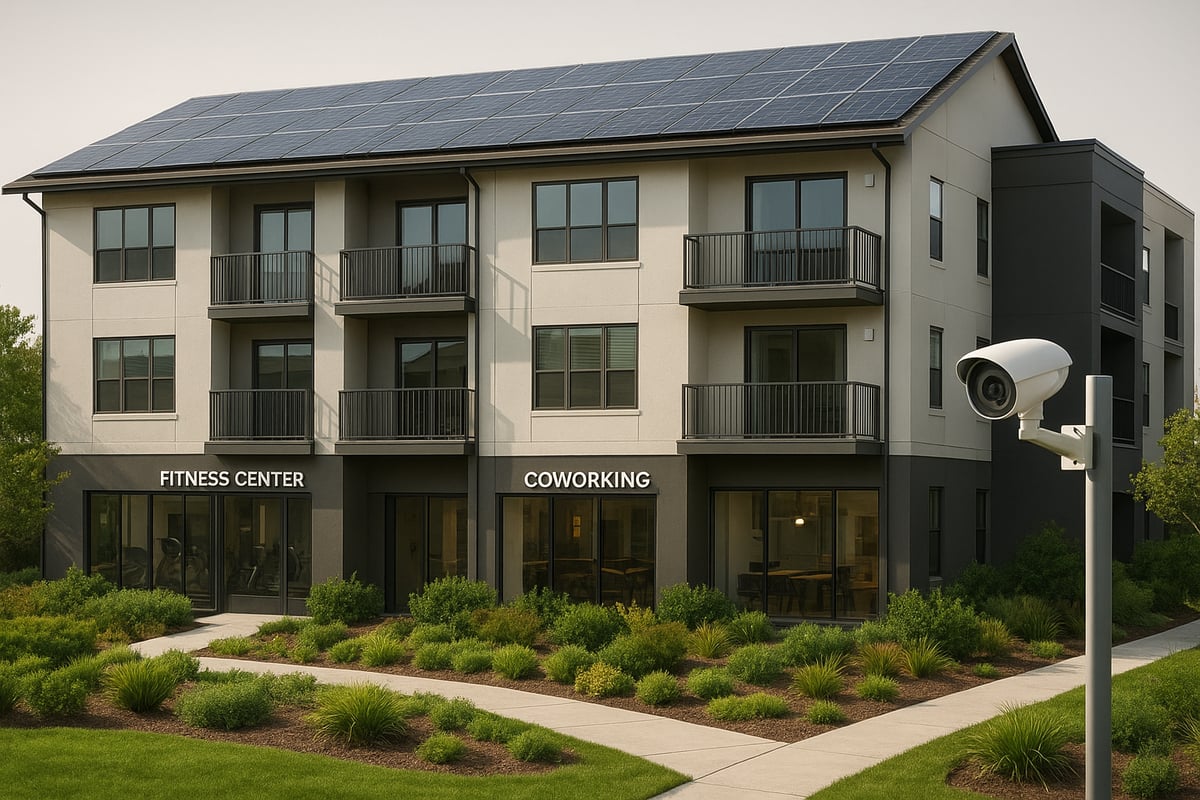
Smart upgrades are another priority. Apartments owners benefit from installing smart thermostats, energy-efficient lighting, and security systems. These enhancements not only increase tenant appeal but also reduce operating costs. Sustainable improvements such as solar panels and high-efficiency appliances can command up to 8% higher rents, according to the National Apartment Association.
Here is a quick comparison of upgrade impacts:
| Upgrade Type | Cost Range | Potential Rent Increase |
|---|---|---|
| Smart Thermostats | $150–$300/unit | 2–3% |
| Solar Panels | $10k–$25k | 5–8% |
| Energy Appliances | $400–$1,200 | 2–4% |
To streamline these processes, consider partnering with a provider that specializes in property maintenance services for apartments owners. This ensures upgrades are completed on time, within budget, and to code.
Vendor Management and Outsourcing
Selecting and managing vendors is a critical task for apartments owners. Reliable contractors are the backbone of effective property management. Begin by vetting vendors for licensing, insurance, and a proven track record. Always collect multiple bids and negotiate clear service agreements with performance metrics to ensure accountability.
Outsourcing versus in-house maintenance is a key decision. Outsourcing allows apartments owners to access specialized expertise and scalable services, often reducing long-term costs. In contrast, in-house teams provide direct control but require ongoing training and payroll management.
Consider these vendor selection criteria:
- Licensing and insurance verification
- Transparent pricing structures
- References from other apartments owners
For those seeking a more hands-off approach, professional management companies can handle vendor coordination, contract negotiations, and quality assurance, allowing apartments owners to focus on strategic growth.
Streamlining Day-to-Day Operations
Day-to-day efficiency is essential for apartments owners aiming to maximize profitability in 2026. Digital property management platforms automate rent collection, process maintenance requests, and centralize communication. These platforms minimize manual errors and save valuable time.
Automation tools for accounting and reporting further enhance operational transparency. By integrating these systems, apartments owners can track expenses, monitor revenue, and generate financial reports with a few clicks. Owners who utilize automation report up to 25% time savings, freeing capacity for growth-focused activities.
Consider the benefits of professional management, which often includes advanced technology solutions, streamlined workflows, and regulatory compliance support. This partnership allows apartments owners to focus on portfolio expansion rather than daily administrative tasks.
Enhancing Curb Appeal and Amenities
First impressions matter. For apartments owners, enhancing curb appeal is a direct path to higher occupancy rates. Focus on landscaping trends such as native plantings, well-lit walkways, and inviting entryways. Fresh exterior paint and modern signage also boost property perception.
Upgrading amenities is equally vital. Tenants increasingly seek features like fitness centers, coworking spaces, and secure package lockers. Buildings with these modern amenities experience vacancy rates up to 15% lower than those without.
Key amenity upgrades to consider:
- Onsite fitness facilities
- High-speed internet and coworking lounges
- Smart package delivery systems
Apartments owners who invest in both curb appeal and amenities position their properties as top choices in the market, attracting and retaining quality tenants.
Future-Proofing Your Apartment Investment
Future-proofing is essential for apartments owners seeking to maintain profitability and resilience in a rapidly changing market. The strategies below will help you anticipate trends, adapt to new demands, and secure long-term growth for your properties.
Adapting to Evolving Renter Preferences
Apartments owners must stay ahead of shifting renter priorities to remain competitive in 2026. Flexibility is key. Many renters now seek shorter lease terms, furnished units, and seamless digital experiences. Pet-friendly policies and wellness-focused amenities, like fitness centers or meditation gardens, are becoming standard.
Hybrid work trends continue to influence the market. Offering coworking spaces, fast internet, and quiet zones attracts remote professionals. Adaptations like these help apartments owners appeal to a broader tenant base.
Community spaces and social events foster a sense of belonging, increasing retention. By understanding and responding to evolving needs, apartments owners can boost satisfaction and occupancy rates.
Sustainability and ESG Considerations
Environmental, social, and governance (ESG) factors are top priorities for apartments owners committed to long-term success. Integrating green building standards and certifications enhances property value and attracts eco-conscious tenants.
Installations such as EV charging stations, solar panels, and energy-efficient appliances are not only environmentally responsible but can also lower operating costs. Recycling programs, water conservation measures, and sustainable landscaping further support ESG goals.
Staying informed about evolving ESG reporting requirements is crucial. Apartments owners who prioritize sustainability position themselves as industry leaders and appeal to a growing segment of responsible renters.
Preparing for Economic and Market Shifts
Apartments owners must be proactive in preparing for market fluctuations and regulatory changes. Building robust cash reserves and contingency plans enables you to weather downturns or unexpected events. Scenario planning helps anticipate potential challenges and adjust strategies accordingly.
Monitoring the Housing Market Outlook for 2026 provides valuable insights on mortgage rates, regional variations, and economic conditions. Staying updated allows apartments owners to make informed decisions, such as adjusting rents or pursuing refinancing when conditions are favorable.
Learning from recent volatility, apartments owners who planned ahead experienced less disruption and maintained steady returns during uncertain times.
Leveraging Data and Analytics
Data-driven decision-making is transforming how apartments owners manage and grow their investments. Tracking metrics like occupancy rates, rent growth, and maintenance costs uncovers trends and areas for improvement.
Predictive analytics tools can forecast tenant turnover, optimize pricing, and identify cost-saving opportunities. By leveraging technology, apartments owners gain a competitive edge and maximize return on investment.
Regularly reviewing reports and dashboards ensures apartments owners remain agile. Embracing analytics leads to smarter strategies, higher efficiency, and sustained profitability.
After exploring the strategies for maximizing returns and streamlining apartment operations in 2026, you can see how vital expert guidance is—especially in a market shaped by new technologies, shifting regulations, and evolving tenant expectations. If you want to take the next step toward hassle-free ownership and higher profitability, you don’t have to navigate it alone. Let the experienced team at Coxe Property Management and Leasing help you with personalized solutions for every stage of your apartment investment journey.
Get Your Free Quote Today!