

Renting out homes is becoming increasingly popular in 2026 as rental demand continues to rise and homeowners explore new financial opportunities. Many property owners are motivated by relocation, investment income, or the desire to downsize while maintaining real estate assets.
When you rent out a home, you can benefit from steady passive income, potential property value appreciation, and greater financial flexibility. Success in this area requires knowledge and careful planning.
This guide will walk you through every step needed to rent out a home successfully in 2026. You will learn about legal requirements, property preparation, pricing strategies, effective tenant screening, lease agreements, ongoing management, and ways to maximize your rental returns.
Understanding Legal and Financial Requirements
Navigating the legal and financial landscape is essential when you plan to rent out a home in 2026. Being informed about your mortgage, local regulations, taxes, and insurance will protect your investment and ensure a smooth rental experience. Here is what every homeowner should know before entering the rental market.
Mortgage, Lender, and HOA Considerations
Before you rent out a home, review your mortgage agreement. Most lenders require that you live in the property for at least 12 months before converting it to a rental. This rule commonly applies to primary residences with FHA, VA, USDA, or conventional loans. Violating these terms could be considered mortgage fraud and may result in severe penalties.
Some exceptions exist, such as job relocation, military deployment, or significant family changes. If you need to rent out a home before the occupancy period ends, always notify your lender to avoid legal issues. Many HOAs also have rules about rentals, including owner-occupancy clauses or limits on the number of units that can be rented. For example, a homeowner transferred for work may qualify for an exception but still must meet HOA requirements.
Landlord-Tenant Laws and Local Regulations
Each state and city has specific landlord-tenant laws that affect your ability to rent out a home. These regulations cover topics such as security deposit limits, handling procedures, required disclosures in lease agreements, and the legal steps for eviction.
It is vital to stay informed about changes in 2026, as new ordinances may impact your rights and responsibilities. For instance, New Orleans has introduced updated rental property rules this year. Consulting with local property management experts or real estate attorneys ensures your lease agreements are compliant and your rental process is legal. This proactive approach protects you from costly disputes.
Tax Implications and Financial Planning
When you rent out a home, all rental income must be reported to the IRS, and there is no employer withholding. However, you can claim deductions for mortgage interest, property taxes, insurance, repairs, and depreciation to reduce your taxable income. Careful record-keeping will also help you calculate capital gains if you sell the property in the future.
Tax rules may affect your property tax rates and insurance premiums, so consider these costs in your financial planning. Consulting a tax professional is highly recommended to maximize your deductions and ensure compliance. For example, many landlords claim depreciation to offset rental income, which can significantly reduce their tax burden.
Insurance and Liability Updates
Switching from a standard homeowner policy to landlord insurance is required when you rent out a home. Landlord insurance offers broader coverage, including property protection, liability for tenant injuries, and compensation for loss of rent during repairs. Your premiums may increase, and some lenders specify minimum coverage.
Additionally, many property owners require tenants to carry renters’ insurance to protect personal belongings. Failing to update your policy could result in denied claims, as happened to some landlords who did not inform their insurer of the rental status. Always compare landlord insurance options in 2026 to ensure you receive adequate protection and value.
Coxe Property Management and Leasing: Expert Support for New Orleans Landlords
Professional property management can make it easier to rent out a home, especially in the Greater New Orleans area. Coxe Property Management and Leasing provides comprehensive services, including compliance assistance, rent collection, tenant screening, and maintenance coordination. They have managed nearly $1 billion in assets over 40 years, helping both local and absentee landlords enjoy hassle-free rental ownership.
For a deeper understanding of these responsibilities and the advantages of expert support, read this Expert property management guide.
Preparing Your Home for the Rental Market
Getting your property ready to rent out a home in 2026 involves more than just putting up a sign. Success depends on careful preparation, strategic upgrades, and a clear understanding of what tenants want. By approaching each step methodically, you can attract high-quality tenants, command better rental rates, and reduce vacancy periods.
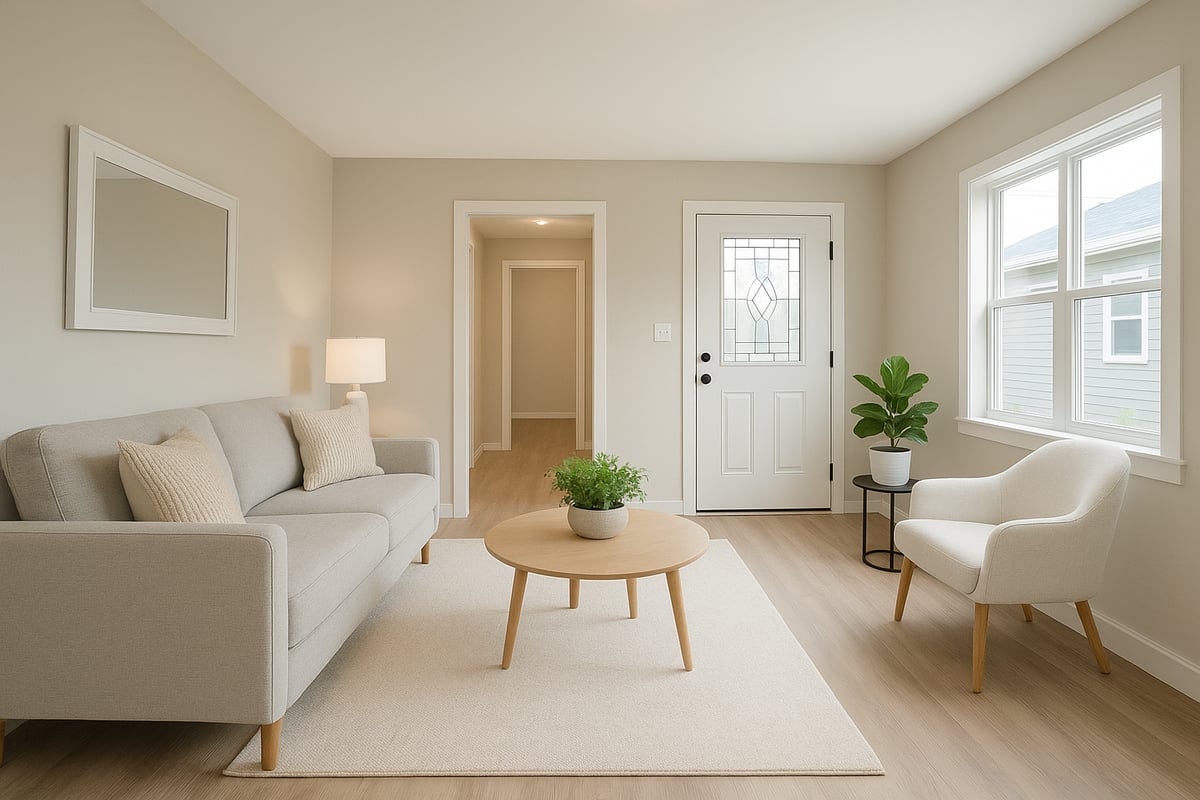
Assessing and Upgrading the Property
Before you rent out a home, conduct a thorough inspection to identify necessary repairs and ensure compliance with local safety codes. Address issues with plumbing, electrical systems, HVAC, and appliances promptly. Upgrades such as fresh paint, new flooring, or updated fixtures not only improve appeal but also boost rental value.
Focus on improvements that bring the highest returns, like modernizing kitchens or bathrooms. Ensuring your property meets all health and safety standards is essential for legal compliance and tenant satisfaction. Well-maintained homes typically rent out a home faster and at higher prices, making attention to detail a worthwhile investment.
Staging and Presentation
Presentation plays a critical role when you rent out a home. Curb appeal is the first thing prospective tenants notice, so keep lawns trimmed and entryways inviting. Inside, declutter, deep clean, and depersonalize the space to help renters envision themselves living there.
Professional photos and virtual tours enhance your online listings, drawing more interest. Highlight energy-efficient features or smart home upgrades to stand out in a competitive market. Staged homes often generate more inquiries, as before-and-after photos can dramatically increase rental interest.
Setting Competitive Rental Rates
To successfully rent out a home, research your local market to determine the right price. Analyze comparable listings and use online tools or property management insights for accurate assessments. Adjust your rate based on amenities, location, and recent upgrades.
Consider offering incentives such as a free first month or included utilities to attract tenants quickly. For properties in high-demand neighborhoods, adjust rates seasonally to maximize returns. Setting the right price ensures your property remains competitive and minimizes vacancy periods.
Marketing Your Rental Property
Effective marketing is essential when you rent out a home. List your property on popular online platforms, leverage social media, and use local classifieds to reach a broader audience. Craft compelling descriptions and use high-quality photos to showcase your home’s best features.
Open houses and private showings allow potential tenants to experience the property firsthand. For those seeking a streamlined process, Leasing services for New Orleans landlords can simplify marketing and tenant placement, making it easier to rent out a home efficiently.
Preparing Legal Documentation
Proper documentation is crucial every time you rent out a home. Draft a comprehensive lease agreement that outlines terms, duration, and house rules. Include all required disclosures, such as lead paint or mold notices, and clarify maintenance responsibilities and entry notice policies.
Ensure your lease complies with local and federal laws, especially as regulations evolve in 2026. Customized lease templates tailored to current requirements help protect both you and your tenants. A clear, legally sound lease sets the foundation for a smooth rental experience.
Finding and Screening Quality Tenants
Finding quality tenants is critical for anyone looking to rent out a home. The right renters protect your investment, pay on time, and help create a positive rental experience. A thorough tenant screening process, clear communication, and professional procedures can make all the difference.
Effective Tenant Screening Process
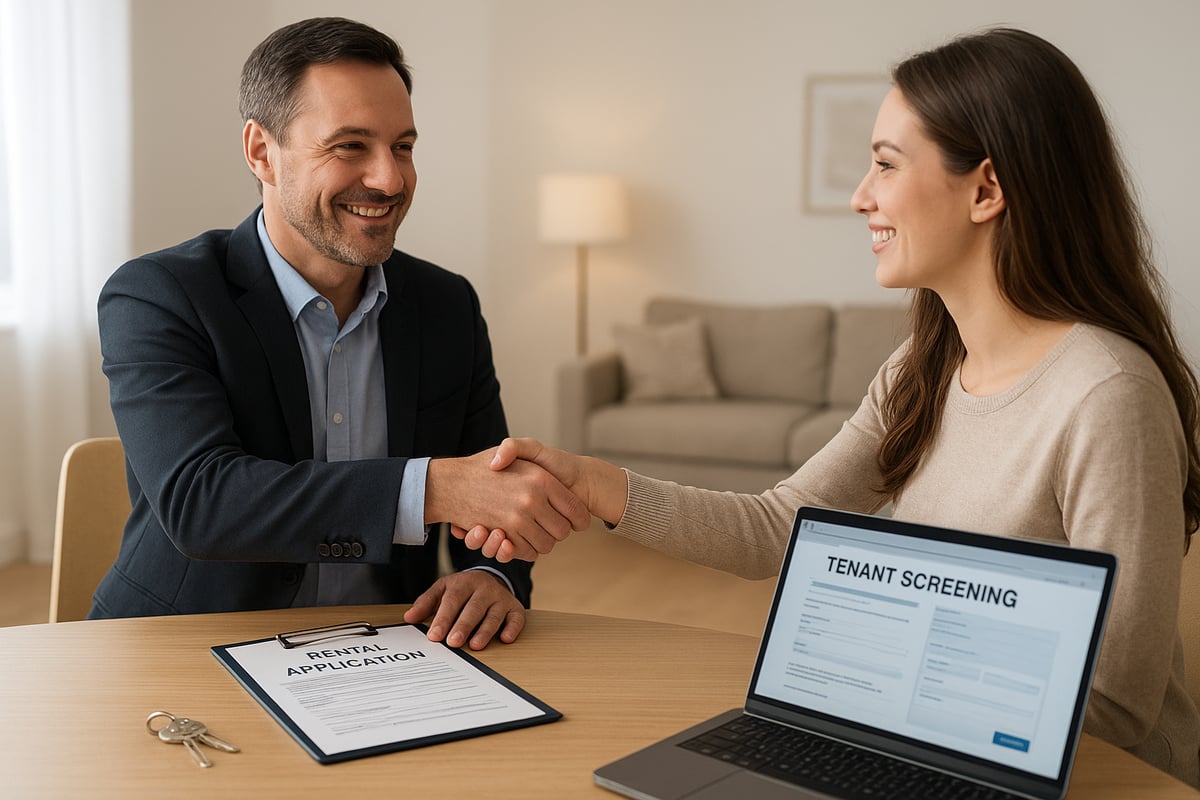
A robust screening process is the foundation for success when you rent out a home. Begin with a detailed rental application that collects employment, income, and rental history. Conduct background and credit checks to evaluate financial responsibility and any prior evictions.
Verify employment to ensure stable income. Always contact previous landlords for references. Watch for red flags like inconsistent income or past disputes. Compliance with the Fair Housing Act is essential, so use objective criteria for all applicants.
For a comprehensive overview, review these tenant screening best practices to streamline your process and minimize risks. A diligent approach helps reduce the chance of eviction and protects your rental investment.
Conducting Interviews and Showings
Once you have qualified prospects, schedule property tours at convenient times. Meeting applicants in person gives insight into their reliability and communication style. Prepare a list of important questions, such as reasons for moving and preferred lease duration, to assess their fit.
Observe how they interact with you and the property. Are they punctual and respectful? Do they ask thoughtful questions? Share details about the home and set clear expectations for care and maintenance. When you rent out a home, these personal interactions help identify serious, responsible tenants.
A well-conducted showing can reveal red flags early and ensure only the best candidates move forward.
Tenant Selection and Approval
After showings, compare applications using a fair scoring system. Weigh factors like income-to-rent ratio, credit score, and references. Ensure your selection process follows all legal guidelines to avoid discrimination claims.
Communicate your decision promptly and professionally. Notify approved applicants and outline next steps, such as paying the security deposit and first month's rent. For those not selected, provide a courteous response.
When you rent out a home, a transparent and consistent approval process builds trust and sets the stage for a positive landlord-tenant relationship. Collect all initial payments before move-in to secure your investment.
Lease Signing and Move-In Procedures
With your tenant selected, arrange a lease signing meeting. Review all lease terms, rules, and policies together to avoid misunderstandings. Document the property's condition using checklists and photos, which protect both parties in case of disputes.
Provide keys, access codes, and detailed move-in instructions. Collect any remaining deposits or fees. Setting a professional tone from the start is vital when you rent out a home, as it encourages tenants to respect the property and follow agreements.
A smooth move-in process establishes clear expectations and contributes to long-term satisfaction.
Encouraging Long-Term Tenancy
Retention is as important as selection when you rent out a home. Open communication channels and respond quickly to maintenance requests to show tenants you value their comfort. Offer lease renewal incentives, such as minor upgrades or rent discounts, to encourage longer stays.
Foster rapport by being approachable and fair. Satisfied tenants are more likely to care for your property, pay on time, and recommend your rental to others. Long-term tenancy reduces turnover costs and helps maximize your rental income.
Building strong relationships ensures your investment remains stable and profitable year after year.
Managing Your Rental Property Effectively
Effectively managing your property is essential if you want to rent out a home and achieve lasting success in 2026. Proactive management ensures steady income, satisfied tenants, and protection of your investment. This section walks you through the most important aspects of property management, from rent collection to maintenance, legal compliance, and the advantages of professional services.

Rent Collection and Financial Management
Setting up efficient systems for collecting rent is vital when you rent out a home. Offer tenants various payment options, such as online portals, auto-debit, or checks, to increase convenience and timely payments.
Establish clear due dates, late fee policies, and grace periods in your lease agreement. Use tools or property management software to track income and expenses, making tax time easier. If you want to learn more about best practices, review these reliable rent collection strategies to ensure financial stability when you rent out a home.
Always provide receipts and regular statements to tenants. Detailed records support transparency and help you monitor your property's financial health.
Maintenance and Repairs
Consistent maintenance is crucial for anyone looking to rent out a home and safeguard their property's value. Schedule routine inspections to catch minor issues before they escalate.
Respond rapidly to repair requests, demonstrating reliability and care. Build a network of trusted contractors for quick, quality service. Keep detailed records of all maintenance activities, including dates, costs, and repairs completed.
Proactive maintenance, such as seasonal HVAC checks or gutter cleaning, helps prevent expensive problems. Well-maintained properties attract better tenants and reduce vacancy rates.
Handling Tenant Issues and Disputes
When you rent out a home, clear communication is your best tool for resolving tenant concerns. Address complaints promptly and fairly, listening to both sides of any dispute.
Enforce lease terms and house rules consistently to maintain order. If issues escalate, follow legal steps for non-payment or lease violations, such as issuing formal notices. Always document every communication, agreement, and action taken.
By handling disputes professionally, you protect your investment and foster a positive rental experience for your tenants.
Legal Compliance and Eviction Procedures
Staying updated on landlord-tenant laws is essential if you rent out a home in 2026. Ensure you provide proper notice for property entry, rent increases, or lease termination, as required by local and state laws.
If eviction becomes necessary, follow the legal process step by step. This includes serving the correct notices, adhering to waiting periods, and filing required paperwork with the court. Avoid any actions that could be seen as discrimination or retaliation.
A lawful approach to eviction protects you from costly legal challenges and preserves your reputation as a responsible landlord.
Utilizing Property Management Services
Deciding to rent out a home can be demanding, especially if you own multiple properties or live far away. Hiring a professional property management company can save you significant time and stress.
Property managers handle tenant relations, maintenance, rent collection, and legal compliance. They use established processes to maximize occupancy and minimize issues. When choosing a management company, look for strong local expertise and a proven track record.
Many investors who rent out a home find that professional management delivers peace of mind and improved returns, allowing them to focus on other priorities.
Maximizing Rental Income and Property Value
Maximizing returns when you rent out a home requires a blend of smart upgrades, strategic pricing, tax awareness, and tenant relationship management. By focusing on these key areas, property owners can achieve sustainable income and long-term appreciation.
Strategic Upgrades and Value-Adds
To maximize your rental income when you rent out a home, focus on improvements that offer high returns. Upgrading kitchens and bathrooms, installing smart thermostats, and adding in-unit laundry or secure storage can significantly boost appeal.
Energy-efficient appliances and LED lighting not only attract eco-conscious renters but also reduce utility costs, making your property more desirable. Consider offering furnished or partially furnished options to widen your tenant pool, especially in urban markets or near universities.
A well-maintained exterior and fresh landscaping enhance curb appeal and help your home stand out in listings. These strategic value-adds can justify higher rent and minimize vacancy periods.
Adjusting Rent and Lease Terms Over Time
Regularly reviewing your rental rates is essential when you rent out a home. Analyze local market trends and compare your property to similar listings annually. Adjust rent to reflect upgrades, inflation, and changes in neighborhood demand, but always follow local rent control laws.
Consider flexible lease options such as month-to-month arrangements or short-term leases, which can attract a broader range of tenants and provide adaptability in changing markets. Transparent communication about rent increases and lease changes builds trust with tenants and reduces turnover.
Offering renewal incentives, like minor upgrades or a rent freeze, can encourage long-term occupancy and steady income for your investment.
Tax Optimization and Expense Management
Tax strategy is crucial when you rent out a home. Track all deductible expenses, including repairs, management fees, mortgage interest, and depreciation. Accurate record-keeping simplifies filing and ensures you maximize tax benefits.
Consulting a tax professional is wise, especially with evolving laws. The 2026 Tax Law Changes for Real Estate Investors may impact how you claim deductions and report rental income. Stay informed on depreciation schedules and capital gains implications.
Organized financial management not only reduces tax liability but also prepares you for audits or future property sales, supporting long-term profitability.
Building Positive Tenant Relationships
When you rent out a home, fostering strong tenant relationships is vital for stability and reputation. Respond promptly to maintenance requests and provide clear communication channels for tenants to reach you.
Offer excellent customer service by addressing concerns quickly and respectfully. Encourage open feedback and show appreciation through small gestures or holiday greetings. Satisfied tenants are more likely to renew leases, pay rent on time, and recommend your property to others.
Positive interactions reduce conflict and turnover, creating a win-win situation for both landlords and residents, and supporting consistent cash flow.
Planning for Future Sales or 1031 Exchanges
Strategic planning is key if you rent out a home and wish to maximize long-term gains. Monitor local property appreciation and market cycles to determine the best timing for a sale or exchange.
A 1031 exchange allows you to defer capital gains taxes by reinvesting proceeds into another investment property. Consult real estate and tax professionals to explore exit strategies and ensure compliance with IRS requirements.
Preparing your property for sale with timely upgrades and organized records can boost its market value and streamline the transaction, securing your financial future.
Frequently Asked Questions About Renting Out Your Home in 2026
Wondering how to rent out a home in 2026? Below you will find concise answers to the most common questions homeowners ask. From lender rules to tax implications, these insights will help you navigate every step with confidence.
How Soon Can I Rent Out My Home After Purchase?
Most lenders require you to occupy the property as your primary residence for at least 12 months before you can rent out a home. This rule applies to many FHA, VA, and conventional loans. If you need to move due to a job transfer, military deployment, or family change, exceptions may apply.
Violating occupancy clauses can lead to severe penalties, including calling the loan due or even allegations of mortgage fraud. Always notify your lender if your circumstances change. For example, if you purchase a home and are relocated for work after six months, contact your lender to discuss options for how to rent out a home legally and avoid any risk.
Can I Rent Out Part of My Home?
Yes, you can often rent out a home partially by leasing a room or an accessory dwelling unit (ADU), such as a basement apartment. However, you need to check your mortgage terms, local zoning laws, and HOA rules. Renting out part of your property may affect your insurance and tax status.
For instance, if you add a kitchenette and private entrance to your basement, you can rent it out for supplemental income. Just ensure you follow all city codes and report the rental income appropriately. Many homeowners find this a flexible way to rent out a home while still living onsite.
What Are the Tax Implications of Renting?
When you rent out a home, all rental income must be reported on your tax return. While you do not have employer withholding, you can deduct many expenses, including mortgage interest, property taxes, insurance, repairs, and depreciation.
Careful record-keeping is essential to claim all eligible deductions. For example, if you rent out a home and upgrade the HVAC system, you can deduct the cost as a repair or capitalize it for depreciation. Consult a tax professional to maximize your benefits and minimize your tax burden.
Do I Need to Tell My Lender or HOA?
Yes, you must always notify your lender if you plan to rent out a home. Failing to disclose this change can result in mortgage penalties or even foreclosure. Many HOAs have strict rules on rentals, such as limiting the percentage of homes that can be leased at any time.
For example, some communities cap rentals at 20 percent of the units. If you rent out a home without HOA approval, you may face fines or legal action. Review your loan documents and HOA bylaws before taking any action to rent out a home.
What Happens If I Don’t Comply With Regulations?
If you fail to comply with federal, state, or local regulations when you rent out a home, you risk fines, forced sale, or legal disputes. Lenders may discover unauthorized rentals through insurance or tax filings. For a comprehensive overview of model landlord-tenant laws and your obligations, see the Uniform Residential Landlord and Tenant Act Overview. Compliance is key to protecting your investment and ensuring long-term success as a landlord.
As you look ahead to renting out your home in 2026, it’s clear there are many moving parts—from navigating new regulations and preparing your property to finding the right tenants and maximizing your income. You don’t have to tackle it all alone. With over 40 years of experience managing nearly $1 billion in New Orleans properties, Coxe Property Management and Leasing offers the expertise and personal support you deserve for a seamless rental experience. If you’re ready to make the most of your investment and enjoy true peace of mind, Get Your Free Quote Today!